





 English
  Francês
  Alemão
  Italiano
  Japonês
  Norueguês
  Portuguese
  Spanish
  3 min of reading
  3 comments


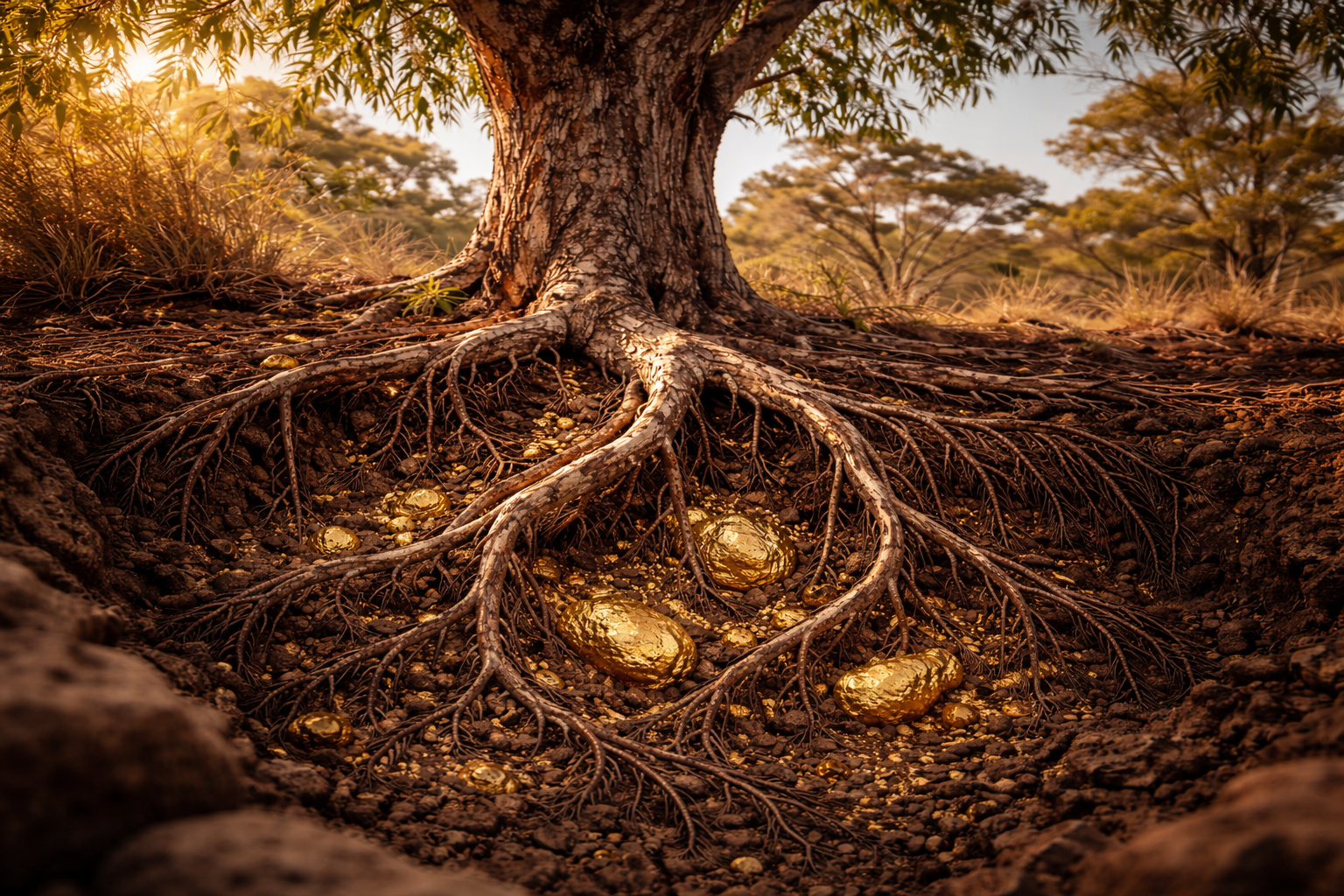


Study Published in Nature Communications Shows How Microscopic Gold Particles Are Identified in Leaves Using Advanced X-Ray Technology
A scientific discovery in Australia revealed that microscopic gold particles can be absorbed by eucalyptus trees, a phenomenon that led researchers to adopt the term gold tree to describe this natural interaction with deep underground deposits.
The Commonwealth Scientific and Industrial Research Organisation (CSIRO) conducted the study and published the results in the journal Nature Communications, as per the official statement released by the research team.
Scientists explain that the roots of these trees extend beyond 30 meters deep, reaching groundwater rich in minerals and transport microparticles of the precious metal to leaves and branches through the plant’s vascular system.
-
The climate in 2026 may surprise with extremes even more intense than in 2025, with heatwaves, out-of-season cold, and irregular rainfall in Brazil.

-
Astronomers identify 45 rocky planets that could harbor life, and one of them is just 4.2 light-years from Earth, making it the closest neighbor with the potential to have liquid water on its surface.

-
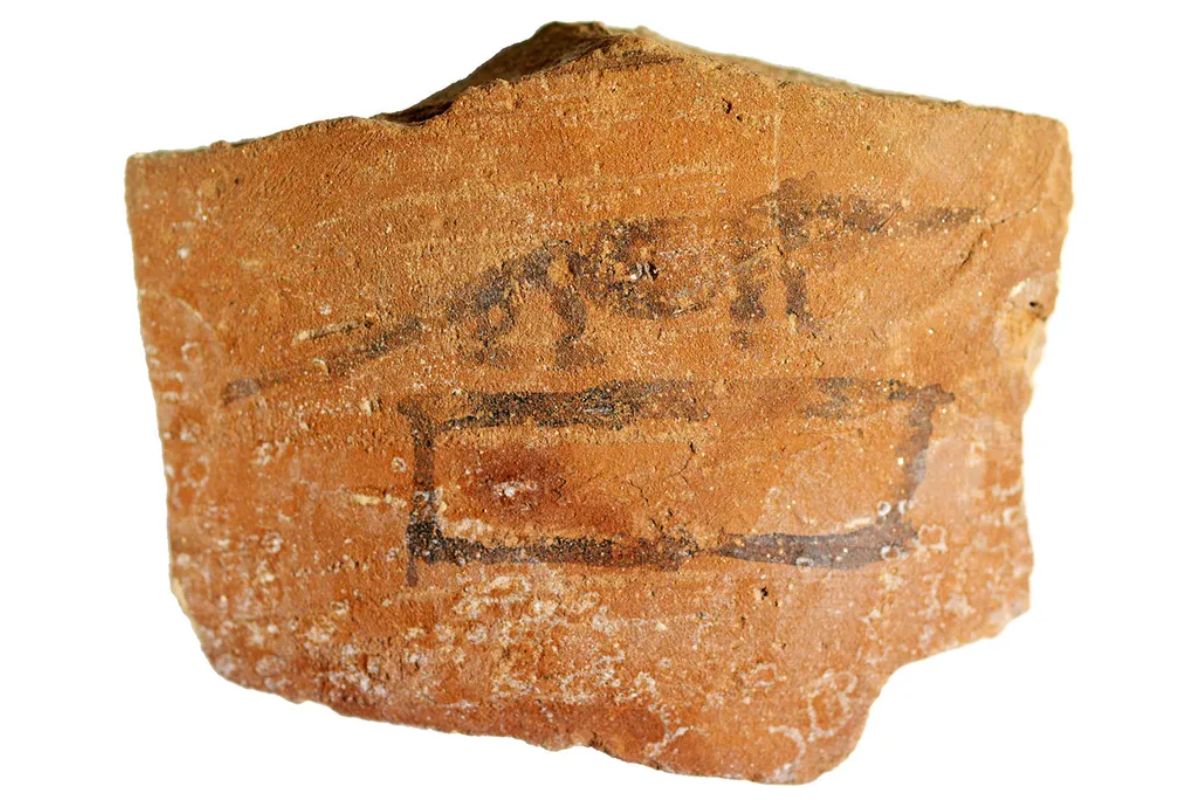
Archaeologists discover 43,000 ostraca in Egypt with tax lists, drawings, religious texts, and everyday notes that reveal what life was like in ancient Athribis before Cleopatra.
-
China showcases laser defense systems that target drones flying very low and attempts to address a flaw that has been concerning armies worldwide.



Technical Investigation Confirms Mineral Absorption
Researchers confirmed the presence of gold in the leaves by applying X-ray technology at the Australian Synchrotron in Melbourne, where they accurately mapped the concentration and distribution of metallic particles in plant tissues.
During laboratory analyses, the team identified microparticles with dimensions equivalent to approximately one-fifth of the diameter of a human hair, which evidenced the microscopic nature of the absorbed material.
The results showed that gold did not remain only on the outer surface of the leaves but integrated into the internal system of the plant after being absorbed by deep roots.
Potential Impact for Mining
Traditionally, mining companies conduct extensive drilling and complex geological surveys, as well as employ high-cost technical methods that require significant infrastructure and operational mobilization.
Based on the data presented by CSIRO, the presence of the metal in eucalyptus leaves can function as a natural biological indicator and guide the location of buried deposits tens of meters deep.
This strategy can complement conventional mineral prospecting techniques and direct technical assessments to areas with greater gold potential.
Historical Context in the Goldfields-Yilgarn Region
Australia has a strong tradition in mining, especially in regions that fueled economic development during the 19th century through gold exploration.
The city of Kalgoorlie-Boulder, located about 595 kilometers from Perth, emerged in 1893 during the gold rush in the Goldfields-Yilgarn region and established itself as one of the country’s major gold centers.
This history reinforces the geological relevance of the region and keeps gold as a central element in the Australian mineral economy.
Characteristics of the Eucalyptus Genus
The Eucalyptus genus comprises over 700 species, almost all native to Australia, where they dominate the landscape and display a high capacity for adaptation to different climate conditions and soil types.
In addition to the Australian territory, small occurrences appear in Papua New Guinea, Indonesia, and the southern Philippines, although the greatest diversity remains concentrated in Oceania.
This adaptability promotes the development of deep roots that interact directly with mineral-rich underground layers.
Presence of Eucalyptus in Brazil
In Brazil, historical records point to specimens in the Botanical Garden of Rio de Janeiro in 1825 and at the National Museum in 1868, marking the beginning of eucalyptus introduction in the country.
Currently, Minas Gerais occupies about 2% of its territory with plantations of the species, establishing itself as an important production hub in the national forestry sector.
The municipality of Itamarandiba has stood out for over three decades in silviculture, developing practices focused on the management and improvement of forest stands.
With this scientific advancement presented by CSIRO, the understanding of the relationship between plants and underground minerals is broadened, enhancing the discussion on biological applications in mineral prospecting.
The combination of botanical research and advanced imaging technology indicates that natural processes can offer strategic tools for more targeted geological studies.
Do you believe that methods like the so-called gold tree could redefine mineral exploration strategies in the coming decades?








Para vai pentear careca, tá.
Então plantar eucalipto até suas raízes atingirem 30 metros de profundidade.
Pra fazer exames nas folhas de eucalipto.
KKKKKK. Aí forçou….
Abraço.
Tudo é possível, não é?
Essa planta seca a água do sub-solo e não gera emprego, quase todo processo hoje é feita por máquinas, reduz o crescimento populacional dos distritos, ocupa onde espaço onde serviriam para produção de alimentos e compromete a vida dos animais.
Aguardo resposta dessas companhias para investir messes municípios, por exemplo asfaltamento das estradas e geração de mais empregos para as população locais.