





 Portuguese
  English
  Spanish
  4 min of reading
  0 comments


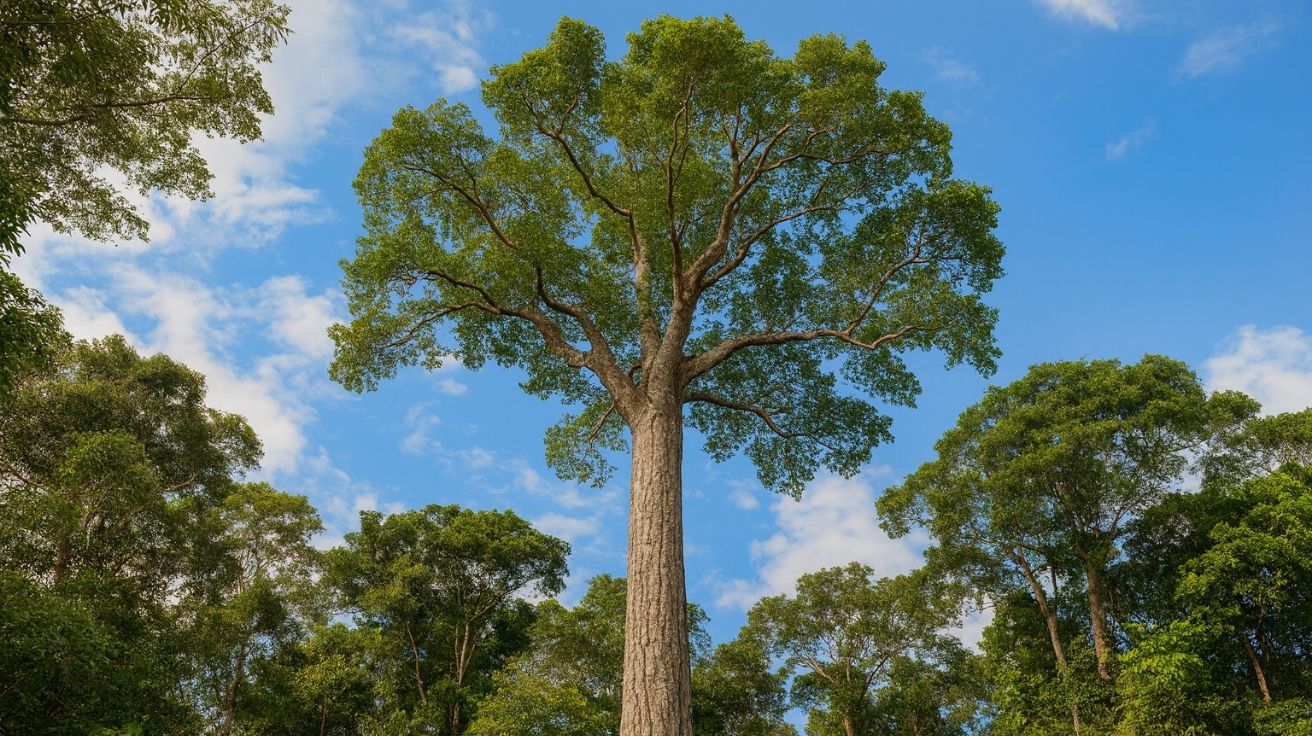
Study Reveals That Large Trees Grew About 3% Per Decade In The Last 30 Years, An Apparent Positive Effect Of Climate Change That May Not Last Forever
The Amazon, known as the “lungs of the planet” for its ability to absorb huge amounts of carbon dioxide (CO₂), is central to the fight against global warming.
Responsible for capturing up to a quarter of the CO₂ absorbed by all terrestrial vegetation, it remains a vital line of defense against the advance of climate change.
Still, news about the region tends to be negative. Over the last 40 years, the forest has lost more than 121 million acres of vegetative cover, an area equivalent to the territory of Spain.
-
Scientists use artificial intelligence to create nearly indestructible steel that does not rust and could change the way industrial energy and oil parts are produced.

-
Instead of buying new electric trucks, India is removing the diesel engines from old vehicles and installing electric propulsion for 40% of the price, and this simple idea could be the solution that polluted megacities around the world have been waiting for.

-
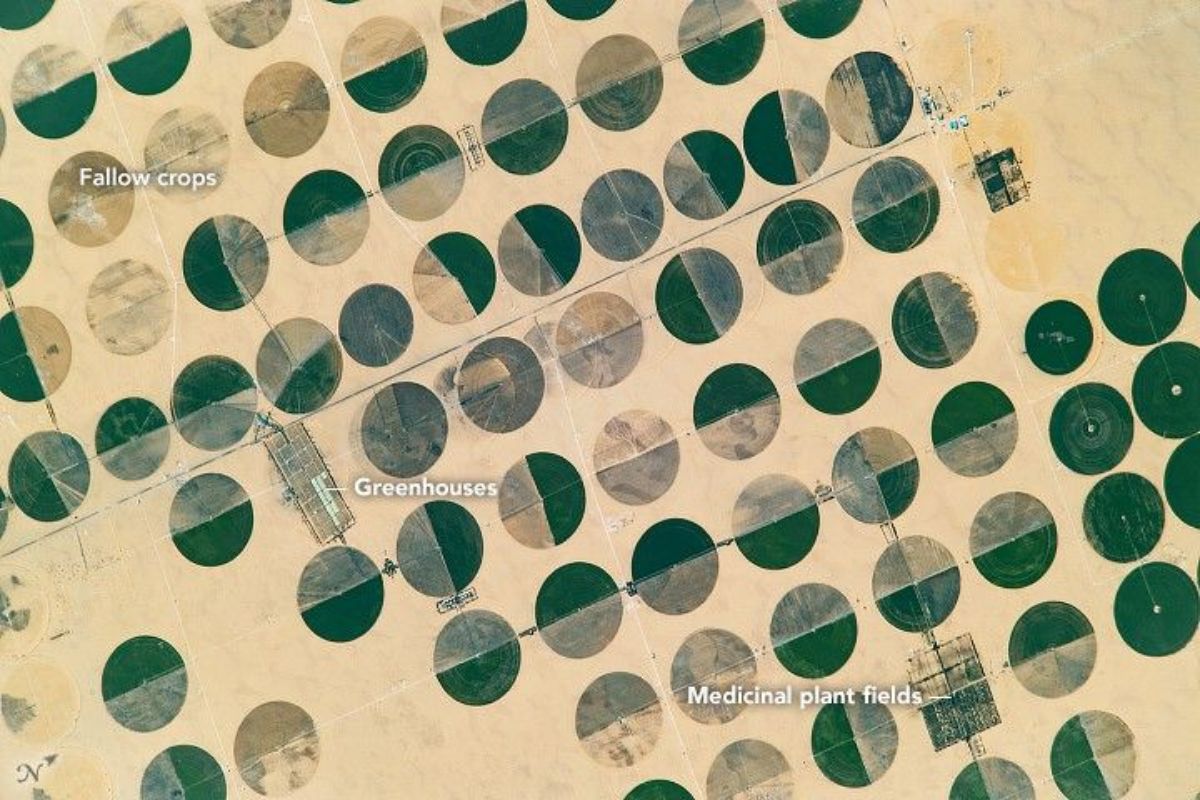
Circles in the Sahara plantations: ISS reveals Sharq El Owainat, in Egypt, irrigated by a center pivot with water from the Nubian Sandstone Aquifer, growing between 1998 and 2019, 290 km from the nearest city.
-
40% still call it a fraud: Soviets monitored Apollo, mirrors on the Moon still return lasers today and rocks confirm it; in 2026, 4 astronauts will return to lunar orbit and the race restarts against China.

But a new study published in the journal The Amazon, known as the “lungs of the planet” for its ability to absorb huge amounts of carbon dioxide (CO₂), is central to the fight against global warming.
Responsible for capturing up to a quarter of the CO₂ absorbed by all terrestrial vegetation, it remains a vital line of defense against the advance of climate change. Still, news about the region tends to be negative.
In the last 40 years, the forest has lost more than 121 million acres of vegetative cover, an area equivalent to the territory of Spain.
But a new study published in the journal Nature Plants brings a surprising discovery. According to an international team of scientists led by ecologist Adriane Esquivel-Muelbert from the University of Cambridge, the largest trees in the Amazon are growing faster than expected. The survey shows that in the last three decades, these trees have increased in size by about 3.3% per decade.
The Unexpected Effect Of Excess CO₂
The research analyzed 188 permanent plots in the Amazon rainforest and found that the increase in CO₂ levels in the atmosphere has been stimulating tree growth.
While the effect is observed in species of all sizes, the results were most pronounced in large trees. Growth was measured by the basal area, the cross-section of the trunk at breast height, and revealed that these “giants” are managing to take advantage of the increased availability of carbon to grow.
This finding challenges the so-called “large tree loss hypothesis,” which suggested that sturdier specimens would be more vulnerable to intense droughts and wind events. On the contrary, at least for now, they are showing remarkable resilience.
“Large trees are critical for absorbing CO₂ from the atmosphere, and this study confirms that,” said Esquivel-Muelbert in a statement. “Despite concerns that climate change may harm the Amazon, the fertilizing effect of CO₂ is still present. This shows the remarkable resilience of the forest, at least for now.”
Rapid Growth, Uncertain Future
The Amazon is not the only forest showing changes related to climate. A 2023 study by the University of New Brunswick in Canada concluded that boreal forests are expected to grow up to 20% faster by 2050, driven by rising temperatures and longer growing seasons.
Nevertheless, scientists warn that this growth does not guarantee a secure future. The increase in size and extra carbon absorption could be offset by other critical factors, such as deforestation, wildfires, insect outbreaks, and extreme weather events. In 2024 alone, according to Reuters, the world recorded one of the largest losses of tropical forest in history.
“The fate of large trees is now a crucial issue,” said Oliver Phillips, co-author of the study and ecologist at the University of Leeds. “They will only remain healthy if the Amazon ecosystem remains connected. Deforestation multiplies threats, and if it continues, it will eventually kill these giants.”
The Critical Mission Of Forests
If the good news is that Amazonian trees are still able to resist and even grow amid environmental stress, the warning is clear: their survival depends on drastically reducing destruction. Keeping the Amazon standing is essential not only for Brazil but for the entire planet’s climate balance.
Tropical forests, along with boreal and temperate forests, will continue to play a decisive role in carbon absorption as humanity seeks a green energy transition. However, as researchers emphasize, this will only be possible if humans halt the devastation and allow nature to continue performing its vital work.









-

Uma pessoa reagiu a isso.