





 Portuguese
  English
  Spanish
 5 min of reading
  6 comments


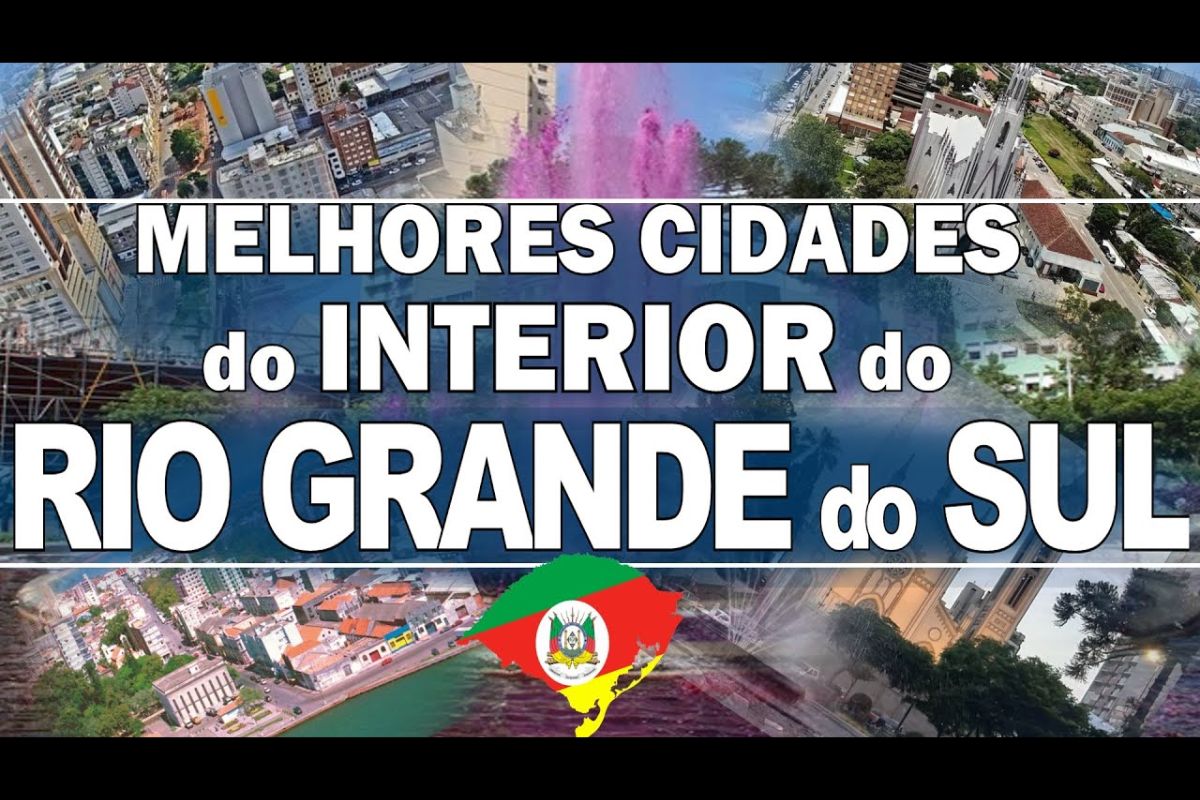


Guide to the Best Cities in the Countryside with Nature, Safety, Tradition, and Quality of Life, Bringing Together Job Opportunities, Urban Infrastructure, and Balanced Living Costs for Those Looking to Move in a Planned Way.
The best countryside cities in Rio Grande do Sul combine economic diversity, robust healthcare and education services, safety, and a cultural heritage that reflects in daily life. From industrial hubs to high-level tourist destinations, the gaucho countryside offers real alternatives for families, students, and professionals seeking quality of life without sacrificing opportunities.
This survey brings together ten municipalities with distinct profiles, but one common point: delivering well-being, mobility, and service availability. You can find everything from cities with university vocations and reference healthcare to enogastronomic centers and mountainous destinations with active tourism throughout the year.
Rio Grande
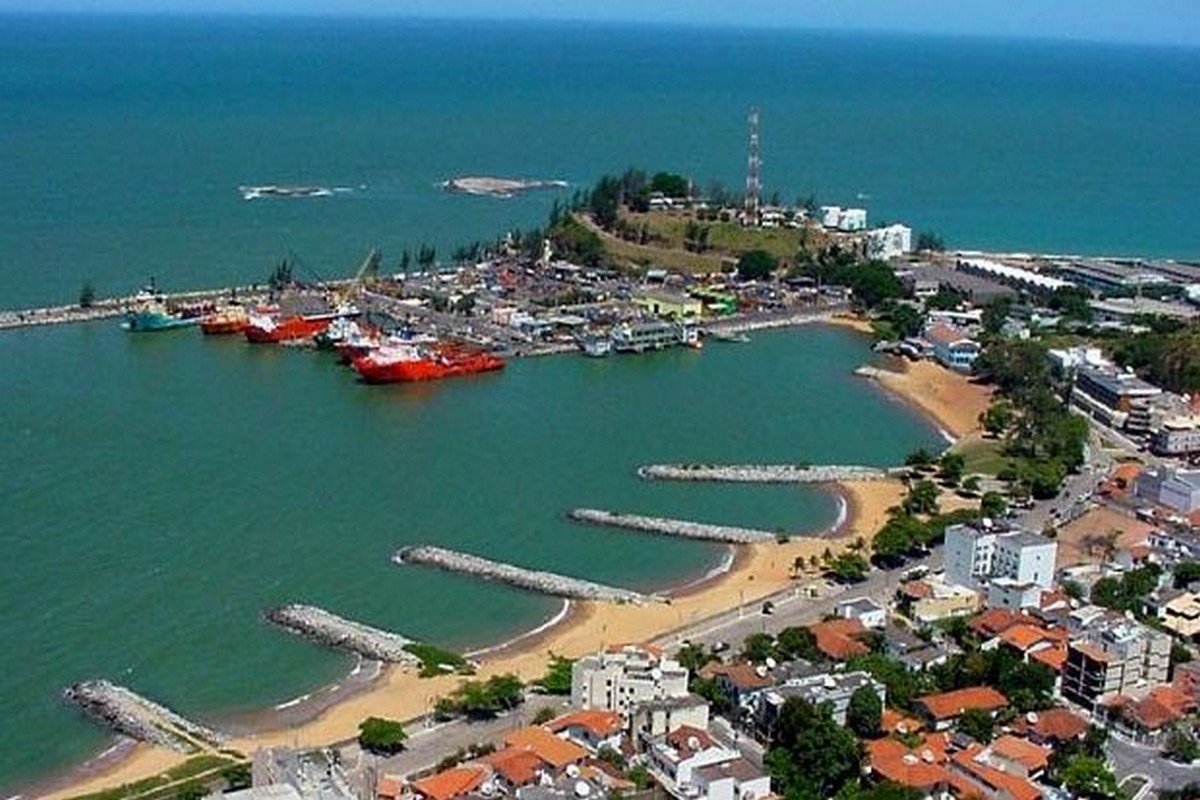
Pioneering and surrounded by water, Rio Grande combines a strategic port, a consolidated industrial park, and a tourist vocation.
-
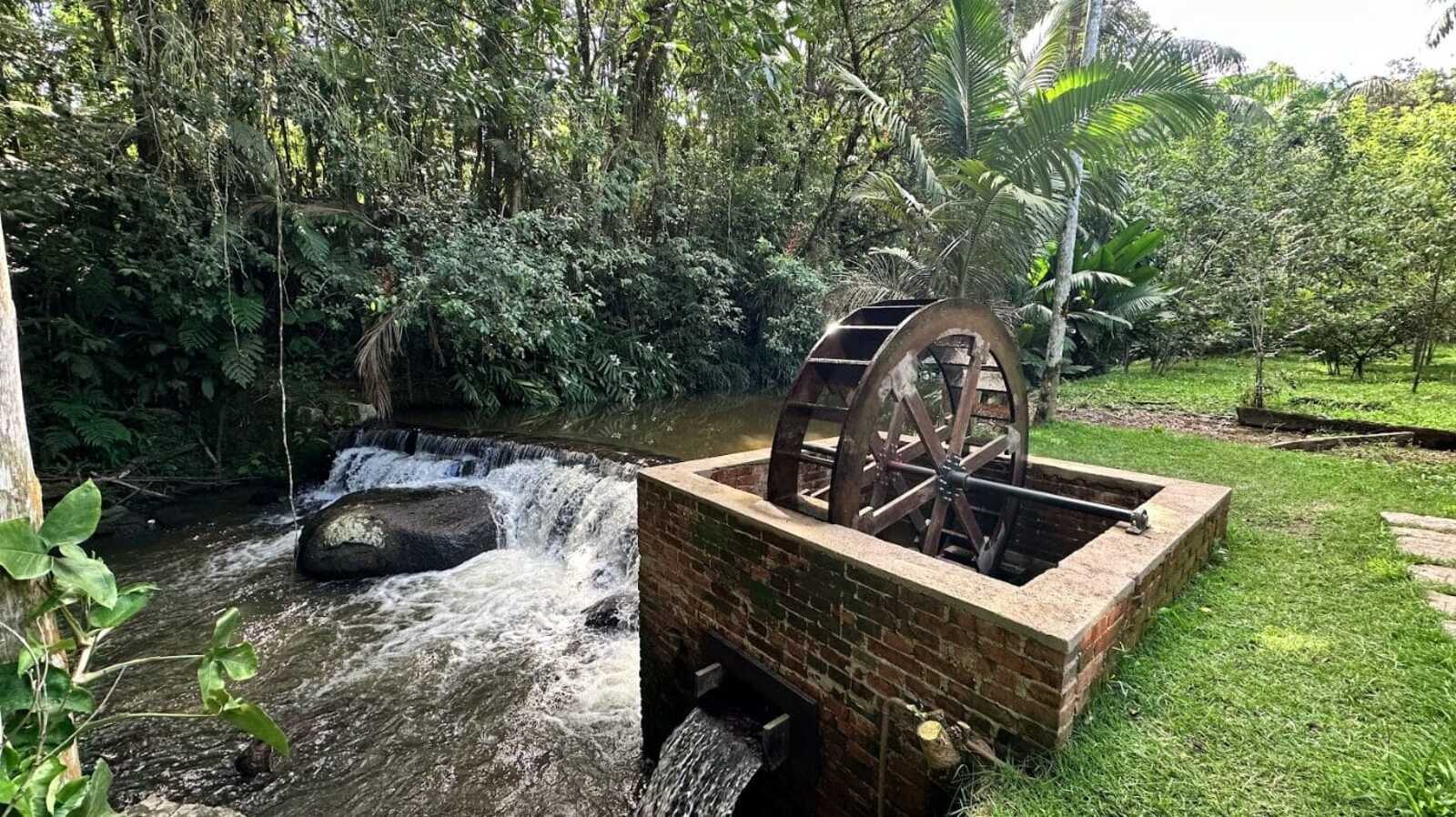
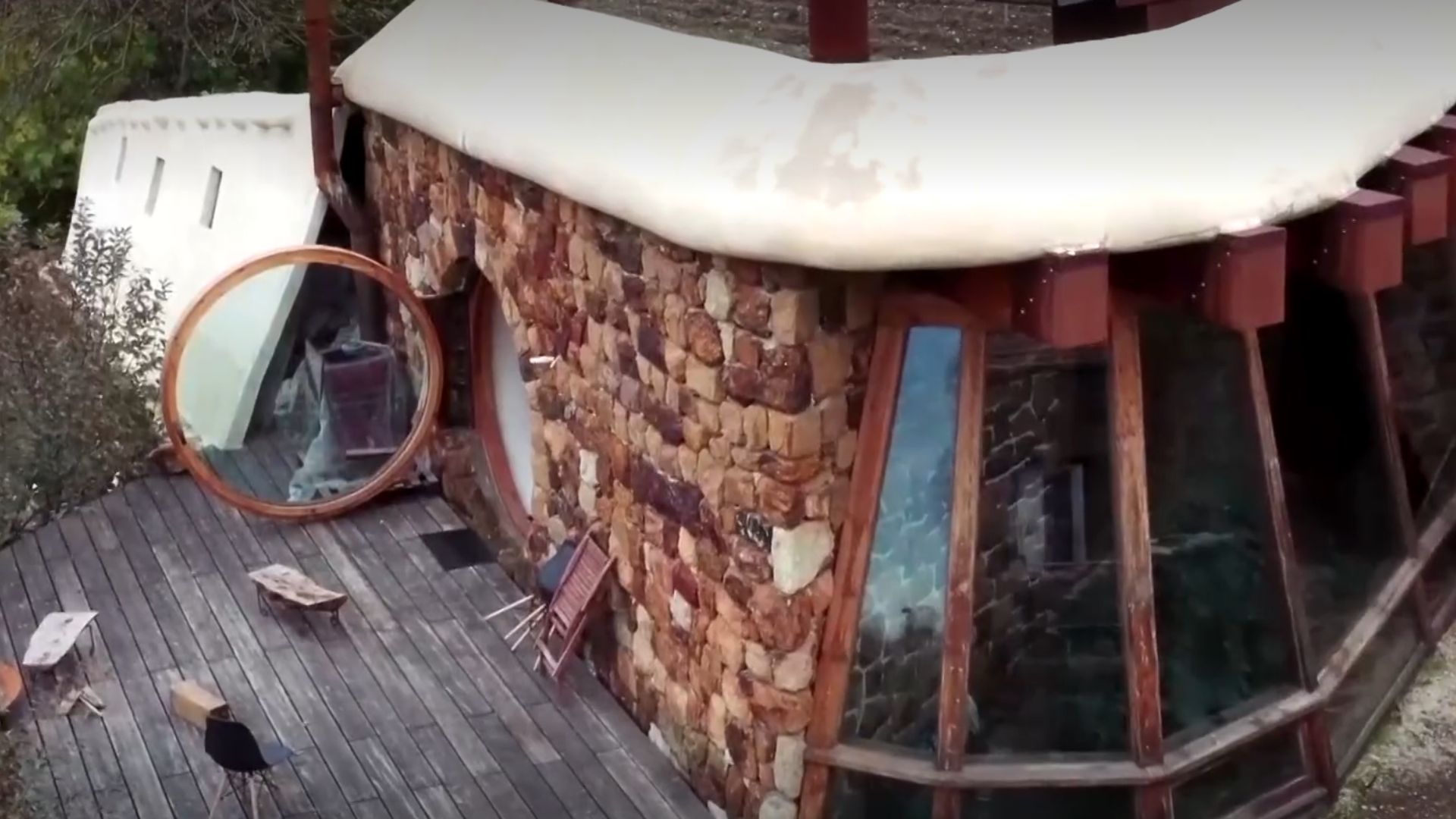
While restoring a historic mansion from 1910, a brick structure with an old turbine that generated energy from the Rio do Testo emerged, along with a hidden door and a rare floor concealed under layers of wax.
-
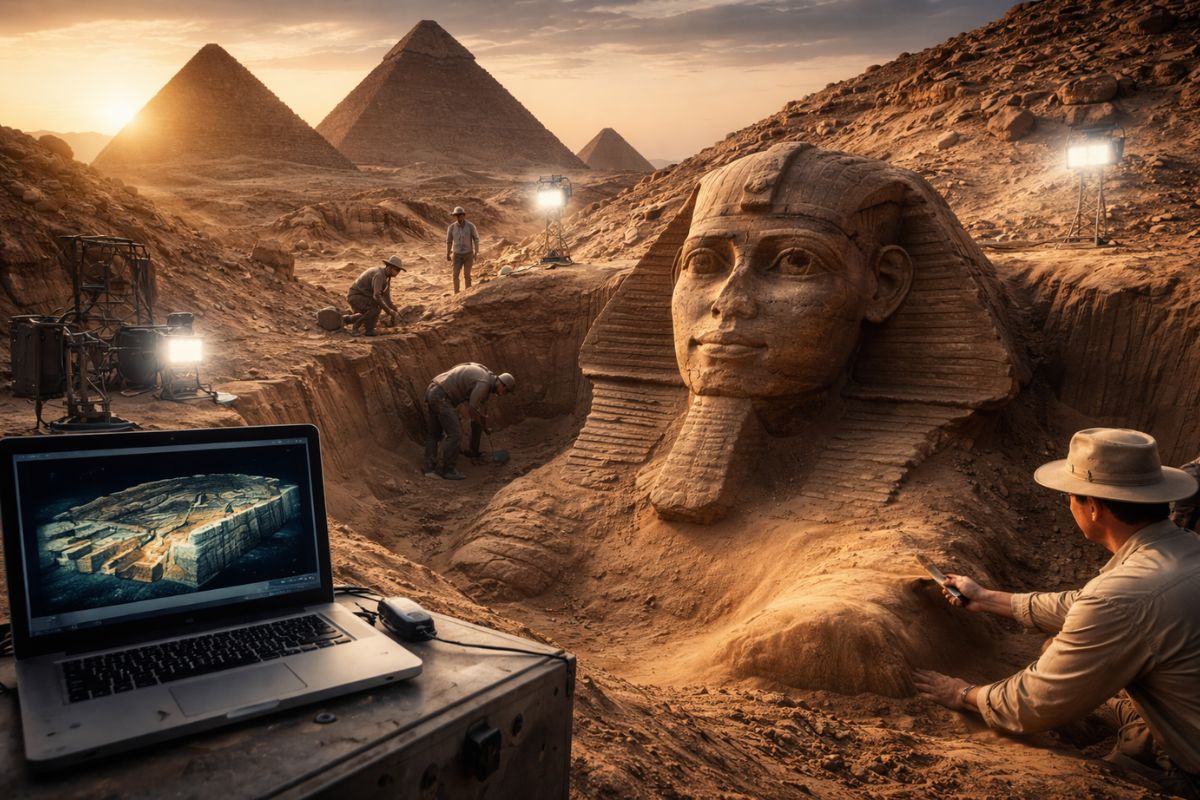
Italian researchers have detected what appears to be a second Sphinx buried under the sands of Egypt, and satellite scans reveal a gigantic underground megastructure hidden beneath the Giza Plateau for over 3,000 years.
-
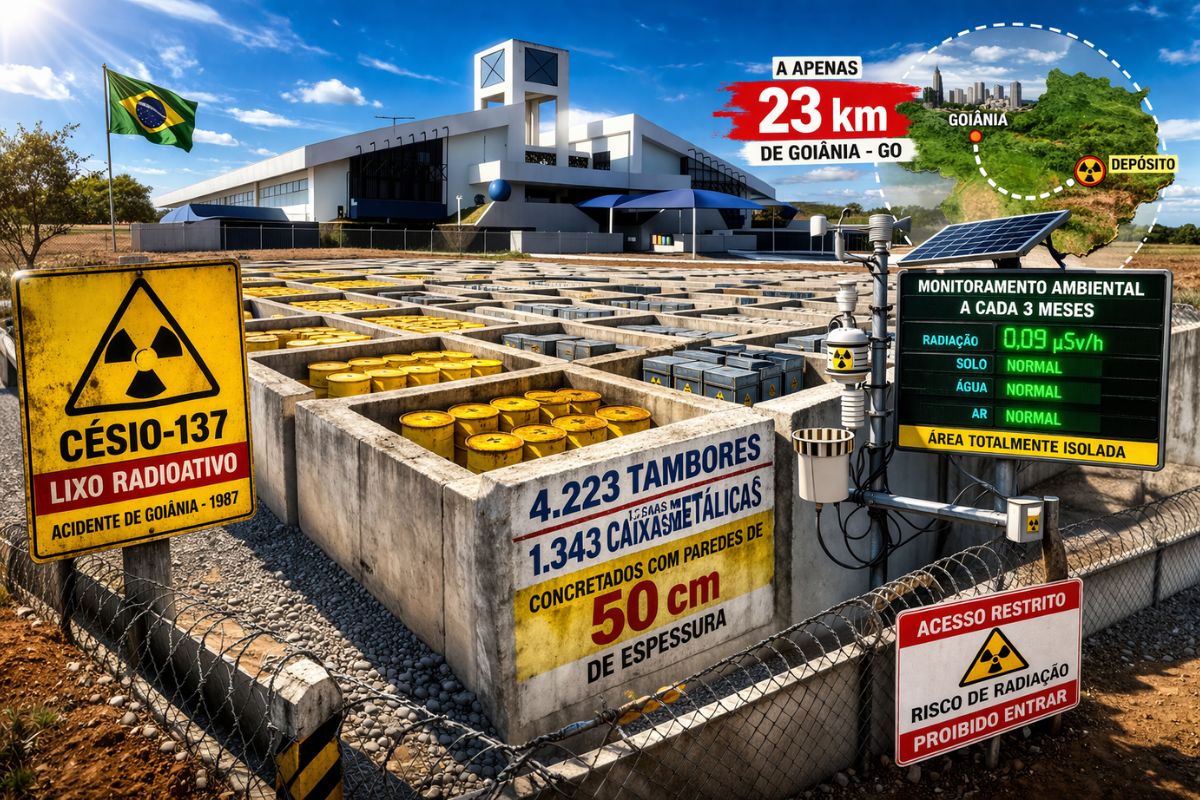
There are 4,223 drums and 1,343 metal boxes concreted with 50-centimeter walls that store the radioactive waste from Cesium-137 in the worst radiological accident in Brazil, just 23 kilometers from Goiânia, with environmental monitoring every three months.
-
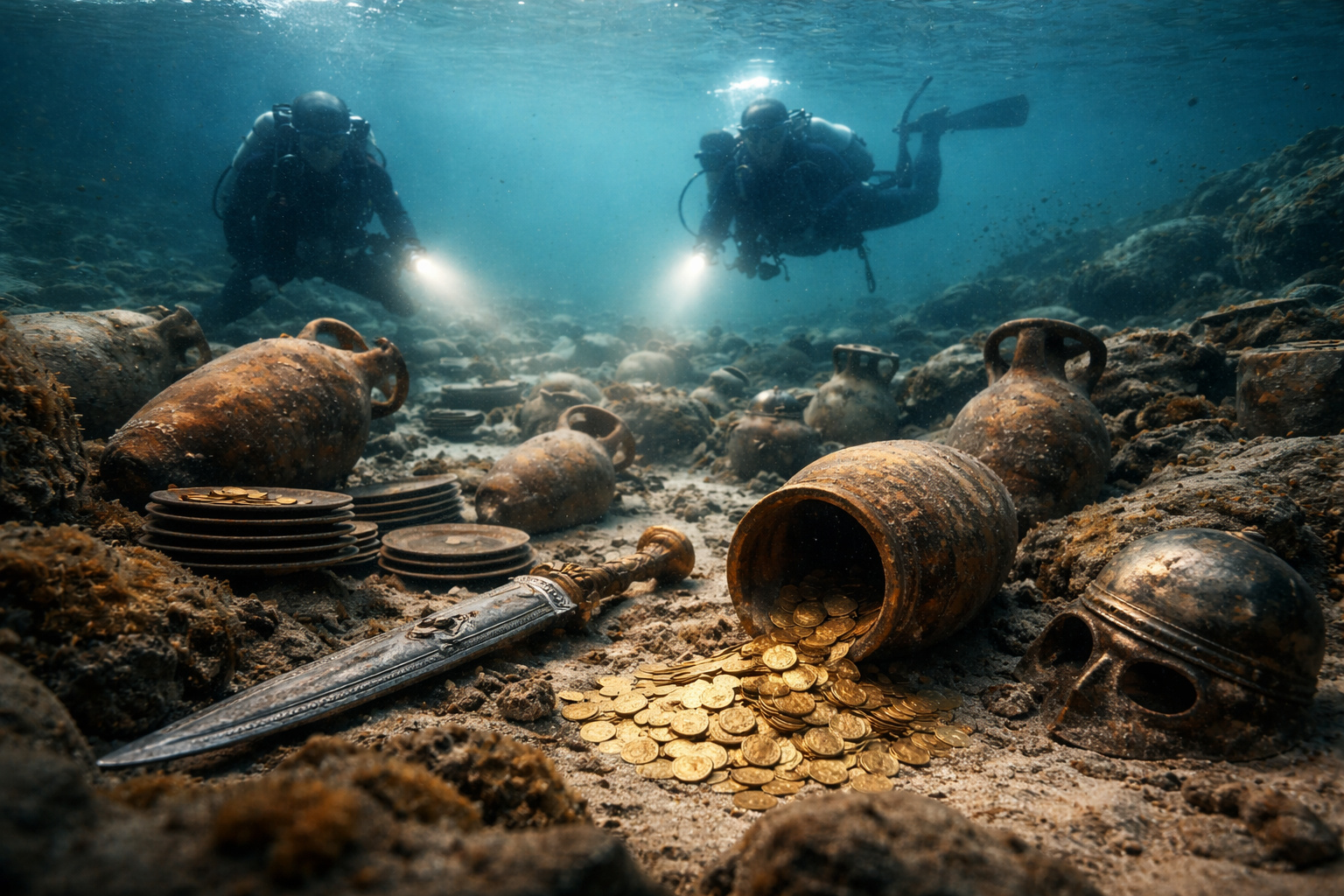
Giant Roman treasure found at the bottom of Lake Neuchâtel in Switzerland reveals an advanced trade system, circulation of goods, and armed escort in the Roman Empire about two thousand years ago.

The presence of the Port of Rio Grande and access to maritime routes boost the GDP and job availability, favoring those seeking formal employment and specialized services.
The city combines preserved historical heritage with outdoor leisure.
Praia do Cassino, known for its length, and rural tourism areas expand housing options in distinct neighborhoods, catering to families and professionals seeking cost-effectiveness.
Lajeado
In the Vale do Taquari, Lajeado stands out for its strong commerce, dynamic service sector, and relevant food park.
Consistent development indicators and urban planning favor mobility and orderly expansion.
The infrastructure includes a hotel network, varied gastronomy, and urban parks that enhance well-being.
Regionalized educational and healthcare offerings attract residents from neighboring municipalities and support a daily life with good public facilities.
Garibaldi
Italian colonization, multicultural influence, and national capital of sparkling wine.
In Garibaldi, the economy revolves around viticulture, tourism, and qualified services, creating an ecosystem of jobs linked to hospitality and the beverage industry.
Thematic routes, preserved historic center, and seasonal events strengthen the urban calendar.
Environmental quality and mountainous landscape make the city a balanced option for living with a good school network and active community life.
Gramado
A consolidated tourist destination, Gramado offers rare infrastructure in the countryside: extensive hotel network, recognized gastronomy, and a calendar of ongoing events.
This translates into high-standard jobs and services for residents.
With parks, museums, and cultural programming year-round, the city guarantees a well-maintained urban environment and high-quality street experience.
For those involved in tourism, events, creative economy, and services, the market is continuous and diverse.
Santa Cruz do Sul
A logistical and industrial hub in the central region, Santa Cruz do Sul combines productive diversity, large-scale events, and a strong German heritage.
The road network facilitates transportation and the flow of goods, sustaining jobs in various sectors.
The city offers a wide educational network and reference healthcare structure, in addition to squares and parks that enhance outdoor life.
The result is an organized daily life, with cultural offerings and competitive living costs.
Pelotas
With over 300,000 inhabitants, Pelotas holds regional significance in education, healthcare, commerce, and culture.
Universities, hospitals, and specialized services support a diverse job market, with opportunities for different professional profiles.
The architectural heritage and events like Fenadoce reinforce identity and tourism.
The combination of history, services, and active cultural life creates an urban environment conducive to families and students seeking a medium-sized city experience.
Bento Gonçalves
Symbol of Brazilian enotourism, Bento Gonçalves brings together a strong furniture industry, viticulture, and an articulated service chain.
The economic dynamism expands job opportunities in production, logistics, hospitality, and technical sales.
Wine routes, the Maria Fumaça, and gastronomy structure weekend leisure.
Urban quality, schools, and a private healthcare network form a complete package for those looking to live in the mountains with stable job availability.
Passo Fundo
The largest city in Northern gaucho, Passo Fundo is a medical and educational hub with regional impact.
High-complexity hospitals and universities attract professionals and students, supporting vigorous services and commerce.
Museums, parks, and a cultural agenda reinforce belonging.
Educational indicators above average and good road connections favor those needing to travel around the countryside without losing service capillarity.
Santa Maria
Known as a university city, Santa Maria combines a robust higher education network with military presence and specialized services.
Competitive living costs and a central location increase attractiveness for families and young people.
Railway historical heritage, parks, and an artistic agenda create an intense cultural life.
The availability of courses and competitions maintains a continuous flow of residents and ensures stable economic activity throughout the year.
Caxias do Sul
The second largest city in the state, Caxias do Sul is an industrial and university hub with a strong metalworking chain, as well as expanding enotourism.
The urban scale offers comprehensive services and opportunities for technical and management careers.
With green areas, wine routes, and a diversified business ecosystem, the municipality provides balance between employment, income, and leisure.
For those looking for a big city in the mountains with quality of life, it is a consistent choice.
How to Choose the Right City for Your Profile

Set objective priorities such as employment, mobility, school, and healthcare. Then, evaluate housing costs by neighborhood, commuting times, and access to parks and services.
Technical visits and conversations with residents help validate expectations and avoid hasty decisions.
By crossing professional opportunities with urban quality and family profile, you increase the chances of a sustainable move.
Financial planning and long-term analysis are decisive for turning desire into a right choice.
The gaucho countryside offers the best countryside cities with complementary profiles.
From ports and industrial hubs to mountainous destinations and university centers, there are solid alternatives for different life phases and careers. The final decision depends on your personal project and the fit between work, services, and lifestyle.
Which of these cities best matches your current moment and why? Share in the comments how you prioritize employment, school, safety, and leisure when choosing where to live.






Discordo totalmente é de Rio Grande, morei 12 anos lá. É uma cidade cheia de lixo nas ruas, mão de obra de serviços básicos tipo construção, reforma e etc, de baixa qualidade e caríssima, e a Cidade muito ****. Sta Maria tbm não colocaria nessa lista…as outras são ótimas mesmo!
Rio Grande? A cidade tá quebrada. Centro histórico vazio, quase não tem nada… Depois que quebraram o Polo Naval, a cidade está definhando. Talvez agora com a retomada das construções de plataformas petrolíferas a cidade volte a crescer. Realmente a cidade não é bonita e carece de muitas coisas para ficar melhor. Moro a 30 anos em Rio Grande e torço que a cidade cresça e ofereça bons serviços à comunidade local.
Faltou Nova Candelária
Esqueceram Putinga!