





 Portuguese
  English
  Spanish
  4 min of reading
  0 comments


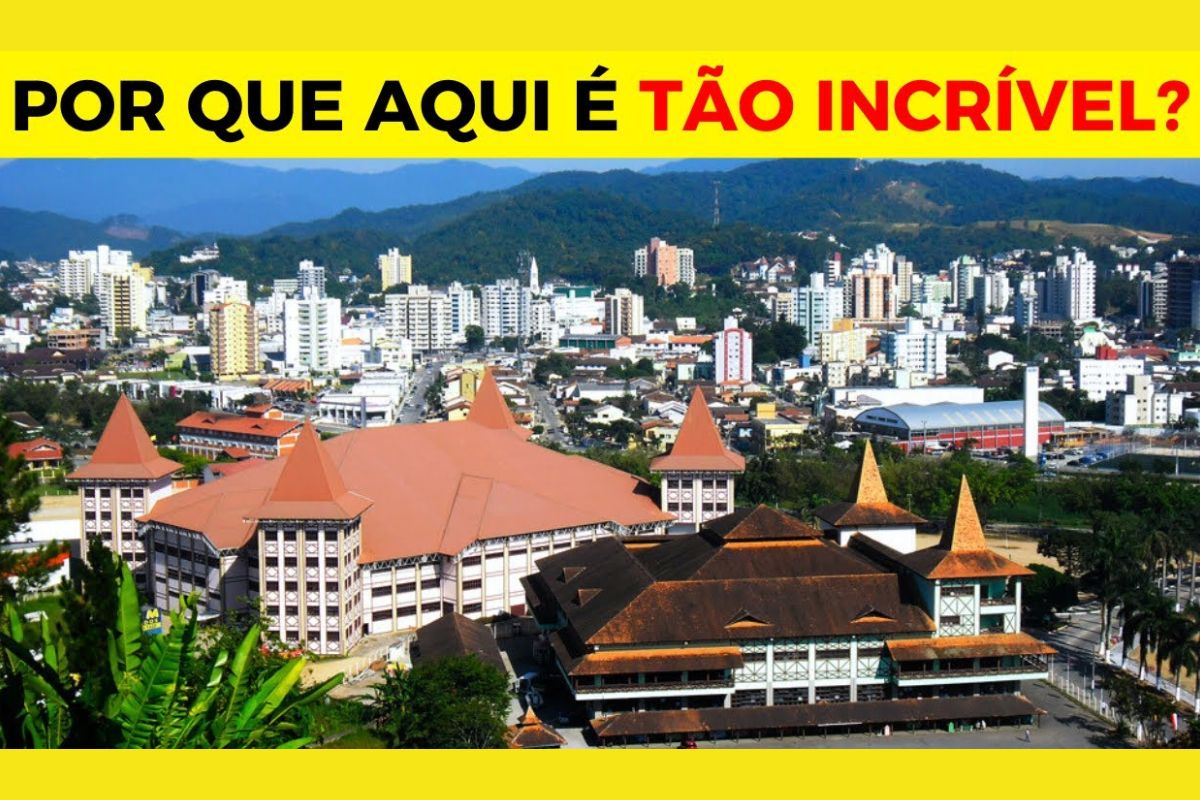
A Portrait of Brazilian Cities That Combine Dynamic Economy, Well-Rated Services, and Daily Sensation of Tranquility, with Consistent Results in Local Indicators
The brazilian cities highlighted here show, with data and local public results, that it is possible to align economic growth, a safe environment, and well-being in daily life. These are not sporadic exceptions, but planned urban trajectories, where management, the productive sector, and the community build routines of work, study, and leisure with good infrastructure and efficient services.
The set includes different regional and economic profiles, which reinforces the central point: there are brazilian cities that work. In common, they display clear vocations, organized service networks, and urban policies that support long-term investments. The result appears in job creation, neighborhood stability, and the perception of quality of life.
Why These Brazilian Cities Stand Out
The examples gathered demonstrate that urban planning, a diversified productive base, and reliable public services support lasting results.
-
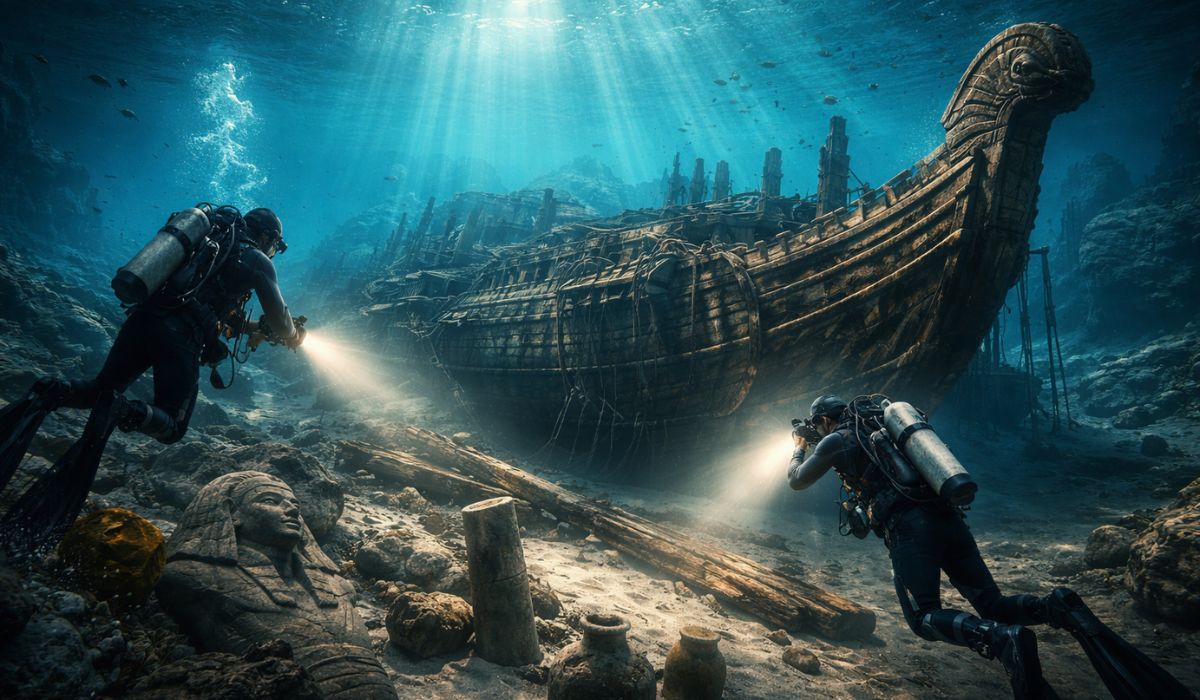
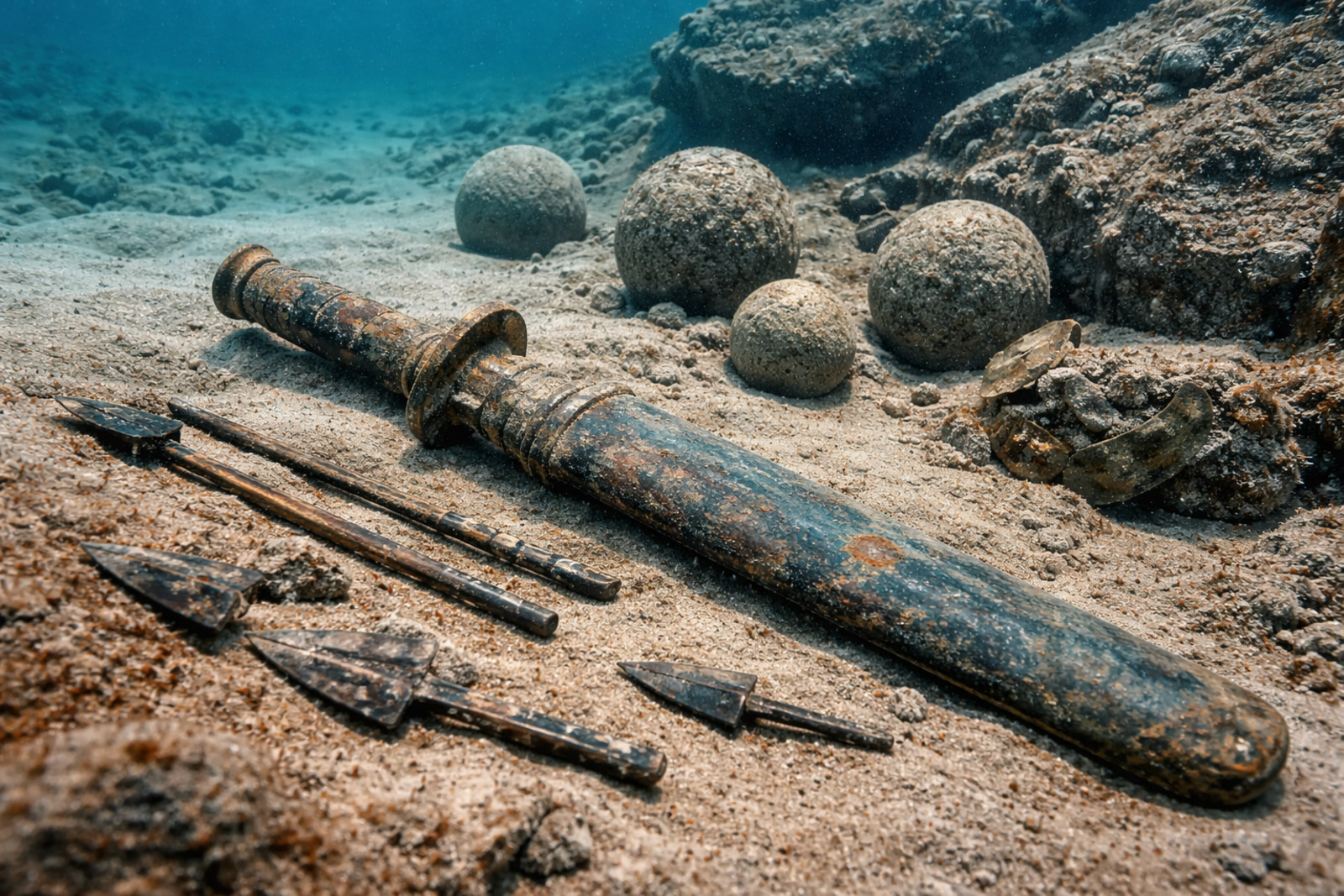
Archaeologists find a colossal 2,000-year-old vessel at the bottom of the sea near Alexandria linked to the elite of Egypt and reveal a pleasure barge from the last dynasty of the pharaohs that the sea has hidden for centuries.
-
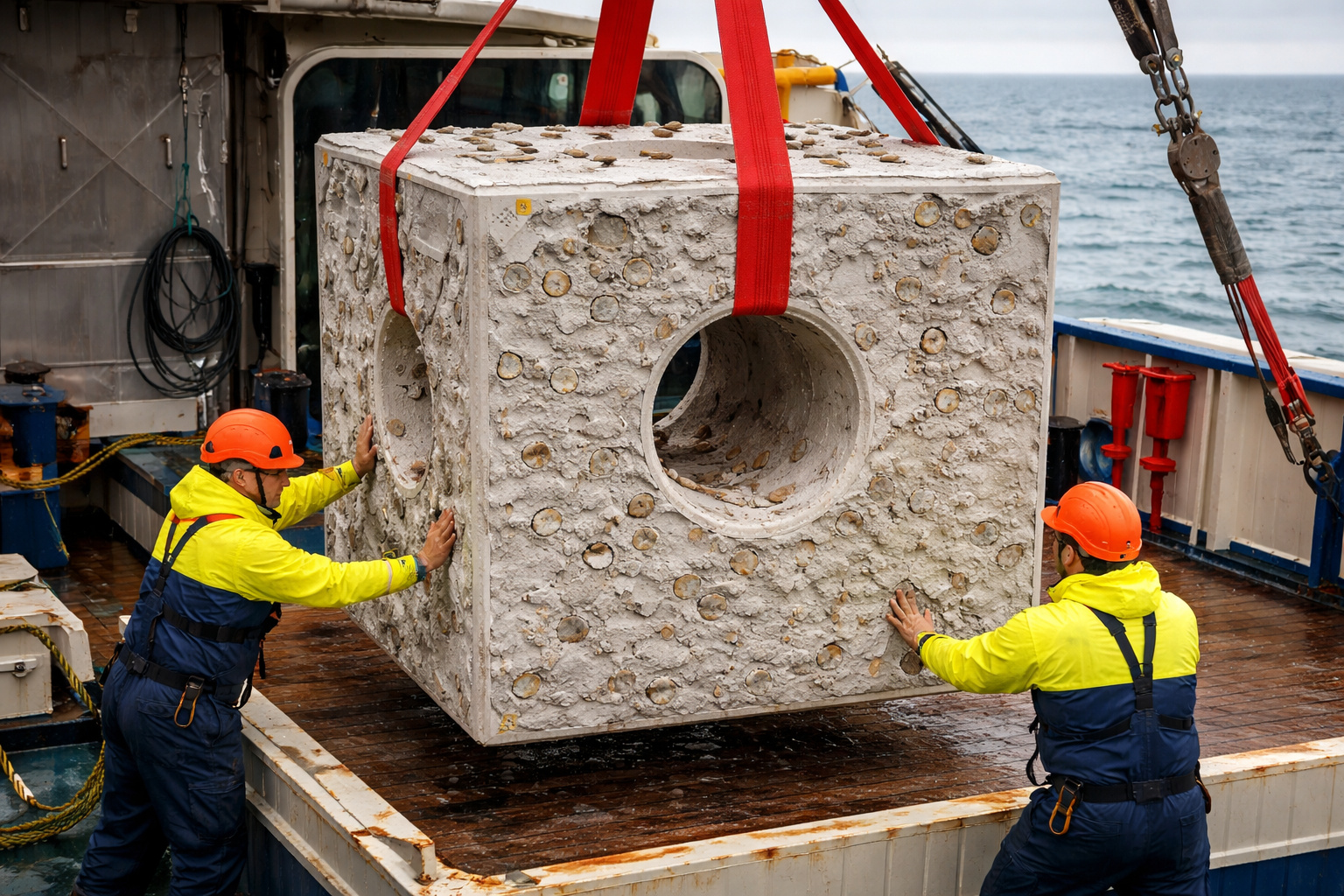
United Kingdom clears 40 tons of shells and concrete into the sea in an innovative project that promises to restore a marine ecosystem lost for over 200 years and improve water quality.
-
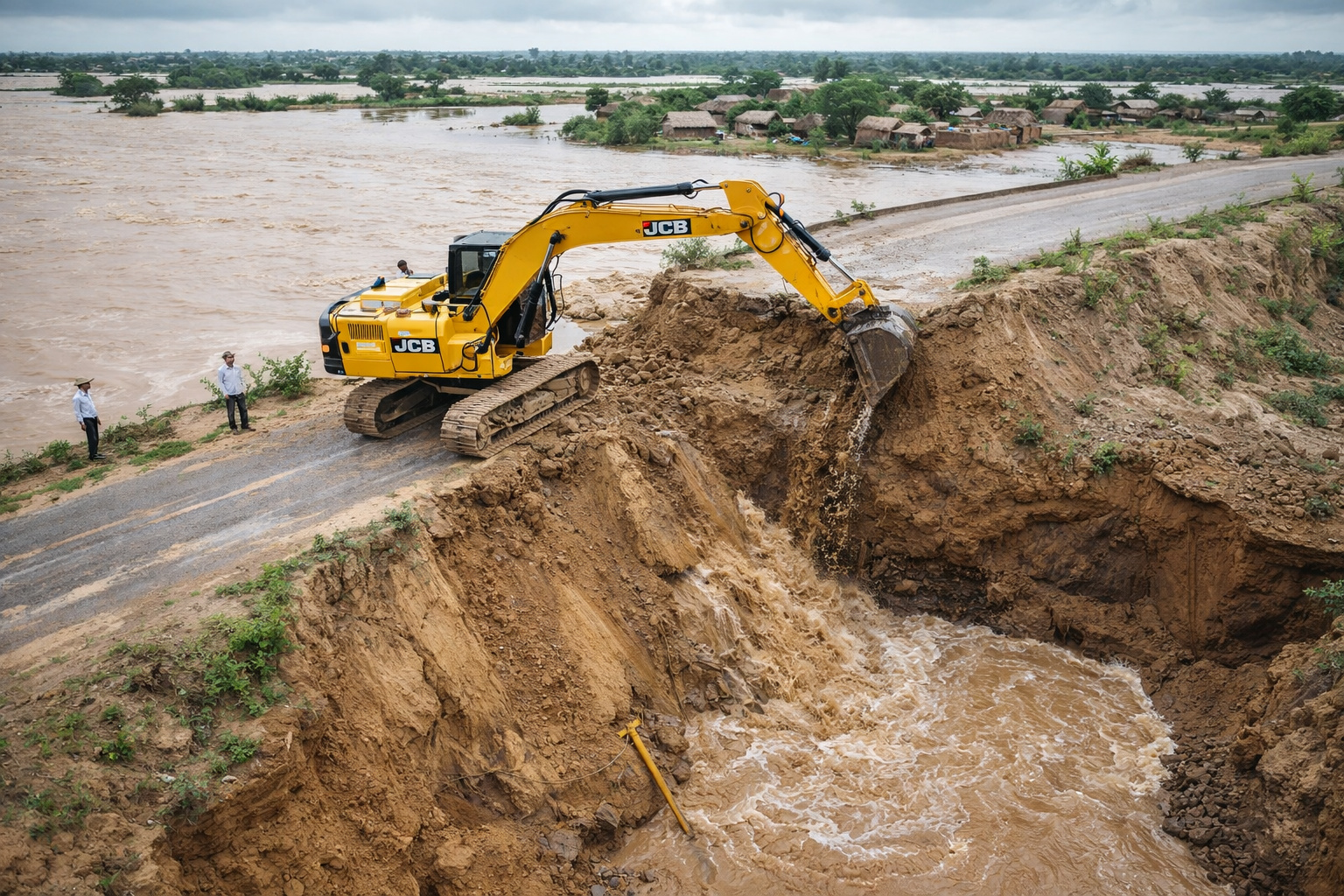
With emergency diversion to abandoned mining craters, engineers save villages from a devastating flood that was advancing through the desert and threatening to destroy entire communities in a matter of hours.
-
It seems simple, but it enriches: from R$ 500 to R$ 6,000 per piece and up to 10 days of handcrafted production, how is the couple from Praia Grande making a high income with hyper-realistic miniatures and turning a hobby into a money-making machine?


They are brazilian cities with recognized economic ecosystems, established education networks, and infrastructure that enables daily life without shocks.
Another recurring feature is the security associated with well-maintained territory. Lighting, road maintenance, community presence, and institutional coordination reduce conflicts and increase predictability for living, undertaking, and investing. This combination alone explains part of the attractiveness of each case.
Bento Gonçalves
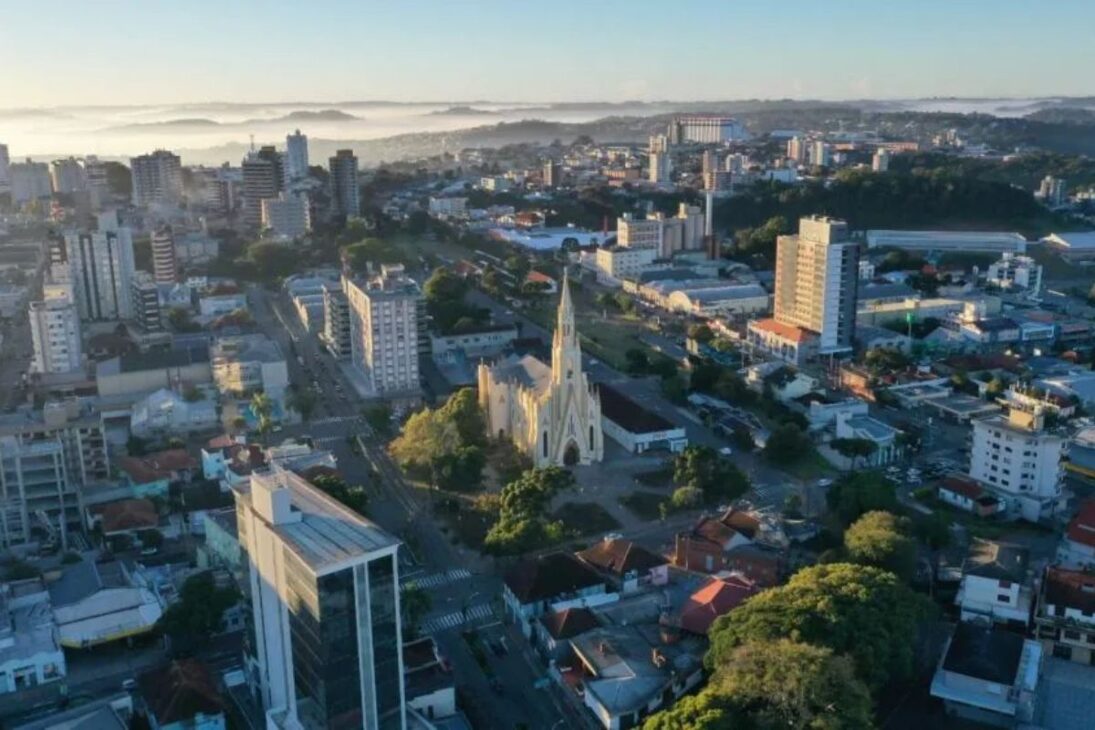
Bento Gonçalves illustrates how productive identity and urban services go hand in hand. The furniture hub supplies domestic and foreign markets, creating thousands of direct and indirect jobs and supporting design, finishing, and quality chains.
The wine industry strengthens tourism in the Vale dos Vinhedos, commerce, and services, generating income circulation and professional qualification.
In parallel, security, structured sanitation, and waste management reinforce the perception of everyday order that sets the city apart among the brazilian cities of medium size.
Pato Branco
Pato Branco has been building an expanding technological ecosystem, with hundreds of software companies and startups, supported by technical and higher education focused on engineering, IT, and automation. The job market benefits from skilled labor and applied projects.
In the urban dimension, cleaning, signage, organized traffic, and basic care coverage consistently appear. The combination of innovation with predictable public services helps explain why the municipality ranks among the brazilian cities with the best living and working environment.
Jaraguá do Sul
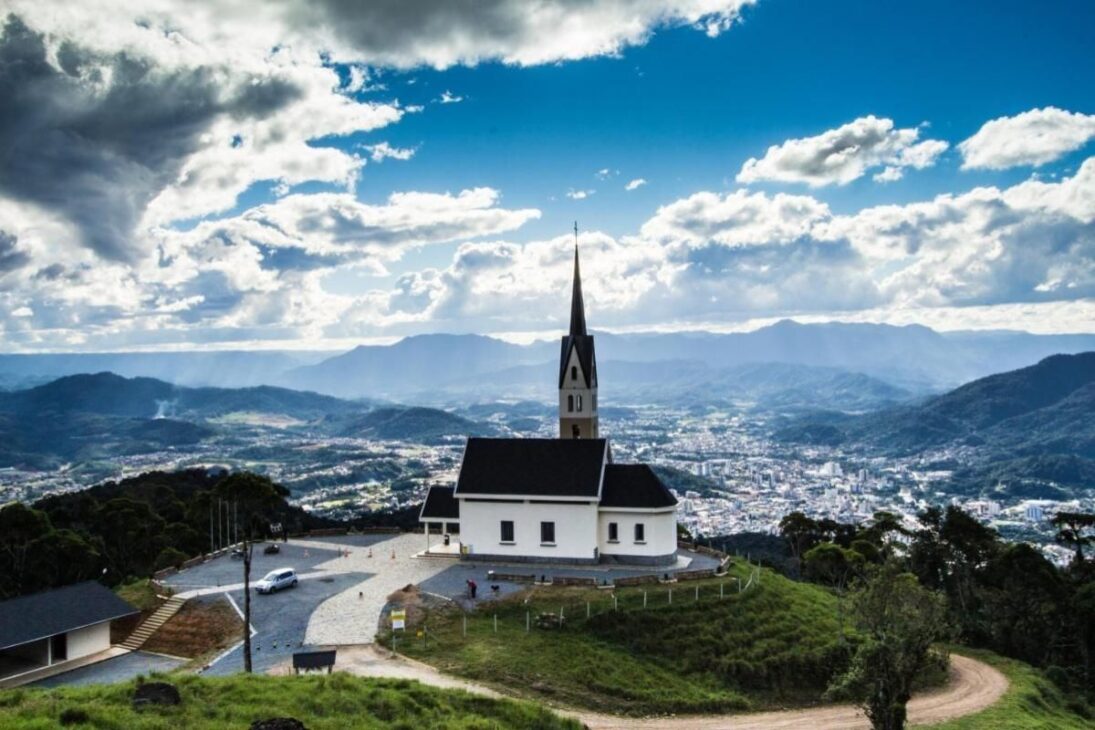
Jaraguá do Sul harmonizes robust industrial base with safety indicators above the national average, reflecting integration between the public power and the community. The manufacturing sector accounts for a significant portion of the municipal GDP and anchors skilled jobs.
The performance in education, health, and infrastructure reinforces a quality of life standard in line with the best-rated brazilian cities.
Investments in connectivity and smart solutions show a continuous agenda of innovation and sustainability.
Brusque
Brusque combines textile tradition with diversification into metallurgy, plastics, and technology, sustaining income and opportunities.
The economic result adds to efficient public services, well-maintained streets, and planning that facilitates mobility and access to green spaces.
In terms of security, records indicate rates lower than state and national averages, with case resolution capacity that increases local trust.
This scenario places Brusque among the brazilian cities that associate economic progress with a safe routine.
Lucas do Rio Verde
Lucas do Rio Verde is a didactic case of accelerated population growth associated with high-value-added agribusiness. The city organizes basic education with good results and continuously invests in urban infrastructure, creating an attractive environment for living and working.
The connection between the countryside, industry, and services forms a virtuous cycle of employment and income. Among the brazilian cities in the Midwest, the municipality has become a reference in planning and qualifying the territory to receive new investments.
Maringá
Maringá was conceived as a <strong.garden city, and the project remains visible in wide avenues, greenery, and distributed parks.
The tripod of commerce, services, and agribusiness sustains the economy, while education and health maintain high service standards.
Stable public security, combined with urban cleanliness and conservation of public spaces, reinforces the quality of life.
Among the brazilian cities, Maringá stands out for combining economic dynamism with natural environments that invite socializing and sports activities.


The six examples show that brazilian cities with clear vocation, consistent management, and reliable service networks produce cumulative gains: employment, everyday security, and well-being. When infrastructure, education, and productive base converse, the result appears in the streets, businesses, and families.
Which of these brazilian cities do you think has the best balance between work, security, and leisure for living today?






-

Uma pessoa reagiu a isso.