





 Portuguese
  English
  Spanish
  3 min of reading
  0 comments


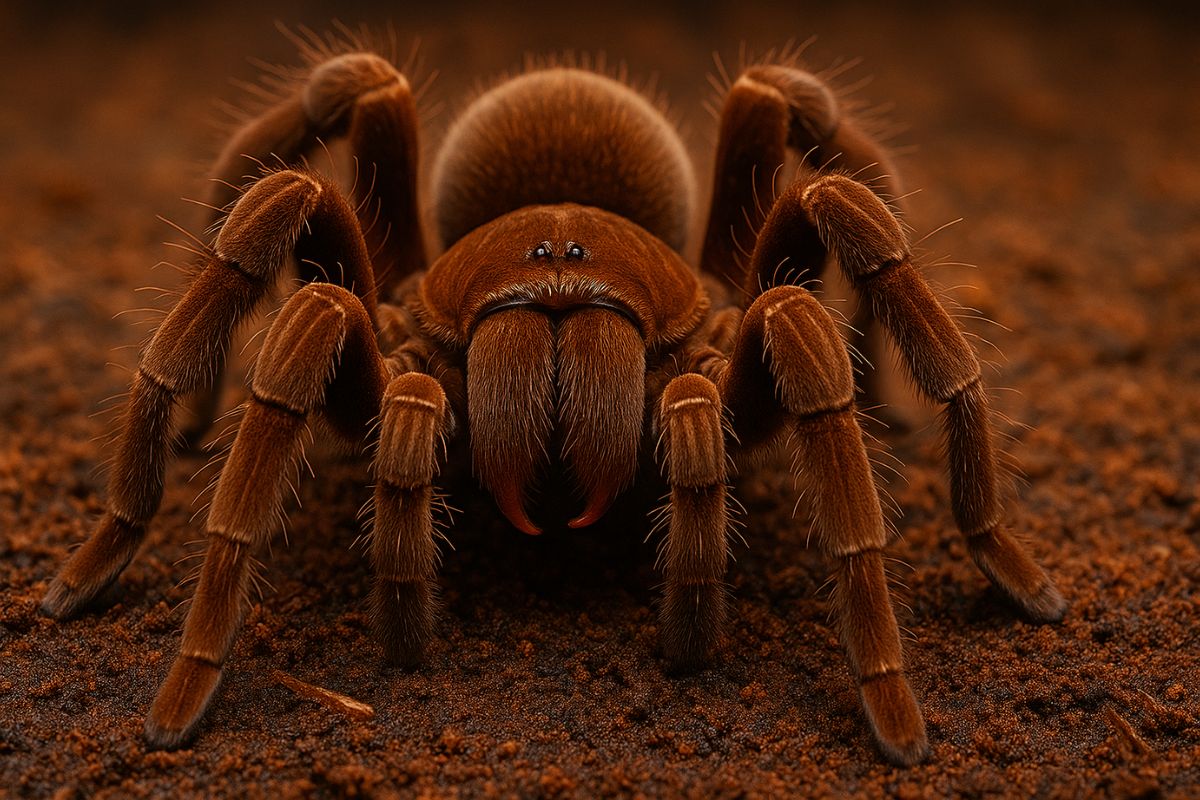
With Legs Up to 30 cm, the Largest Spiders in the World Impress by Size and Their Ecological Role
The largest spiders in the world evoke both fascination and fear. They inhabit rainforests, caves, and deserts, and some can be the size of a plate. Each of them has habits, defense mechanisms, and surprising characteristics.
In this overview, you will discover which are the most gigantic spiders on the planet, where they live, and why they do not pose a real threat to humans, according to data confirmed by the Encyclopedia of Life (EOL) and the Smithsonian Museum.
1. Theraphosa blondi (Goliath Bird-eating Spider)
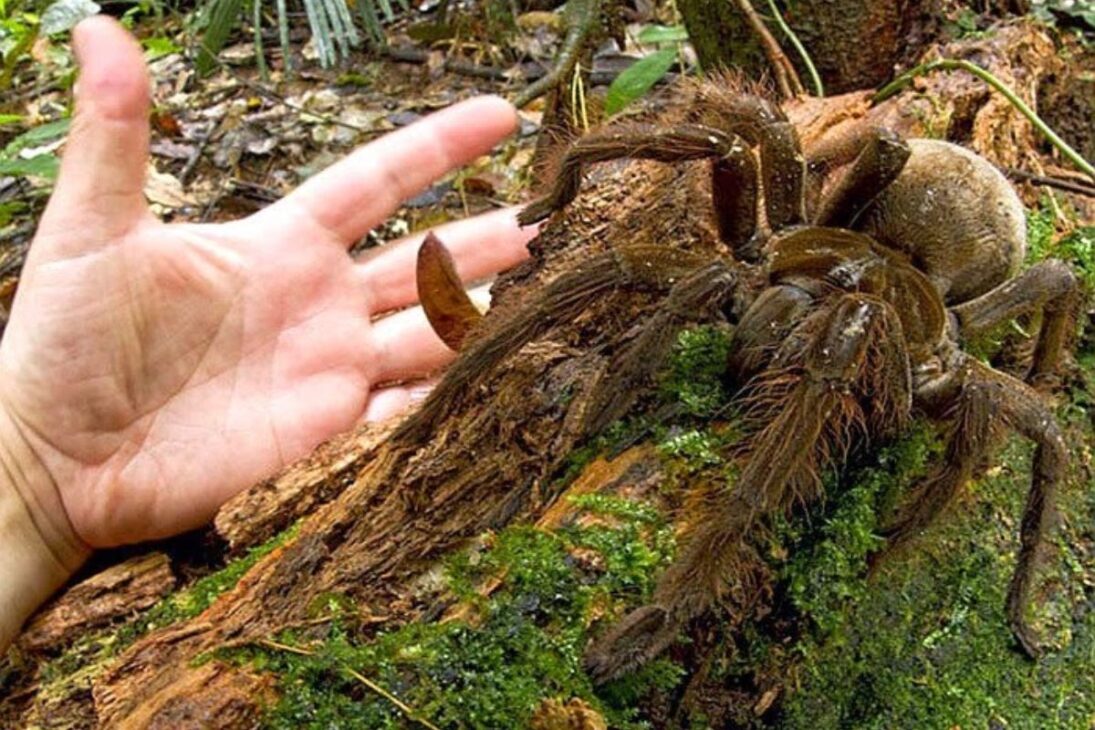
Habitat: Amazon (Brazil, Guyana, Venezuela)
Size: up to 30 cm in wingspan
Weight: up to 175 g
-
For decades, a 50-kilometer ring structure in the middle of the Sahara has puzzled scientists: visible from space, it reveals layers of millions of years and turns the desert in Africa into a geological mystery.

-
With an unusual prize, Japan transforms office chairs into a resistance race on the streets, the ISU-1 Grand Prix grows, fills events, and pays 90 kilograms of rice.

-
With a façade that resembles a giant zipper, the building in Milan creates a sense of strangeness, featuring lighting that transforms engineering and attracts the attention of residents and tourists.

-
The Brazilian city has 319 crooked buildings built on sandy soil without proper deep foundations, houses the largest beach garden in the world, with over 5 km, and is still considered the birthplace of surfing — meet Santos, in São Paulo.
It is considered the largest spider in the world by weight and wingspan. Its name comes from a historical engraving that depicted it devouring a hummingbird, although this is rare. It feeds on insects, rodents, and frogs, and has urticating hairs that it launches at threats. It only attacks humans in self-defense.
2. Heteropoda maxima (Giant Huntsman Spider)
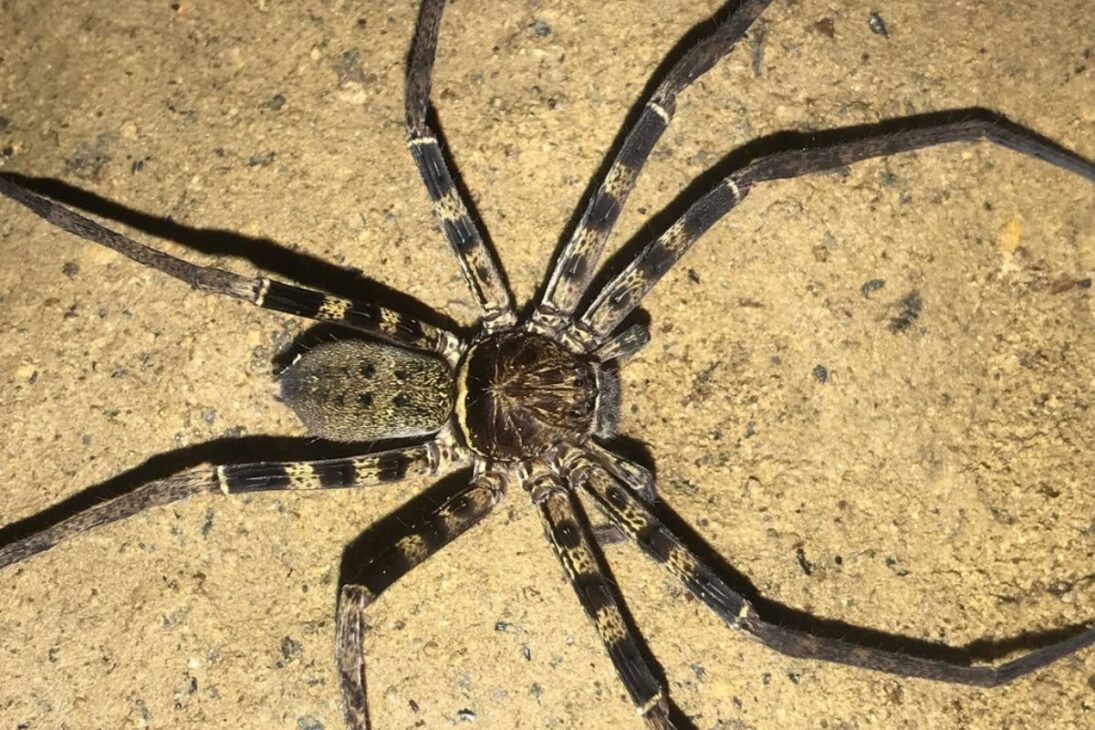
Habitat: Laos and Vietnam
Size: up to 30 cm in wingspan
Weight: lighter than Theraphosa
Despite its size, this spider has a smaller body and extremely long legs. It does not build webs: it actively hunts with speed and precision. It has an intimidating appearance but is considered harmless.
3. Lasiodora parahybana (Pink Salmon Bird-eater)
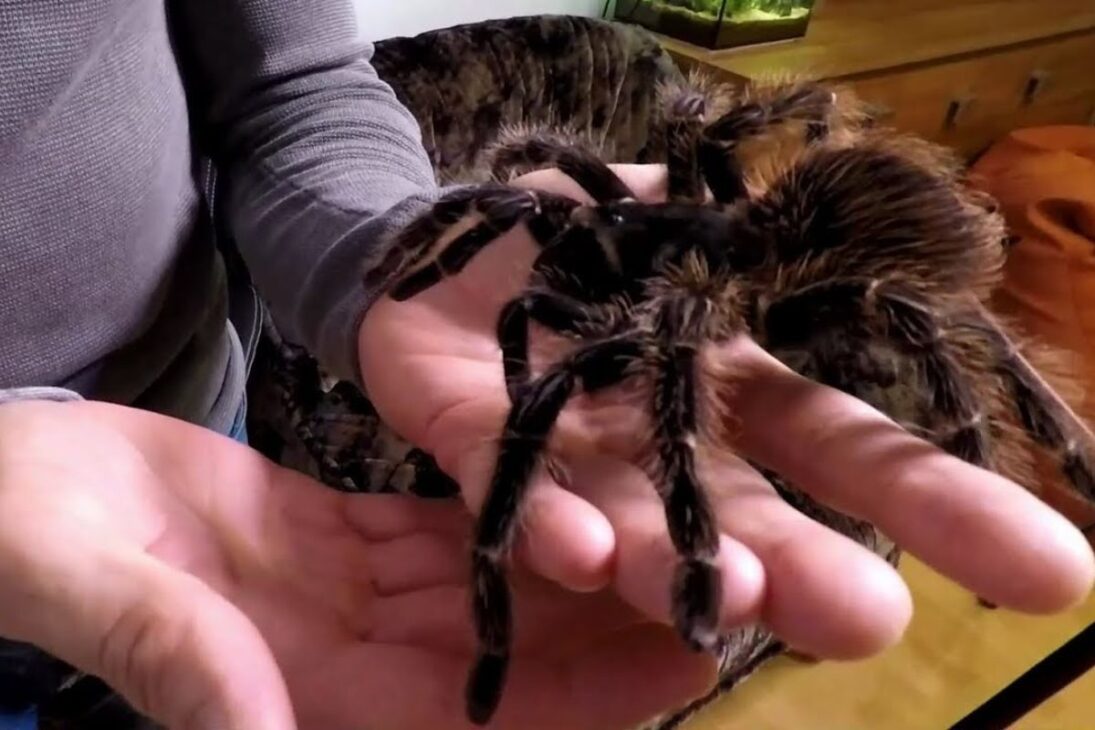
Habitat: Atlantic Forest (Brazil)
Size: up to 25 cm in wingspan
Weight: up to 100 g
It is one of the largest spiders in Brazil. It has a pink coloration and a calmer behavior. It usually feeds on crickets, beetles, and small vertebrates. Despite its size, it is not aggressive toward humans.
4. Pterinochilus murinus (Orange Baboon Spider)
Habitat: East and Central Africa
Size: up to 15 cm in wingspan
Behavior: extremely aggressive
Known for its vibrant color and explosive reactions, this spider does not hesitate to attack when threatened. Its bite is painful, but rarely dangerous. It is highly valued by experienced breeders.
5. Poecilotheria rajaei (Giant Sri Lankan Spider)
Habitat: Forests of Sri Lanka
Size: up to 20 cm in wingspan
It lives in holes or hollow trunks and is active at night. It has a gray color with black markings, feeds on insects and small lizards. It is discreet and reclusive, and rarely seen by humans.
A Force in Nature, Not a Danger
Despite their size, the largest spiders in the world are not villains. According to the Smithsonian, their role in ecosystems is essential: they control populations of insects and small animals and help maintain the balance of biodiversity.
These hairy giants show that nature always surprises, even in forms that many prefer to avoid.
Would you have the courage to encounter one of these spiders in the middle of the forest?






-

-

2 pessoas reagiram a isso.