





 Portuguese
  English
  Spanish
  5 min of reading
  1 comment


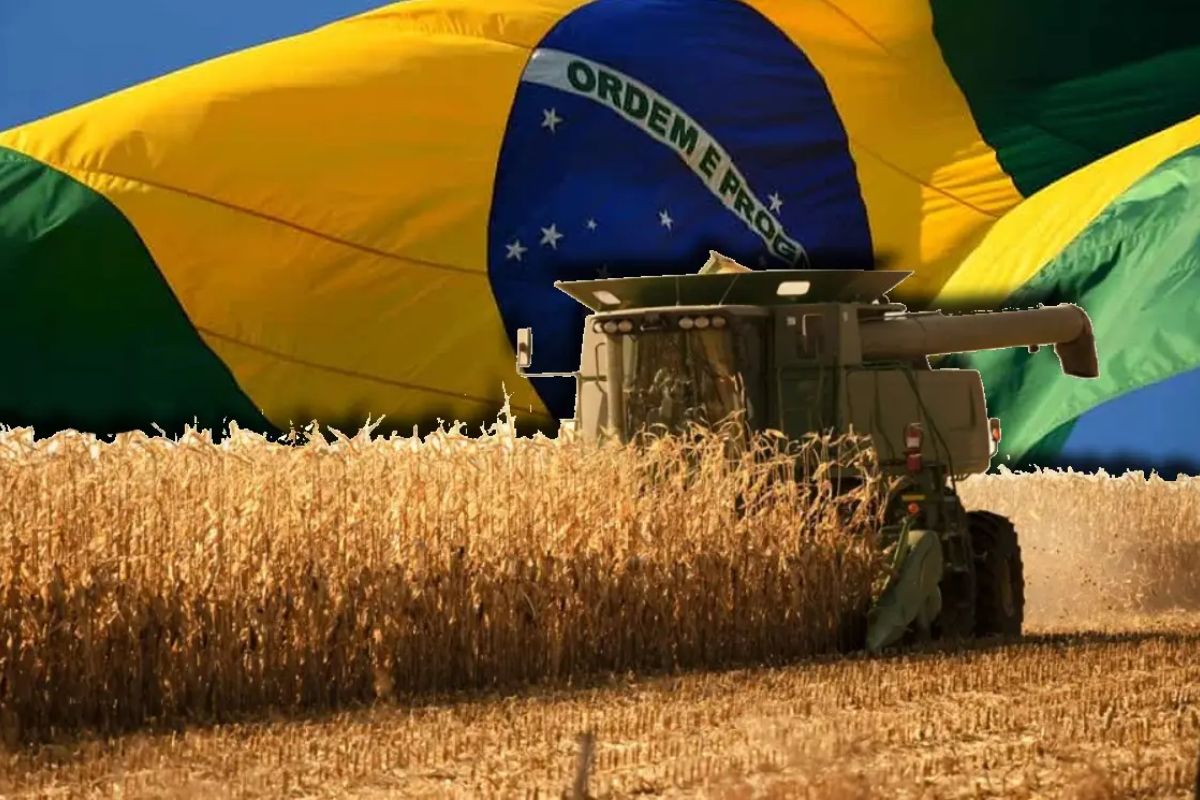

Forbes Updated Its Agro100 List, Showing the Largest Agro Companies Based on 2023 Revenues. See Who Leads the Vital Brazilian Agribusiness.
The Brazilian agribusiness continues to be a crucial engine of the national economy. A new Forbes Agro100 list, based on the net revenues of 2023 and 2022, reveals the largest agro companies in Brazil. This data, published in January 2025, showcases the strength and magnitude of operations in the country.
Discover the new top 10 of the largest agro companies in Brazil. We will analyze who these giants are, their sectors of activity, and the revenues that place them in positions of national prominence.
The New Leaders Among the Largest Agro Companies
The agribusiness in Brazil demonstrates resilience and a fundamental role in food and bioenergy production. The Forbes Agro100 ranking highlights the companies and cooperatives with remarkable performance, reflecting the dynamics of a market influenced by commodities, technology, and global demand. The performance of these companies is a thermometer of the economic health of the sector and the country.
-
Unable to pass through Hormuz, Brazil activated a plan B that uses Turkey as a gateway to the Middle East: the route through Gibraltar and the Mediterranean is longer and more expensive but ensures that chicken, beef, and corn continue to reach Arab markets.

-
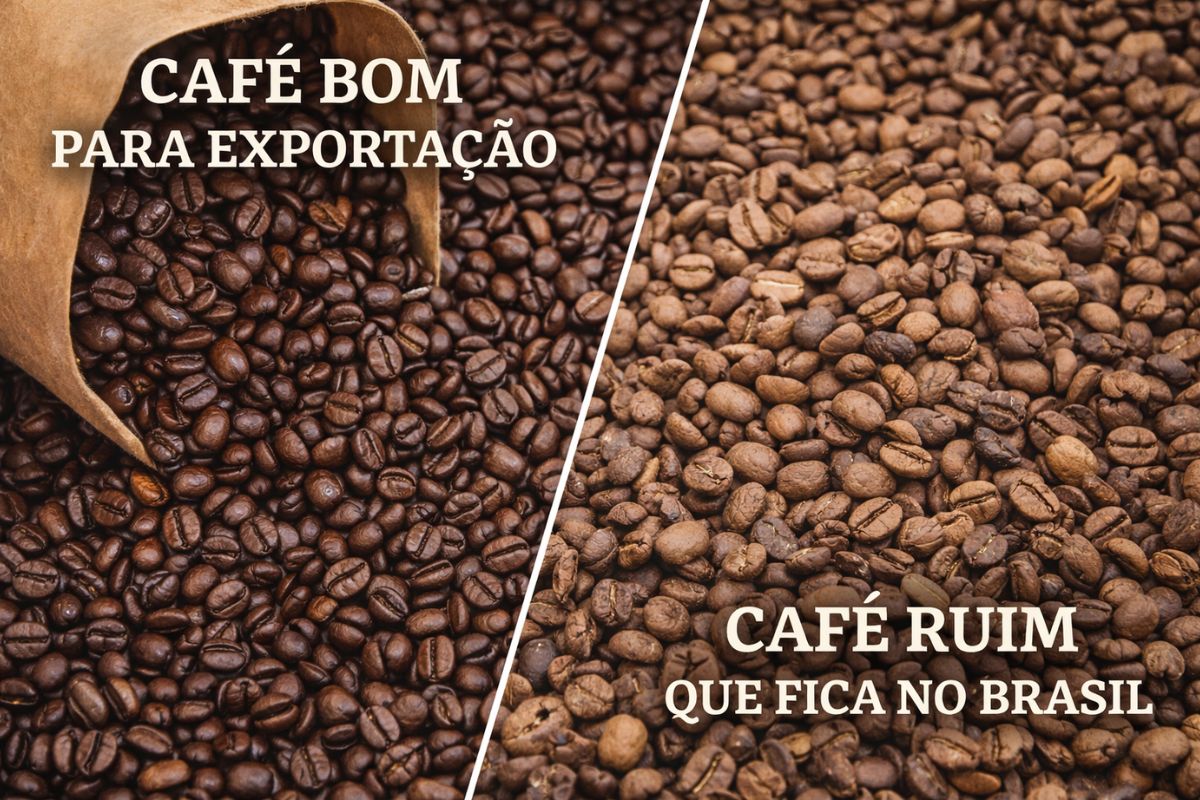
You grew up hearing that the good coffee from Brazil goes all abroad and the bad coffee stays for Brazilians, but this story has completely changed, and the numbers show that in the 1980s, thirty percent of the coffee sold here was adulterated with corn and barley.
-
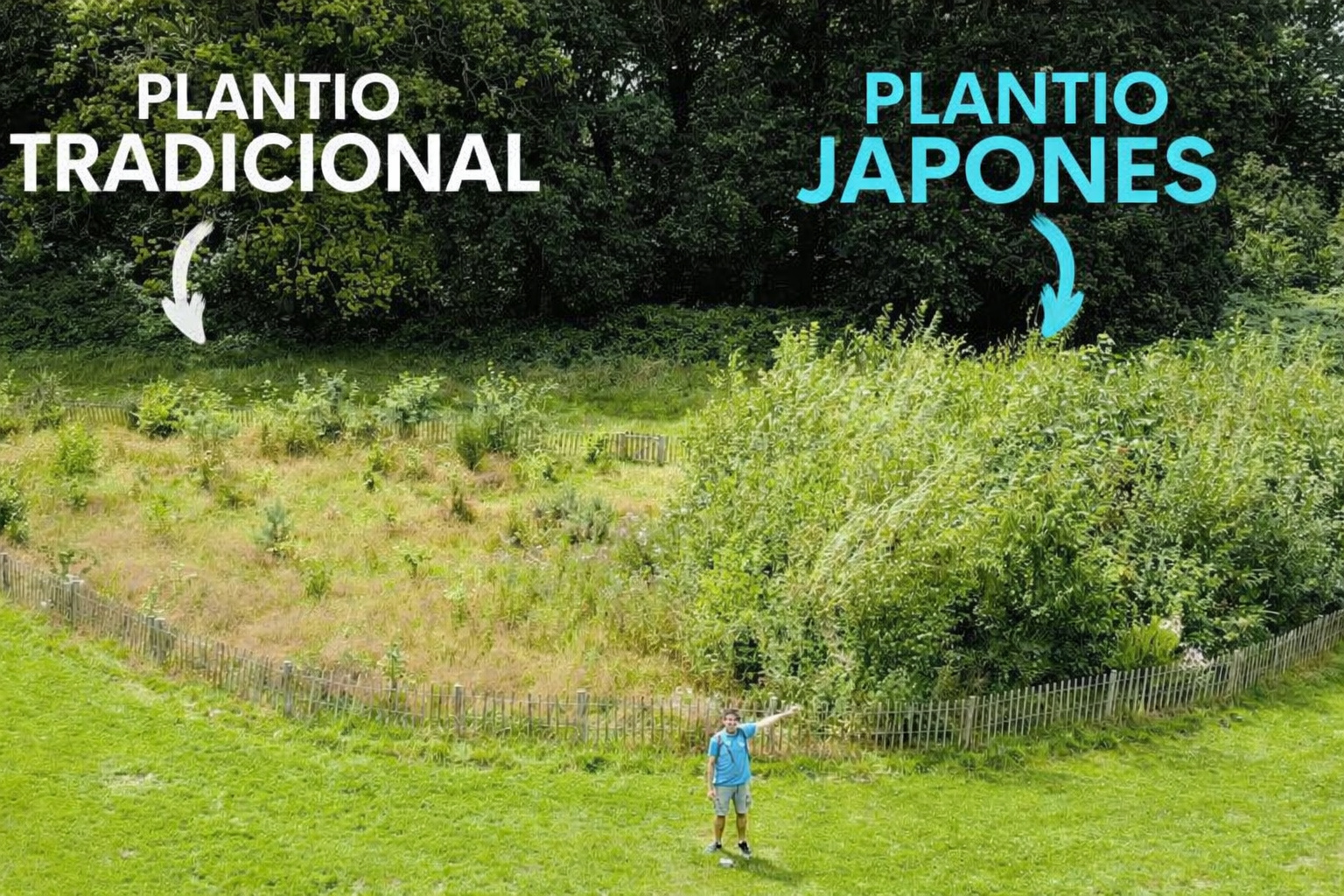
Engineer creates reforestation method that transforms small plots into dense forests in a few years using local biomass and can reduce environmental recovery costs.
-
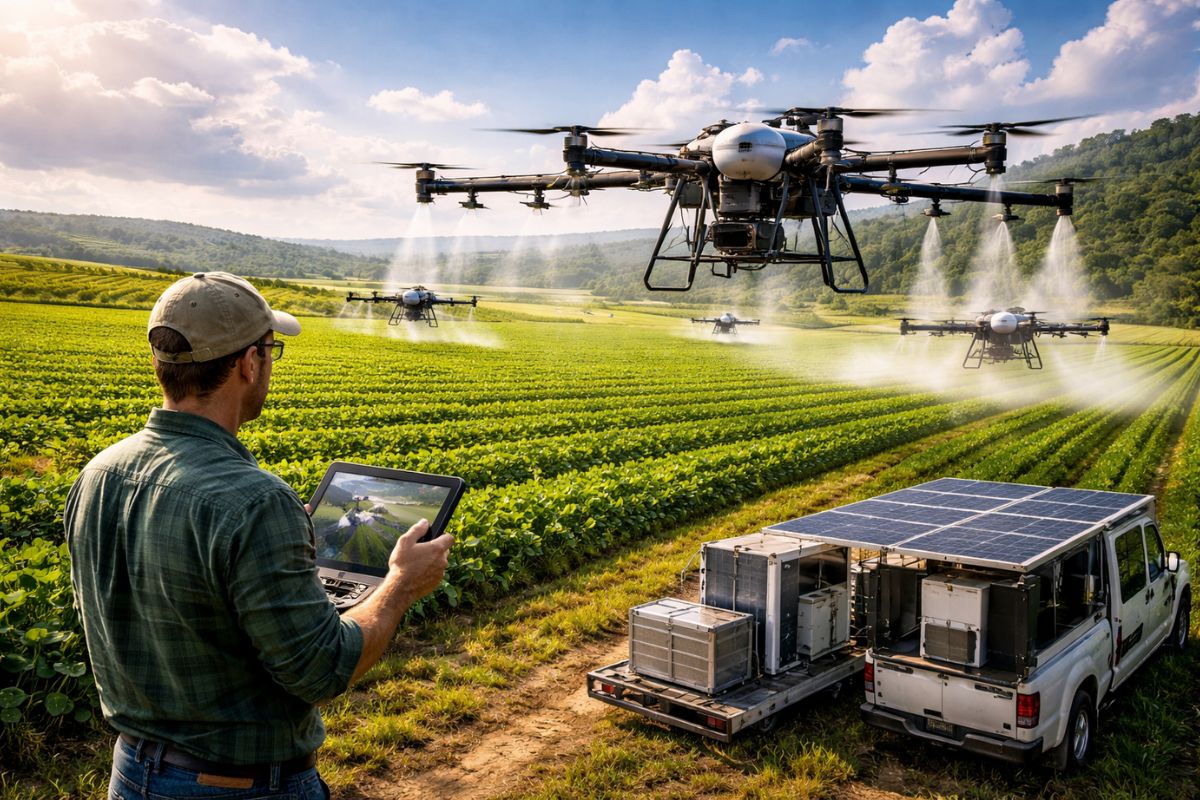
Alone, the producer applies 7,400 hectares with the T100 drone in an optimized structure, replaces the generator with a silent battery, and demonstrates how technology reduces costs, increases productivity, and even challenges the uniport in the field.

Knowing the largest agro companies allows for a better understanding of the forces that shape this vital segment. Their strategies, investments, and results have a direct impact on the production chain, job generation, and Brazil’s trade balance.
Based on the Forbes Agro100 survey (January 2025, considering 2023 revenues), the new ranking of the ten largest agro companies in Brazil is as follows:
1. JBS
JBS consolidates its absolute leadership in the ranking of the largest agro companies, operating in the animal protein sector. The company reported a net revenue of R$ 363.82 billion, according to the data for 2023.
Founded in 1953 in Anápolis, Goiás, JBS has expanded its operations globally but maintains an extremely significant production and revenue base in Brazil. Its financial performance positions it as the main reference in the country’s animal protein segment.
2. Marfrig Global Foods
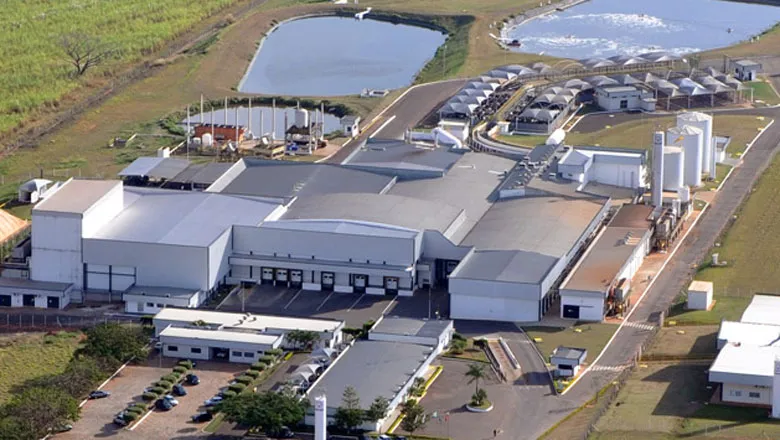
Marfrig Global Foods secured the second position among the largest agro companies, also with a strong presence in the animal protein sector. Its net revenue reached R$ 136.49 billion during the period analyzed by Forbes.
Founded in 2000 in São Paulo (SP), Marfrig is led by the main executive Rui Mendonça Júnior. The company has demonstrated consistent growth, strengthening its presence in the competitive meat market.
3. Cargill
Taking third place, Cargill stands out in the food and beverage sector within Brazilian agribusiness. The multinational recorded a revenue of R$ 126.4 billion in its operations in the country.
Of American origin, founded in 1865, Cargill began its activities in Brazil in 1965. Under the leadership of main executive Paulo Sousa, the company maintains a broad and diverse presence in the national market.
4. Bunge Alimentos
Bunge Alimentos ranks fourth in the list, reinforcing its importance in the food and beverage sector. The company achieved a revenue of R$ 81.7 billion, according to the Forbes Agro100 list.
Founded in 1818 in Amsterdam, Netherlands, Bunge has been present in Brazil since 1905. The company’s main executive in the country is Julio Garros, managing the operations of this traditional grain processor and food producer.
5. Ambev
Ambev, known mainly for its beverages, is in fifth place among the largest agro companies, operating in the food and beverage sector. The company reported a revenue of R$ 79.74 billion.
Ambev’s strong connection to agribusiness is evident in its sourcing of essential raw materials for its production. Its investments in the agricultural chain are a fundamental part of its operation in Brazil.
6. Raízen Energia
In sixth place, Raízen Energia stands out as one of the largest agro companies in the bioenergy segment. The company achieved a net revenue of R$ 78.45 billion.
Resulting from a joint venture, Raízen plays a crucial role in the production of ethanol, sugar, and bioenergy from sugarcane. Its financial performance underscores the importance of the sugar-energy sector for national agribusiness.
7. Copersucar
Copersucar occupies the seventh position, consolidating its strength in the bioenergy sector. The cooperative, founded in 1959 in São Paulo, reported a revenue of R$ 54.08 billion.
In addition to its traditional leadership in the production and commercialization of sugar and ethanol, Copersucar recently announced its expansion into the free energy market. This move included acquiring 50% of NewCom, signaling new growth directions.
8. BRF
BRF, one of the giants in the animal protein sector, is in eighth place in the ranking. The company reached a revenue of R$ 53.62 billion, demonstrating its continued relevance in the market.
Recognized by popular brands, BRF has an extensive production chain and a significant share in supplying food for both the domestic market and export.
9. Grupo Amaggi
Grupo Amaggi is one of the newcomers in the top 10 of the largest agro companies, ranking ninth. Operating in the food and beverage sector, the company reported a revenue of R$ 44.87 billion.
The inclusion of Grupo Amaggi among the leaders highlights the dynamism of Brazilian agribusiness. Its performance reflects the capacity for growth and consolidation of companies with a strong base in agricultural production and commercialization.
10. Louis Dreyfus Company (LDC)
Closing the list of the ten largest agro companies, Louis Dreyfus Company (LDC) Brazil occupies the tenth position. In the trading sector, LDC achieved a revenue of R$ 42.87 billion.
Of French origin, founded in 1851, LDC has been operating in Brazil since 1942. Under the leadership of main executive Michel Roy, the company plays an important role in the marketing and export of Brazilian agricultural commodities.
The Dynamics of the Largest Agro Companies and the Future of the Sector in Brazil
The new Forbes Agro100 ranking reaffirms the importance of the animal protein, food and beverage, and bioenergy sectors in Brazil. The presence of companies with a long tradition alongside expanding groups demonstrates the vitality and constant transformation of national agribusiness.
Understanding the performance and strategies of these largest agro companies is critical for analyzing the trends in one of the pillars of the Brazilian economy. Innovation, sustainability, and the ability to respond to global market demands will continue to be decisive for the success of these leaders.









I really like reading through a post that can make men and women think. Also, thank you for allowing me to comment!