





 Portuguese
  English
  Spanish
  2 min of reading
  0 comments



Gold Mining Is Nevada’s Hidden Treasure. The State’s Mines, Operated by Companies Like Kinross Gold Corporation, Are Responsible for Billion-Dollar Production. Discover How Advanced Technology and Hard Work Transform Mountains Into Bars of Pure Gold.
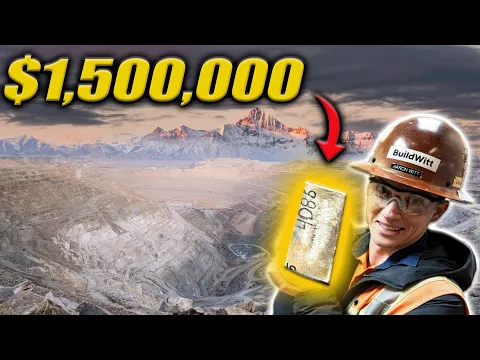
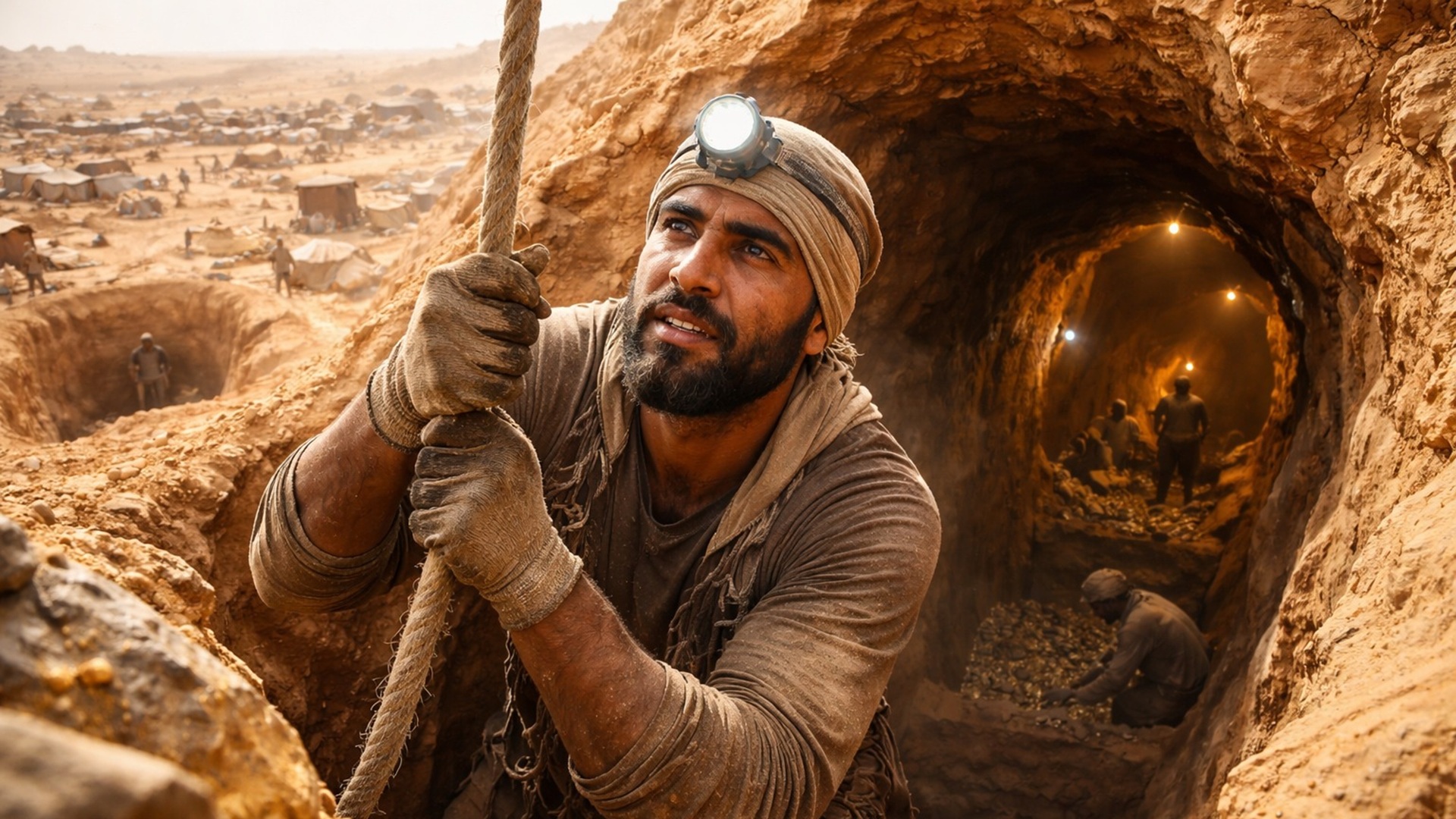
The mountains of Nevada hold more than alien mysteries. They are rich in gold mining. At Kinross’s Round Mountain mine, the entire gold extraction process is a combination of high technology and hard work.
Gold extraction begins with drilling the rocks in specific patterns, preparing the ground for blasting. The holes, about 35 to 40 feet deep, are filled with explosives, ready for detonation.
Gold Mining to Transport: Loading and Crushing

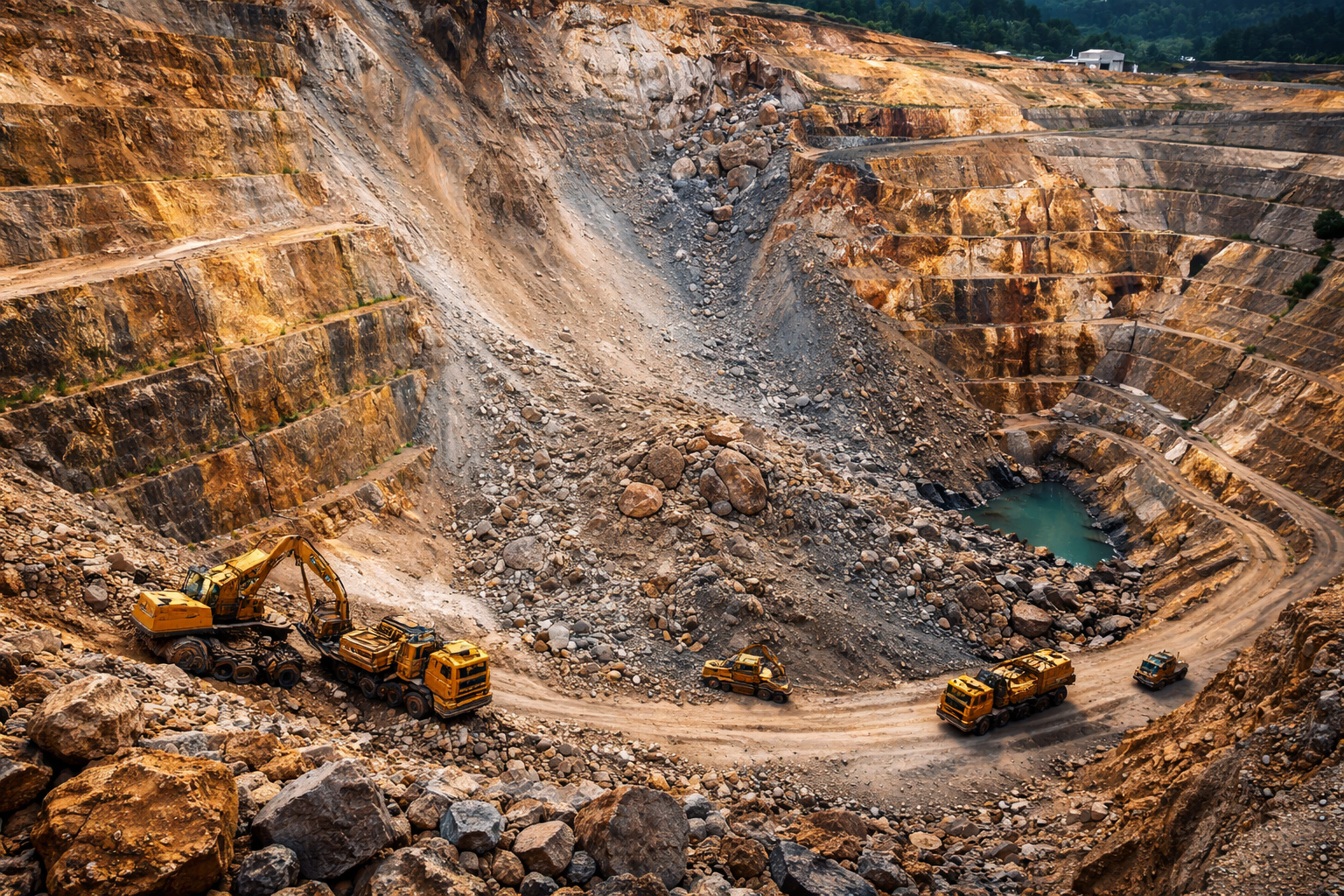
After the explosion, large excavators load trucks with up to 250 tons of material. This ore is taken to giant crushers, where the gold begins to be separated from the rocks.
-
Brazil extracts 26.3 million tons of ore from what was previously treated as waste, transforming residues into wealth, producing over 3 million tons of sand, and demonstrating how national mining is relearning to generate value.

-
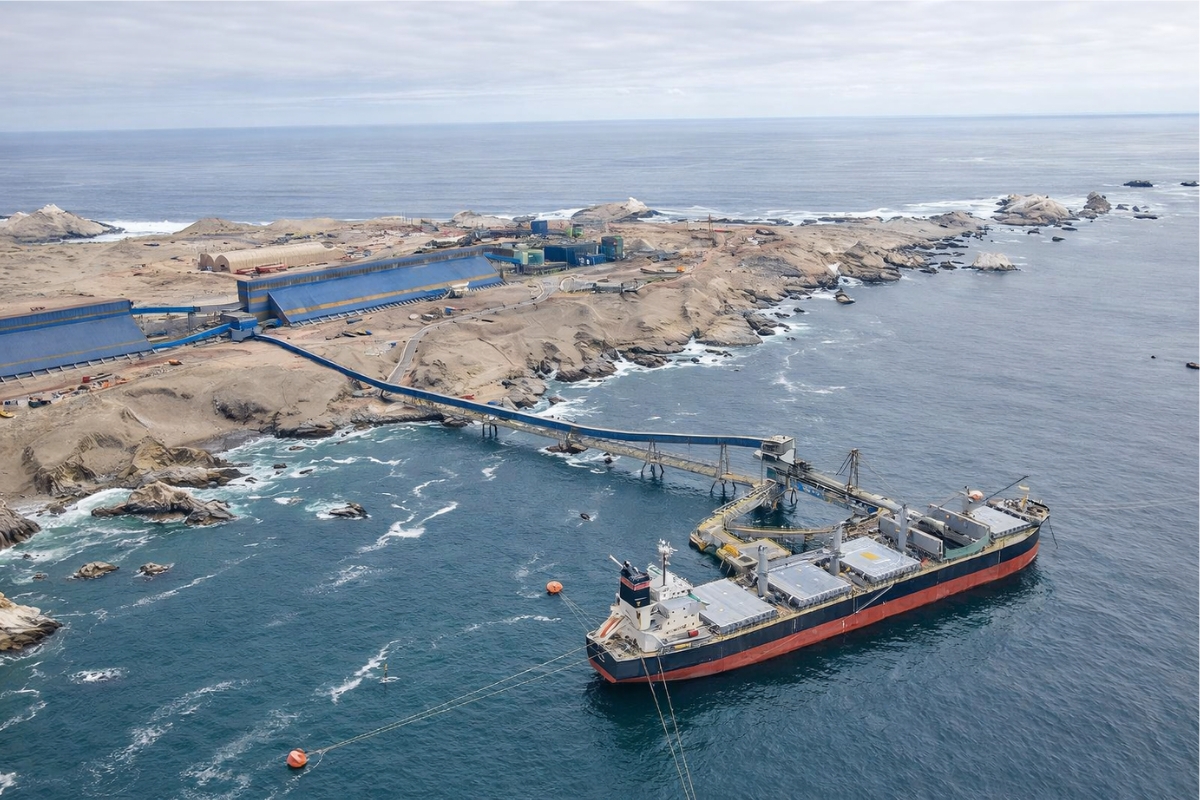
A $3.5 billion megaproject in Latin America pumps desalinated seawater at 1,050 liters per second over 194 km to keep a copper supermine in the Andes operational for another 20 years.
-
A hidden mine in the Andes valued at nearly R$ 1 trillion is starting to attract global attention, containing copper, gold, and silver, and raises an intriguing question: why do Argentina and Chile need to act together to exploit this gigantic wealth?
-
A silent discovery in the interior of Bahia could change the future of energy in Brazil: a uranium reserve in Lagoa Real has an estimated capacity to produce 400 tons per year and is already attracting the attention of energy sector specialists.
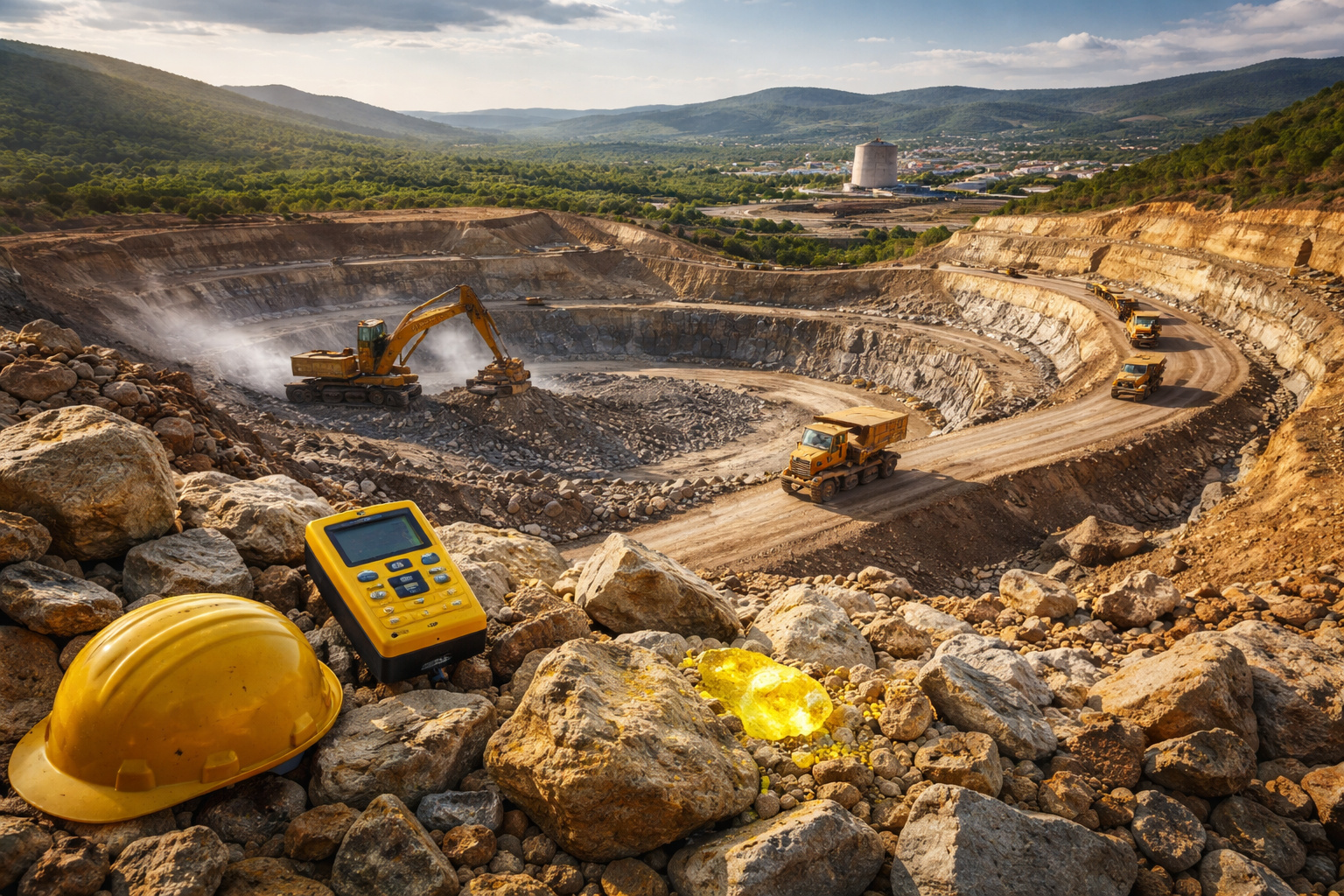

The crushed ore goes through mills that reduce the rocks to fine particles, resembling sand. These particles are then screened and mixed with water, facilitating the separation and mining of gold.
Spirals and Vibrating Tables
The mixture of water and ore is passed through spiral columns, where the heavier gold separates from the rock. This gold is then refined on vibrating tables, preparing it for the final stage.
Chemical Processes and Smelting
Part of the gold mining is recovered through a cyanide leaching process, while the remainder is extracted using high-pressure carbon. This gold is finally purified in furnaces, where it is transformed into bars of pure gold.
Nevada: The Gold Valley
Since 1985, Nevada has produced millions of ounces of gold, becoming one of the largest producers in the world. The wealth generated by this mining is impressive, with bars of gold worth millions of dollars being transported to the global market.
Nevada, with its arid landscapes, is a true gold valley, where mining continues to transform mountains into riches, producing billions in gold.
About Kinross
Kinross Gold Corporation is one of the largest gold producers in the world, with operations in several parts of the globe. In Nevada, the company stands out for its efficiency and innovation, utilizing advanced mining and processing techniques to maximize gold extraction. Its Round Mountain mine is a notable example of how technology can transform vast areas of land into rich sources of gold.
Founded in 1993, Kinross is committed to sustainability and social responsibility, ensuring that its operations minimize environmental impact and benefit local communities. In Nevada, the company not only generates jobs and boosts the local economy but also invests in community projects and environmental initiatives, reinforcing its role as a fundamental pillar of the gold mining industry.









Seja o primeiro a reagir!