





 Portuguese
  English
  Spanish
  3 min of reading


According to the Unified Federation of Oil Workers – FUP, Petrobras was involved in controversies last week due to the amounts paid in dividends to shareholders, which could complete works of the former government of Lula or acquire oil refineries.
Despite several ongoing lawsuits, as well as representations to the >Securities and Exchange Commission (CVM) and the Federal Court of Accounts (TCU) >against the operation, Petrobras’ board announced the completion of the sale of the Shale Industrialization Unit (SIX), located in São Mateus do Sul, Paraná (PR), to the Canadian company Forbes Resources Brazil Holding S.A, linked to the Forbes & Manhattan (F&M) group. (F Brazil). The Petrosix technology, developed and patented by Petrobras, was also part of the deal. The Brazilian state-owned company became embroiled in controversies during the last week due to the payment of dividends above the average paid by companies on the Stock Exchange.
The SIX was sold for US$ 41.6 million, approximately R$ 210 million at the current exchange rate. The amount is just above the profit recorded by SIX last year (around R$ 200 million). Furthermore, the sale price is less than half of what SIX paid, in the agreement with the National Agency of Petroleum (ANP), to settle debts related to the non-collection of royalties on shale mining activities during the period between 2002 and 2012 (R$ 540 million).
Possibility of Reversing the Sale of SIX Due to Harm to Petrobras Shareholders

There are lawsuits and representations filed by the Unified Federation of Oil Workers (FUP) and the National Association of Minority Shareholders of Petrobras (Anapetro) for various reasons: Petrobras did not conduct the mandatory environmental audit; the sale modeling is irregular, as SIX is not an exploration and production asset, but a concession, thus the sale does not comply with municipal decree number 9355; at TCU, due to issues with the purchaser F&M; at CVM, arguing that the unit is being sold for a price below market value, causing harm to Petrobras shareholders, among other ongoing actions that could reverse the sale of SIX.
-
End of the 6×1 schedule: how the reduction of hours can affect service companies, industry, and agribusiness.

-
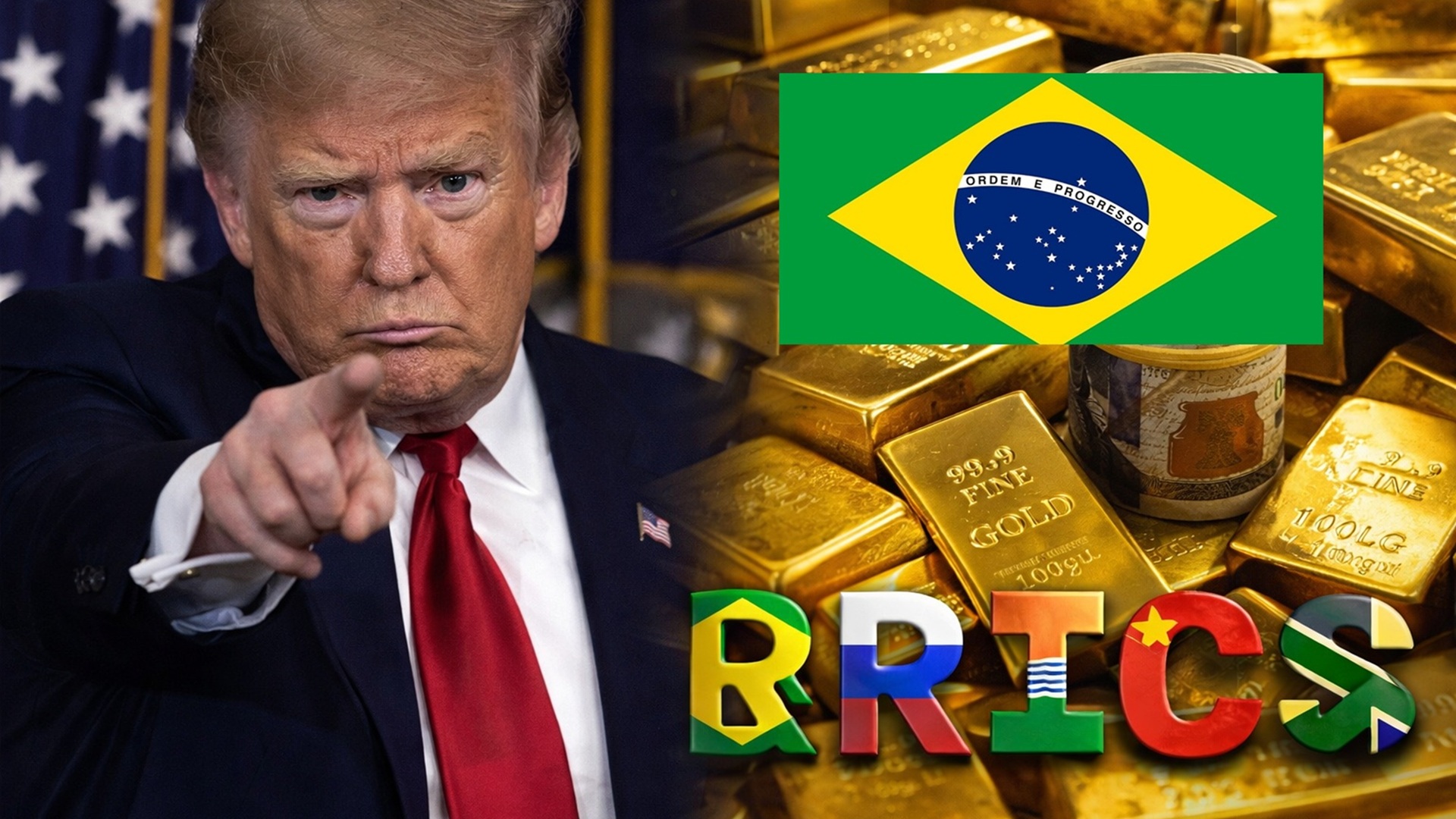
Brazil Ignores Trump’s threats to BRICS, Buys 42 tons of gold and reduces the Dollar’s share by 6.45% in international reserves.
-
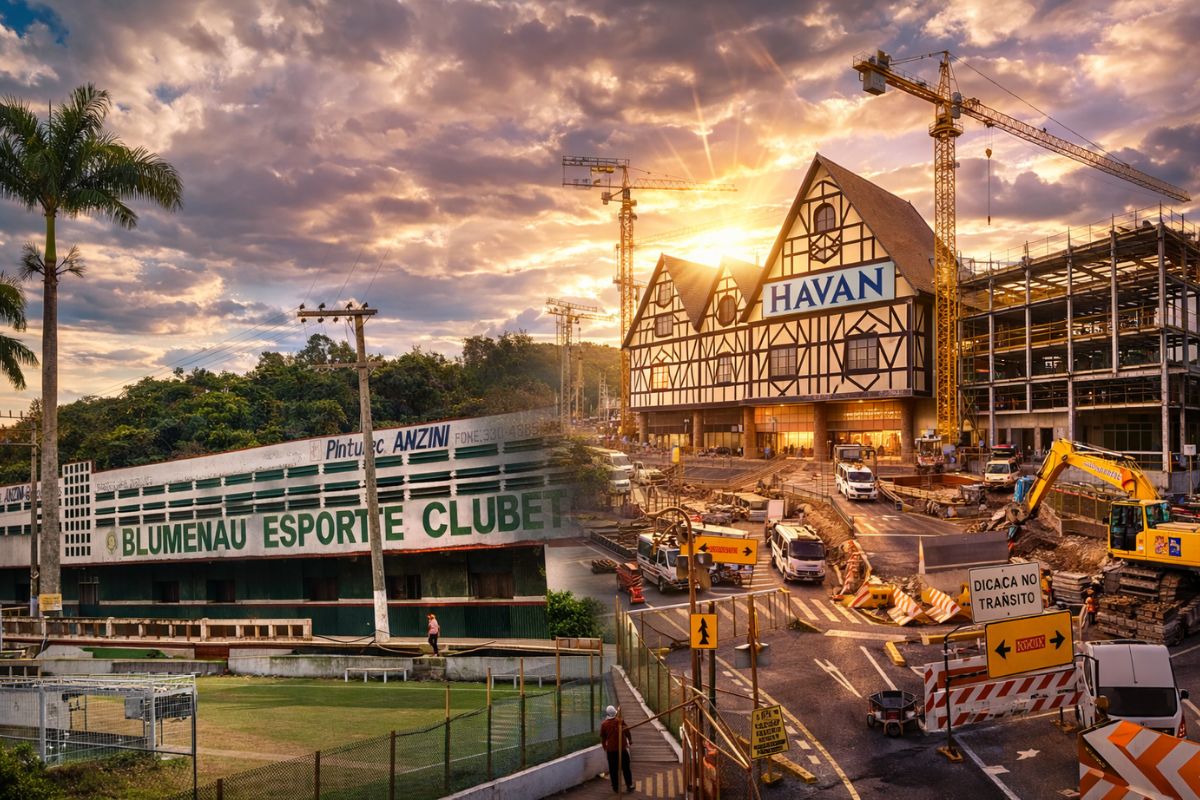
Havan buys historic football land in Blumenau for a million-dollar amount protected by a confidentiality clause and is already planning to change even the layout of streets to build a megastore in half-timbered style costing 80 million reais.
-
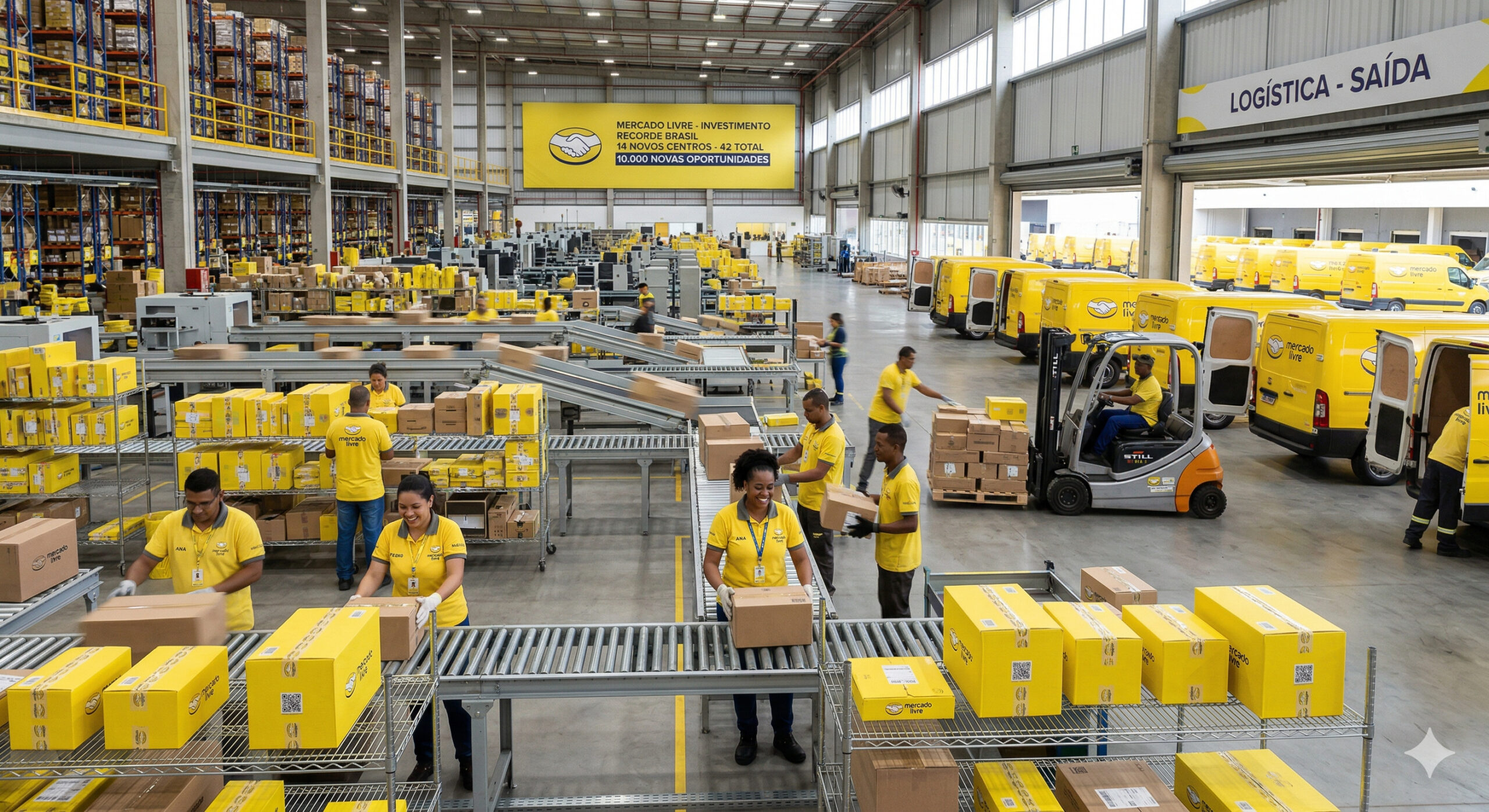
Mercado Livre “opens the vault” and announces a record investment of R$ 57 billion in Brazil in 2026, a value 50% higher than the previous year, with an expansion plan that includes 14 new logistics centers, totaling 42 units in the country and hiring an additional 10,000 employees.
“The sale of the Shale Industrialization Unit in Paraná to the Canadian company Forbes & Manhattan Resources Inc is another crime committed against national assets,” says FUP national coordinator, Deyvid Bacelar.
The leader emphasizes that FUP and affiliated unions will continue the fight to reverse this privatization, “conducted hastily, without transparency in the pricing process, with strong indications of irregularities and which will represent the construction of yet another private monopoly in the country’s refining sector.”
Along with the sale of SIX, there is also Petrosix, a technology developed by Petrobras to extract fuel oil from bituminous shale rock, also called oil shale, from the Irati Formation, a Permian geological formation in the Paraná Basin (PR).
The main feature of this technology is its operational simplicity, besides being considered less aggressive to the environment. Petrosix is >fundamental for the preservation of the Guarani Aquifer, which has an area of 1.2 million km² and is considered the >largest transboundary reservoir in South America, located between Brazil, Argentina, Paraguay, and Uruguay.
Petrosix and SIX: Oil and Gas Production in General, as Well as Materials Used by the Industry Overall
The unit produces fuel oil, naphtha, fuel gas, liquefied gas, and sulfur, in addition to products that can be used in the asphalt, cement, agricultural, and ceramic industries. Additionally, SIX also serves as an advanced research center in the refining field, where various projects are developed together with Petrobras Research Center (Cenpes) and universities.
The technological park of SIX is the largest in Latin America and one of the largest in the world in pilot plants, consisting of 15 units created to meet the needs of various refining processes.







Seja o primeiro a reagir!