





 Portuguese
  English
  Spanish
 5 min of reading
  0 comments



6,200 km Land Route Connects Copacabana to the Pacific in Five Days by Bus, Crossing the Amazon and Andes for Fares Starting at R$ 1,000
The passenger who boards every Thursday at 1 PM at the Novo Rio bus terminal faces the feat of crossing the continent in five and a half days to the Atocongo Terminal in Lima, without changing vehicles.
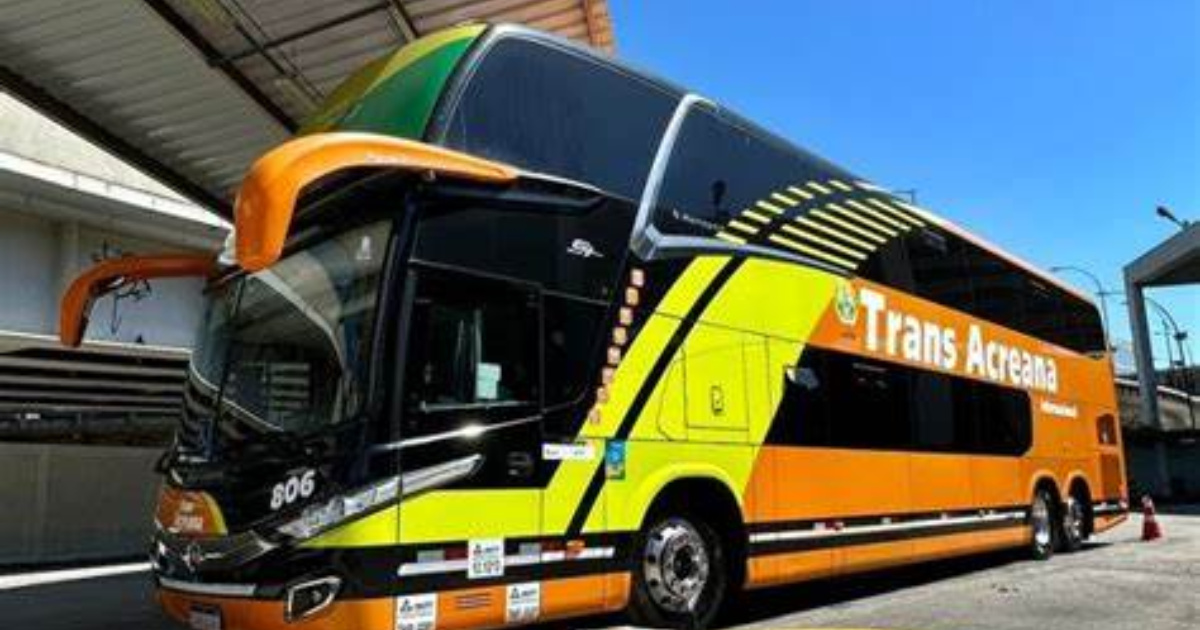
Since March 2023, Trans Acreana has maintained the Rio de Janeiro ⇄ Lima route, recognized by Guinness World Records as “the longest regular bus line on the planet.” The journey spans 6,200 kilometers, crosses six Brazilian states, enters the Peruvian Amazon, scales the Andes Mountains, and ends along the Pacific coast — all from R$ 1,000 on the promotional fare.
How the Interoceanic Route Was Born
The land corridor between the Atlantic and Pacific already existed but lost momentum when the Peruvian Ormeño suspended the legendary Rio–Bogotá line in 2020. A void seemed definitive until, three years later, Trans Acreana took over part of the Interoceanic Highway, linking Copacabana to the cliffs of Lima.
-
The induction stove you know may be numbered: a new invisible technology hides the stove under the stone countertop, heats only the pot, and promises to cook up to 50% faster while using less energy.

-
Garlic with pure honey undergoes a natural fermentation that transforms the two ingredients into a versatile condiment for marinades, sauces, and roasted vegetables, and it can also be used as a natural treatment in your garden.

-
A woman in the United States hired six immigrants for a $10,000 job on her house, and when the work was almost done, she allegedly called ICE to avoid paying and to have the workers deported.

-
iPhone in 2026: the technological innovations that go beyond cameras and processors


The resumption placed South America back on the map of land marathons and attracted adventurers from various nationalities. “It is the longest regular bus line on the planet,” reaffirms Guinness World Records, which updated the record in 2023.
The Path Through the Continent
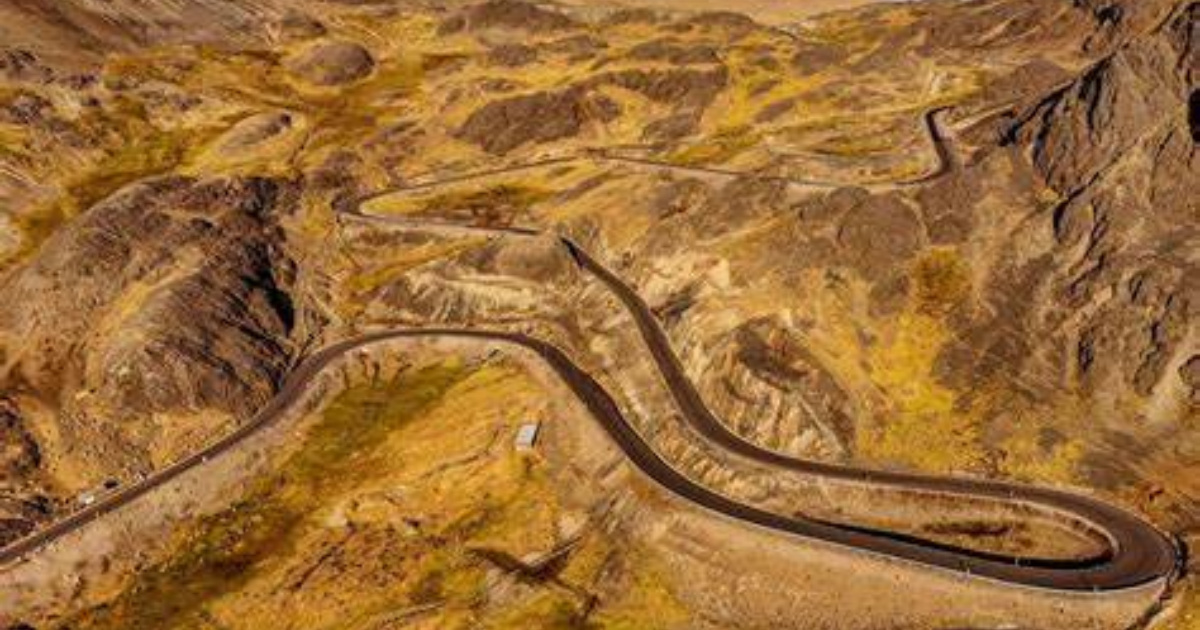
The journey crosses Rio de Janeiro, São Paulo, Mato Grosso do Sul, Mato Grosso, Rondônia, and Acre before reaching the triple border in Assis Brasil. On the Peruvian side, the truck passes through Iñapari, Puerto Maldonado, Cusco, Abancay, Nazca, and Ica until it arrives in Lima. There are about 30 official stops for refueling, boarding, or meals; some last a few minutes, while others can take up to an hour. The highest point is near Cusco and exceeds 4,000 meters in altitude — it’s wise to prepare for the thin air.
Total Travel Time
Under normal weather conditions, the clock shows approximately 120 hours from departure to arrival. Rain in the Amazon or snowstorms in the Andes decrease the average speed and may extend the schedule; even so, delays rarely exceed ten hours, according to company data and reports from travelers in 2024 and 2025.
Schedules, Frequency, and Price
The bus departs biweekly on Thursday mornings from Rio and returns from the Peruvian capital the following Thursday, also at 1 PM. Trans Acreana plans to increase availability for weekly departures during long holidays and school vacations.
The standard ticket costs R$ 1,350 on the website or platforms like ClickBus, but digital promotions reduce the price to R$ 1,000. There is no service fee at physical kiosks. Each customer can carry 50 kilograms of checked baggage at no additional cost.
What Exists Inside the Double-Deck
The vehicle is a semi-bed double-deck with 50 seats. The seats recline 160 degrees and come with USB ports, blackout curtains, and leg rests. Air conditioning operates throughout the journey; however, passengers report low internal temperatures, so a light blanket helps.
On the lower level, there are restrooms, a cold water filter, and a compartment for backpacks. Wi-Fi depends on 4G signal along the highway, and, as the company emphasizes, “it works intermittently.” Without onboard service, blankets, pillows, and headphones should be brought from home.
Onboard Routine and Meals on Land
The drivers — always two, who take turns — make three daily stops at simple roadside restaurants. Breakfast, lunch, and dinner cost between R$ 30 and R$ 40 on the Brazilian side. In Peru, the average expense ranges from 25 to 35 soles, about R$ 35. At some points, there are rooms and showers; a hot shower usually costs around R$ 10. Since constructions or landslides can alter schedules, it is recommended to bring a thermos, dry snacks, and wet wipes.

Documents and Immigration
Brazilian citizens travel with either an ID issued within the last ten years or a valid passport. Exit control is conducted by the Federal Police in Assis Brasil; entry into Peru occurs ten kilometers later, in Iñapari.
As of September 2025, there is no visa requirement or proof of vaccination against Covid-19. The line is usually quick, but the company advises carrying a pen and completing the local immigration card in advance.
When to Hit the Road
From April to September, the dry season in the Amazon, the dirt roads become firmer and the skies in the Andes appear cloudless, reducing the risk of blockages. From October to March, the rains swell the waterfalls along the Interoceanic but increase the chance of landslides. In July and August, the altitude causes temperatures near Cusco to plummet to negative values; bring a heavy jacket and gloves.
Tips for Five Days of Constant Movement
Varying the start of observations helps the reader as much as the traveler:
First, an international SIM card or e-SIM ensures internet when Wi-Fi fails.
Next, coca leaves or soroche tablets ease altitude sickness above 3,500 meters.
Then, an inflatable pillow and an extra USB-C charger make nights more comfortable.
Finally, cash in soles simplifies meal payments in Peru, where many establishments do not accept cards.
The Spectacle of Panoramic Windows
Few land routes offer such diverse landscapes on the same ticket: the art deco buildings of Copacabana disappear to give way to the farms of São Paulo, which yield space to the Pantanal, followed by the dense forest of Rondônia.
Hours later, the bus cuts through the Amazon Rainforest in Peru, ascends snowy slopes in the Andes, and, near Nazca, encounters the coastal desert before catching sight of the Pacific. In any season, the cellphone becomes a kind of visual diary — it’s worth saving battery to capture jaguars, white peaks, and ancient geoglyphs.
Is It Worth the Investment?
The flight between Rio and Lima takes just over five hours but costs an average of R$ 2,500 round trip. By bus, the savings exceed R$ 1,000 and, in return, add a mosaic of scenery that changes with each new time zone, vegetation, or terrain.
Those who are not in a hurry and seek to collect experiences — not just relocate — find in the Rio–Lima line an open-air geography lesson. How many roads in the world still allow crossing tropical forests, flooded fields, Andean plateaus, and coastal deserts in a single reclining seat?
Would you risk trading the quick boarding of a plane for nearly a week of endless window views to experience this continental crossing on wheels?








-

-

4 pessoas reagiram a isso.