Portuguese
  Spanish


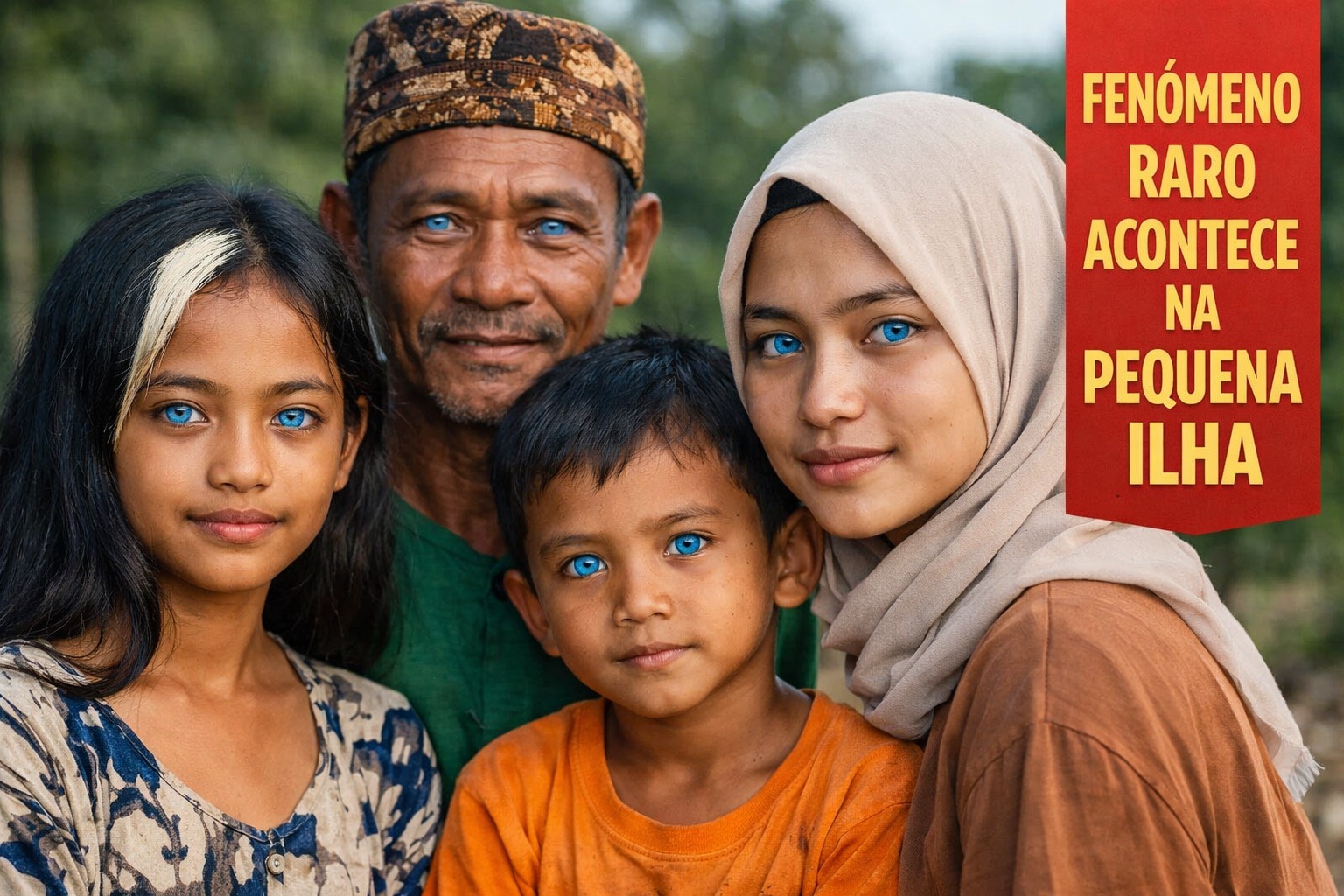


Phenomenon Observed in Specific Families of Buton Sparks Scientific Interest by Combining Intense Blue Eyes, Rare Genetic Alterations, Auditory Impacts, and Uncommon Human Diversity in Populations with Dark Traits
Buton Island, in Indonesia, draws attention for a rare genetic phenomenon: among residents with dark eyes and hair, part of the population has intense blue eyes, a condition associated with Waardenburg Syndrome and possible auditory impacts.
The Genetic Explanation Behind Blue Eyes
Researchers relate blue eyes in Buton to Waardenburg Syndrome, a rare genetic disorder that combines pigmentation alterations with varying degrees of congenital hearing loss.
The condition is linked to mutations in neural crest genes, an embryonic structure responsible for producing cells that create melanin, the pigment that determines the color of skin, eyes, and hair.
-
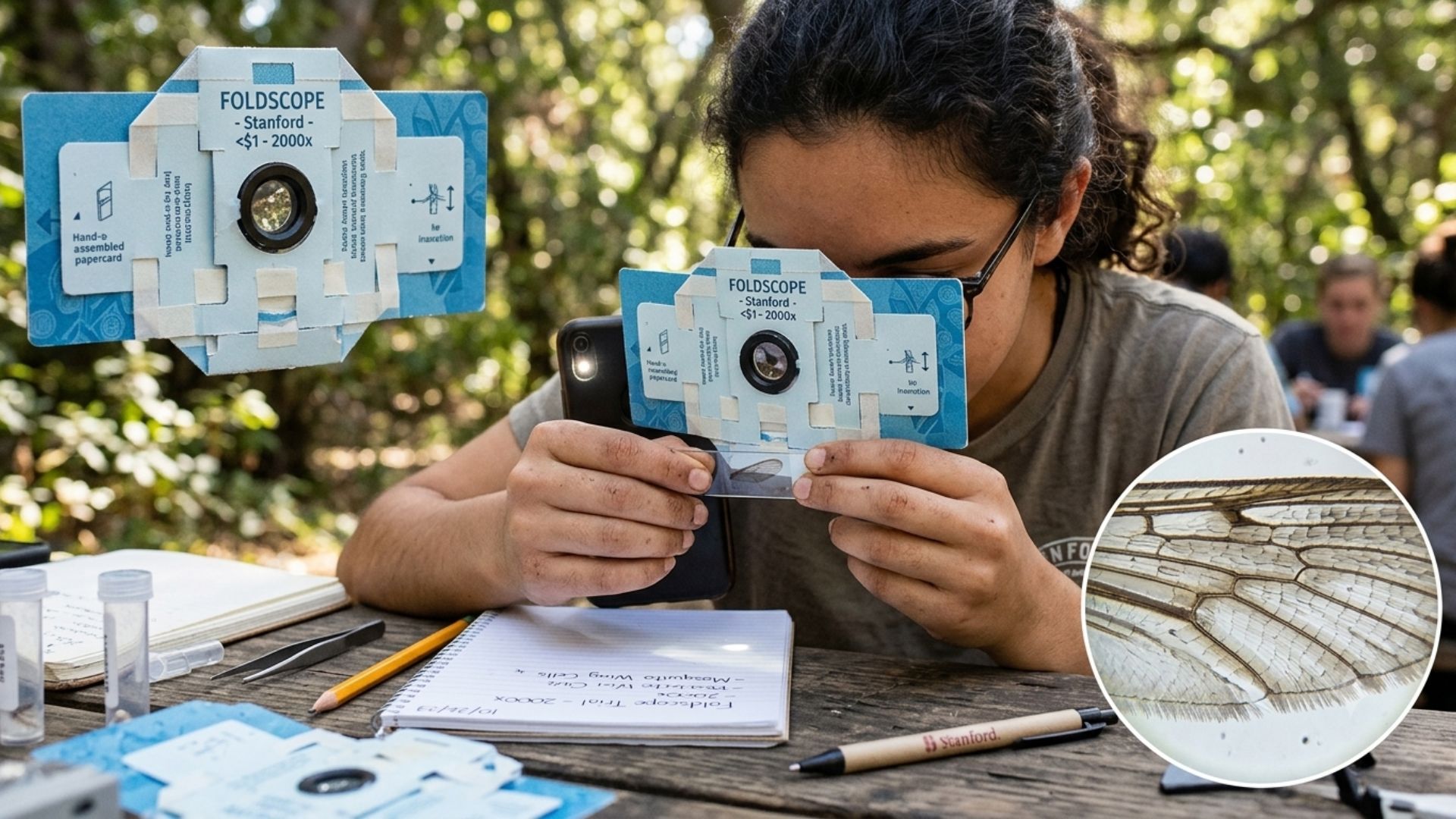
Bioengineer Develops Microscope That Magnifies Objects Up to 2,000 Times Using Just a Folded Sheet of Paper, a Tiny Lens, and Less Than $1, Bringing Lab Science Anywhere for Less Than the Cost of a Candy

-
Dog Walker in English Forest Uncovers 3,400-Year-Old Bronze Age Axe
-
Texas Blackout Inspires Student to Develop Bionic Leaf Catalyst for Converting Sunlight, Water, and Bacteria into Fuel

-
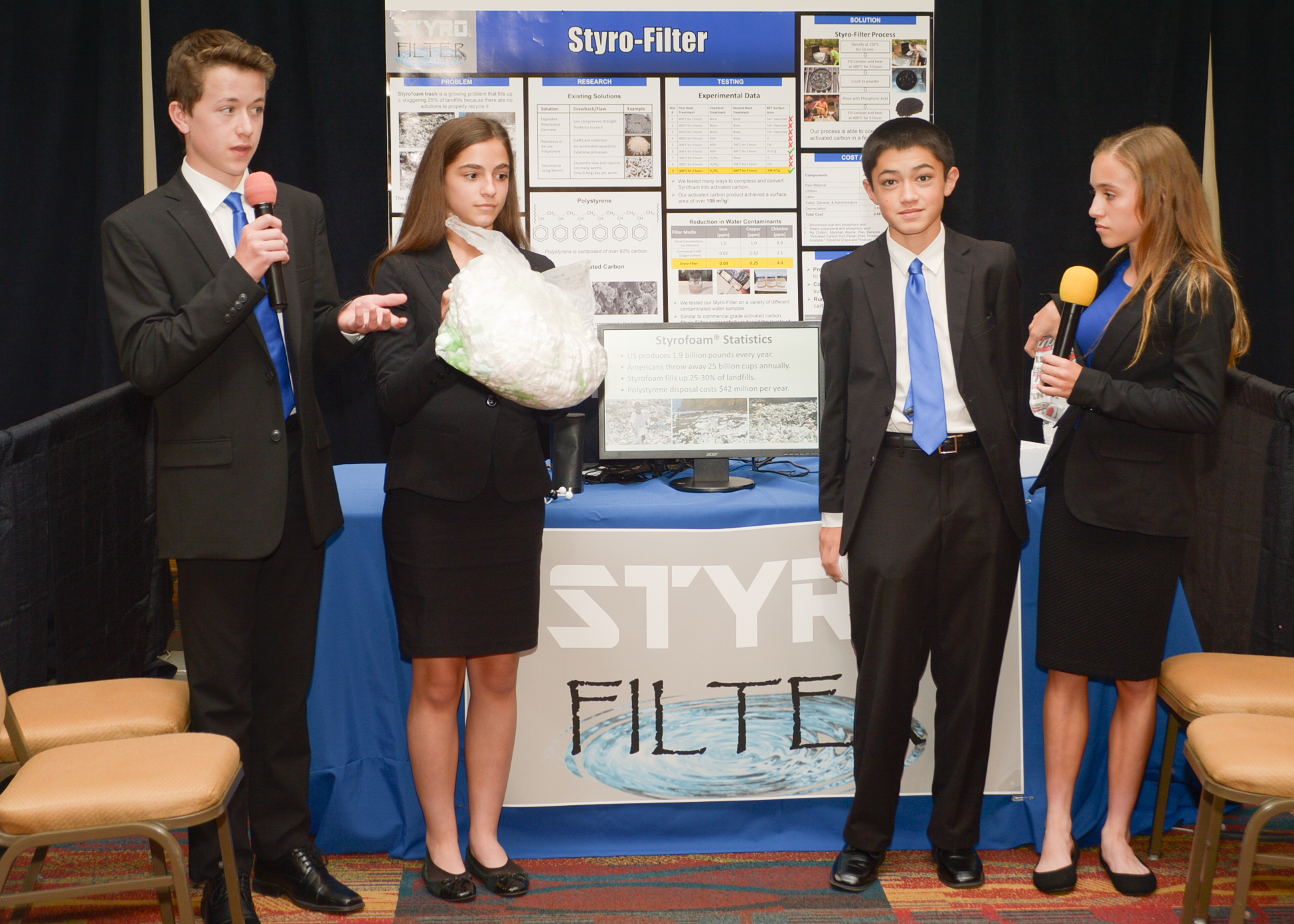
Brazilian Students Develop Process to Turn Styrofoam Waste into Water-Purifying Charcoal



These mutations affect normal pigmentation development, explaining why individuals from predominantly dark populations may exhibit intense blue eyes or other striking visual variations.

How the Syndrome Manifests Among Residents
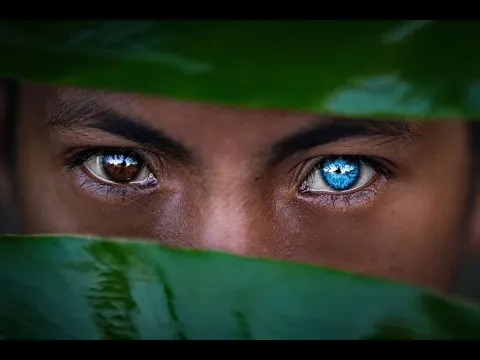
The case of Buton gained international notoriety due to the presence of electric-blue eyes in some inhabitants, visible in both eyes or in heterochromia, when each eye has a different color.
In addition to the blue iris, some residents exhibit depigmented spots on the skin and very light hair streaks from birth, recurrent signs associated with the syndrome.
These characteristics do not appear universally, concentrating in specific family groups, which reinforces the role of genetic inheritance in the observed phenomenon.
Why Waardenburg Syndrome is Considered Rare
Despite the attention on social media, Waardenburg Syndrome is classified as rare, affecting only one person in every tens of thousands globally.
In Buton, the trait is also not uniform, being restricted to families carrying specific mutations that have not spread widely through the local population.
The rarity stems from the low frequency of these genes, which directly influence the development of the structures responsible for pigmentation and human hearing.
Impacts Beyond Appearance and Importance of Diagnosis
Clinical manifestations vary, including very light blue eyes, heterochromia, non-pigmented spots, whitish streaks, and variable-intensity congenital hearing loss.
Although blue eyes attract more attention, experts emphasize that auditory assessment is essential, as hearing loss can affect communication, learning, and social inclusion.
In Buton, the phenomenon continues to be a subject of scientific interest for combining visible genetic diversity and clinical implications that go beyond unusual appearance.
With information from TNH1.