





 Portuguese
  English
  Spanish
  4 min of reading
  0 comments



The “Popular Car” Is Also Disappearing in the United States: With Models Below US$ 20,000 Practically Nonexistent After the Pandemic, the Cost of New Cars Has Risen and Affordability Has Become Rare.
For decades, the U.S. automotive market had a clear segment of affordable cars for budget-conscious buyers — compact vehicles priced below US$ 20,000 (~R$ 100,000), which served as the gateway to the local automotive world. However, this reality is changing rapidly. Today, due to rising prices, production costs, and shifts in post-pandemic consumption patterns, what was once considered a “popular car” has practically ceased to exist in the country. Affordable models have become rare, and the entry-level range has now turned into almost a myth.
The End of the Nissan Versa: Symbol of an Era Coming to an End
One of the clearest examples of this transformation was the discontinuation of the Nissan Versa in the American market, which solidifies the trend of the disappearance of truly cheap cars in the U.S.
The model, which for many years was cited as the cheapest new car available, ended up being phased out by the end of 2025 and will not have 2026 versions.
-
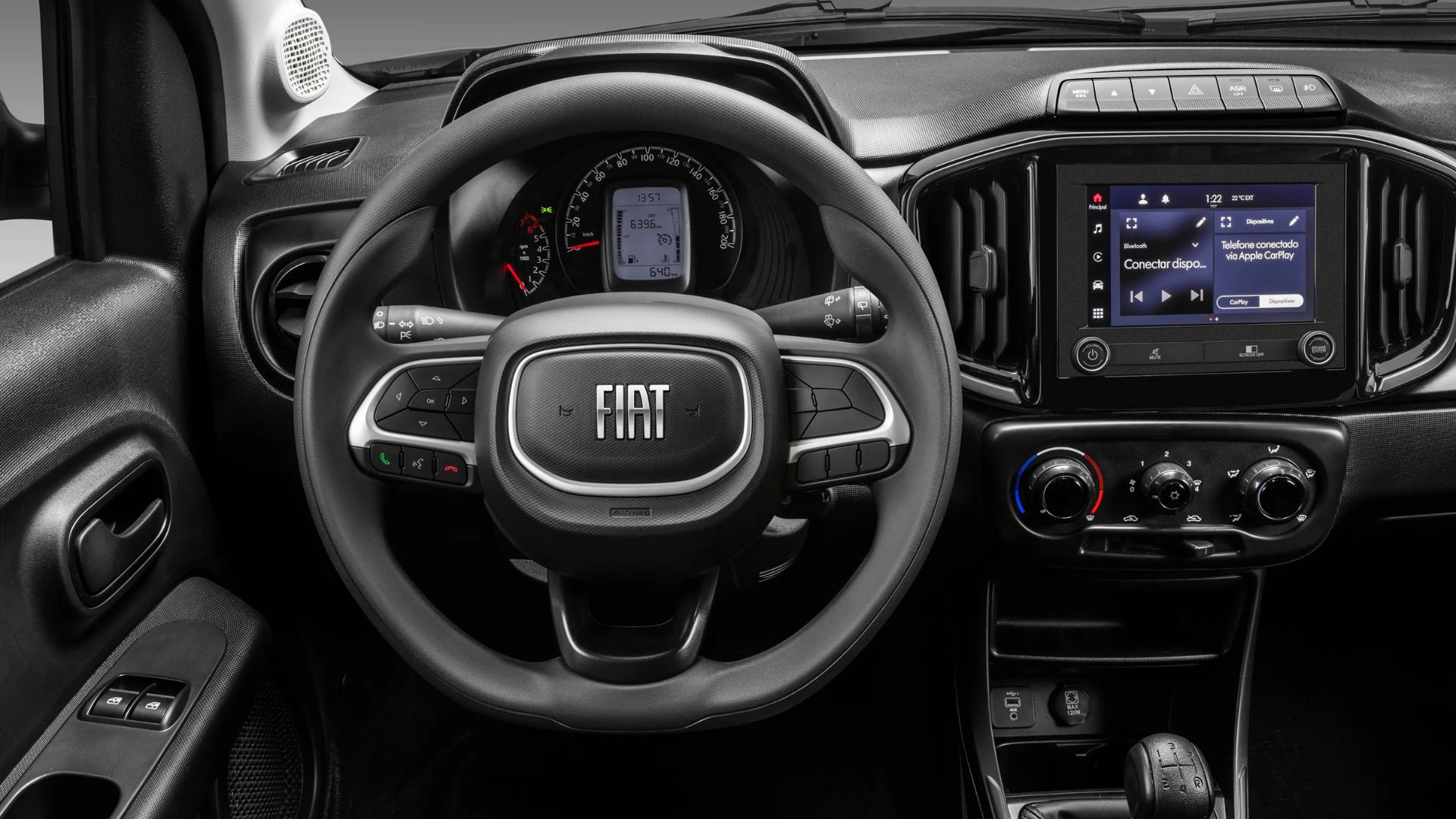
With a 1.0 engine producing 75 hp and costing less than R$ 70,000, Fiat’s car returns to the podium as the cheapest in the country; a temporary promotion for the 2026 Like version reduces the price of the Fiat Mobi.
-
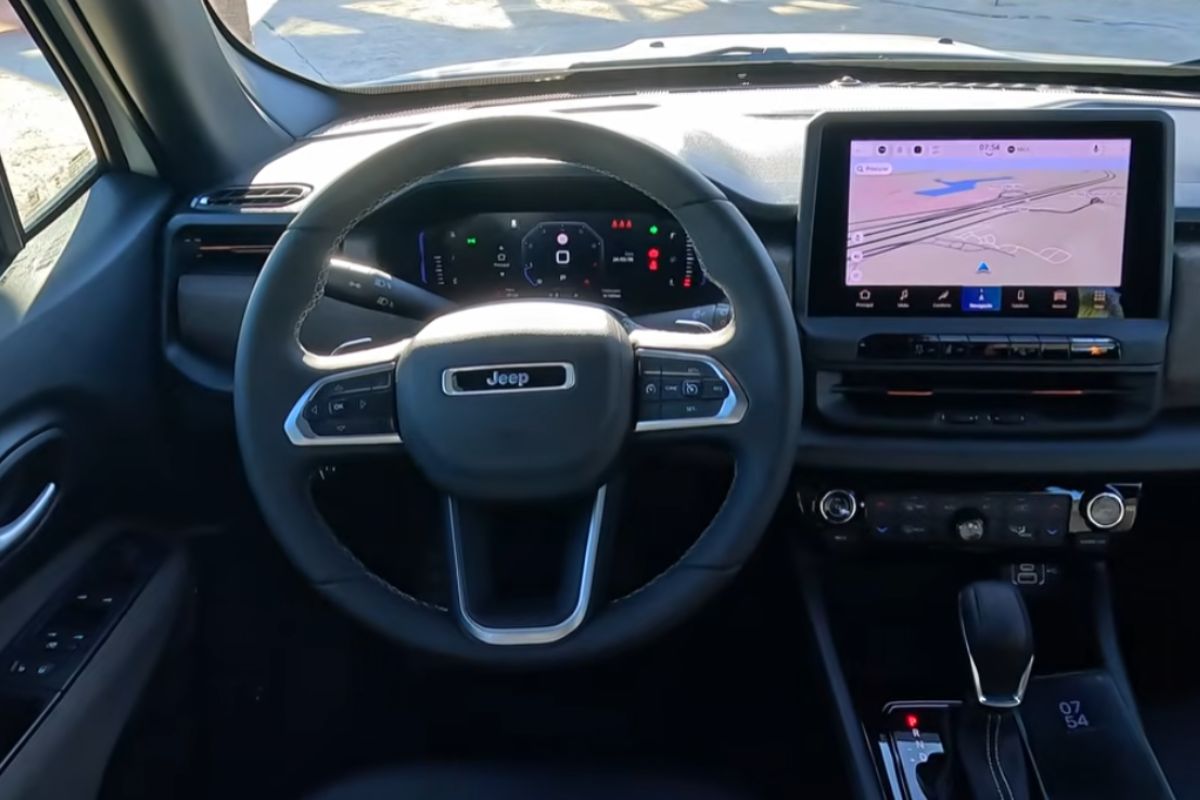
With a mild hybrid system of 48 V, 176 hp and a price of R$ 175,990 in the Sahara version, the new Jeep Renegade changes mostly on the inside, improves slightly in fuel consumption, and remains almost the same car.
-
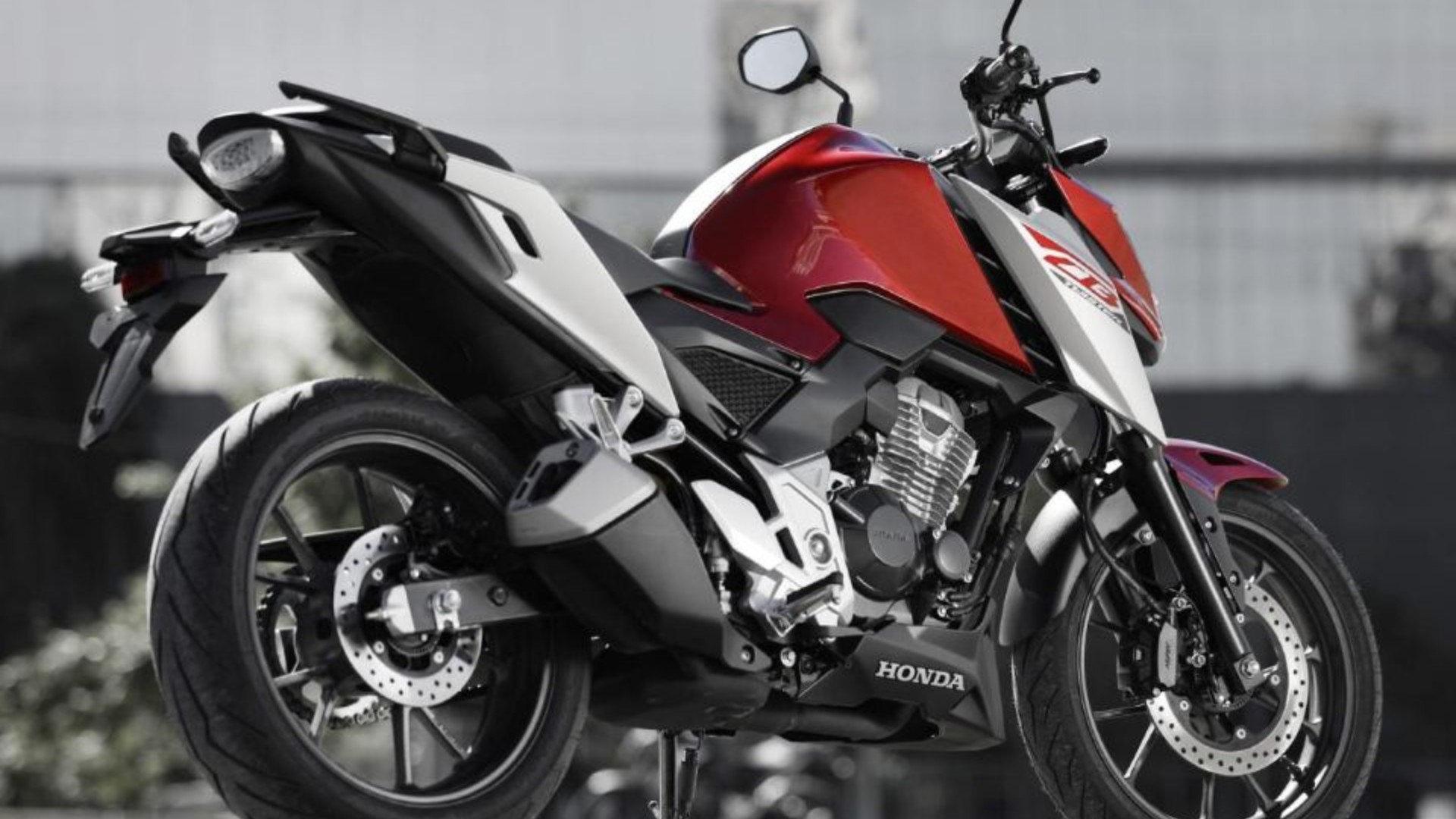
With a 293.5 cm³ engine and a range of up to 400 km with a 14.1-liter tank, the Honda CB 300F Twister 2026 has up to 24.7 hp, an initial price of R$ 25,150, and already exceeds R$ 29,000 in the Fipe Table.
-
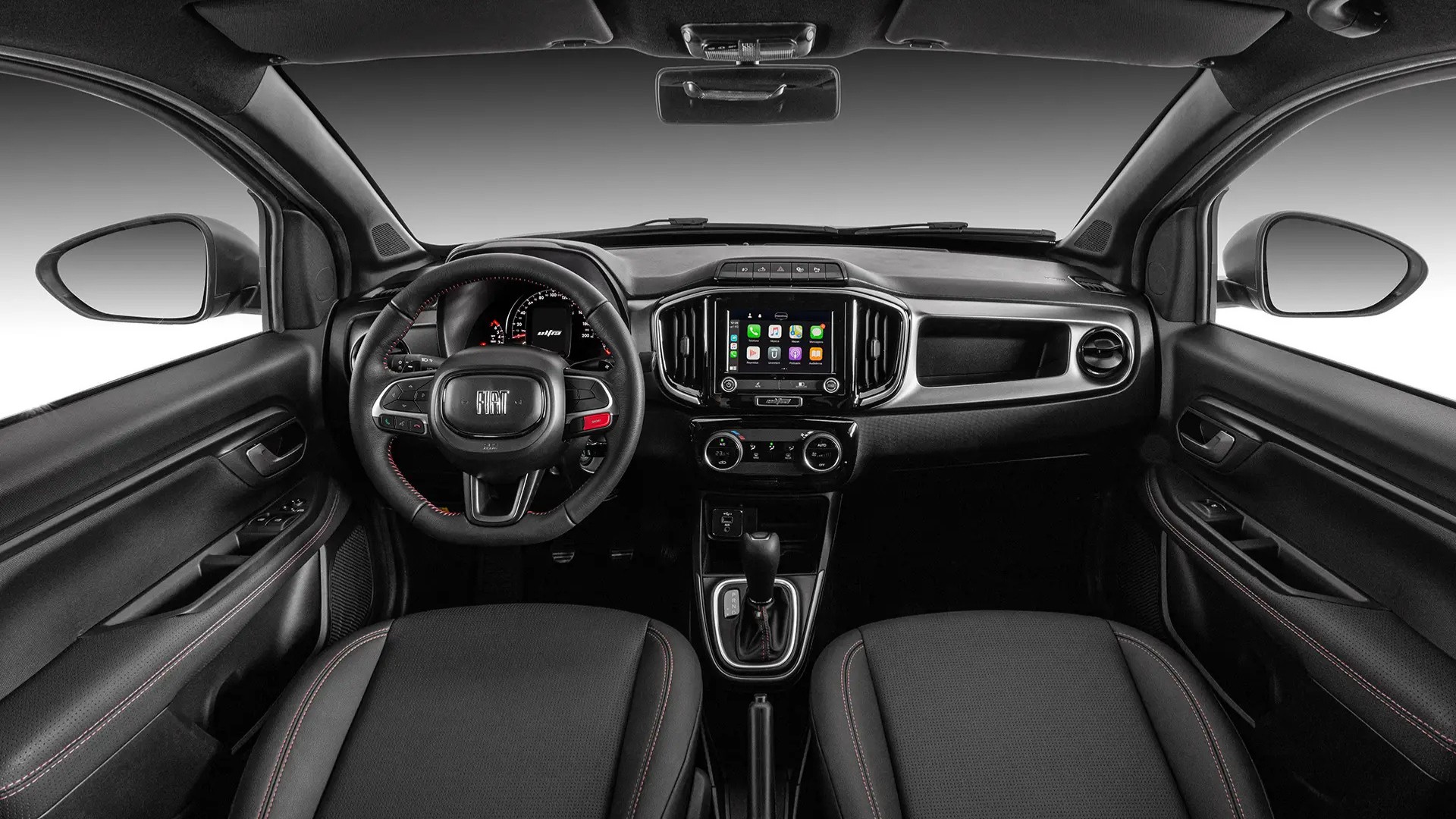
With a 1.3 engine, nearly 700 km of range, and Turbo 200, the Fiat model surpasses Polo, Tera HB20, and Onix, becoming the best-selling car in March; see the numbers for the Fiat Strada and others.



The Versa was sold for around US$ 18,000 to US$ 20,000, remaining close to the traditional ceiling of affordable prices in the country. Even so, its production was halted because automakers are reevaluating their strategies, favoring more profitable SUVs and crossovers instead of cheap compact sedans.
The Average Price Has Soared and Affordability Has Become Implausible
This shift in direction is reflected in broad market data. The average price of a new car in the United States has surpassed US$ 50,000, resulting from years of inflation, technological changes, and shifts in the mix of models sold.
This price point shows that the majority of cars sold are no longer affordable for the traditional middle class — nothing like the popular hatchbacks of previous decades. Even models that are still considered “affordable” start from prices much above the US$ 20,000 range.
Few Truly Cheap Options in the Current Market
Before the discontinuation of the Versa, several options aligned with the classic concept of “popular car” in North America like the Nissan Versa (cheapest) or the Hyundai Venue as an entry-level compact crossover and the Chevrolet Trax, but already priced above the US$ 20,000 range in their base versions.
Today, the reality is:
- Nissan Sentra starts at around US$ 23,000;
- Compact SUVs like Hyundai Venue and Chevrolet Trax are above US$ 21,000 in the base version;
- Traditional sedans and compact cars with economical engines are becoming increasingly rare.
Models that once defined the notion of “cheap car” simply no longer exist in the way they did before the pandemic.
Why Have Prices Risen So Much?
The widespread increase in prices in the American market has multiple reasons, including:
- higher production costs (components, logistics, semiconductors);
- tariffs and penalties on imports that raise prices for the end consumer;
- shifts in consumer preference towards SUVs and pickups;
- reduction of tax incentives for popular electric cars (such as the US$ 7,500 credits that helped lower effective costs).
These combined factors have pushed up manufacturing and selling costs, so that for many buyers, a new car today costs much more than it could have before the pandemic and cheap models have simply become unviable for automakers.
The Effect Goes Beyond New: Used Cars Are Also Expensive
The disappearance of popular cars is also reflecting in the used car market. According to recent reports, demand for used cars is strong, pushing prices up even in this segment.
This means that many people who previously opted for cheap used vehicles now face higher prices even in this low-cost alternative.
The Concept of Popular Has Changed and May Not Return Anytime Soon
In past decades, many Americans could think of “popular car” as:
- a compact affordable sedan,
- a cheap hatch for daily commutes,
- a new vehicle without major financial commitments.
Today, this is no longer a real option for most people — the average price has risen so much that even models considered cheap now exceed levels previously reserved for mid-range segments.
This phenomenon parallels what is experienced in markets like Brazil, where the cost of producing and selling popular 1.0 cars has also been impacted by the Covid-19 pandemic, exchange rate changes, inflation in parts, and logistical costs.
End of an Era for the Popular Car in the U.S.
The end of the Nissan Versa, the increase in the average price of vehicles, the scarcity of truly affordable models, and the trend of consumers opting for SUVs or crossovers show that the traditional concept of “popular car” in the United States is dying out.
While in Brazil we have already seen a shrinkage in the supply of traditional popular cars, in the U.S. this phenomenon is also occurring — albeit in a different way. In both markets, the outcome is the same: buying an affordable new car is harder today than it was before the pandemic.









Seja o primeiro a reagir!