





 Portuguese
  English
  Spanish
  5 min of reading
  0 comments


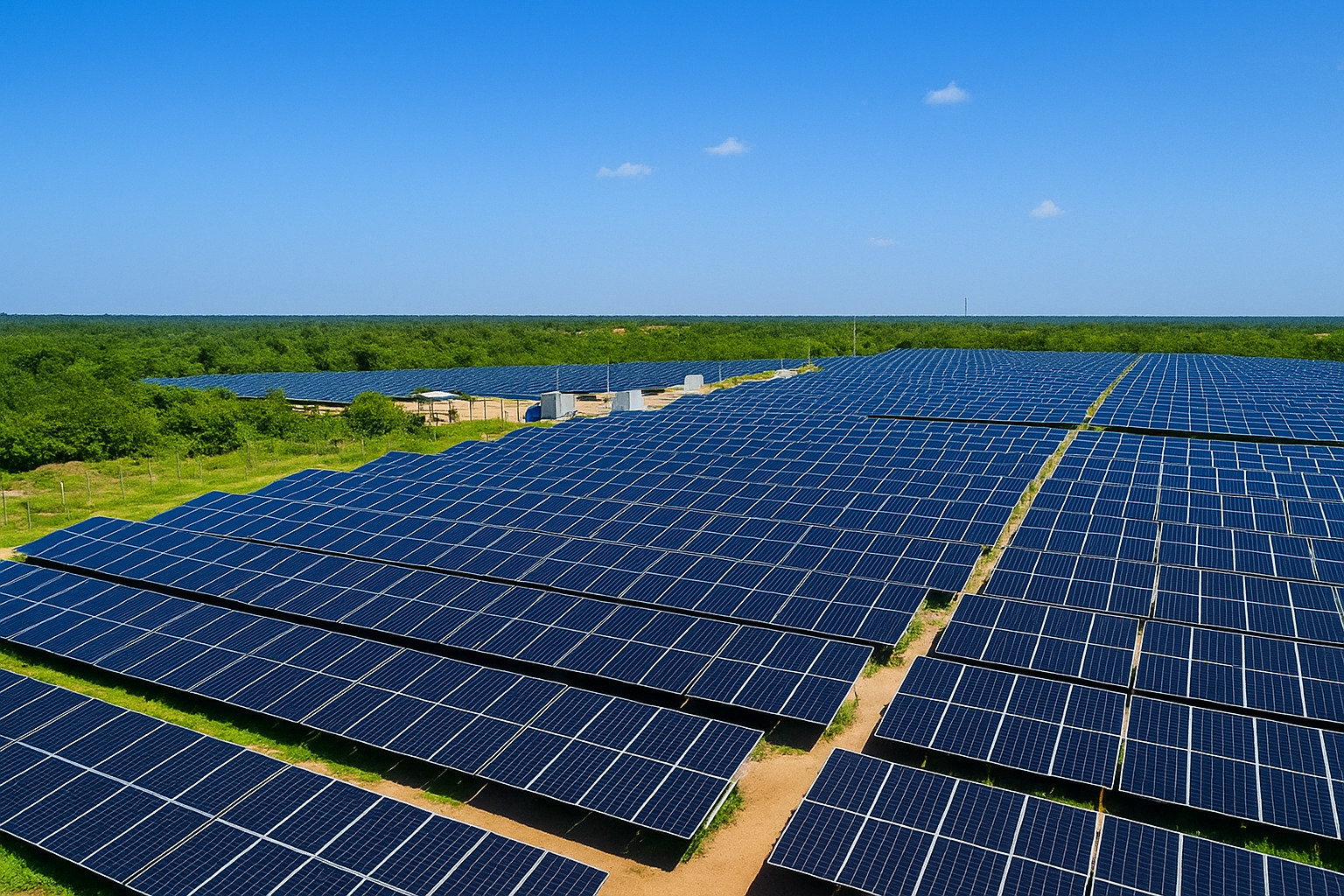
Discover How the Solar Energy Subscription Transforms Access to Clean Energy and Generates Savings for Families and Businesses in the North and Northeast.
In recent years, the electricity bill has become one of the biggest challenges for Brazilian families and businesses. This happens because consumption increases in the colder months and, at the same time, the tariff flags raise costs.
For this reason, many consumers have started searching for cheaper alternatives. In this scenario, the solar energy subscription has emerged as a practical solution, as it reduces expenses without requiring the installation of solar panels at home or in businesses.
Furthermore, this model guarantees direct discounts on the bill. On average, families can reduce up to 15% of their electricity bill, while businesses achieve 20% savings. Thus, the solar subscription not only lowers costs but also strengthens the transition to a sustainable electric matrix, less dependent on fossil fuels.
-
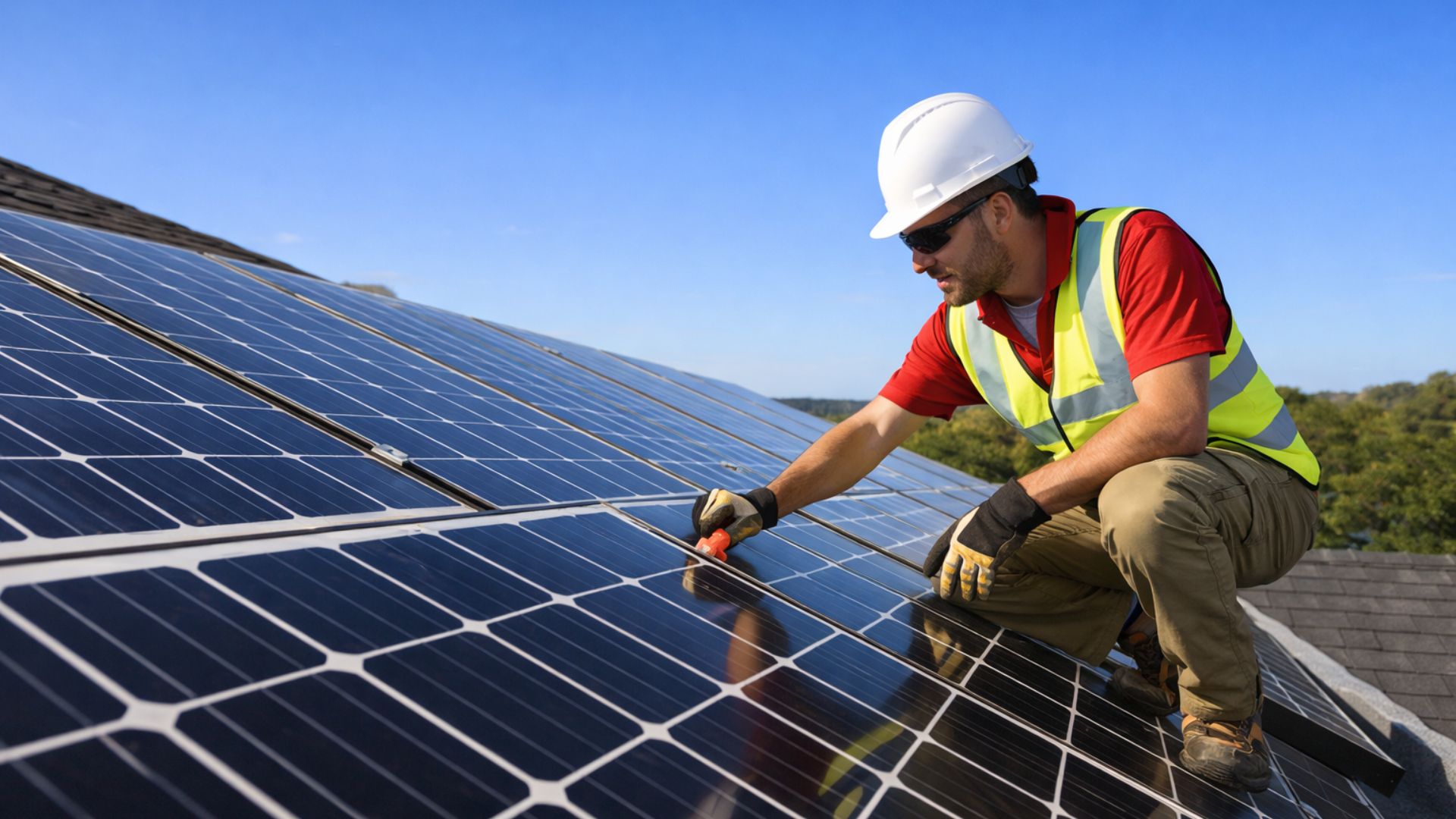
Seagri’s headquarters invests in solar energy with Neoenergia Coelba and promises to cut electricity costs, highlighting a strategic advance in sustainability and energy efficiency within state public administration.
-
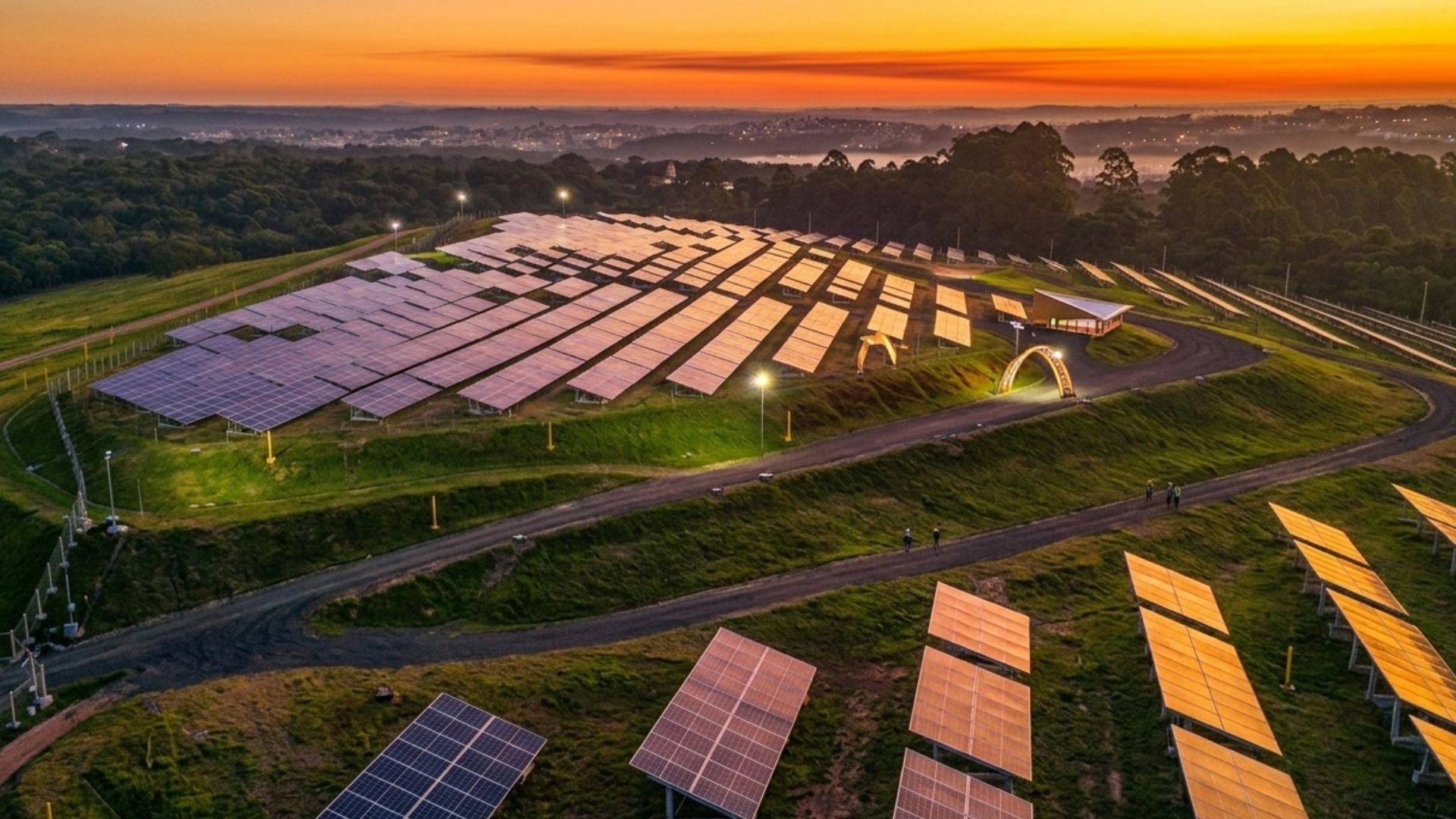
Solar Pyramid draws attention by converting solar energy into million-dollar savings and repositioning the City Hall of Curitiba as an example of innovation, sustainability, and intelligent use of public resources.
-
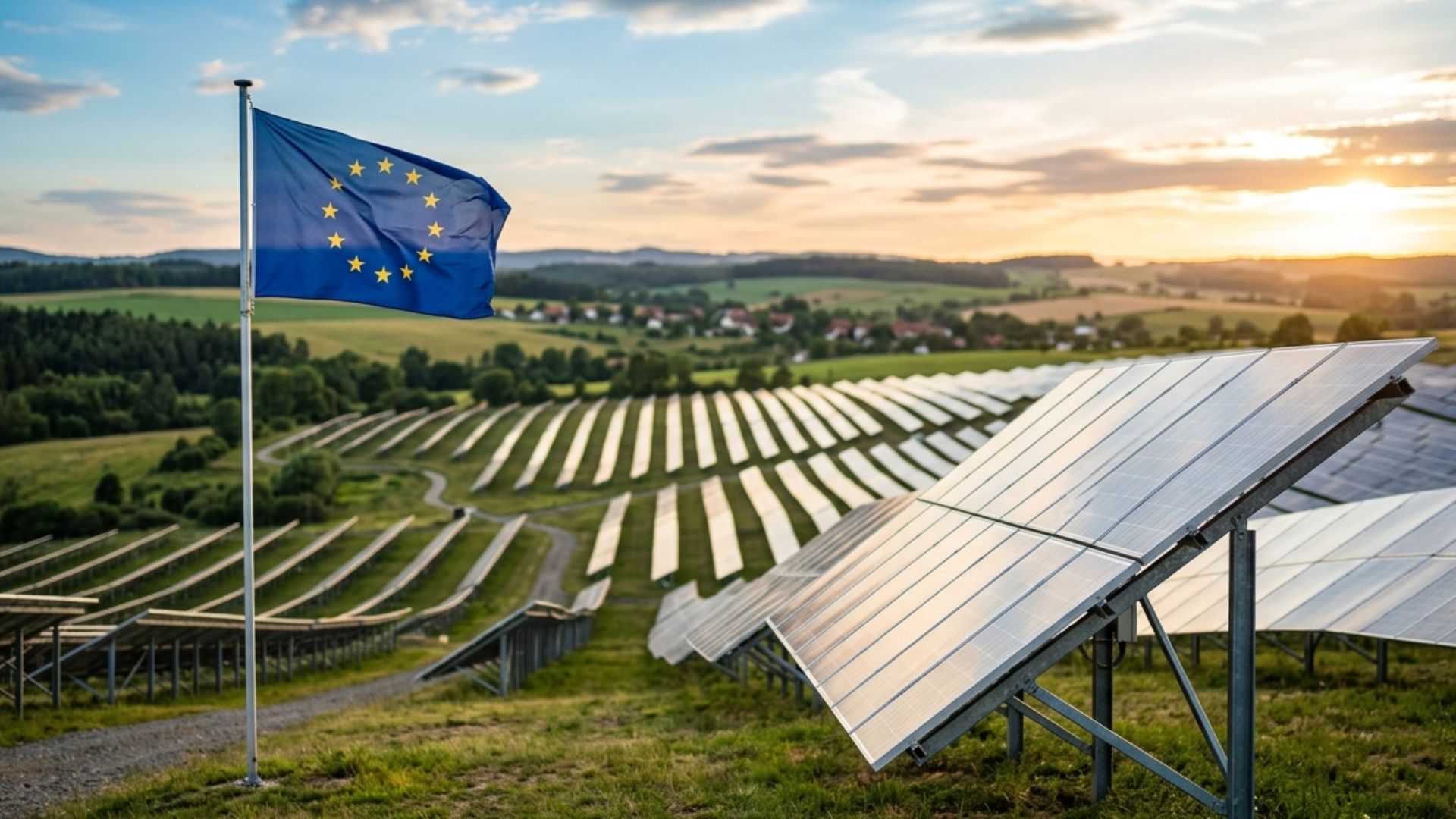
Europe records strong euro economy with solar energy in March and sparks curiosity about which country leads growth that redefines the energy market and reduces costs.
-
Piauí reaches a historic milestone in energy transition: State records nearly 160,000 households powered by solar energy and leads growth in the Northeast.
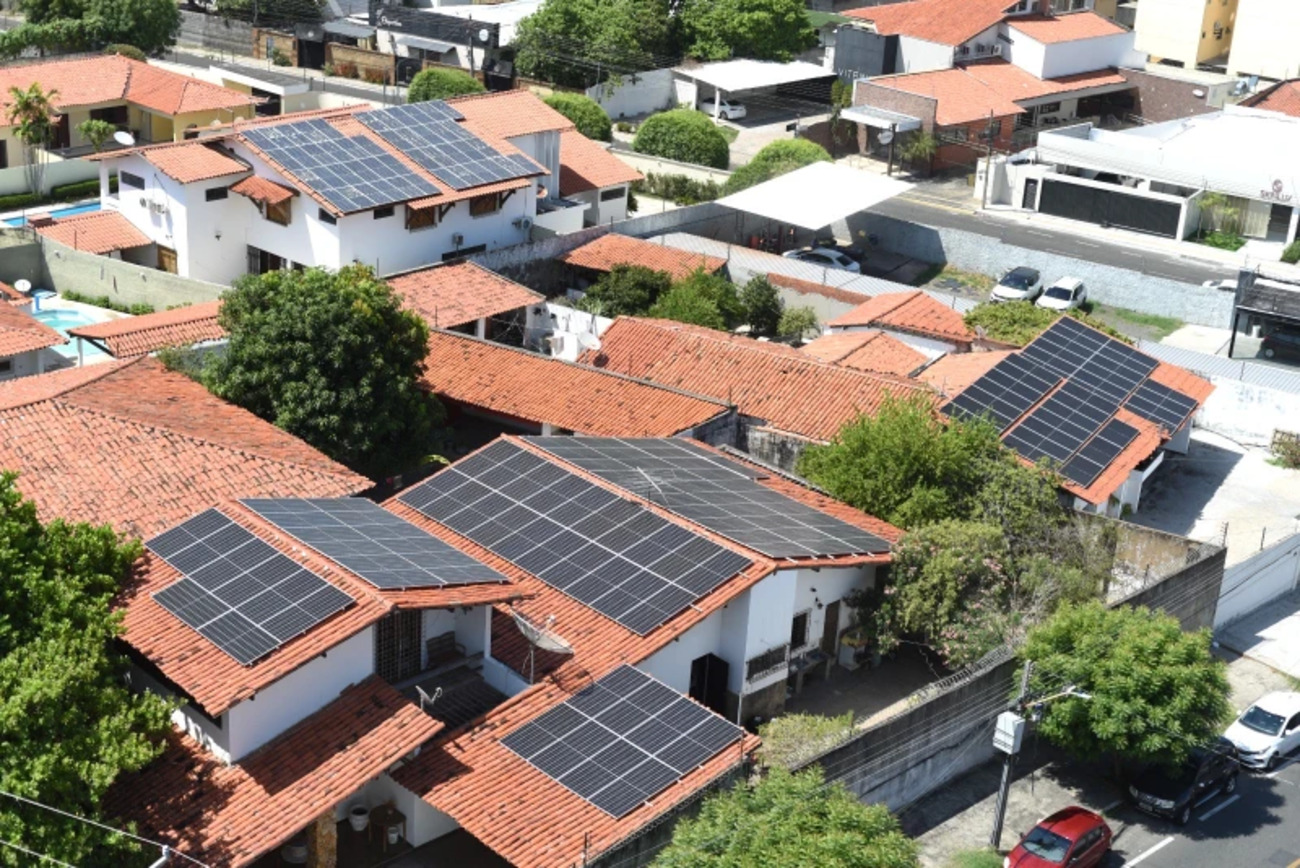

Solar Energy in Brazil: A Trajectory of Expansion
Throughout history, solar energy has faced a challenging path to consolidate itself in Brazil. Although the technology existed in the 2000s, the high cost made the source inaccessible.
However, starting in the 2010s, prices began to fall, and incentive policies stimulated sector growth.
As a result, the country currently has over 55 GW of installed solar power, occupying the second position in the national electric matrix.
Therefore, this expansion reflects not only the demand for cheaper energy but also the environmental awareness of society.
Additionally, advancements in photovoltaic technology and the creation of new business models, such as the solar energy subscription, have expanded access.
Thus, even those who cannot install equipment on their own property can enjoy savings and sustainability.
How the Solar Energy Subscription Works
To better understand, just observe how it works. Instead of investing in expensive equipment, the consumer signs a plan offered by companies that operate remote solar plants.
Then, the energy produced is injected into the distributor’s grid, while credits equivalent to the contracted consumption automatically appear on the electricity bill.
Therefore, the supply does not change, as the energy continues to be distributed by the same utility. However, the difference appears in the bill, where the energy credits reduce the final amount.
In addition, enrollment is quick, digital, and requires no construction.
For example, companies like Echoenergia, part of the Equatorial Group, already offer this model in states such as Maranhão, Pará, Alagoas, and Piauí.
Thus, consumers who spend starting from 300 kWh per month can subscribe, which includes both families and small businesses.
Savings Combined with Sustainability
In this context, the solar subscription presents two main advantages: immediate savings and environmental sustainability.
On one hand, consumers can receive up to 20% discount on their bill. On the other hand, the energy used does not emit greenhouse gases, contributing to the fight against climate change.
Although the discount may seem small in some cases, over a year it represents a significant amount.
In addition, the reduction of environmental impact strengthens Brazil’s commitment to international decarbonization agreements.
Consequently, consumers in the North and Northeast, who face high temperatures throughout the year and need constant cooling, find in this model a strategic ally.
Thus, they can maintain comfort without seeing the energy bill skyrocket.
The Historical Role of Energy in the Economy
Historically, access to electricity has always determined economic development. During the 20th century, Brazil relied on large hydroelectric plants, ensuring abundant and cheap energy.
However, this model also generated significant environmental and social impacts.
In the 21st century, the debate shifted because society began to seek renewable sources that are less harmful to the environment.
In this scenario, solar energy has stood out as a symbol of a new era.
Unlike hydroelectric plants, it does not depend on reservoirs nor alters ecosystems on a large scale.
Therefore, the solar energy subscription democratizes access.
After all, it allows families without resources to install panels to also participate in the energy transition.
Thus, the benefit ceases to be restricted to an elite and extends to various social layers.
Growth and Future Prospects
In addition to the immediate savings, the expansion prospects are quite favorable. This happens because Brazil is gradually moving towards the opening of the free energy market.
Thus, consumers will have more freedom to choose suppliers, stimulating competition and reducing prices.
As a consequence, the solar subscription market is likely to grow not only in the North and Northeast but throughout the entire national territory.
Moreover, digitalization drives this process. It is now possible to subscribe to a plan in minutes, track credits in real-time, and monitor savings via smartphone.
In this way, companies in the sector plan to expand coverage even further, offering services in new states and reaching a larger number of customers.
At this pace, the solar energy subscription may become as common as the internet and streaming.
How to Subscribe to Solar Energy
For those who wish to subscribe, the process is simple and digital. The consumer accesses the company’s online platform, provides their average energy consumption, and chooses the suitable plan.
Immediately, the contract is signed with no extra fees, no construction, and no commitment.
Right in the first month, the savings already show up on the electricity bill.
Additionally, the management of credits is transparent and can be tracked online.
For this reason, this model eliminates financial and technical barriers, making it accessible for different consumer profiles.
Conclusion: Clean Energy for All
In light of this scenario, it is clear that the solar energy subscription is much more than a way to save on the electricity bill.
It represents a real opportunity to expand access to clean energy in Brazil.
Therefore, by reducing costs while also promoting sustainability, this model solidifies itself as an essential part of the Brazilian energy transition.
Thus, anyone can contribute to a greener future and, consequently, ease the household or business budget.
In summary, there is no need to install solar panels to enjoy the benefits of this source.
Just sign up for a plan, save from the first month, and, above all, actively participate in building a fairer and more sustainable energy matrix.








Seja o primeiro a reagir!