





 Portuguese
  English
  Spanish
  3 min of reading
  0 comments


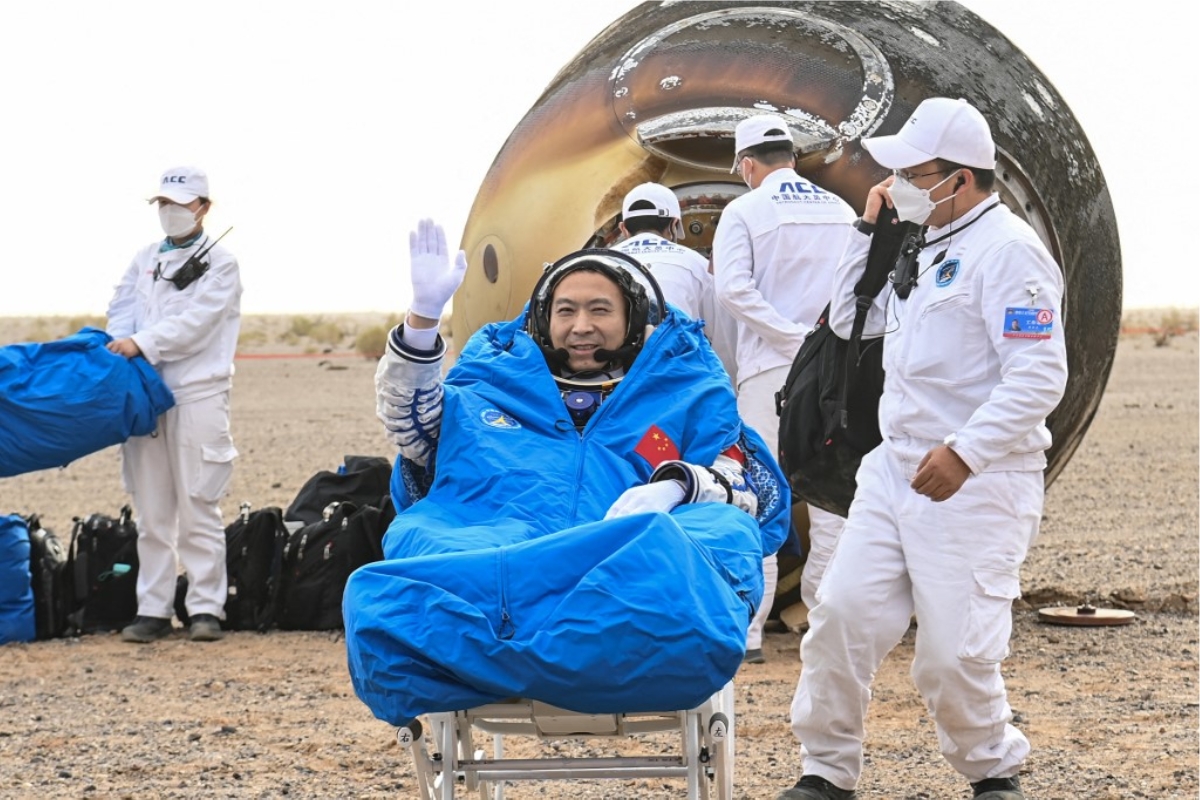
The Chinese Astronauts of Shenzhou-20 Were Rescued After Being Stranded at the Tiangong Station Due to Possible Space Debris Impact. After 204 Days in Orbit, They Returned Safely Using the Shenzhou-21 Capsule
The three astronauts of the Shenzhou-20 mission are finally back on solid ground after experiencing one of the most delicate situations ever recorded in China’s human spaceflight program. The team, consisting of Chen Dong, Wang Jie, and Chen Zhongrui, became stranded at the Tiangong station after a piece of possible space debris hit the capsule that was to be used for the return to Earth.
A Return Delayed by Almost Two Weeks
The mission had set a new milestone early on. It was 204 days in orbit, marking one of the longest stays ever conducted by taikonauts. The trip was supposed to end on November 5, but everything changed just hours before the planned departure. The reentry capsule sustained damage after the impact of an object that, according to CMSA (China’s Manned Space Agency) engineers, was likely space debris — a growing and widely monitored risk in the aerospace sector.
As a safety measure, the return was canceled, and the crew was ordered to stay at Tiangong while a backup capsule was hastily tested.
-
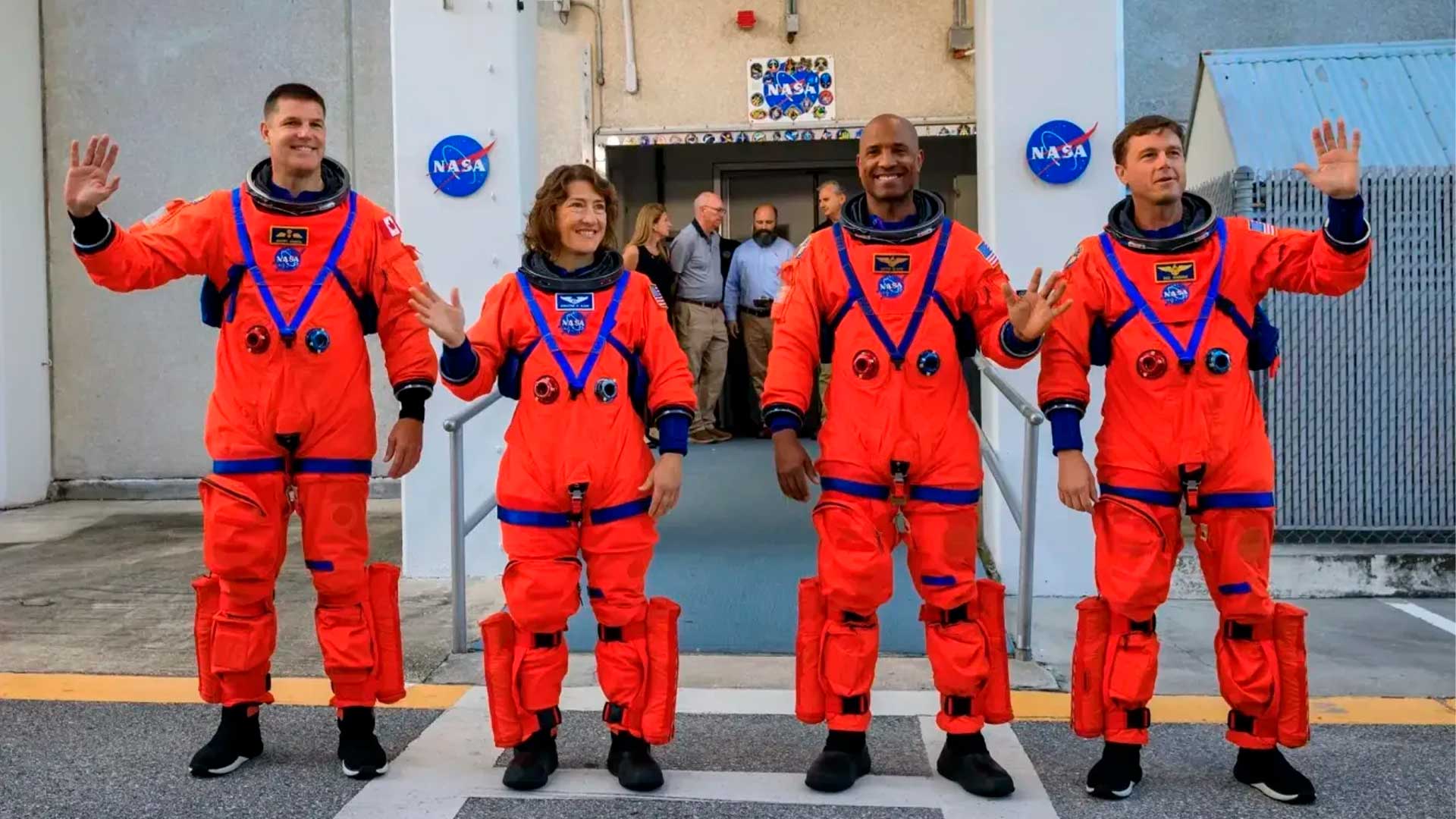
Returning to the Moon now costs a billion-dollar bill and reignites the competition between the USA and China for science, technology, and rare minerals on lunar soil.
-
While the world looks at oil, the war with Iran is already disrupting helium supply from Qatar, affecting car and iPhone chips, threatening AI expansion, and putting pressure on aluminum packaging at the highest value in four years.

-
Global warming will expose a treasure hidden under the ice of Antarctica and may spark an international dispute over gold and valuable minerals.

-
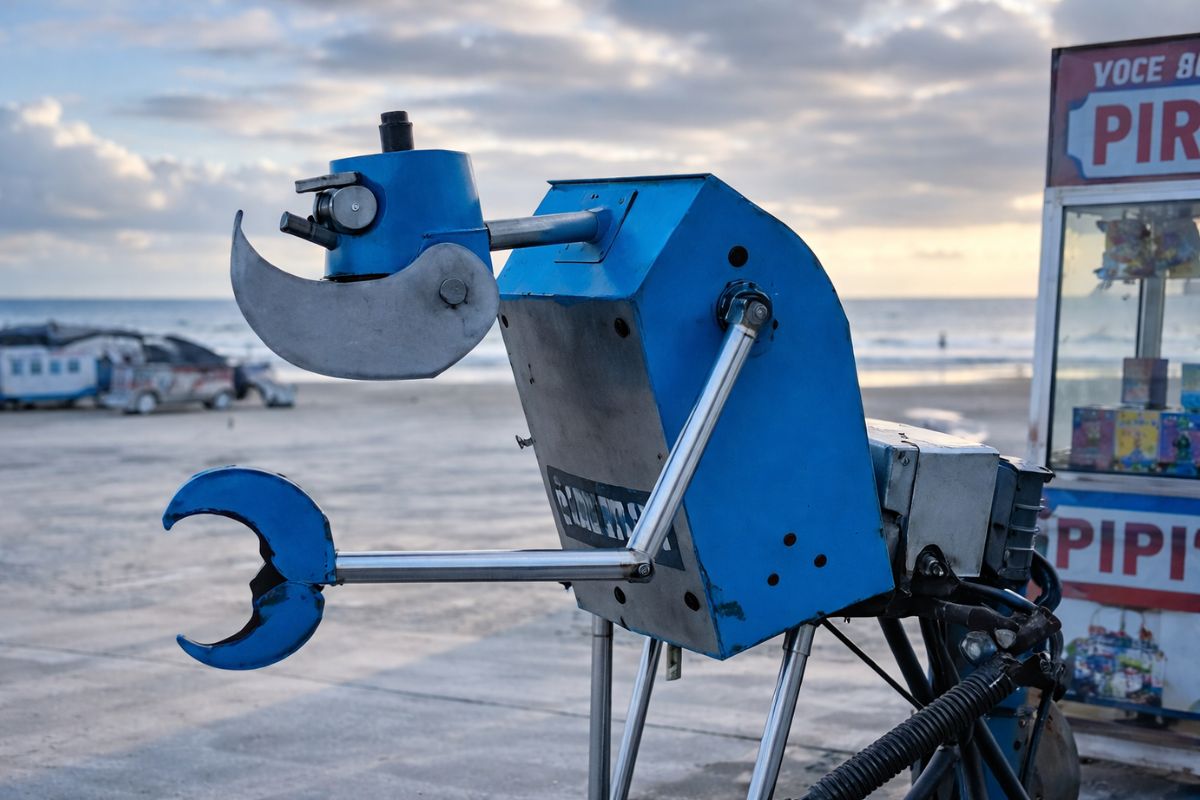
A street vendor from Praia Grande built a robot made of scrap from scooters and washing machines that pulls his popcorn cart on the beach, emits sounds, and interacts with customers, becoming an attraction on the coast of São Paulo.


The Solution: Return to Earth Using Another Ship
The answer came days later. Chinese engineers concluded that the only safe way to rescue the team would be to use the capsule from Shenzhou-21, which had transported the replacement crew to the station.
The procedure required precise logistics:
• The Shenzhou-21 undocked from Tiangong at 11:14 AM (Beijing Time) on Friday.
• At 2:49 PM, the return capsule separated from the orbital module.
• The landing occurred at 4:40 PM in the Inner Mongolia Autonomous Region in the north of the country.
According to the state agency Xinhua, the trio was rescued in good health and immediately started the readaptation protocols to Earth’s gravity.
What Happened to the Original Capsule?
The exact cause of the damage has not yet been confirmed, but the likely scenario is the most concerning: space debris. Earth is surrounded by hundreds of thousands of fragments — from rocket stages to nuts and bolts released during past missions. With more satellites being launched each year, the risk of collisions has been increasing, and incidents like this reinforce warnings made for years by experts.

A Chinese Record, But Far From the Biggest in History
The 204 days spent by Shenzhou-20 set an important milestone for China, although it falls short of the longest missions ever undertaken by astronauts from other countries.
• Butch Wilmore and Sunita Williams from NASA spent 286 days on the ISS between 2024 and 2025 due to failures in Boeing’s Starliner.
• The U.S. record belongs to Frank Rubio, who stayed 371 days in Earth orbit between 2022 and 2023.
• The absolute record still belongs to cosmonaut Valeri Polyakov, who lived 437 consecutive days at the former Russian Mir station from 1994 to 1995.
Despite the physiological impacts of long stays — such as loss of bone mass, muscle changes, and changes in circulation — most of these effects tend to regress within six months after returning to the planet, although many questions remain unanswered about how the human body truly reacts to long periods away from Earth.
A Warning for the Future
The Shenzhou-20 episode reinforces a concern shared by all space agencies: the risk posed by the growing cloud of space debris around the planet. Manned missions, communication satellites, scientific platforms, and even commercial constellations need to navigate through an increasingly crowded environment.
While China celebrates the safe return of its crew, the incident sends a clear message: the space near Earth is no longer the quiet environment it once was — and managing its risks will be one of the great tasks of the next generation of space exploration.








Seja o primeiro a reagir!