





 Português
  Inglês
  Espanhol
  3 min de leitura
  0 comentários


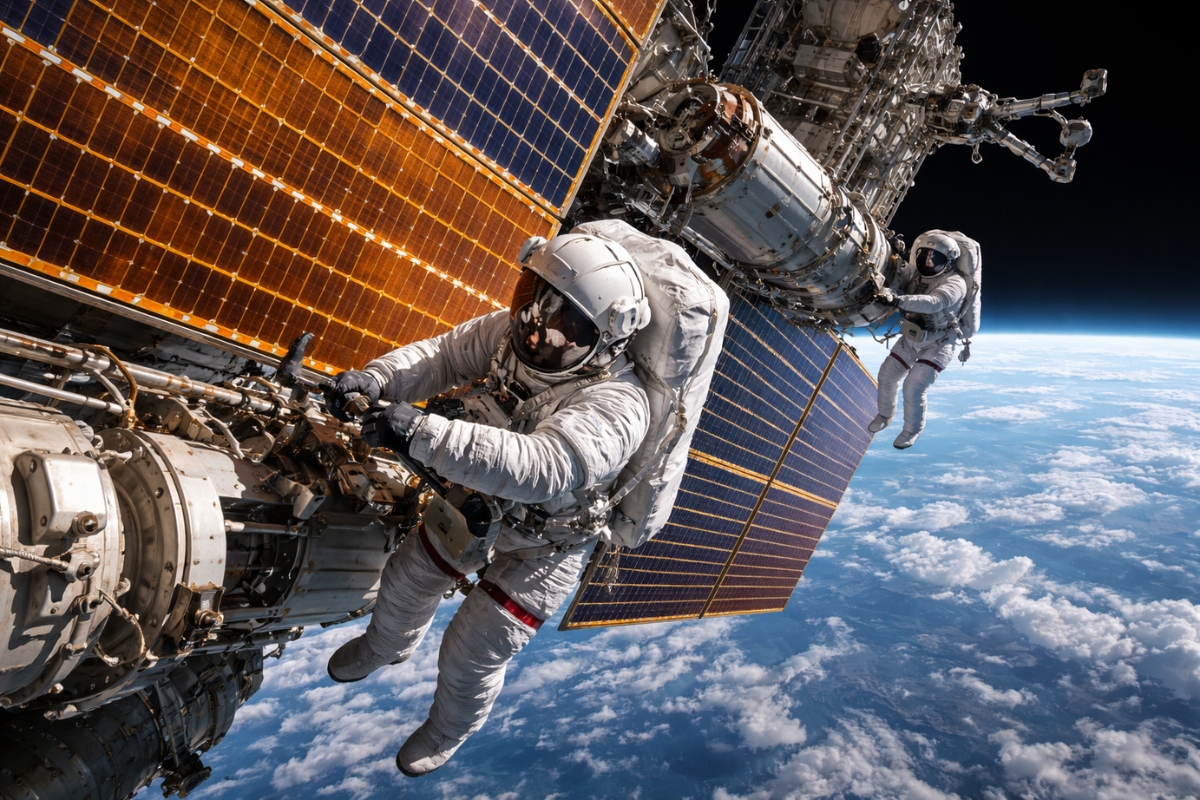
The first spacewalk in a year arrives with a concrete mission to install super solar panels at the International Space Station, reinforce the orbital energy network, and prepare a key platform to continue operating without margin for error outside Earth
The International Space Station welcomed a spacewalk from the United States after one year without this type of operation. The activity was completed by Jessica Meir and Chris Williams, who worked outside the orbital base.
The main mission was to prepare the 2A power channel to receive new foldable solar panels. In practice, this paves the way to increase the energy supply and sustain essential areas of the station more efficiently.
Mission resumed extravehicular activity after a year
The exit took place on March 18 and lasted seven hours and two minutes. The work marked the return of spacewalks by the American agency after a long interval without such actions.
-
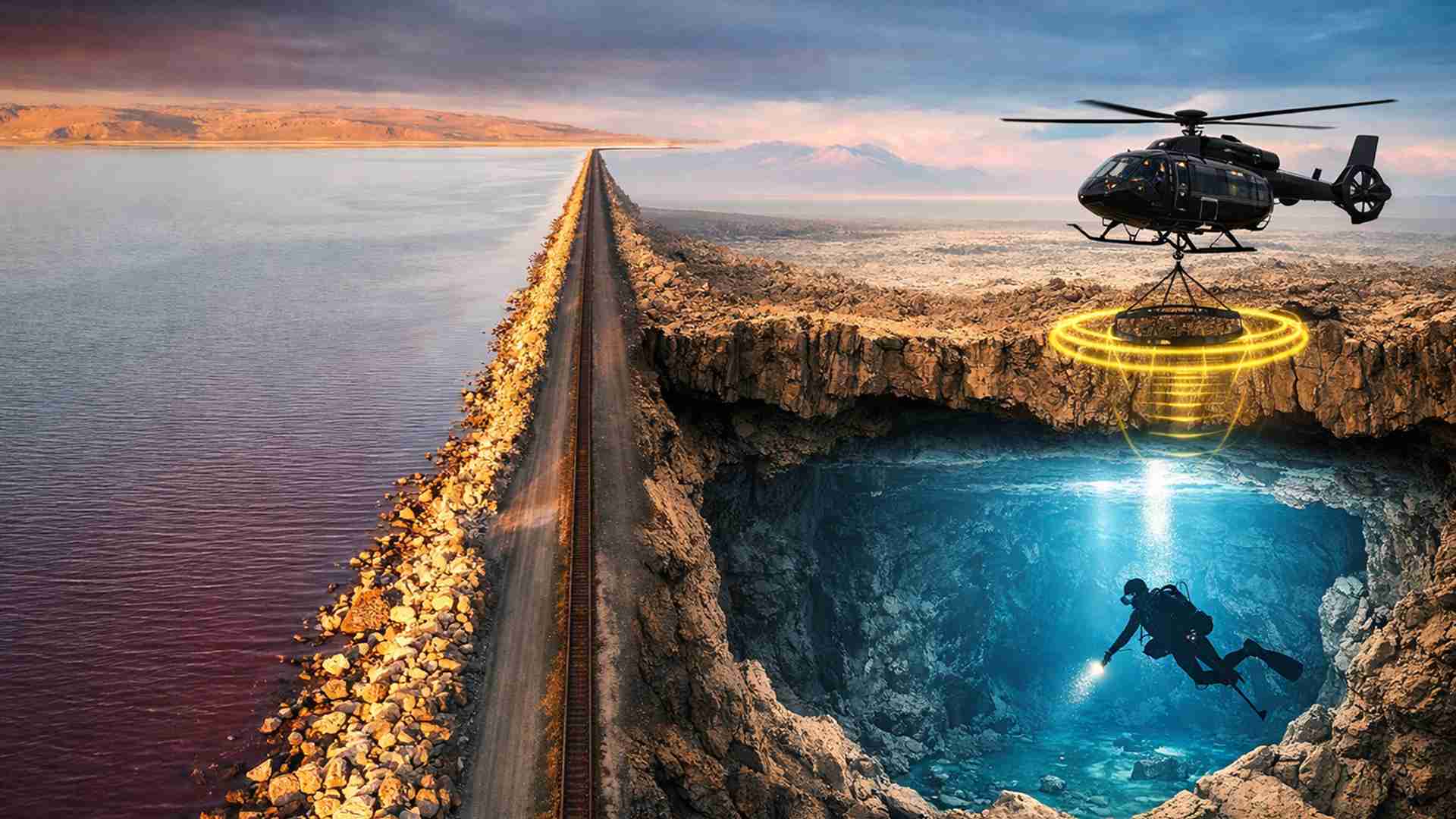
A gigantic freshwater reservoir appears beneath the Great Salt Lake, between 3 and 4 kilometers deep, surprising scientists with an unexpected flow towards the interior of the lake.
-
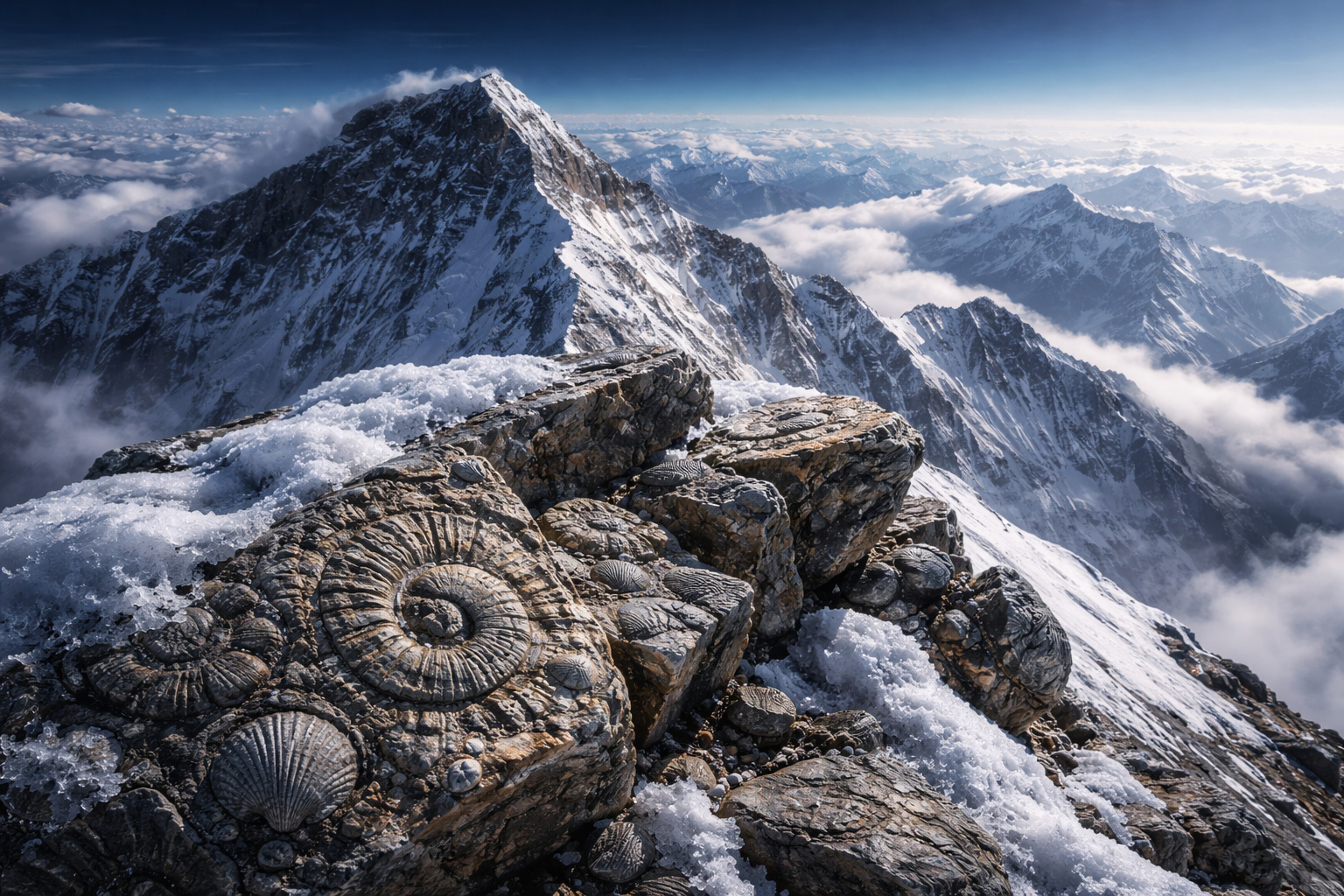
At over 8,800 meters above sea level, the summit of Mount Everest is made up of rocks that originated at the bottom of an ocean about 500 million years ago and were pushed to the highest point on Earth by the collision of tectonic plates.
-
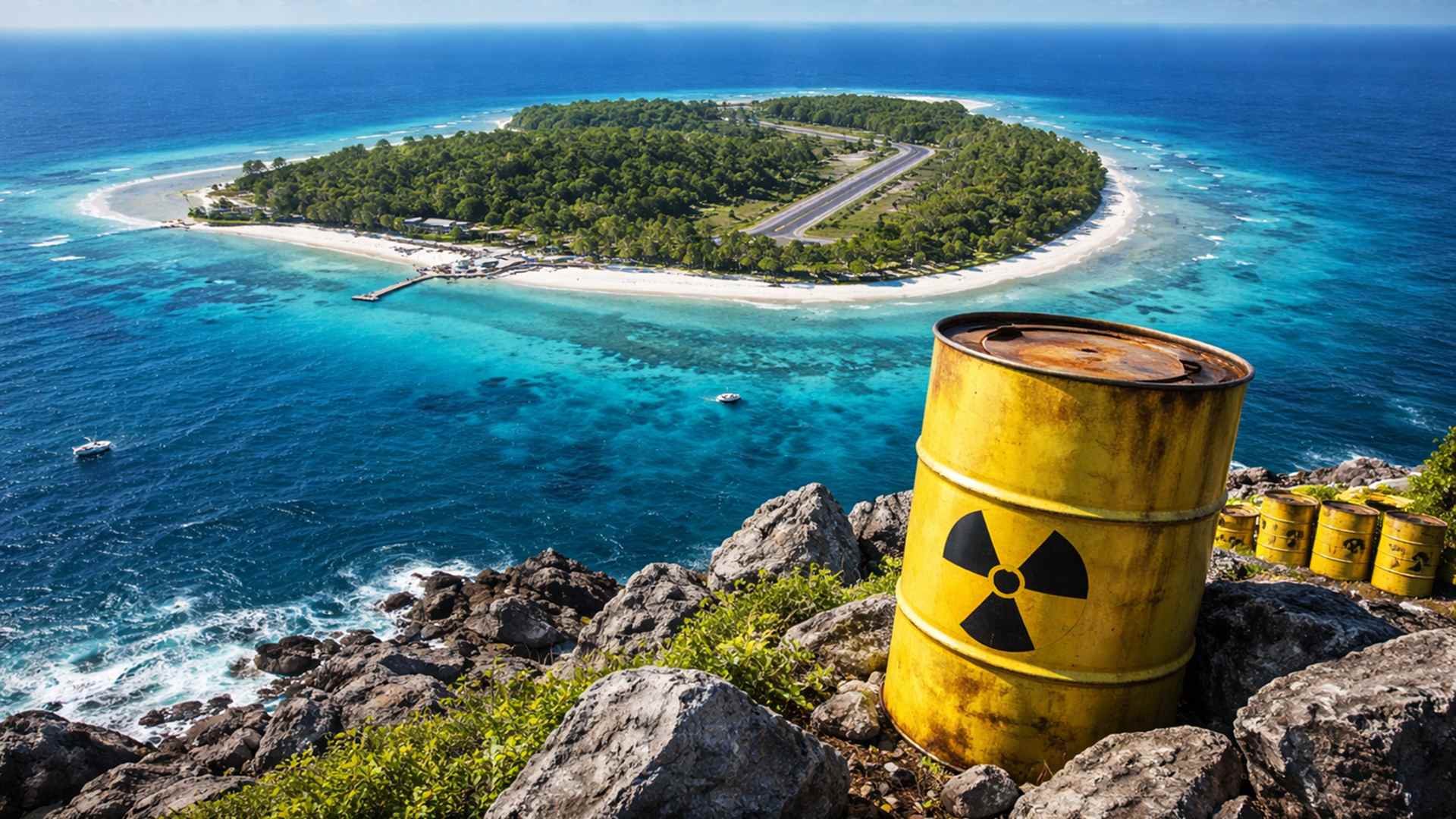
Japan targets a remote island in the Pacific measuring only 1.51 square kilometers, located 1,900 kilometers from Tokyo, to store nuclear waste for up to 100,000 years, raising alarms at sea.
-
A 1,900-year-old papyrus found in the Judean Desert reveals a crime of the Roman Empire involving fraud, forgery, and a detailed court hearing.


The focus was on reinforcing the electrical structure of the station. This advancement is important because the base relies on continuous energy to keep equipment, life support, and other operations running.
Channel 2A was prepared to receive the new panels

During the activity, the astronauts prepared the 2A system for the future installation of the new model solar panels. This measure should increase the energy capacity of the station by better utilizing the available sunlight in orbit.
In addition to this main front, the duo also installed a link cable in the same power system. This complements the technical preparation needed for the next stage of modernization.
Work expands station energy and sustains critical areas
According to NASA, the U.S. space agency responsible for the mission, the intervention will provide additional energy for the International Space Station and reinforce support for critical systems.
With this, the orbital base gains more margin to operate with stability. The expected result is a structure better prepared to maintain scientific activities and essential functions in a permanent microgravity environment.
Next spacewalk will have camera and microorganism collection
The next activity outside the station already has planned tasks. Future astronauts will need to install a cover on the lens of a camera attached to the Canadarm2, the robotic arm of the orbital structure.
Another mission will be to collect samples near the Quest airlock to check for the presence of microorganisms. This type of procedure helps to better understand how the space environment affects surfaces and equipment.
Date coincided with historical milestone of space exploration
The spacewalk occurred on the same day that marked 61 years since the first extravehicular activity in history. On March 18, 1965, the Soviet Alekséi Leónov became the first man to exit a spacecraft in space.
The experience, however, almost ended in tragedy. The suit inflated beyond expectations, making movement difficult and turning the return to the spacecraft into an extreme procedure, done under great physical risk.
First spacewalk almost ended in disaster
With the suit too rigid, Leónov lost mobility in his gloves and feet, which made his return difficult. To manage to get back in, he decided to reduce the air in the suit on his own and passed through the hatch headfirst.
Problems continued even after the return. There was an increase in the oxygen level inside the spacecraft, the automatic landing failed, and the capsule landed 400 kilometers from the expected point, in a dense forest area.
The new spacewalk reinforces how the maintenance of the station continues to require precision, preparation, and human resilience in extreme conditions. Every adjustment made outside directly influences the ability to keep the base active.
At the same time, the coincidence with the historical date amplifies the symbolic weight of the operation. The combination of energy expansion and the remembrance of a critical episode changes the strategic reading.





Seja o primeiro a reagir!