Portuguese
  Spanish


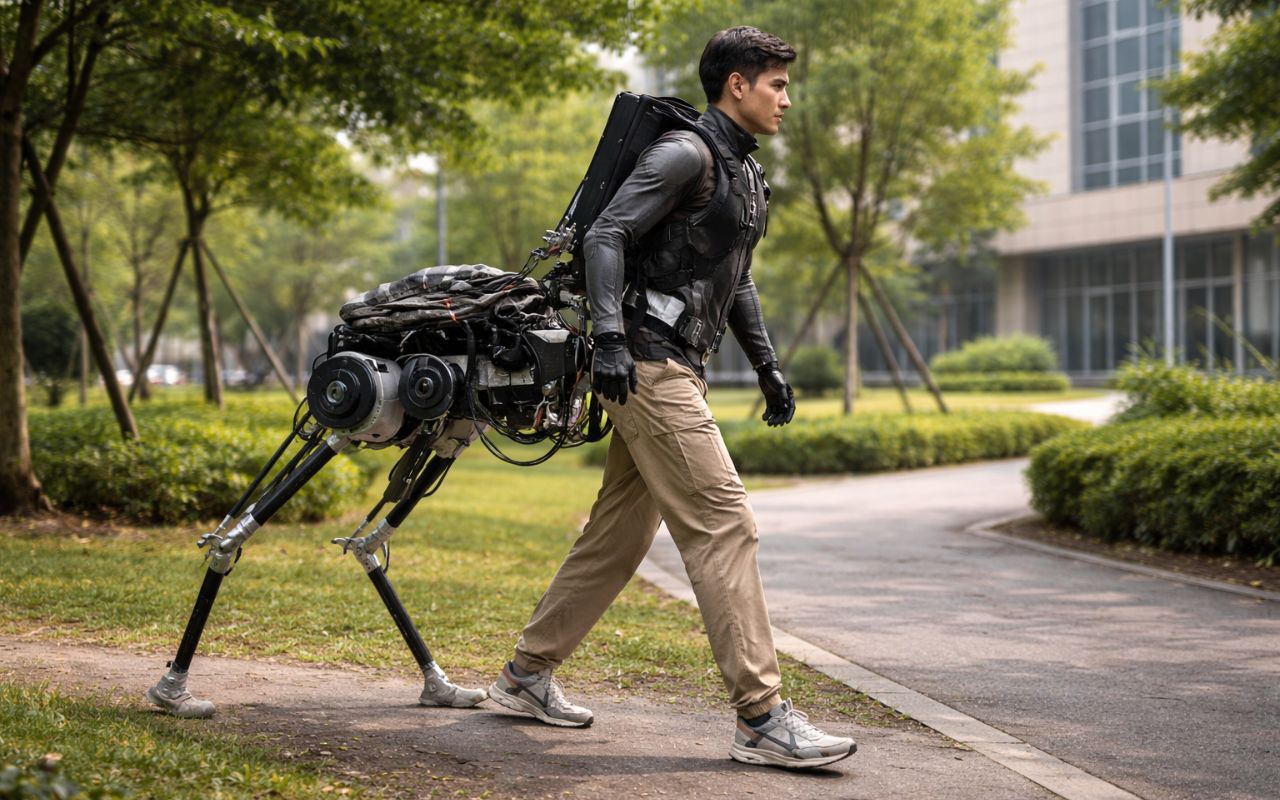

Centaur robot created by Chinese scientists improves balance, reduces physical effort, and facilitates cargo transport on different terrains.
The first results of the centaur robot are already impressive. In practical tests, Chinese scientists observed that the system reduced physical effort when transporting loads of up to 20 kg, as well as improving stability during walking.
The research, published in February 2026, revealed that the equipment increases the load-sharing rate between human and machine.
Read the study published here.
-
Netherlands Builds Giant 240-Meter Inflatable Barrier That Rises to Protect Cities from Storm Surges

-
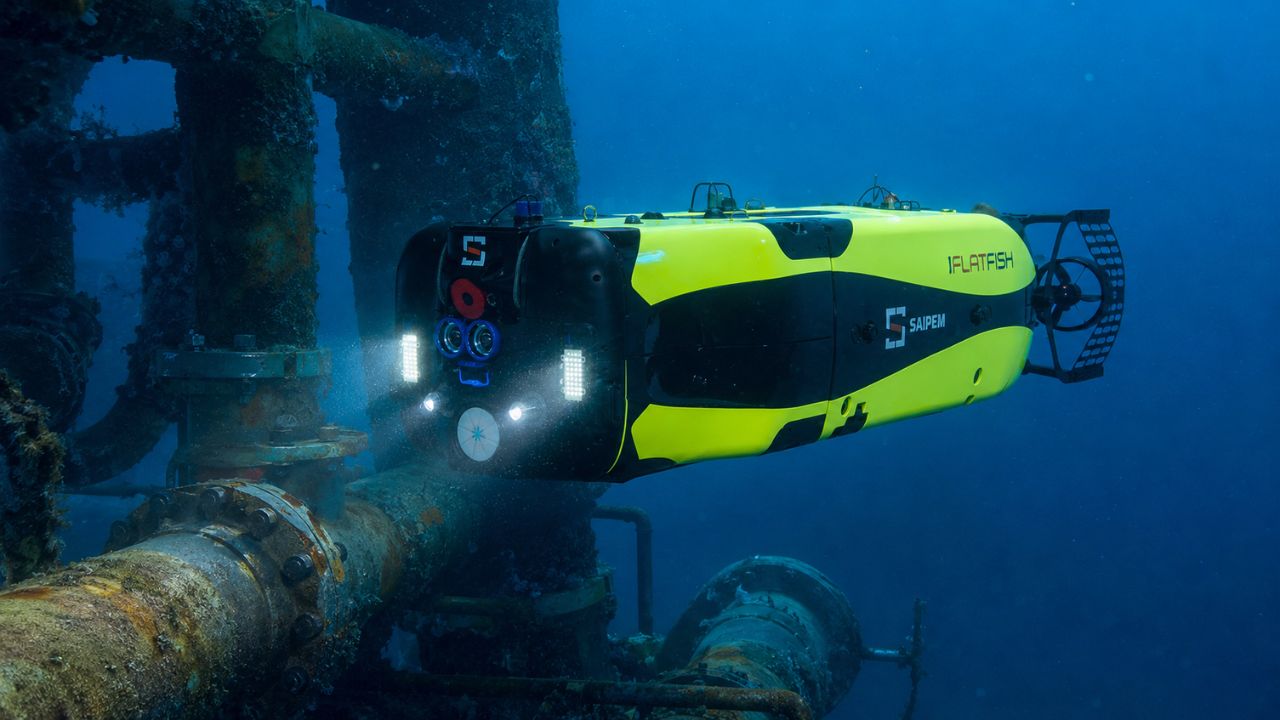
Brazilian Submarine Robot “FlatFish” Operates Independently at 3,000 Meters Depth to Inspect Seafloor Pipelines Without Support Vessels
-
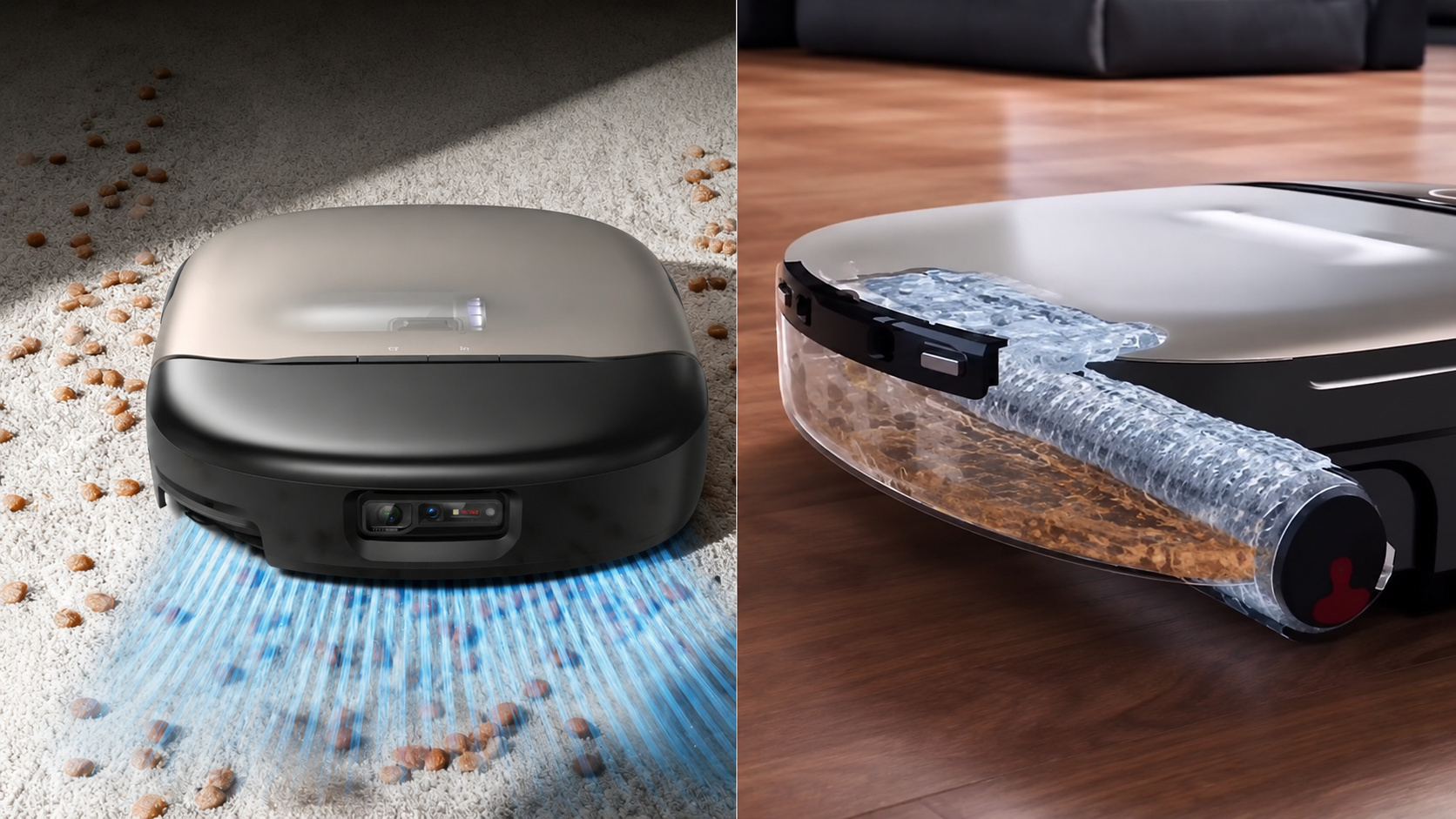
Eufy Unveils Omni S2: Advanced Robot Vacuum with 30,000 Pa Suction, Self-Cleaning Mop, AI Obstacle Avoidance, 12-in-1 Station, and Built-In Fragrance Dispenser

-
Swiss Glaciers Lose 10% of Volume in Two Years as Europe’s Largest “Water Tower” Dries Up; Scientists Use “Smart Stones” in the Alps to Gauge Remaining Water Supply for 170 Million People


As a consequence, the human body expends less energy — the so-called metabolic cost.
Additionally, there was a significant improvement in lateral balance, making locomotion safer compared to the use of conventional backpacks.
Centaur robot adapts to different terrains and speeds
Another highlight of the technology is its adaptability. During the experiments, the centaur robot kept up with different speeds and directions of human walking without losing performance.
This is only possible thanks to an advanced locomotion and interaction control system. It coordinates the robot’s movements with those of the user in real time.
Moreover, a swinging leg controller automatically adjusts the stride according to the terrain.
Thus, the equipment can operate on uneven or inclined surfaces more efficiently. The base of the centaur robot is a quadrupedal system formed by the integration of human and machine.
It has two independent robotic legs, each with three degrees of freedom, as well as a mechanical torso.

This set is connected to the human body by a passive damping elastic mechanism. In practice, this helps absorb impacts and improve weight distribution.
With this configuration, the load is redistributed vertically, reducing pressure on the human body. At the same time, the system generates forward thrust, facilitating walking.
Human-robot integration ensures more balance and control
One of the differentiators of the centaur robot is the way it interacts with the user. The system uses a compliance-based model, allowing dynamic decoupling between human and machine.
This means that the robot can operate with a certain degree of independence without compromising the user’s control. As a result, the experience becomes more stable and natural.
Furthermore, this integration improves overall balance and reduces the impact of repetitive movements during walking.
The idea behind the centaur robot is simple: to enhance human physical capacity in demanding tasks. Therefore, the technology was developed with situations that require prolonged effort in mind.
Among the possible applications are cargo transport, rescue operations, and activities in difficult terrains. In these situations, the robot can make a difference by reducing physical wear.
Additionally, the innovation may pave the way for future solutions aimed at assisted mobility.
Technology can transform logistics and physical work
The centaur robot represents an important advance in the evolution of interaction between humans and robots. By acting as an extension of the body, it amplifies strength without compromising the natural control of movements.

On the other hand, the technology is still in the experimental phase. This means that challenges such as cost, large-scale production, and accessibility still need to be overcome.
Even so, the initial results indicate a promising future. With the advancement of research, the centaur robot could become a common solution to reduce physical effort and increase efficiency in various areas.
Source: CNN