





 Português
  Inglês
  Espanhol
  4 min de leitura
  0 comentários


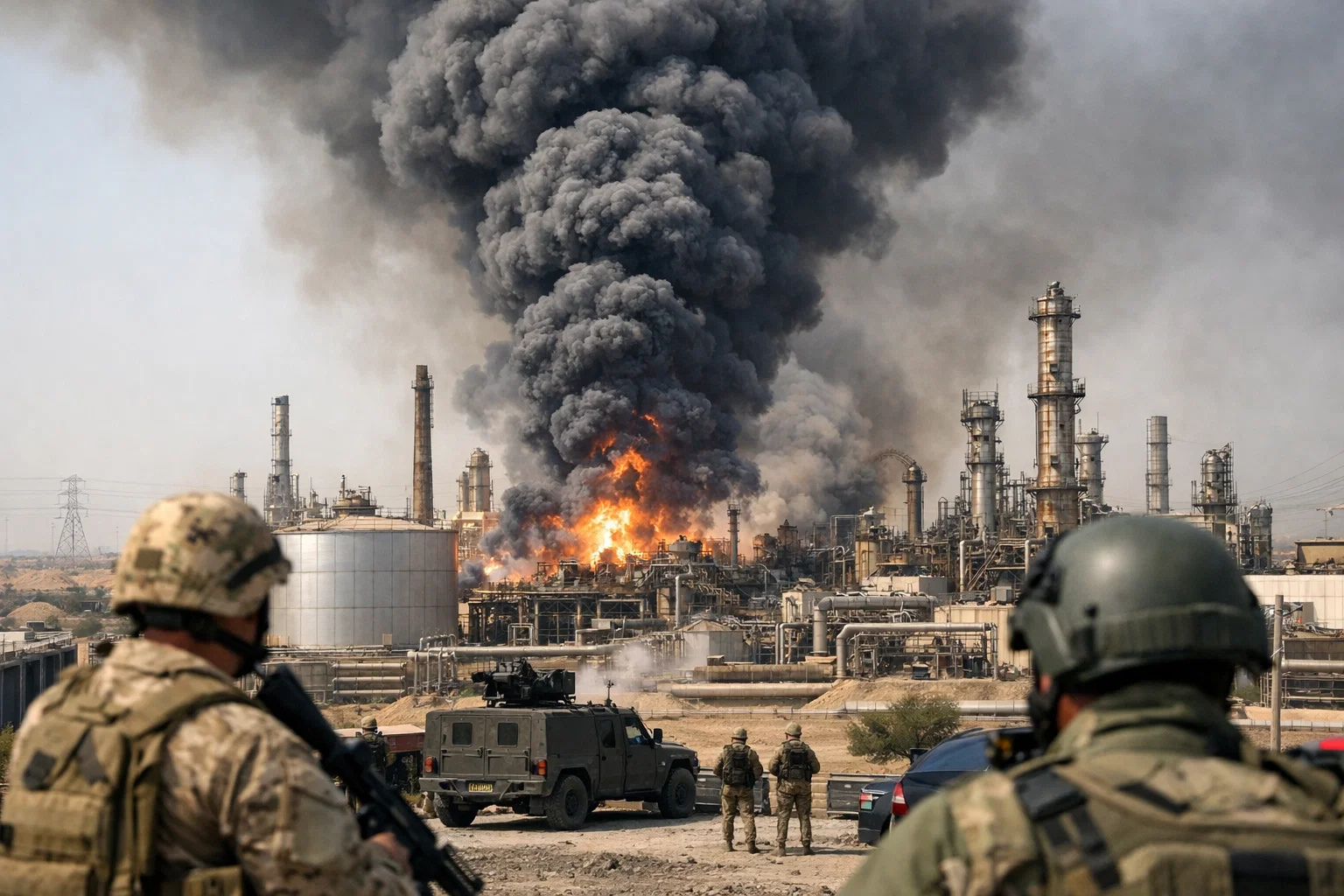
Iranian Offensive Against Energy Infrastructure in Bahrain Increases Risk of Military Escalation and Reinforces International Concern About Stability in the Middle East
Tensions in the Middle East have intensified once again following an attack involving strategic energy infrastructure. The main oil refinery in Bahrain, operated by Bapco, was hit by an Iranian drone on Monday (9), causing structural damage and leaving people injured in the region. The incident reinforces the geopolitical instability that has marked the area in recent weeks and raises concerns about potential impacts on the global energy market.
The information was reported by the website “O Antagonista,” based on data released by local authorities and international reports. According to the portal, the attack occurred amid escalating tensions between Iran, the United States, and Israel, which have already been involved in a series of military confrontations in the Middle East.
Strategic Refinery in Bahrain Hit and Sparks Alert in the Region
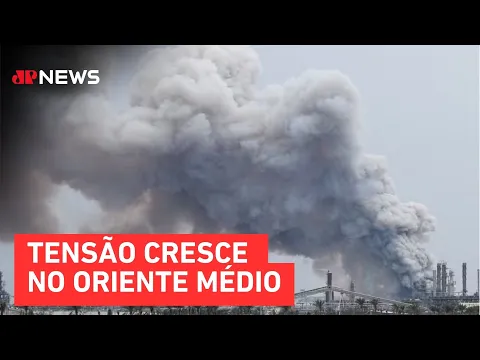
According to official reports, the Bapco oil refinery, considered one of the most important facilities in the energy sector of Bahrain, was a direct target of an Iranian drone. After the impact, a thick column of smoke could be seen rising from the industrial area, signaling the severity of the incident.
-
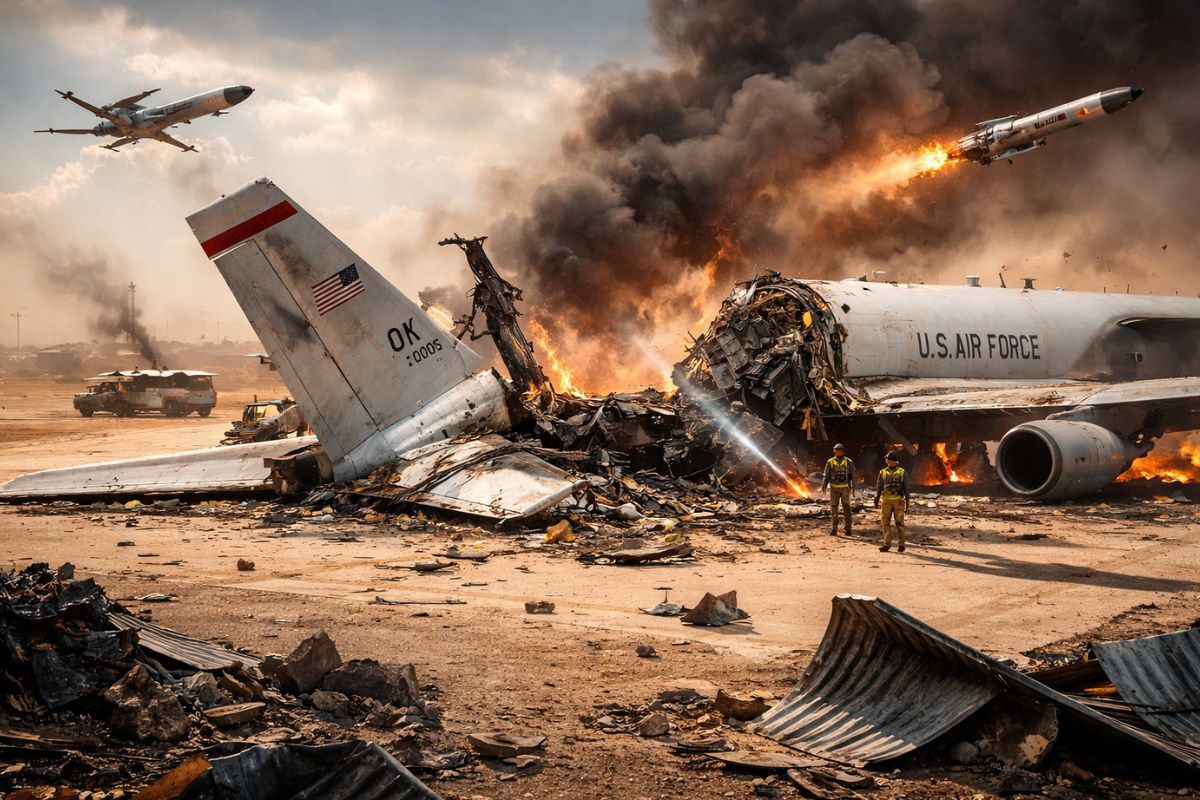
Iranian drones and missiles destroyed a 270 million dollar American spy plane in Saudi Arabia, splitting the E-3 Sentry aircraft in half and injuring 12 military personnel in an attack that exposes the vulnerability of U.S. bases in the Persian Gulf.
-
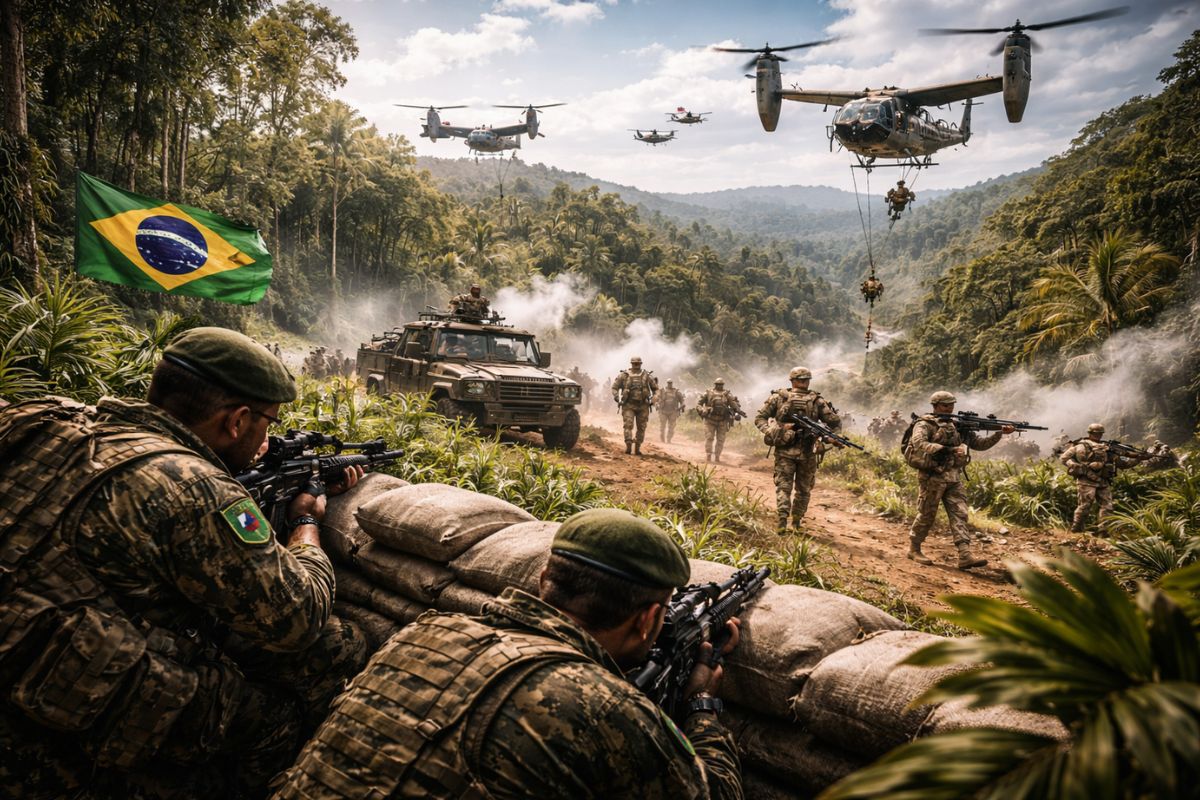
If the USA were to go to war with Brazil, Washington’s greatest fear would not be the attack itself, but facing a vast territory, prolonged resistance, and a costly, chaotic, and unpredictable occupation.
-
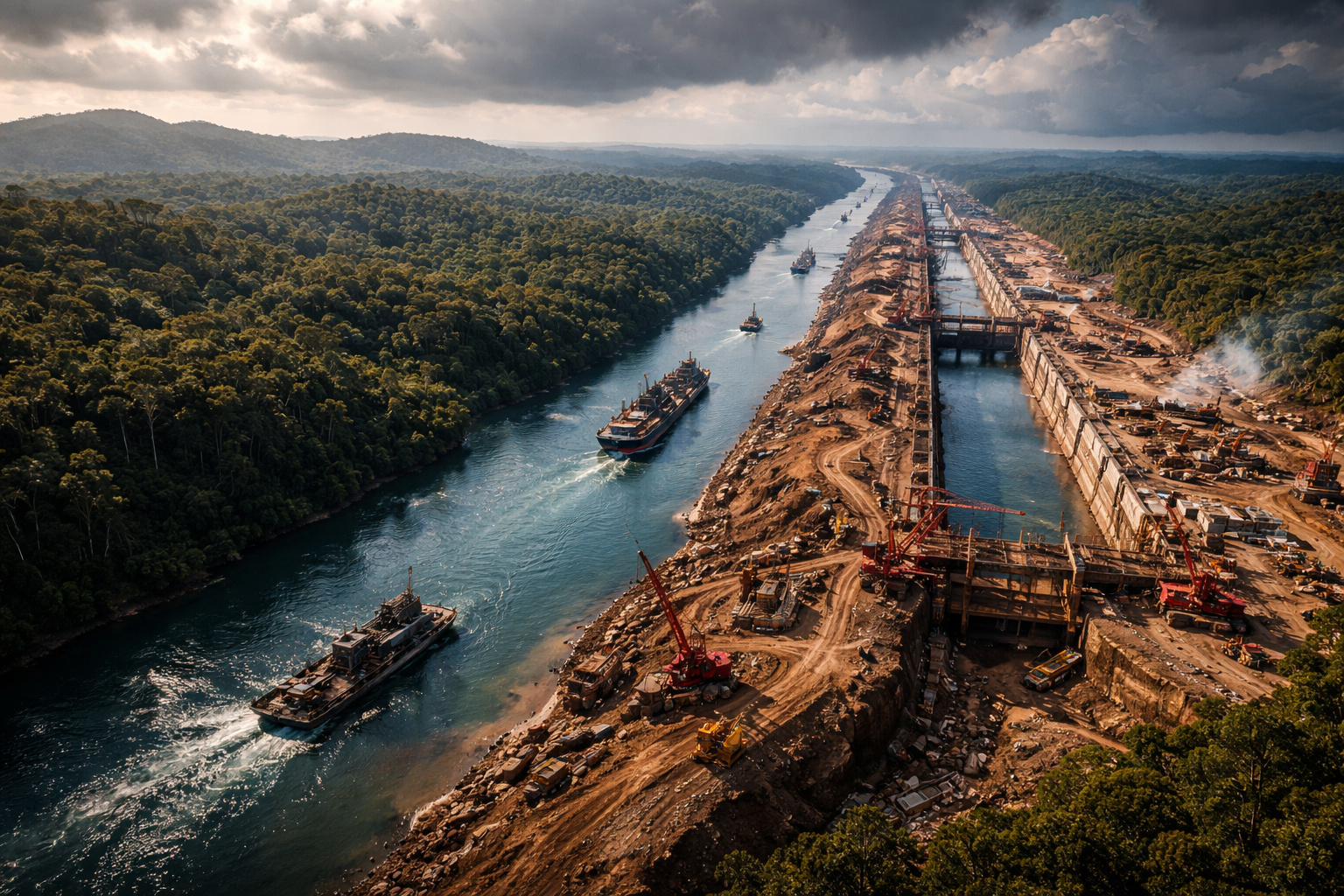
In 2013, Nicaragua sold the concession for a canal to rival Panama to a Chinese billionaire who lost 85% of his fortune, disappeared, and was declared bankrupt. Now the project resurfaces with a new route, a new Chinese partner, and a cost of $64.5 billion.
-
The USA announces a mysterious billion-dollar vault project to store critical minerals, but what intrigues experts is not just the plan itself, but why Latin America, including Brazil, has entered the center of this global dispute against China.


Witnesses reported that smoke engulfed the region shortly after the attack, raising concerns among residents and authorities. The Bahraini government stated that the episode caused injuries and material damage in the city of Sitra, located about 6 kilometers from the industrial zone where the refinery is located.
According to local authorities, at least 32 people were injured as a result of the Iranian offensive against the region. Emergency teams were quickly mobilized to assist those affected and assess the damage caused to the energy infrastructure.
The Bapco Energies refinery plays a central role in the country’s fuel supply. For this reason, any attack on the facility raises concerns not only in Bahrain but also throughout the regional energy market.
Following the incident, the company responsible for the complex declared force majeure in its operations on Monday, a measure used in exceptional situations that prevent normal activity.
Despite the situation, the company stated that fuel supply to the domestic market remains guaranteed and that there is currently no forecast for an interruption in national supply.

Escalation of the Conflict in the Middle East Involves United States, Israel, and Iran
The attack on the refinery occurs at a particularly delicate moment for international politics. In recent days, the Middle East has been the stage for a new round of confrontations involving regional and global powers.
According to information released by international outlets, the United States and Israel launched on Saturday (28) a series of attacks against Iran, amid rising tensions related to the Iranian nuclear program.
In response to military actions, the Iranian regime initiated a series of retaliations against Middle Eastern countries hosting U.S. military bases. The mentioned countries include United Arab Emirates, Qatar, Bahrain, Kuwait, Jordan, and Iraq.
This movement has significantly increased the risk of a broader regional conflict, involving multiple countries and directly affecting strategic energy routes.
Death of the Iranian Supreme Leader Increases Global Tension Further
Another episode that intensified the crisis was the announcement made by Iranian state media last Sunday (1). According to official press, the Supreme Leader of Iran, Ayatollah Ali Khamenei, was reported to be one of the victims of the attacks carried out by the United States and Israel.
Following the news release, Iranian officials reacted with strong statements. The country threatened to launch the “heaviest offensive in history” in response to military actions.
The Iranian President Masoud Pezeshkian stated that Iran considers retaliation against the Israeli and American attacks a “legitimate right and duty” of the country.
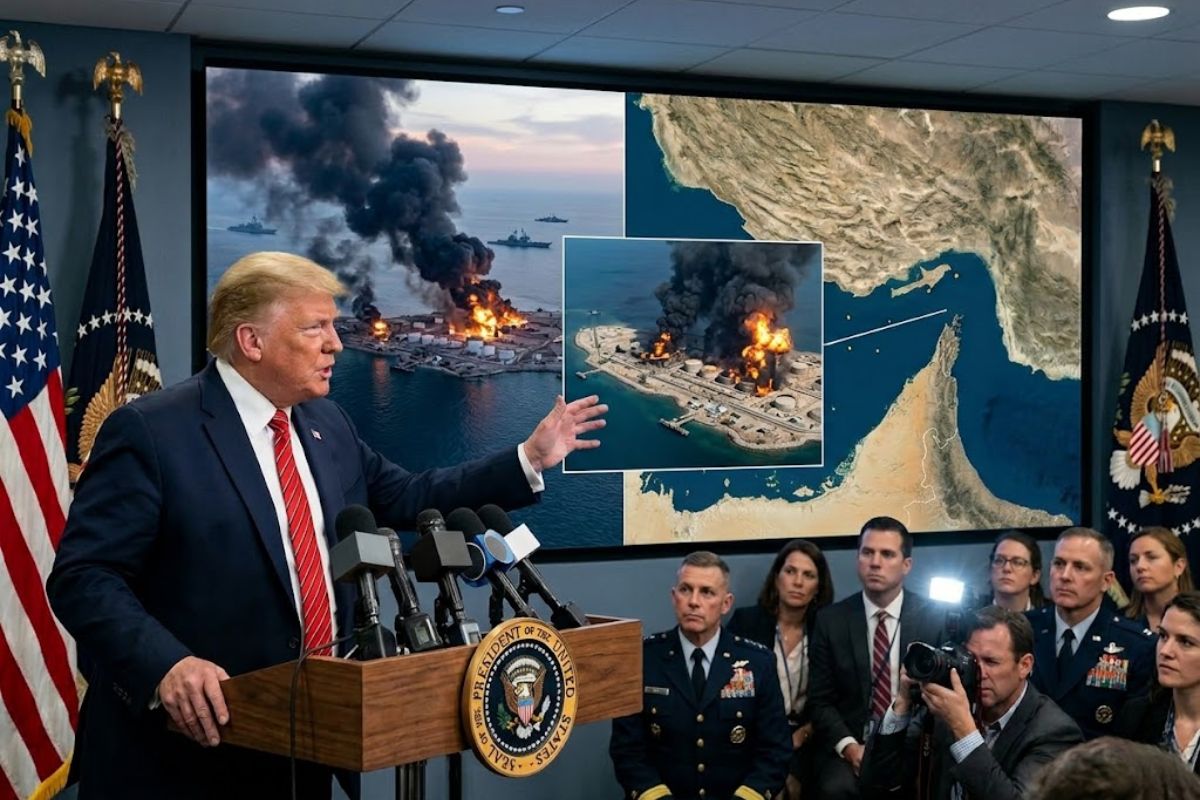
Meanwhile, on the American side, statements also indicated a hardening of posture. President Donald Trump, who has influenced the political debate about U.S. foreign policy, stated that Iran should avoid further retaliatory actions.
“They better not do it, because if they do, we will strike them with a force unlike anything ever seen,” he declared.
Additionally, Trump had previously stated that attacks against Iran could continue “uninterrupted for the entire week or as long as necessary to achieve our goal of peace throughout the Middle East and indeed the world”.
Conflict Could Generate Global Impacts on the Energy Market
In light of this military escalation scenario, international analysts warn that attacks against energy infrastructure — such as refineries and pipelines — could have significant economic consequences.
Bahrain occupies a strategic position in the Persian Gulf, a region responsible for a large portion of global oil production. Thus, any threat to local energy security can directly influence global oil prices.
For this reason, the attack on the Bapco refinery raises the alert level among investors, governments, and international security experts.
As diplomats attempt to prevent a further escalation of the conflict, the world watches closely the next developments in the crisis in the Middle East — a region that continues to play a decisive role in global political and energy stability.
Source: CNN Brasil






Seja o primeiro a reagir!