





 Portuguese
  English
  Spanish
  3 min of reading
  0 comments


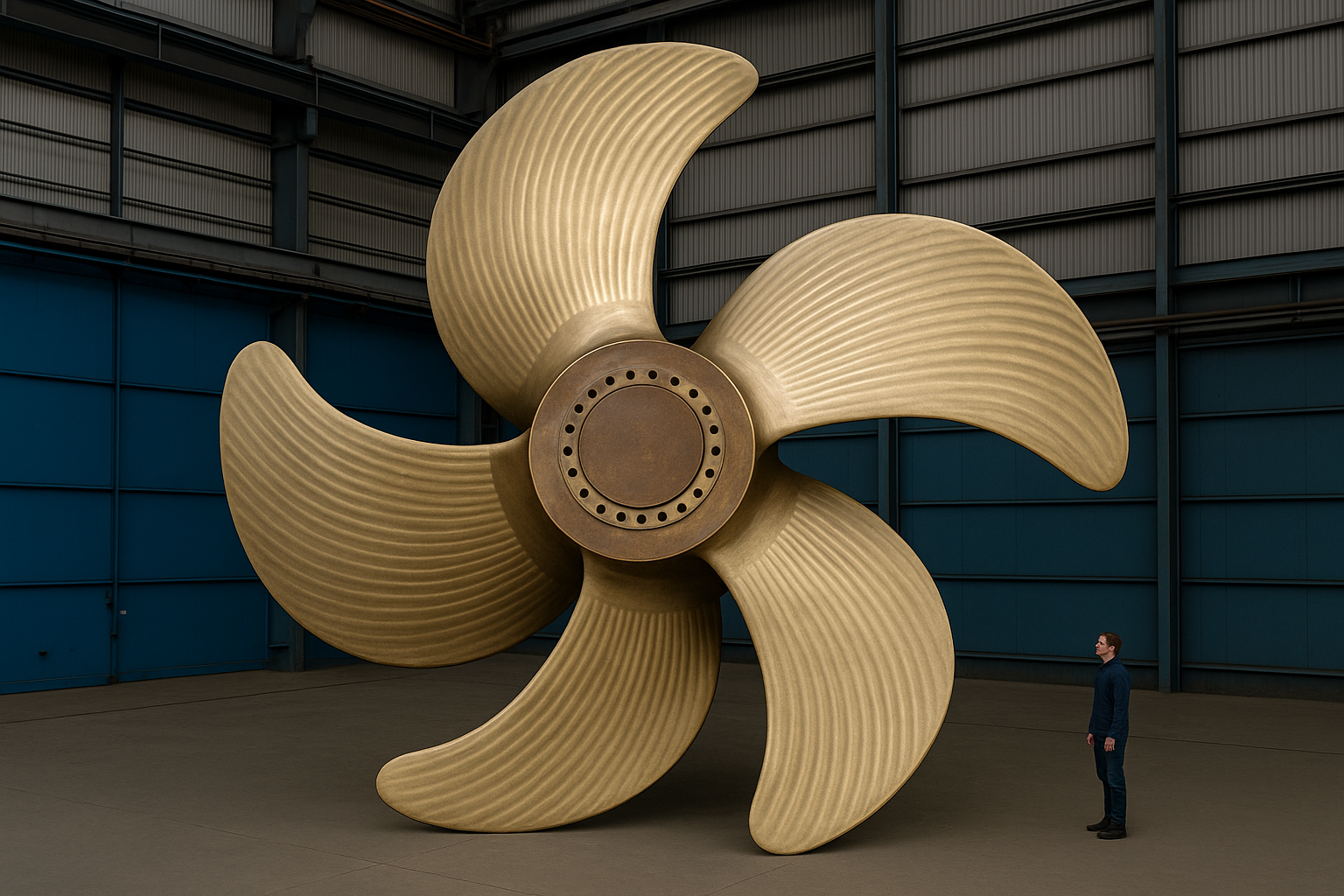
The Largest Propellers In The World Reveal The Impressive Strength And Precision Behind Global Maritime Transport, With Records Of Size And Weight That Challenge Naval Engineering
In the world of naval engineering, some structures stand out for their size and complexity. Among them are the propellers of the largest ships on the planet. The largest propeller ever built has a diameter of 10.5 meters, according to estimates published in 2018. This would be equivalent to the height of a three-story building. Its size is impressive and reveals the strength behind global maritime transport.
The Propeller Of The MSC Gülsün
Produced in 2018 by the German company Mecklenburger Metallguss GmbH (MMG), a world reference in the manufacture of naval propellers, this propeller was made for the MSC Gülsün ship.
The vessel, from the 23,000 TEU (Twenty-foot Equivalent Unit) class, is part of the fleet of Mediterranean Shipping Company (MSC), one of the largest cargo operators in the world. The propeller weighs about 110 tons.
-
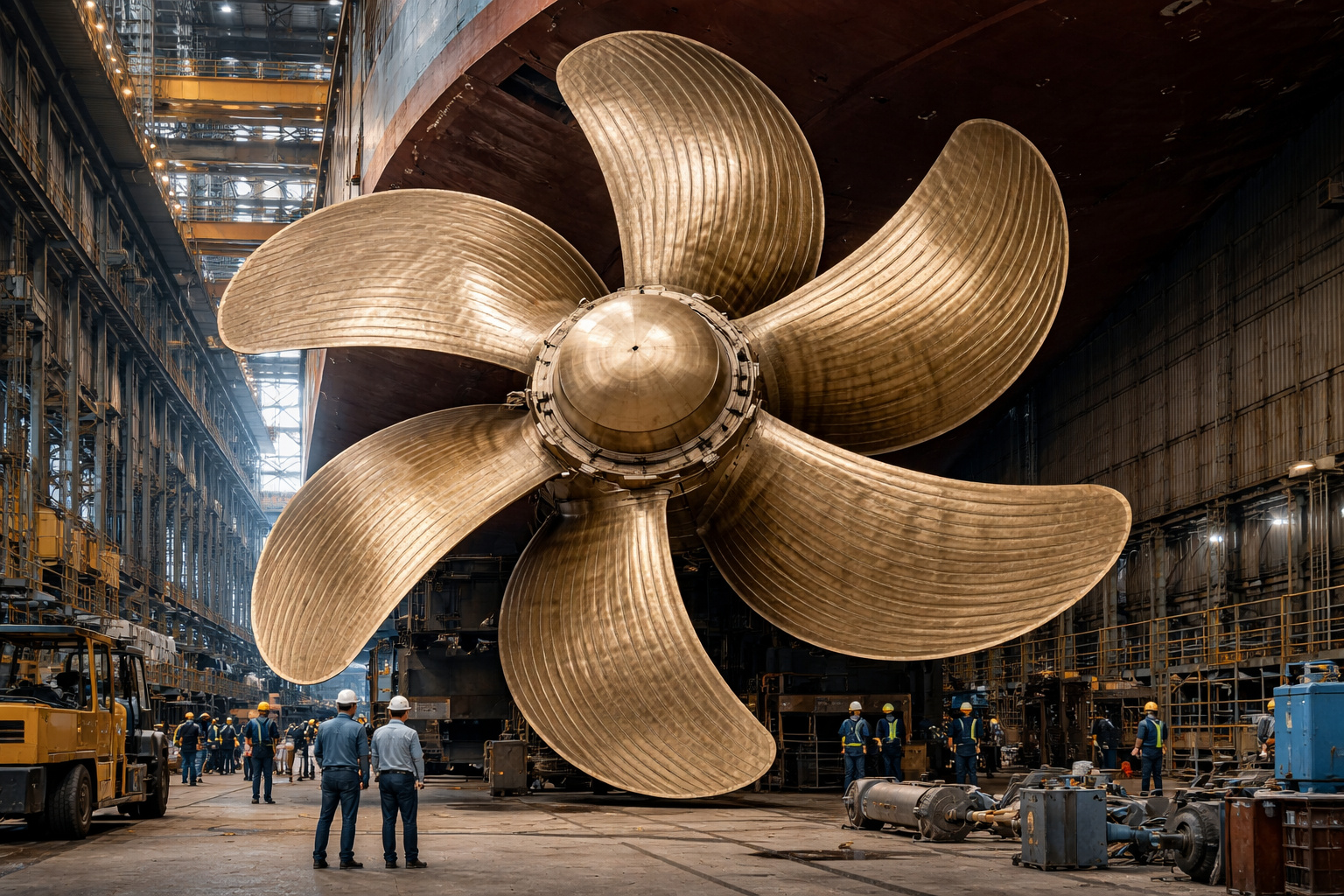
How a 131-ton, 11-meter propeller supports 90% of global trade and transforms the largest container ships on the planet.
-
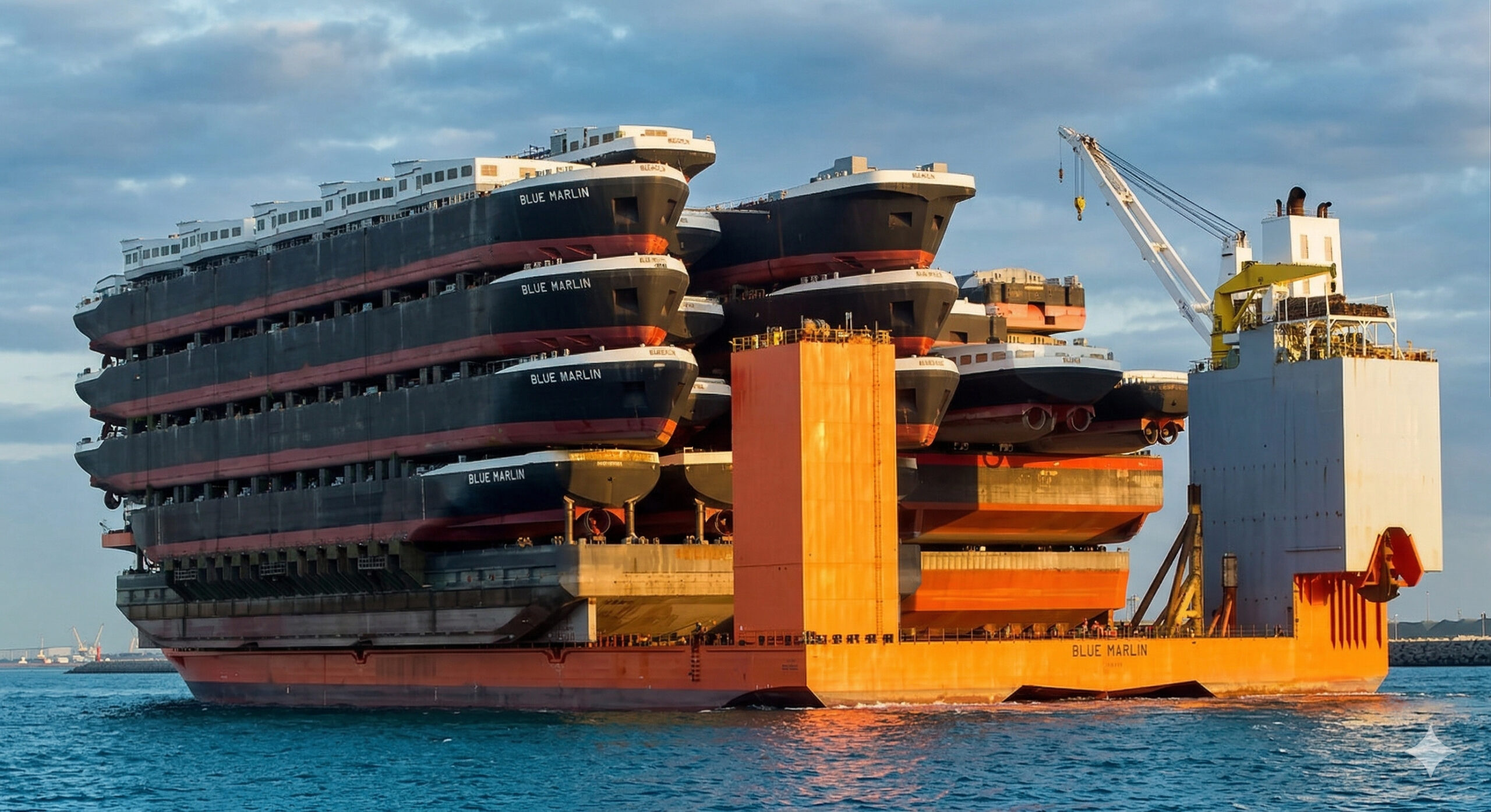
With a length of 225 meters and a capacity of 76 thousand tons, this ship “sinks” its own deck down to 28 meters deep to accommodate war destroyers, oil platforms, and giant radars floating above, and then emerges with everything intact on top like a colossal tray crossing oceans.
-
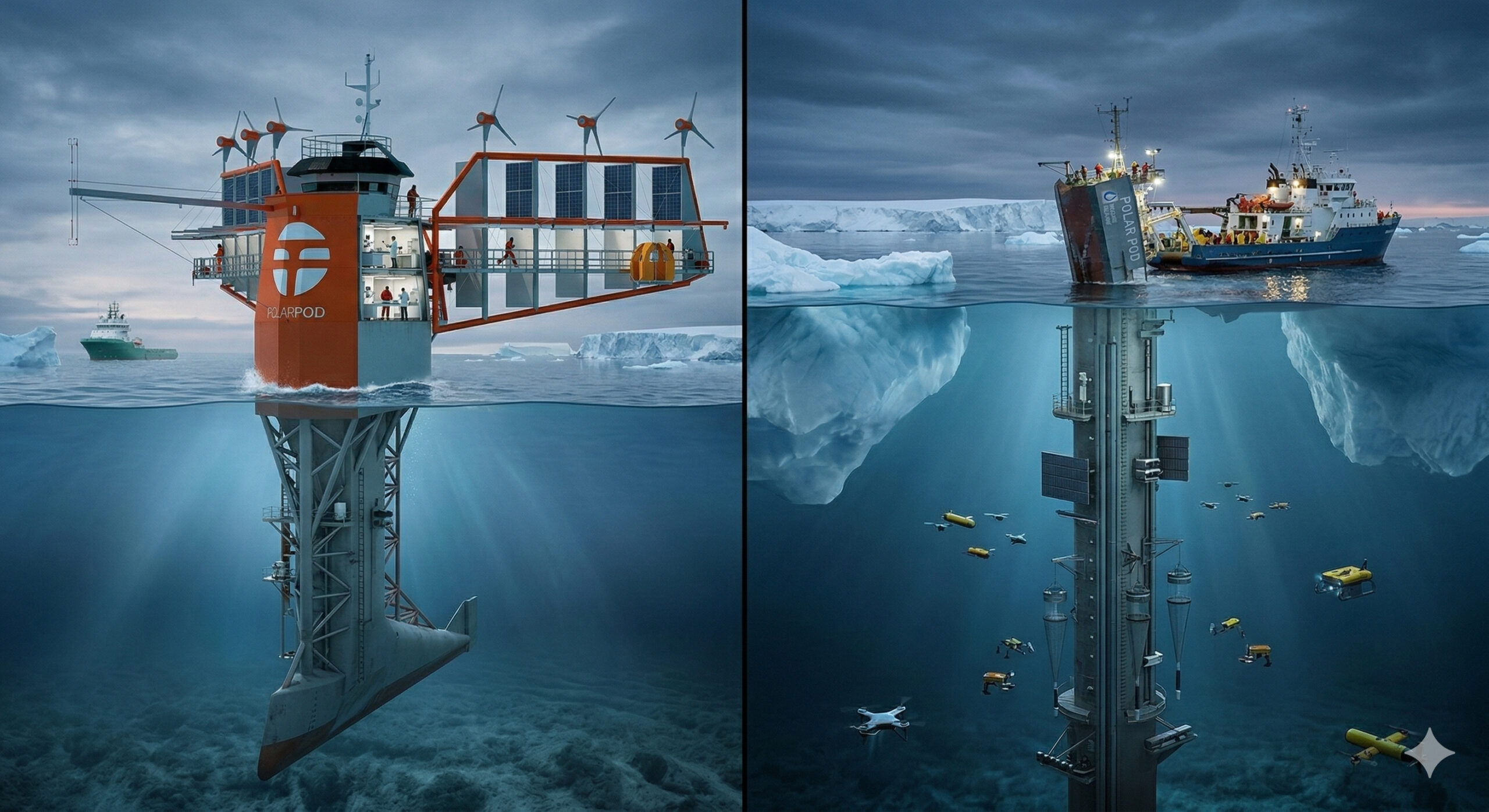
A 100-meter platform without a motor, without a keel, and operating upside down rotates 90 degrees in the ocean, sinks 75 meters, and drifts around Antarctica for two years driven by the planet’s most powerful current to study the largest carbon sink on Earth, still poorly understood by science for accurate climate modeling.
-
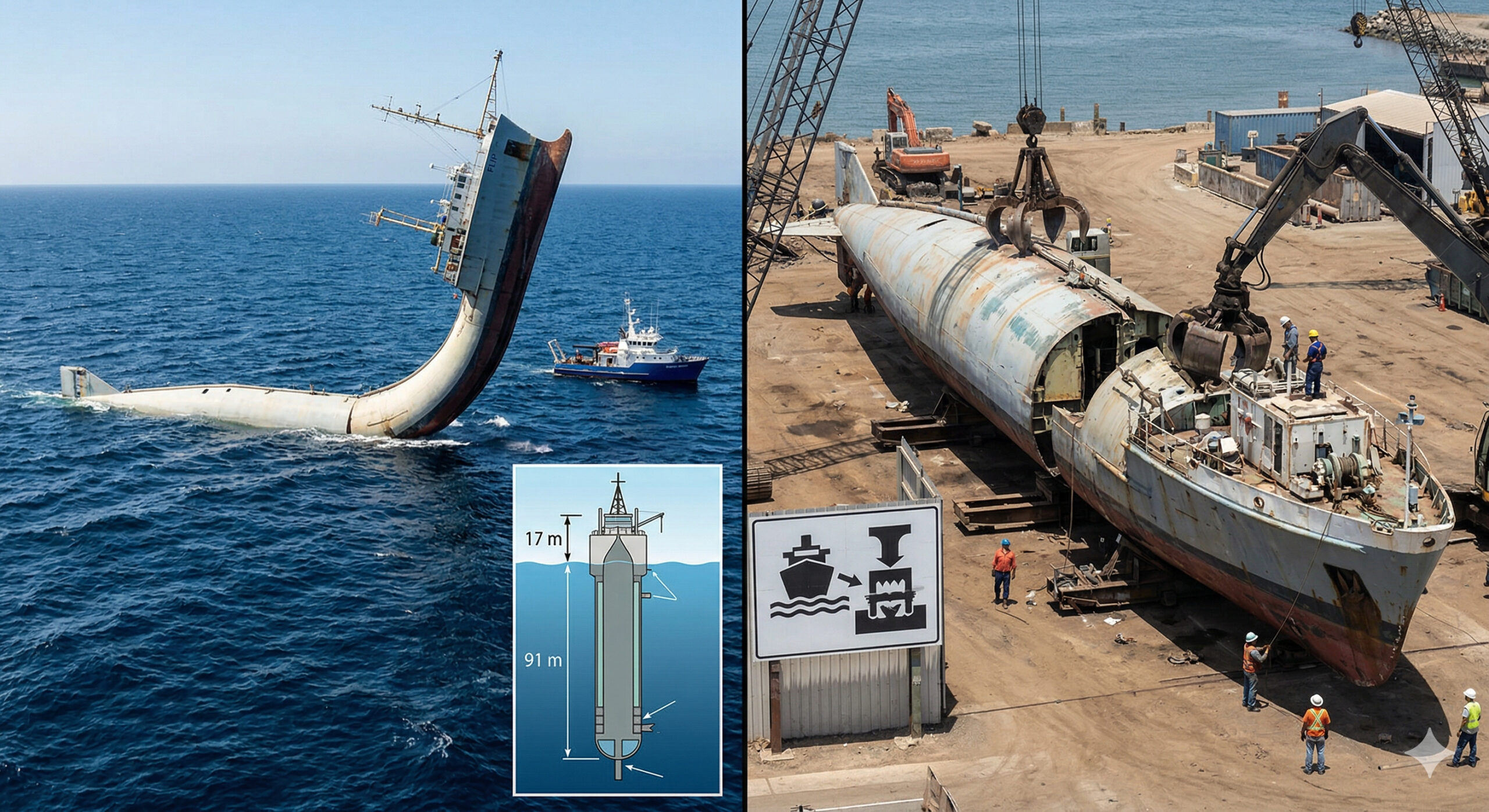
With a length of 108 meters and a giant spoon shape, the FLIP was the only ship in the world capable of rotating 90 degrees in the ocean and remaining vertical, with 91 meters submerged, operating for 60 years until it was retired and sent to the scrapyard in 2023.

The production of a propeller with these dimensions requires a highly precise industrial process. The casting involves special sand molds, strict control of temperature and chemical composition.
After casting, machining and balancing take place, which are fundamental steps to ensure optimal performance, minimize vibrations, and reduce noise during navigation. These precautions are essential for both the vessel’s efficiency and the crew’s comfort.
The Material And Power Involved
The material used in manufacturing is a bronze-aluminum alloy. This alloy offers high resistance to corrosion and ensures long durability even under the intense demands of naval engines.
With its 10.5 meters in diameter, the propeller of the MSC Gülsün is powered by an engine of approximately 80,000 horsepower, capable of propelling a ship that is more than 400 meters long across the oceans.
The Heaviest Propeller In The World
Although it holds the record for the largest diameter, this is not the heaviest propeller ever built. That title belongs to the propeller of the Emma Maersk ship, launched in 2006 and also a reference in maritime transport.
The propeller of the Emma Maersk, also manufactured by MMG, weighs an impressive 131 tons and has a diameter of 9.6 meters.
To put it into perspective, 131 tons is approximately the weight of 85 small cars combined. Another possible comparison would be a weight similar to that of an empty Boeing 737.
Despite all this mass, the propeller operates submerged with high precision, requiring absolute balance to avoid structural damage and ensure maximum efficiency in propelling the ship.
Strength And Efficiency In Mega-Carriers
For years, the Emma Maersk was the largest container ship in the world, representing the peak of the mega-carrier era in maritime shipping.
Its engine has over 109,000 horsepower, requiring a propeller capable of transferring all that power to the water, displacing the vessel even when fully loaded.
The Invisible Heart Of Maritime Transport
The propellers of MSC and Maersk are prime examples of the evolution of naval engineering. Designed not only to withstand gigantic sizes and power, they also seek efficiency in fuel consumption and reduction of emissions, contributing to an increasingly sustainable maritime transport.
In the end, these enormous propellers work as true “invisible hearts” of the largest cargo ships. Rarely seen in operation, they are indispensable for global trade to operate on the scale that we know today.
With information from: Offshore Energy, Reddit, Marine Insight, MAN Energy Solutions.








Seja o primeiro a reagir!