





 English
  Francês
  Alemão
  Italiano
  Japonês
  Norueguês
  Portuguese
  Spanish
  2 min of reading


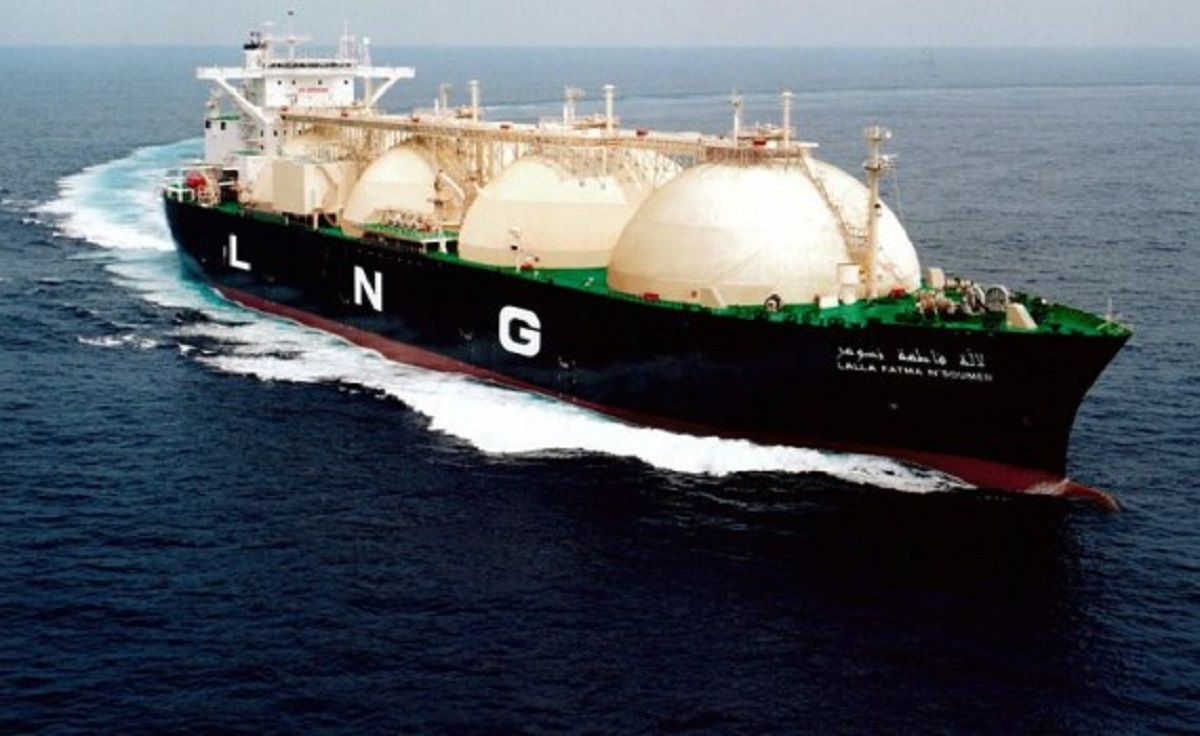
Reinforcing The Trend Of Stricter Environmental Regulations For Maritime Transport, Shipping Companies Signal That 60% Of New Orders For Shipbuilding Will Be For LNG-Powered Vessels
According to a report by the Korea Development Bank and the Korea Trade-Investment Promotion Agency, 60.3% of new ship orders to shipyards by 2025 will be for LNG-powered vessels.
The South Korean study is due to the adoption of stricter environmental standards, as the Maritime Industry Is Being Considered One Of The Biggest Villains Of Global Warming, Forcing Operators To Seek Alternative Energy Sources.
Therefore, it is estimated by the study, which was based on data from Clarksons and Lloyd’s Register (LR), that up to 1,925 new LNG-powered ships will be built worldwide.
Korean shipyards are already optimistic about the numbers and expect to build 60% of these new ships, further strengthening their global leadership in shipbuilding.
-
Government unlocks R$ 554 million for a highway that has been requested for decades and accelerates the duplication of BR.

-
Without bricks, without cement, and without endless construction: the cardboard house that is assembled in modules and can be moved.

-
Billions of barrels on the equatorial margin could lead Amapá to double its oil production in Brazil — the state aims to enter the route of companies in the Campos Basin, attract investments, and boost jobs and businesses in the oil and gas sector.

-
Without bricks, without cement, and without endless construction: the cardboard house that is assembled in modules and can be moved.

The demand for LNG-powered ships would have a domino effect on shipbuilding, as it would also increase the demand for the construction of LNG carriers.
It is estimated that the increase in orders for this type of vessel will revolve around ten times, which means going from 313,000 deadweight tonnage in 2016 to 3.2 million deadweight tonnage by 2030.
LNG As Naval Fuel
The topic is gaining prominence as shipping companies are being pressured to operate with vessels that generate fewer pollutants.
Last year, specifically in November, the Korean government, aiming to contribute to the country’s shipbuilding, announced a plan to order 140 LNG-powered ships by 2025.
According to the regulations of the International Maritime Organization, starting January 1, 2020, there will be a requirement for ships to use fuel with a maximum sulfur content of 0.5%, down from the current limit of 3.5%.
LNG emerges as a viable solution as it is free from sulfur emissions and also emits 20% less greenhouse gases compared to the fuel oil currently used in navigation.









Seja o primeiro a reagir!