





 Portuguese
  English
  Spanish
  4 min of reading
  0 comments



OpenAI Begins Advertising Tests on ChatGPT for Free Users and Go Plan Users in the United States, Preserves Paid Plans Without Advertising, Seeks New Revenues to Sustain Increasing Infrastructure and Development Costs and Faces Rejection Risks in an Increasingly Competitive Chatbot Market
OpenAI has announced that it will begin displaying advertisements on ChatGPT for free users in the United States in the coming weeks, as part of a strategy to fund increasing development, operation, and artificial intelligence infrastructure expansion costs.
This move marks a significant shift in the company’s monetization model, which until now has primarily relied on paid subscriptions. According to OpenAI, advertisements will be displayed only to free plan users and the more affordable Go plan, which is expanding globally.
The company stated that advertisements will not influence ChatGPT’s responses and will be independent of the system’s operation. Users of the Plus, Pro, Business, and Enterprise plans will not see ads, maintaining an ad-free experience at those subscription levels.
-
Artificial intelligence is skyrocketing energy consumption, raising emissions from tech giants and pushing Google, Microsoft, and Meta closer to natural gas.

-
Mercor paid $1.5 million per day for doctors, lawyers, and former Goldman Sachs bankers to teach artificial intelligence to do their jobs, and in 17 months, it went from zero to $500 million in annual revenue while its own contractors accelerated the replacement of their own work.

-
Casio Unveils Moflin, Robotic Pet With Artificial Intelligence Designed To Provide Emotional Comfort And Simulate A Permanent Affectionate Bond

-
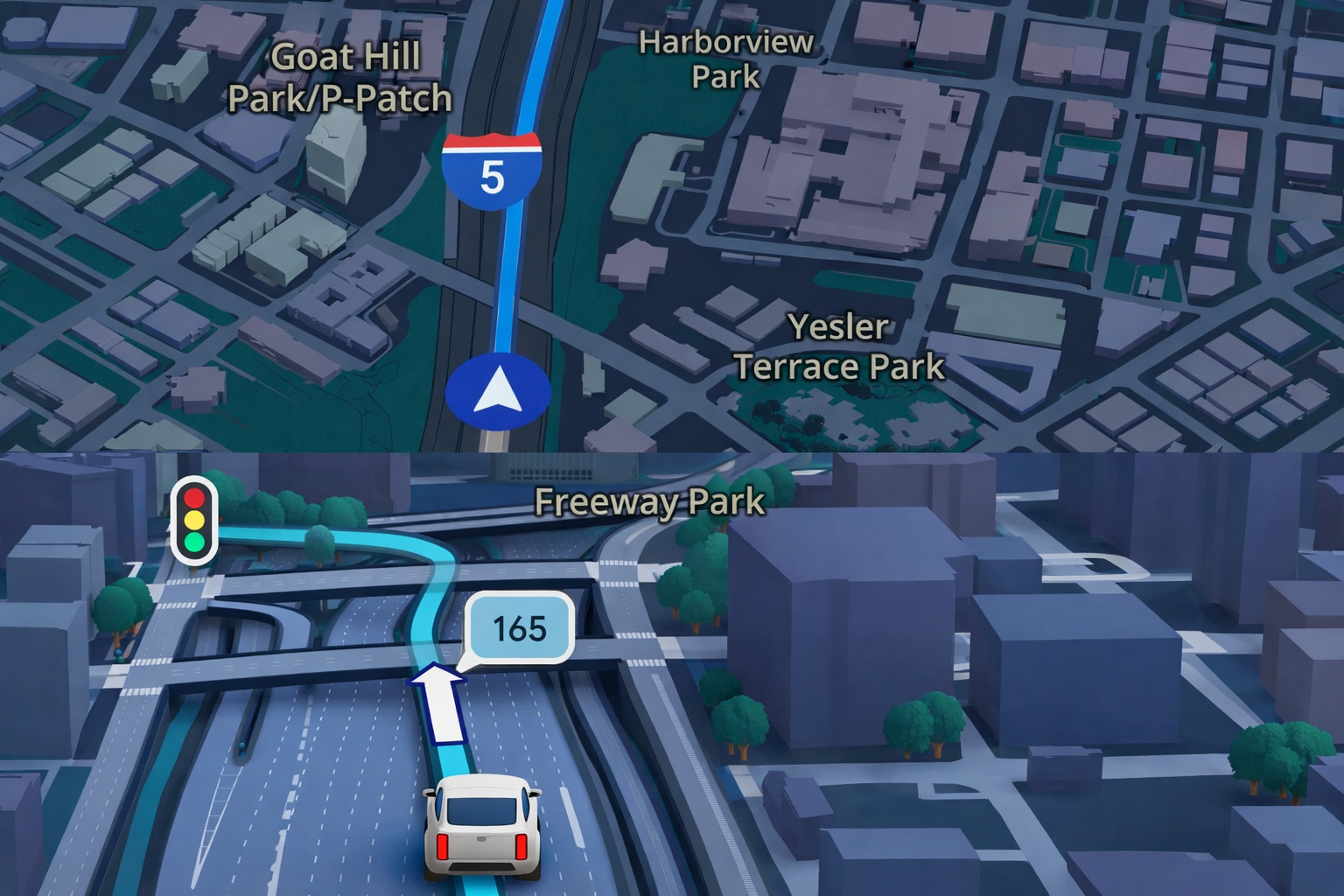
Google Maps Revolutionizes GPS Navigation With Gemini Artificial Intelligence, Ask Maps Feature, and Advanced 3D Visualization for Route and Travel Planning

Change in ChatGPT Monetization Model
The introduction of advertisements represents a strategic inflection point for OpenAI, pressured to increase revenues amid significantly rising operational costs.
The development and maintenance of advanced AI systems require high investments, especially in data centers.
The startup reported that it plans to invest more than US$ 1 trillion in artificial intelligence infrastructure by 2030, although it did not specify how it intends to fund that amount.
The search for new revenue sources comes as the company prepares for a widely anticipated initial public offering.
Analysts estimate that advertising could become a significant revenue source, considering that ChatGPT has around 800 million weekly active users.
At the same time, there is a risk of rejection by users if the implementation is perceived as intrusive.
Potential Impact on Users and Competition
Experts warn that how advertisements are integrated into the platform will be crucial for public acceptance. If they appear awkward or opportunistic, users may easily switch to competing chatbots, such as Google’s Gemini or Anthropic’s Claude.
Jeremy Goldman, an analyst at eMarketer, stated that the decision may pressure competitors to clarify their own monetization strategies, especially those positioned as ad-free services by nature. The chatbot market continues to expand rapidly with increasing competition.
For OpenAI, the challenge will be to balance revenue generation and user retention. A poorly calibrated execution could accelerate migration to alternative platforms, while a careful approach could sustain the company’s financial growth.
Where and How Ads Will Be Displayed
According to the startup’s statement, ads will be tested at the bottom of ChatGPT’s responses when there is a product or service sponsored that is deemed relevant based on the user’s current conversation.
The company emphasized that this criterion will not affect the content of the responses.
OpenAI also stated that it will not display ads to users under 18 years old and will block advertising related to sensitive topics such as health and politics. The company reiterated that user conversations will not be shared with marketers.
These guidelines aim to preserve public trust, identified as a priority by the company. The separation between conversation data and advertising systems was presented as a pillar of the announced implementation.
Go Plan and Price Segmentation
The ChatGPT Go plan, initially launched in India, will soon be available in the United States for US$ 8 per month. OpenAI views the plan as a way to attract new users by offering a more affordable alternative compared to traditional subscriptions.
The strategy reserves the ad-free experience for users willing to pay more, creating a clear segmentation by price and features.
The model follows trends observed in other digital platforms, which combine free ad-supported versions with paid ad-free plans.
For advertisers, the bet lies in the potential of artificial intelligence to enhance recommendation systems and make ads more relevant.
There is optimism that AI can improve performance and return compared to traditional formats, although the outcome still depends on the acceptance by end users.
Financial Opportunity and Strategic Risk
For OpenAI, advertising represents both an opportunity to fund high costs and a strategic risk in a saturated market. If well implemented, ads could sustain the development of the next generation of AI systems.
If poorly managed, however, they could compromise user experience and accelerate migration to rapidly growing competitors. The balance between revenue, trust, and usability will be central to the success of this new phase of the platform, even with the massive investments anticipated.









Seja o primeiro a reagir!