





 Portuguese
  English
  Spanish
  4 min of reading
  0 comments


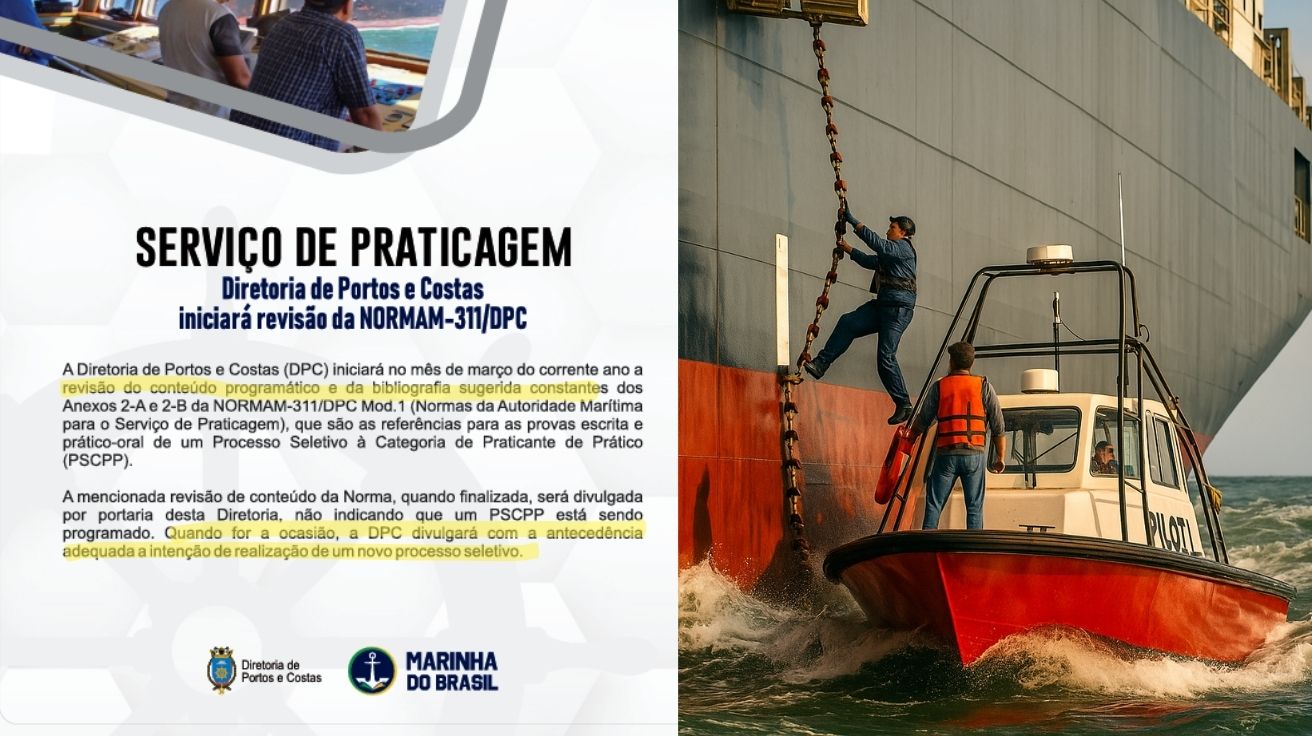
Changes To The Regulation That Governs Naval Piloting Rekindle Expectations For A New Selection Process; Last Selection Occurred In 2012 And Offers Career With Highly Competitive Salary
The Brazilian Navy has begun reviewing the regulations that govern the selection process for entering the career of pilot, a professional responsible for the safe navigation of ships in complex areas of the Brazilian coast.
The update of NORMAM-311/DPC, recently announced by the Directorate of Ports and Coasts (DPC), has rekindled speculation about the opening of a new selection process, the first since 2012. Watch below as a pilot boards a ship.


Highly Lucrative Career With Strict Technical Requirements
The pilot profession is considered one of the best-paid in the country, with monthly earnings exceeding R$ 300,000, according to public records and industry estimates. However, it is a role of great technical responsibility.
-
Finland, the happiest country in the world, wants to hire 140,000 technology professionals and is eyeing Brazilians: visas are issued in just two weeks and salaries with a 37-hour workweek are surprising.

-
Mr. Mário reveals the technique of the caipira papaya: he cuts the fruit in half, discards the seeds from the tip, and plants the ones from the back to increase the chance of a productive female tree.

-
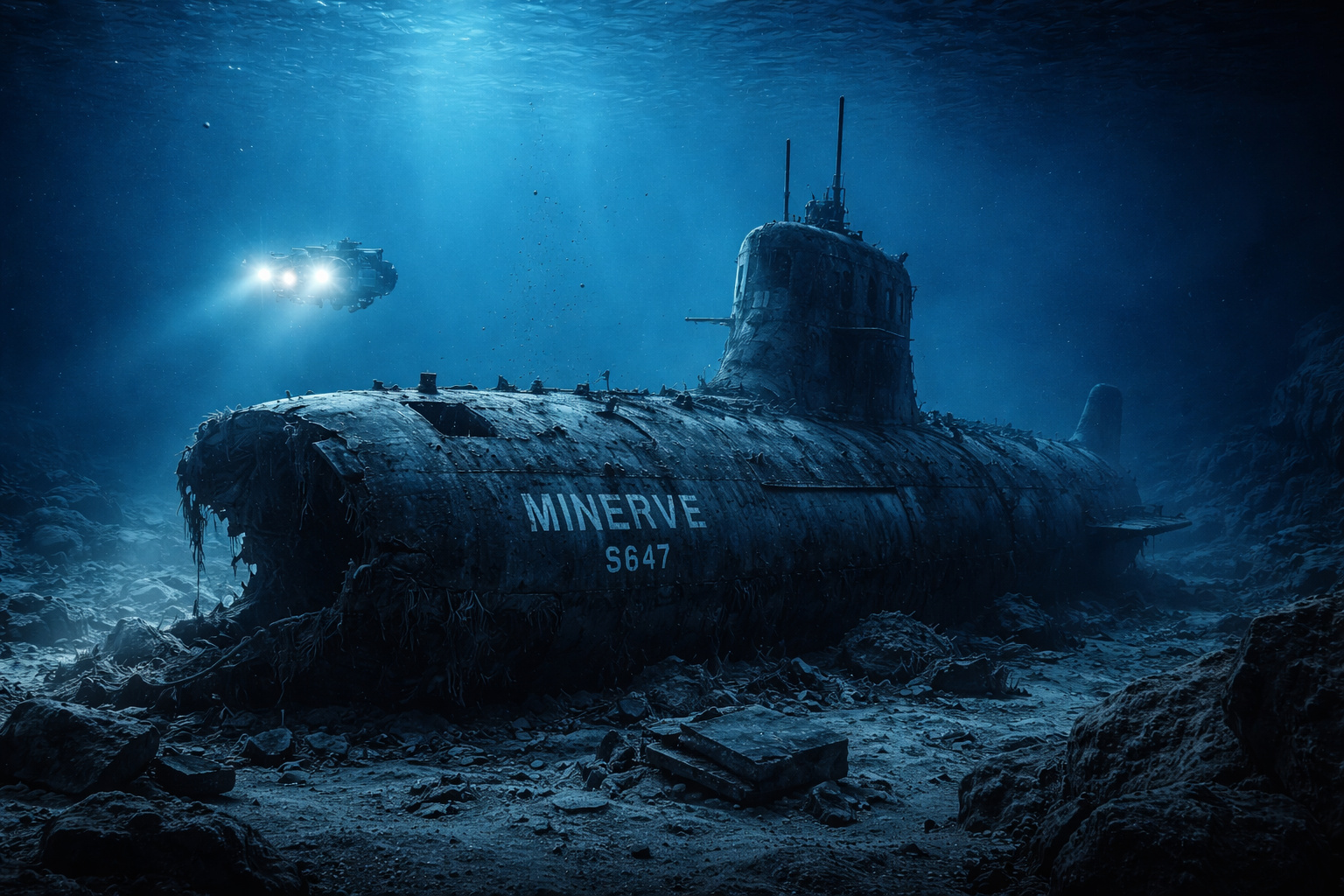
Few remember, but the submarine that disappeared in 1968 with 52 crew members was found after 51 years at the bottom of the sea at more than 2,000 meters, intriguing the entire world.
-
With 1,200 tons suspended, the Japan mega-structure in a grid shape with a floating sphere from Fuji TV features two 25-story towers connected by elevated walkways, titanium panels, and impresses the world with its ability to reduce wind impact.


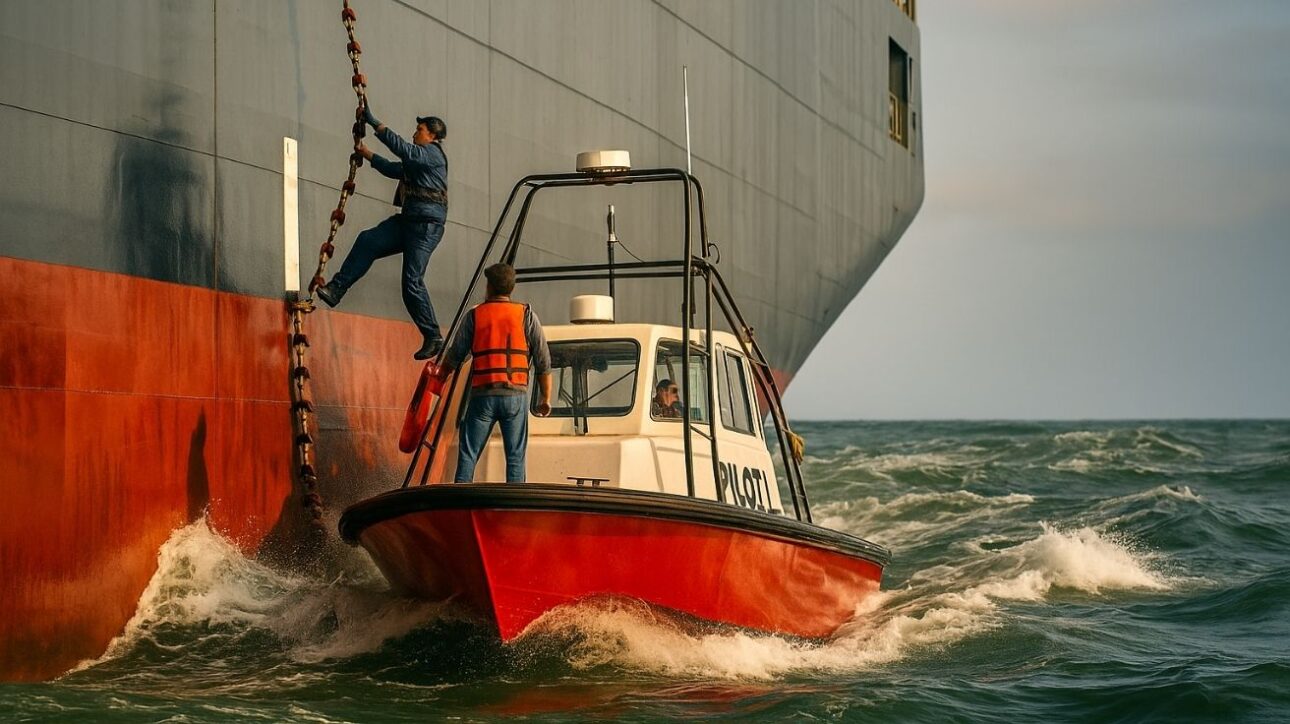
Access to the career is through a selection process with multiple steps, which include a written exam, physical assessment, presentation of credentials, and a practical-oral test in naval simulators.
According to the updated regulation, to participate in the selection, candidates must be Brazilian, have a higher education degree recognized by the MEC, and possess maritime certification, such as a master’s amateur or higher category. The announcement, which may be published in the future in the Official Gazette of the Union, will define the number of vacancies per Piloting Zone (ZP) and the detailed evaluation criteria.
Selection Process Follows Technical Model And Does Not Equate To Public Position
The selection process does not constitute a traditional public competition, as pilots do not hold public positions or jobs. They are self-employed professionals associated with piloting companies that provide regulated services by the State. The selection steps also include a psychophysical inspection conducted by a Navy board and tests such as swimming, floating, and physical strength assessments.
In addition, proficiency in the English language is mandatory, both in the written exam and in the oral assessment. The training following the selection lasts a minimum of 12 months, involving real maneuvers supervised by experienced pilots until final certification.
Expectations Grow With Update Of The Bibliography For Ship Pilots
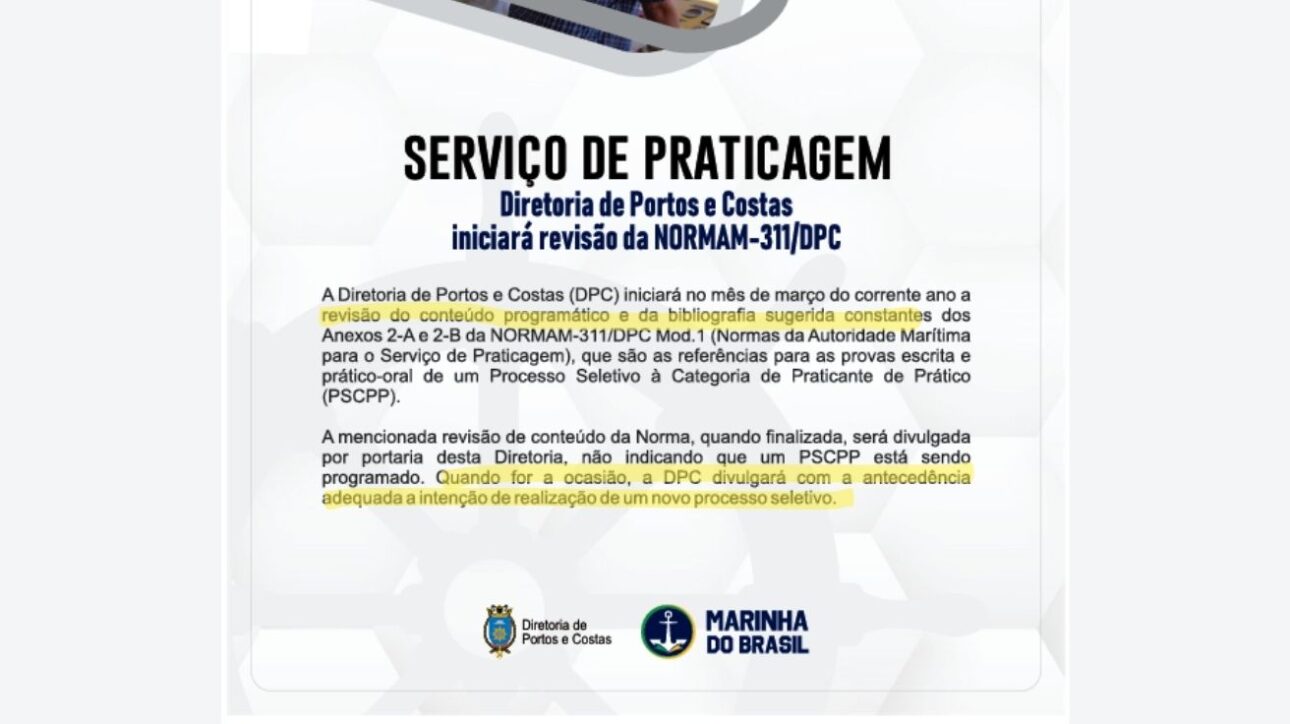
Although the Navy has stated that the review of NORMAM-311/DPC “does not indicate that a PSCPP is being planned,” maritime sector experts point out that this measure often precedes the opening of new competitions. The last selection, conducted more than a decade ago, was marked by high competition.
With the update of the program content and the bibliography required in the exams, potential candidates should start their studies immediately. The topics covered include ship maneuverability, navigation in restricted waters, maritime law, oceanography, meteorology, and naval communications.
Salaries Of Ship Pilots Reflect High Specialization And Risk Of The Role
The salaries of pilots are variable, but there are reports of earnings exceeding R$ 300,000 monthly in large ports. This amount is obtained from the division of profits from piloting companies, after deducting operational costs and taxes. The activity requires constant attention, as navigation errors can lead to accidents with significant environmental and economic costs.
Unlike ship captains, pilots are specialists in maneuvers in inland waters and ports. On the ship’s bridge, they take operational control alongside the captain’s crew, coordinating tugs, machine orders, and communications with the port authority.
Official Information And Additional Note
The guidelines for the selection process are included in the “Maritime Authority Norm for Piloting Services (NORMAM-311/DPC)” and have been supplemented by a recent notice from the Directorate of Ports and Coasts. The revision updates not only the exam content but also medical, physical, and psychotechnical evaluation criteria.
This same regulation also stipulates that the costs of the process, including travel, exams, and accommodation, are the sole responsibility of the candidates, even during the qualification period. The selection for pilot requires full dedication and physical, technical, and emotional preparation.








-

-

-

-

8 pessoas reagiram a isso.