





 Portuguese
  English
  Spanish
  5 min of reading
  2 comments


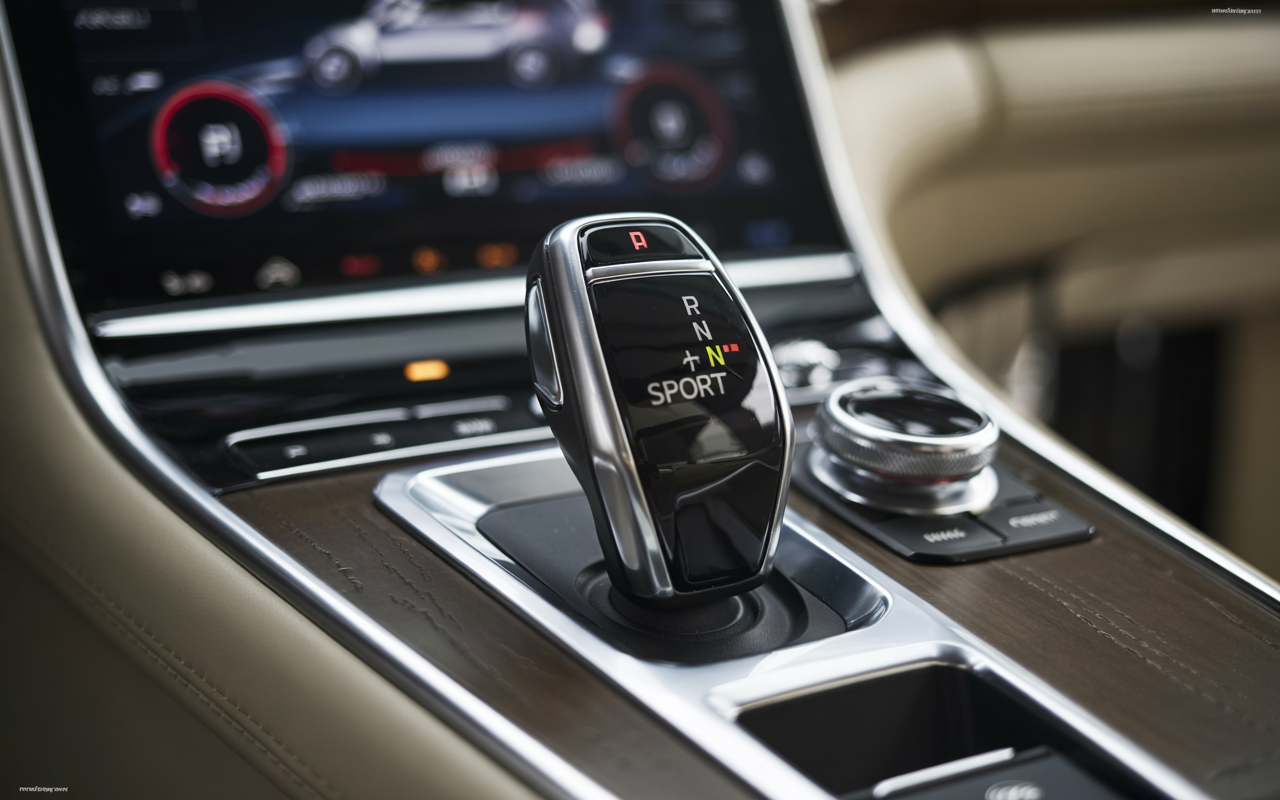


Many People Use the Automatic Transmission Incorrectly When Parking on Steep Hills. Know the Right Moment to Activate the Parking Brake to Avoid Expensive Damage to the Transmission.
Many people have been driving automatic cars for years but still make a simple, almost invisible mistake that can be costly in the long run. A wrong habit when parking on steep hills overloads the transmission, unnecessarily strains the system, and can lead to repairs that can easily exceed thousands of reais. The detail lies in the correct use of the famous position “P” (Park) of the automatic transmission — and a simple button or lever that is almost always ignored: the parking brake.
Anyone who understands mechanics already knows: the automatic transmission is designed for comfortable driving but requires care when parking. And the secret is to use the parking brake in the correct order, especially on inclines or declines.
How the “P” Works in the Automatic Transmission — and Why It Wasn’t Made to Hold the Car Alone


When the driver selects the “P” position in the automatic transmission, a small component called parking pawl comes into action. It is a metal tab that locks a toothed sector of the transmission, preventing the shaft from turning.
-
A rare storm transformed part of the Gulf into an unlikely scene of hail, extreme rain, and tornado risk in the middle of the desert, with volumes that exceeded the annual average in a single day.

-
Brazil catches the world’s attention with ships powered by ethanol and biodiesel that have lower emissions, an unprecedented certification with advantages in chartering, and a revolution in cabotage.

-
A couple who only has Sundays free has built a hand-dug pool, a hamburger joint, a dance hall, and a playground in their own home without hiring a mason, and even with breaks due to accidents and the pandemic, the work has never truly stopped.

-
Furniture made with aluminum and glass does not warp and has become an alternative to replace MDF in Brazil.


In other words: the “P” position does not lock the wheels. It only prevents the rotation of the shaft within the transmission case. The problem arises when the car is on a hill: the entire weight of the vehicle ends up being supported by this small internal part.
According to experts from Bosch, this pawl was designed to support moderate loads but not the total weight of the car on steep inclines or declines. Therefore, using only “P” in these situations creates enormous pressure on the component, which can deform or even break over time.
The Button or Lever That Should Be Activated Before “P”
This is where the parking brake comes in — that button, lever, or electronic command that many drivers end up activating after placing the transmission in “P” (or, worse yet, don’t activate it at all).
The correct use should always follow this order in the automatic transmission: P correct position:
- Come to a complete stop.
- With your foot on the brake, activate the parking brake (mechanical or electronic).
- Only then select the “P” position in the automatic transmission.
This way, the weight of the vehicle is primarily supported by the brake system, completely relieving the effort on the transmission pawl.
In the manuals of manufacturers such as Toyota, VW, Honda, and Fiat, this guidance is presented clearly, but many people ignore or are unaware of the procedure.
The Risk of “Locking” When Trying to Disengage the Automatic Transmission
Anyone who has parked on a hill simply by placing the transmission in “P” knows the problem well: when trying to leave afterward, the transmission is locked, and extra force is needed to move the lever. This happens because the weight of the car is compressing the parking pawl, making disengagement difficult.
This additional force not only wears internal components but can also create play or even permanently damage the transmission gears. And since automatic transmissions are complex and expensive, any repair usually comes at a high cost.
Experts from Quatro Rodas and the AutoPapo portal frequently warn about this risk, which could be avoided simply by activating the parking brake before placing it in “P”.
Electronic Brake Requires the Same Care
In modern cars, the traditional handbrake has been replaced by the electronic parking brake (that button with the “P” and brake symbol). Although the activation is more convenient, the principle remains the same: it must be activated before the “P” position.
In models from Volkswagen, Fiat, and Honda, for example, the electronic system in some cases already automatically activates the brake when stopping, precisely to protect the transmission. But ideally, even in these cars, it’s always best to ensure that the brake is activated before engaging the “P”.
On Very Steep Hills: Extra Trick to Further Relieve the System
In addition to activating the parking brake before “P”, there is a small trick for those who want to further protect the transmission:
- When stopping on the hill, keep your foot on the brake;
- Activate the parking brake;
- Gently release your foot from the brake so that the car’s weight is completely transferred to the parking brake;
- Only then place the transmission in the “P” position.
That way, the parking pawl will not receive any load at all, preserving the system as much as possible.
Avoids High Maintenance Costs in the Future
Anyone who has had to repair or replace internal parts of an automatic transmission knows how painful the repair is on the wallet. In popular models, replacing the parking pawl can cost between R$ 3,000 to R$ 6,000; in premium vehicles, the cost can easily exceed R$ 10,000.
Even worse: in some cases, the damage can affect more sensitive internal components of the transmission, requiring a complete disassembly of the case or even its replacement.
Therefore, developing the habit of using the parking brake before “P” is not just a matter of detail but a genuine preventive saving.
Manufacturers Reinforce the Importance of the Procedure in the Automatic Transmission
The manuals of various automakers highlight this practice as part of the correct operation of the automatic transmission. Let’s look at some examples:
- Toyota Corolla (official manual): always recommends applying the parking brake before selecting “P”.
- Volkswagen T-Cross: reinforces the use of the electronic brake as a safety measure and protection for the transmission.
- Honda HR-V: advises to activate the parking brake first on inclined surfaces.
- Fiat Pulse: recommends activating the electronic brake even on flat stops, as prevention.
In summary: this is not just extra advice but an official orientation from the manufacturers themselves.
Common Bad Habit Even Among Experienced Drivers
Surprisingly, many veteran drivers — accustomed to automatic transmissions since the 1990s — still maintain the old habit of placing the transmission in “P” and only then thinking about the parking brake.
This carelessness, repeated daily over the years, weakens the internal system of the transmission, which can present defects much sooner than expected.
A Simple Gesture That Prolongs the Life of the Automatic Transmission
In the end, avoiding overloading the automatic transmission when parking is a simple, quick practice that any driver can adopt immediately:
- Parking brake first.
- “P” second.
It may seem like a small detail, but this reversal of order makes all the difference for the health of your automatic transmission.
If you still don’t have this habit, it’s worth starting now. Your transmission — and your wallet — will thank you.






Ao estacionar minha Duster, ao frear, puxo a alavanca de freio de mão e ponho em N, tiro o pé do freio e após a camionete ficar segura no freio de mão, então coloco na posição P e desligo a camionete.
Errou quando comprou uma Duster!
Já é um abito meu fazer isso, e vou além quando paro o carro coloco câmbio no N neutro com o pé no freio é claro e ai aciono o freio de estacionamento só depois passo para a posição P park.