





 Portuguese
  English
  Spanish
  3 min of reading


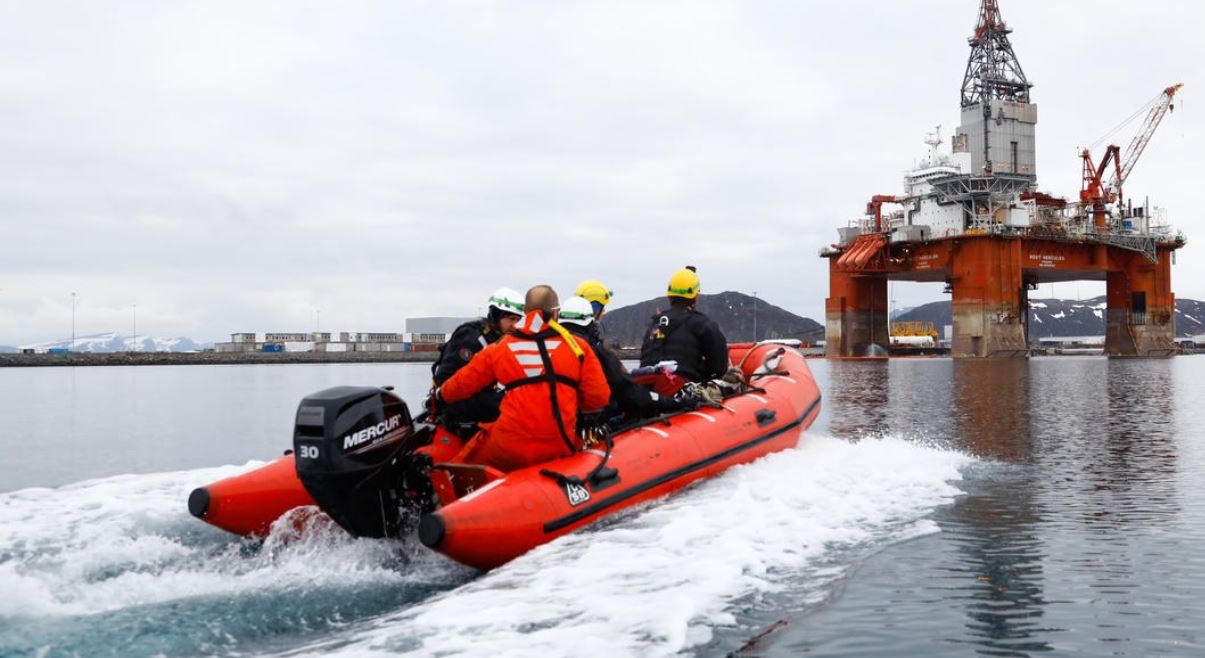
Four Greenpeace Activists Climbed the Hercules Drilling Platform, Located Near the Village of Rypefjord in Northern Norway, Which Will Drill in the Barents Sea for Equinor.
The West Hercules is a semi-submersible drilling rig from the offshore drilling contractor Seadrill. The rig is scheduled to drill the deep well of Korpfjell, designated 7335 / 3-1, located in the Barents Sea for the Norwegian oil giant Equinor in early May. Equinor received safety consent from the Norwegian safety agency to drill this well using the Hercules rig in late March.
The well is located in the northeastern extremity of an open area in the southeast Barents Sea, about 420 kilometers from the coast of Finnmark, at a water depth of 239 meters.
-
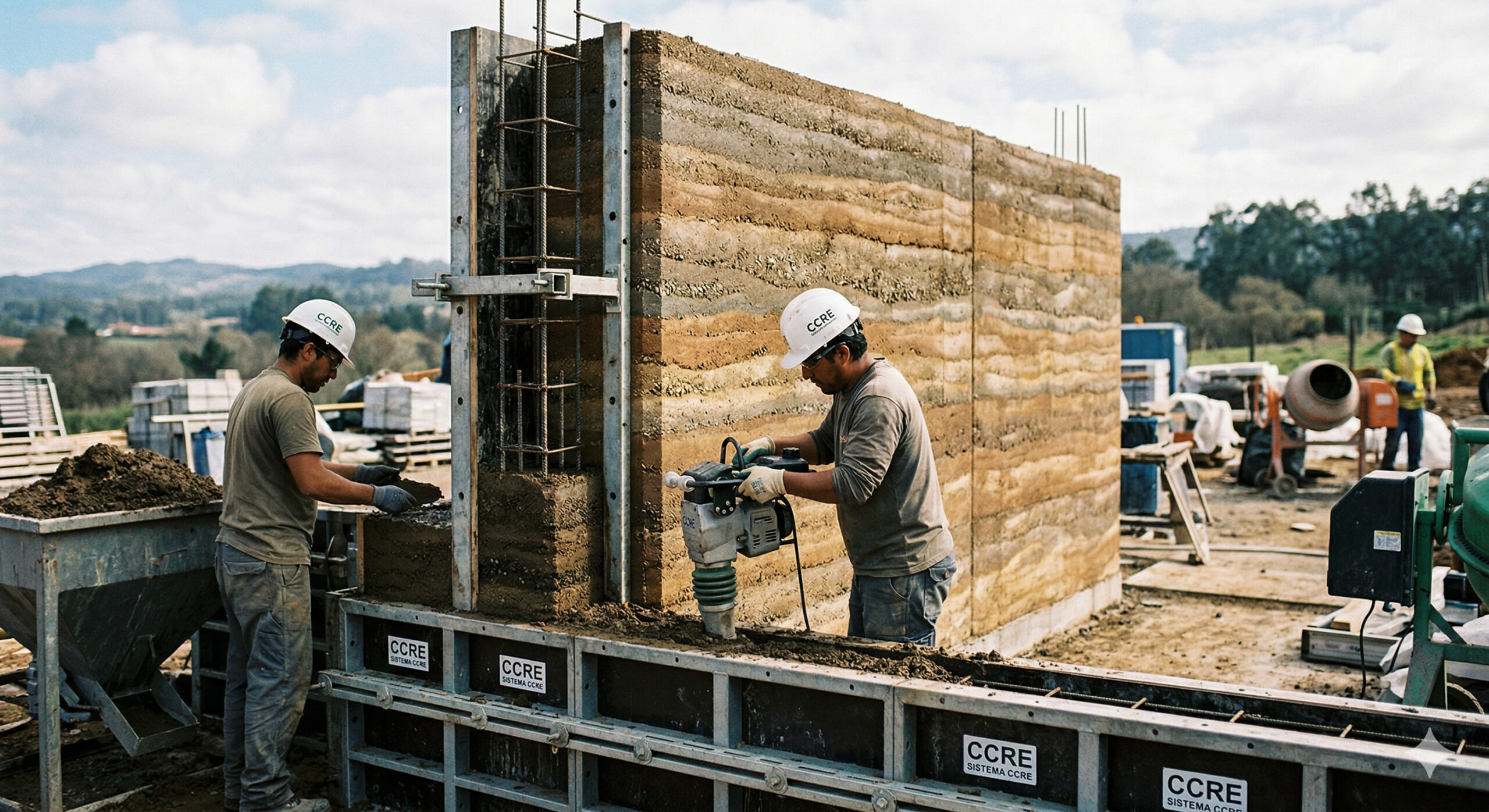
Without cement, without steel, and using only earth and recycled cardboard, engineers have created a construction system that drastically reduces carbon emissions and could change the way houses are built around the world.
-
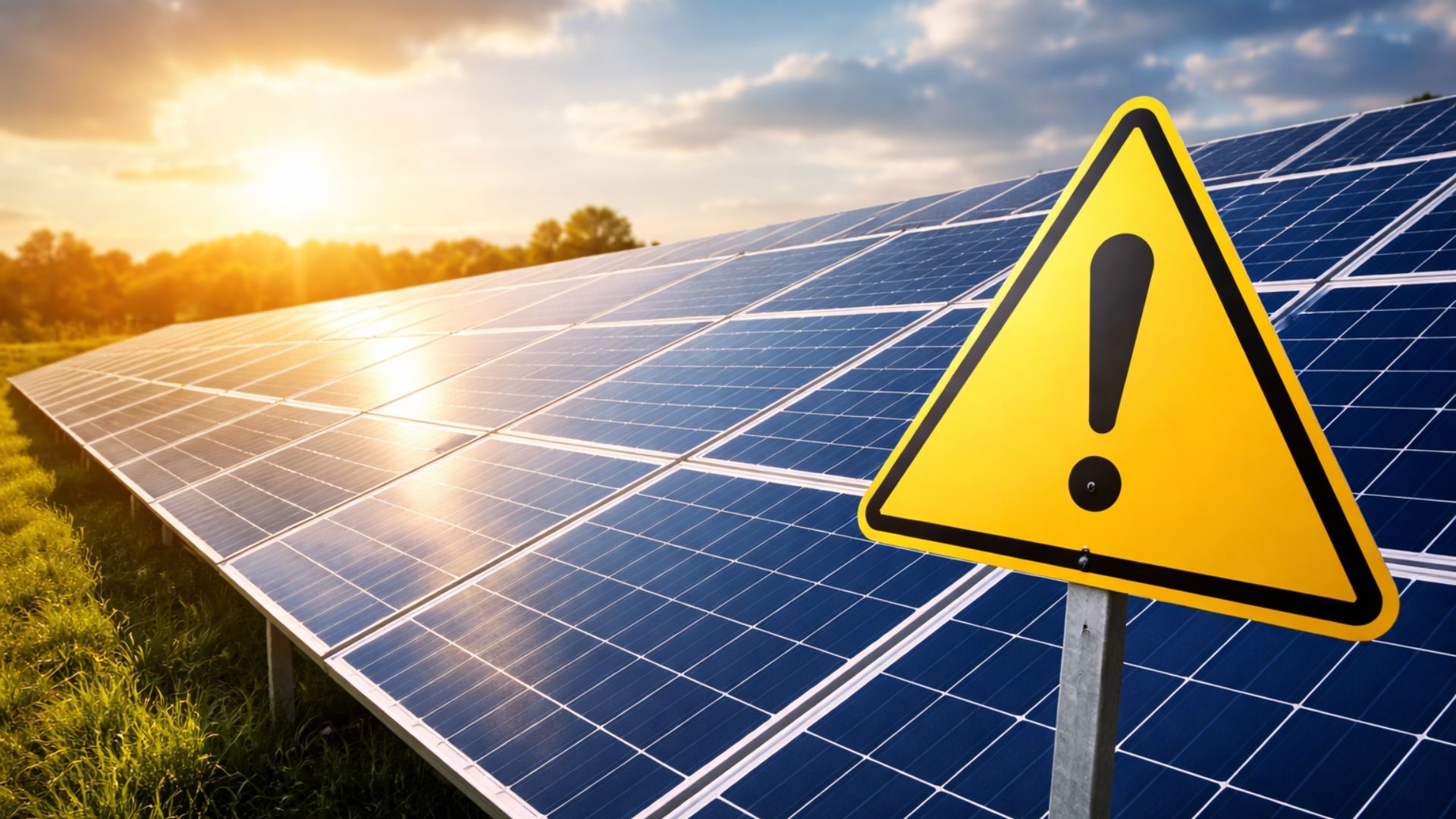
Alert in the electric sector: excess solar energy triggers overload in the Brazilian electrical system, forces the operator to shut down power plants, and exposes an unexpected risk that could affect stability and energy costs.
-
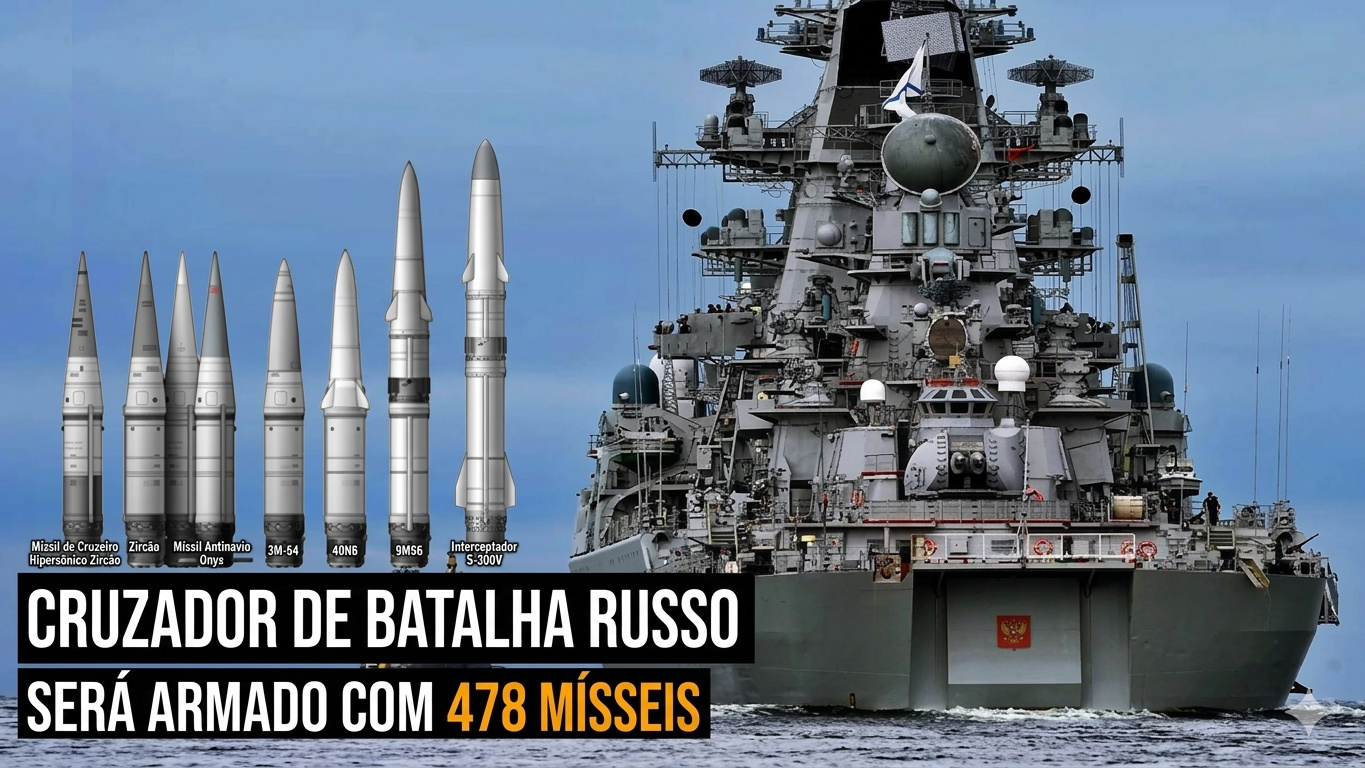
Russia spent $5 billion and 28 years modernizing a nuclear warship that had been inactive since 1997. The Admiral Nakhimov returned to the sea in August 2025 as the heaviest surface combat ship in the world, with 176 missile launchers, including hypersonic Zircon missiles.
-
James Webb finds 300 galaxies with mysterious scars, and this discovery may show that the universe was born much more violently than astronomers had imagined.


On Monday, April 29, Greenpeace stated that activists from Norway, Sweden, Denmark, and Germany climbed the West Hercules to protest against Equinor’s Arctic drilling plans. See the photo gallery below before continuing reading:
“The drilling is licensed by the Norwegian government, but under scrutiny from a constitutional process to end Arctic oil drilling in Norway.”
Greenpeace activist, Karianne Andersen, said: “Desperate times require desperate measures. That’s why I’m here, doing what I can to tell the Norwegian government that if we want to keep our planet habitable for future generations, we need to eliminate the oil industry.”
The head of Greenpeace Norway, Frode Pleym, added: “Drilling for oil in the Arctic while the region melts faster than ever is complete madness. We are facing a climate emergency and we need to stop oil drilling, which is why we are peacefully protesting today.”
According to Greenpeace, this protest at the oil platform comes just a few weeks after tens of thousands of young people across the country participated in school strikes to demand climate action. One of the key demands of the prominent youth is to end new oil and gas exploration in Norway. A recent study also showed that, for the first time, a majority of Norwegians under 24 favor leaving oil in the ground due to the climate crisis, Greenpeace said.
“Young people in Norway are calling for an end to oil. Now is the time for the government to listen and move forward,” said Haldis Helle, vice president of the Norwegian youth NGO Nature and Youth and participating in the protest.
Pleym concluded: “Oil is one of the biggest threats to the climate and the Paris Agreement, which Norway signed to help keep global temperatures below 1.5 and avoid climate catastrophe. The emissions from Norwegian oil are Norway’s responsibility, and we, as a country, are not honoring that.”
It is also worth mentioning that this latest protest on the West Hercules by Greenpeace is not the first. That is, Greenpeace’s “kayactivists” boarded the West Hercules platform in March 2018 at the Skipavika shipyard on the west coast of Norway.
The West Hercules also recently drilled the Gjøkåsen Shallow prospect in the Barents Sea for Equinor. During drilling operations, the company experienced an incident aboard the West Hercules rig when the lower marine riser package (LMRP) in the blowout preventer (BOP) was inadvertently disconnected, and the work, therefore, had to be stopped. This was in January 2019. In February, the well results came in and were classified as dry.
https://en.clickpetroleoegas.com.br/equinor-e-acu-petroleo-assinam-contrato-para-ship-to-ship/







Seja o primeiro a reagir!