





 Portuguese
  English
  Spanish
  2 min of reading
  0 comments


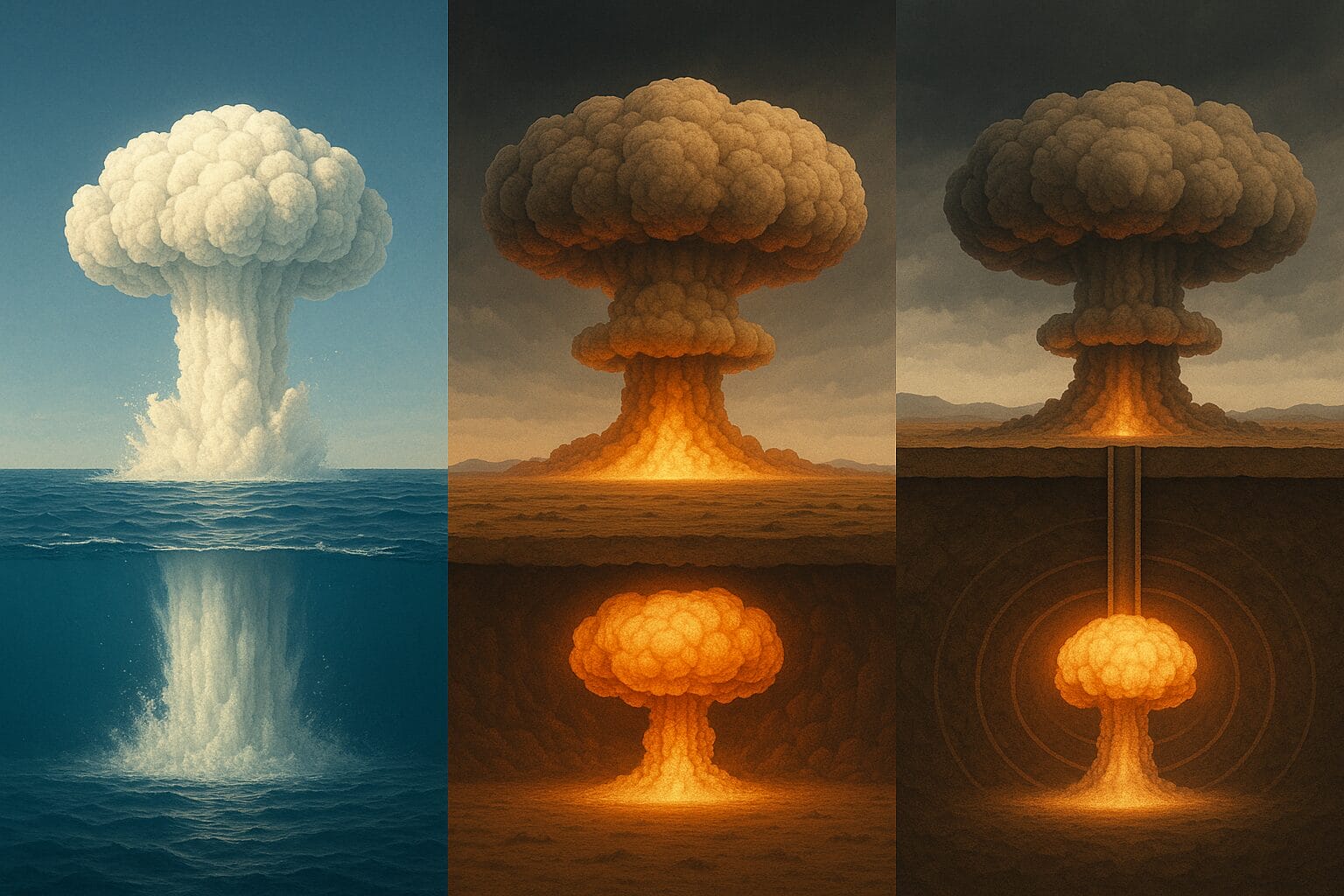
From Atmospheric Tests to Underground, The Way Nuclear Powers Evaluate Their Nuclear Weapons Has Changed Over Time, Following International Treaties and Technical Advances
Since 1945, when the United States conducted the first nuclear test known as Trinity, atomic bomb testing has been part of the military programs of the major nuclear powers. However, given the risks involved, procedures have changed significantly over the years.
Underground Nuclear Tests Are The Most Common
Currently, underground tests are the most common. Major powers use this type of test to measure the effectiveness and yield of their atomic bombs (nuclear weapons). This method is considered to pose the least environmental risks compared to others.
These tests are conducted in remote areas, usually with deep cavities dug specifically for detonation.
-
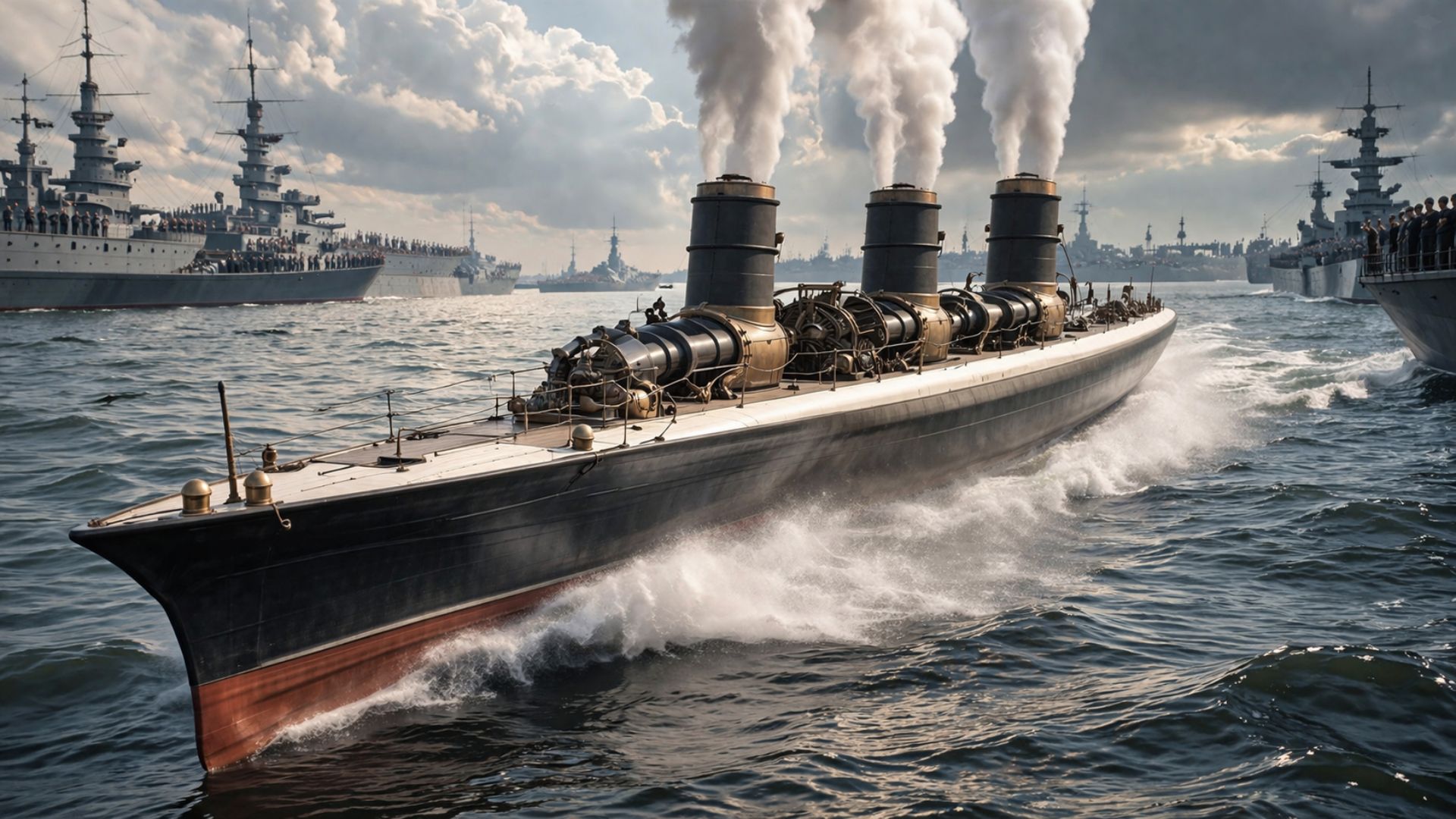
With a length of 31.6 meters, three turbines, and nine propellers, the Turbinia crossed the British fleet at over 60 km/h in 1897 and proved that the future of ships would be powered by turbines.
-
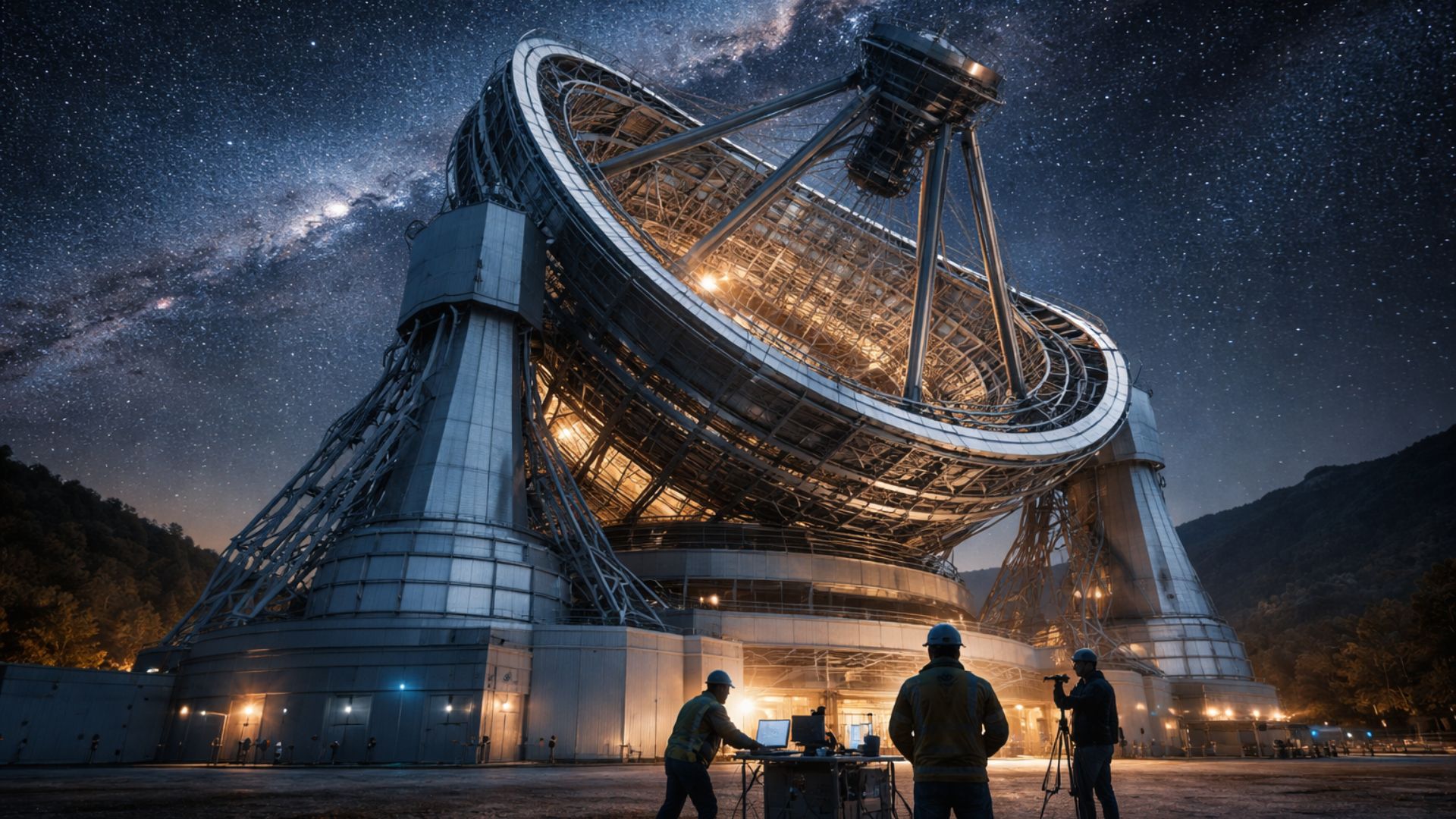
China has released 30.82 million spectra from a single telescope, a mega astronomical structure that has been operating for 14 years and has become the largest base in the world for studying the Milky Way, exoplanets, and quasars.
-
Neither in the refrigerator nor in the cabinet above the stove: this is the correct way to store coffee.

-
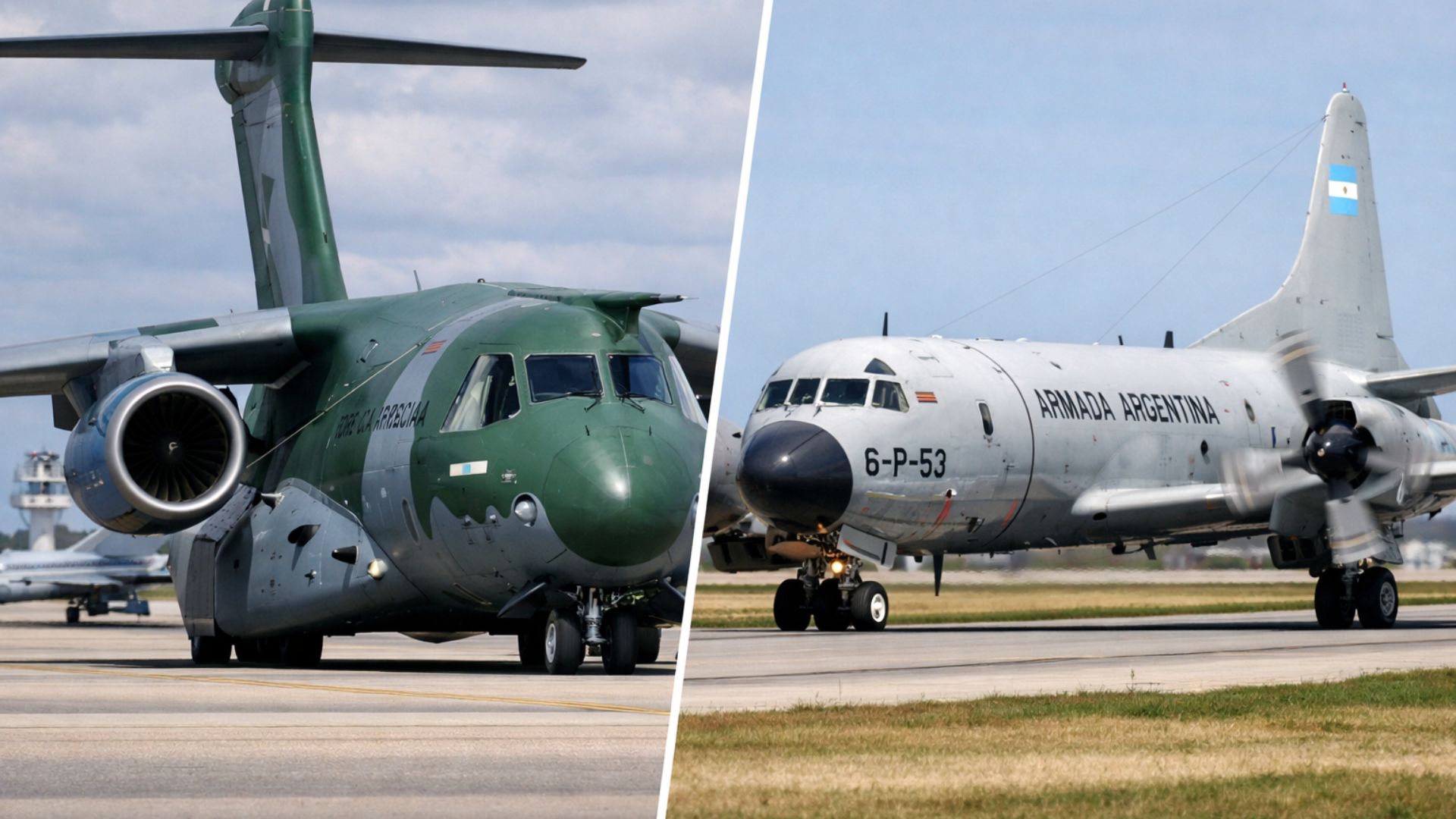
While Brazil gains ground among NATO forces with the KC-390, Argentina attempts to monitor the South Atlantic with P-3 Orion aircraft retired by Norway.
The nuclear bomb is placed inside this cavity and detonated remotely. During the explosion, instruments measure pressure, heat, radiation, and other technical data. All of this generates a “seismic shock,” which can be detected by global monitoring networks.
The tests follow three main stages. The first is preparation, which involves choosing the site and digging the cavity where the bomb will be placed. Next comes the detonation of the weapon, carried out remotely.
Finally, the data generated by the explosion are analyzed by specialists who assess the yield and effects of the explosion.
Old Nuclear Tests Were Prohibited by Treaties
In addition to underground, there are other types of tests that were conducted in the past but are now prohibited by international treaties. Among them are atmospheric tests, which occurred with detonations in the air.
These were quite common until 1963, when the Partial Test Ban Treaty came into force. This treaty prohibited nuclear testing in the atmosphere, outer space, and underwater.
Another type of test that was conducted was underwater testing. These were carried out in lakes or isolated ocean areas. These tests spread radioactive waste into the water, affecting marine life and the environment. Therefore, they were also prohibited in 1963.
Space Tests Were Also Abandoned
Space tests also occurred during the Cold War. However, the Outer Space Treaty, signed in 1967, reinforced the prohibition of any nuclear testing in space. Since then, this practice has been abandoned by nuclear powers.
Today, nine countries possess nuclear weapons: United States, Russia, China, United Kingdom, France, Pakistan, India, Israel, and North Korea. Observers also mention Iran, but without official confirmation.
With information from OCP News.



Seja o primeiro a reagir!