






 Portuguese
  Spanish


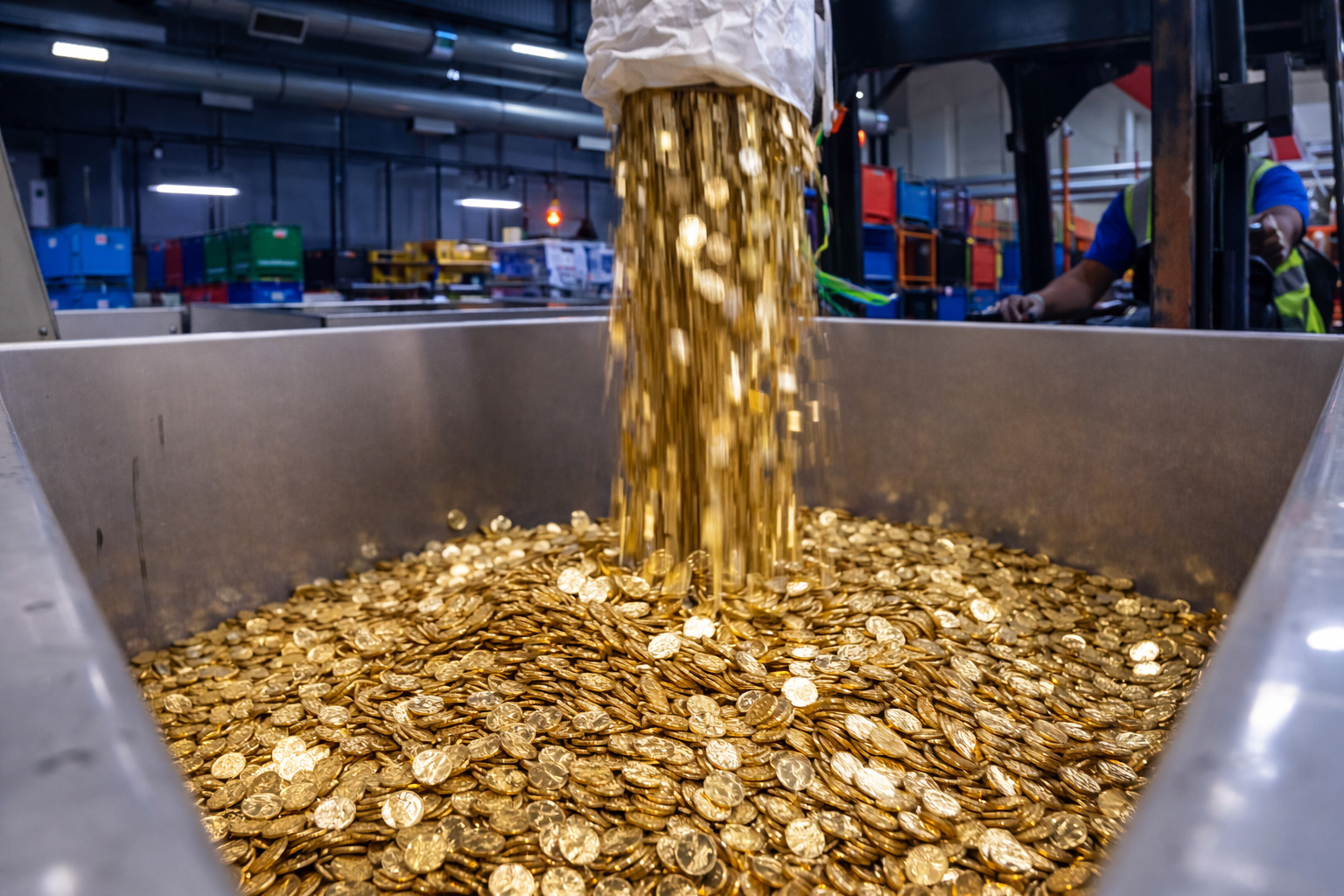


Modern coin production reveals an industrial chain involving copper, rocks, giant machines, metal alloys, and advanced technology behind a simple object used daily by millions of people
The production of modern coins goes far beyond simple metal discs used in daily life. Every day, more than 300 million coins are produced around the world, resulting from a complex and highly controlled industrial process.
Behind each coin lies a chain that starts with mining and ends with monetary circulation. This process involves metal extraction, precision technology, and rigorous quality control, ensuring durability and security against counterfeiting.
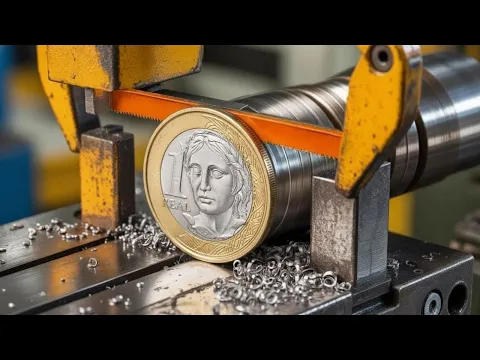

Copper extraction requires millions of tons of rock and the use of giant machines
The journey of coins begins deep in the ground, where copper extraction occurs, one of the main metals used. Large machines dig entire mountains to reach mineral deposits.
-
Billionaire says the most valuable skill will help overcome job elimination caused by AI, following Bill Gates’ fears

-
A Dutchman created a ‘box’ that makes trees grow in the desert almost without water and without irrigation: the invention has already brought seedlings to dozens of countries and achieves up to 90% survival where common planting did not exceed 10%.

-
Abandoned warehouse hid a giant collection of rare computers, with over 2,000 artifacts from the 1930s to the 1980s.
-
Scientists warn that melting ice is triggering an alarming chemical transformation in preserved areas, and the first signs are already concerning researchers worldwide.




Each ton of rock contains only a small amount of recoverable metal. This means that millions of tons are moved to ensure enough raw material to supply production.
After extraction, the material goes through smelters where it is transformed into ingots. These metal blocks are the basis for the production of the alloys used in coins.
Metal mixture ensures strength, low cost, and standardized appearance
Coins are not made from a single material. They use specific metal alloys, combining copper, nickel, zinc, and steel, depending on the value and function.
The goal is to ensure that each coin is resistant to heavy use, difficult to counterfeit, and visually recognizable. Additionally, costs need to be controlled.
An example is the American penny, which has a zinc core with a copper coating, maintaining the traditional appearance at a reduced cost.
The information was disclosed by How It’s Made, an industrial documentary about manufacturing processes.
Design and engraving require digital technology and microscopic precision
Before it physically exists, the coin is born on the computer. Artists use advanced software to create 3D models with a high level of detail.
Each visual element is designed to be legible and functional after production. The final design is transformed into a steel die, engraved with CNC machines that operate with microscopic precision.
This process ensures that all coins have the same standard, even when produced on a large scale.
Rolling and cutting transform metal bars into thousands of discs
The ingots heated to over 760 degrees Celsius pass through industrial rollers that transform them into thin, uniform sheets.
The thickness of these sheets needs to be extremely precise, as any variation can compromise the weight and quality of the coin.
These sheets are rolled into large coils and taken to presses that perform the cutting of the metal discs, called blanks.
How It’s Made, an industrial documentary about manufacturing processes, detailed that the waste from this cutting is recycled immediately, avoiding waste.
Coating and striking apply color, details, and symbols with high pressure
The discs undergo an electrolytic coating process, where they receive a metal layer that improves resistance and defines the color.
After that, they reach the most important stage, the striking. Industrial presses apply hundreds of tons of pressure to engrave the coin’s details in fractions of a second.
At this moment, the symbols, numbers, and images that identify each monetary unit emerge.
Edges, inspection, and packaging ensure safety and quality standard
After striking, the coins receive finishing on the edges. This detail helps prevent wear and makes counterfeiting attempts more difficult.
Next, they go through inspection systems with optical sensors, capable of identifying minimal flaws.
Coins that do not meet standards are discarded and recycled. Approved coins proceed to counting and packaging, being organized in large volumes for distribution.
Coin production shows how a simple object involves advanced technology
The manufacturing of modern coins reveals a process that combines mining, engineering, and automation. Each unit goes through about 20 technical steps before reaching the consumer.
Even with the advancement of digital payments, coins remain essential in the economy, moving values daily.
This process shows that even the most common objects carry a complex and highly efficient industrial structure behind them.
Did you enjoy understanding how coins are made? Leave your comment and share this content with those who also like to discover how things work.





