





 Portuguese
  English
  Spanish
  5 min of reading
  0 comments


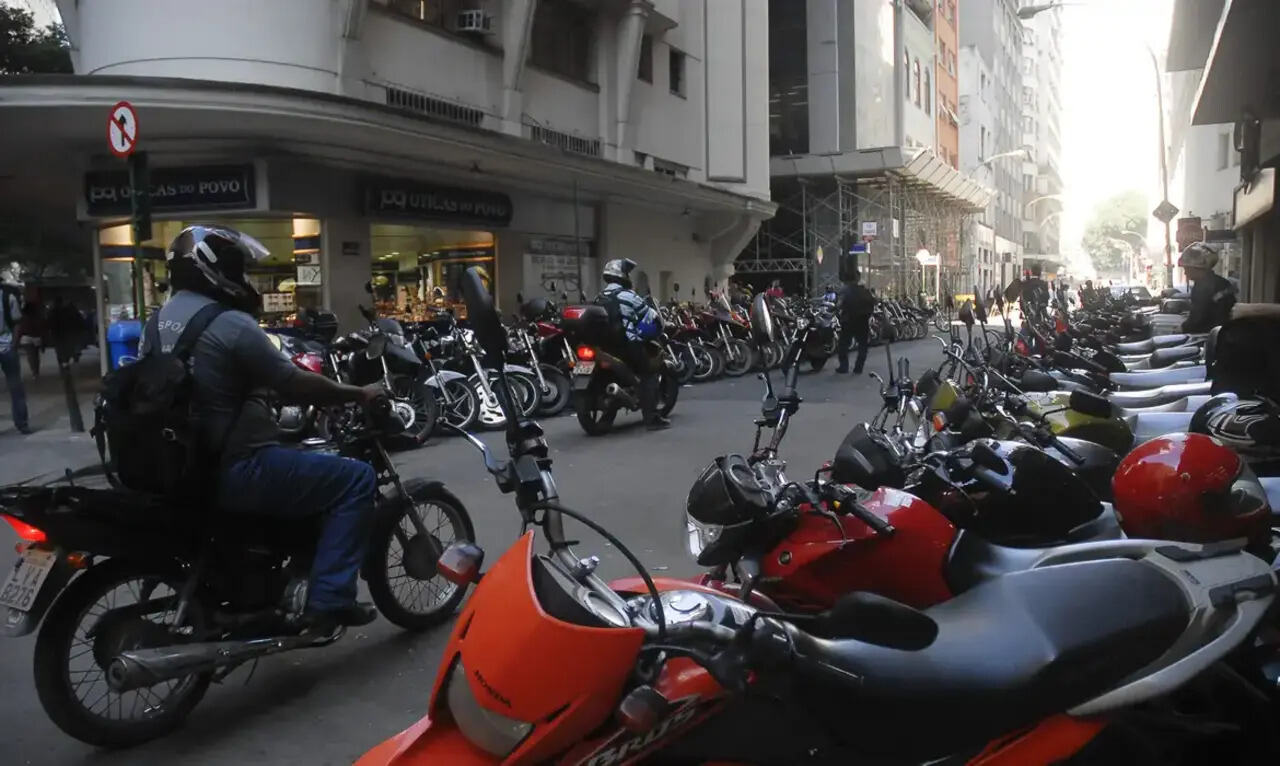
Delaying Motorcycle Payments Can Result in Fines, Interest, Bad Credit, and Even Vehicle Seizure; Here’s What to Do to Avoid Losses
Failing to pay the installments of a financed motorcycle can cause headaches. Fines, interest, bad credit, and even the loss of the vehicle are among the consequences.
In this article, we explain simply and directly what can happen to those who delay or stop paying a motorcycle loan.
We also show the step-by-step process of seizure and what the debtor can do to avoid losing the asset.
-
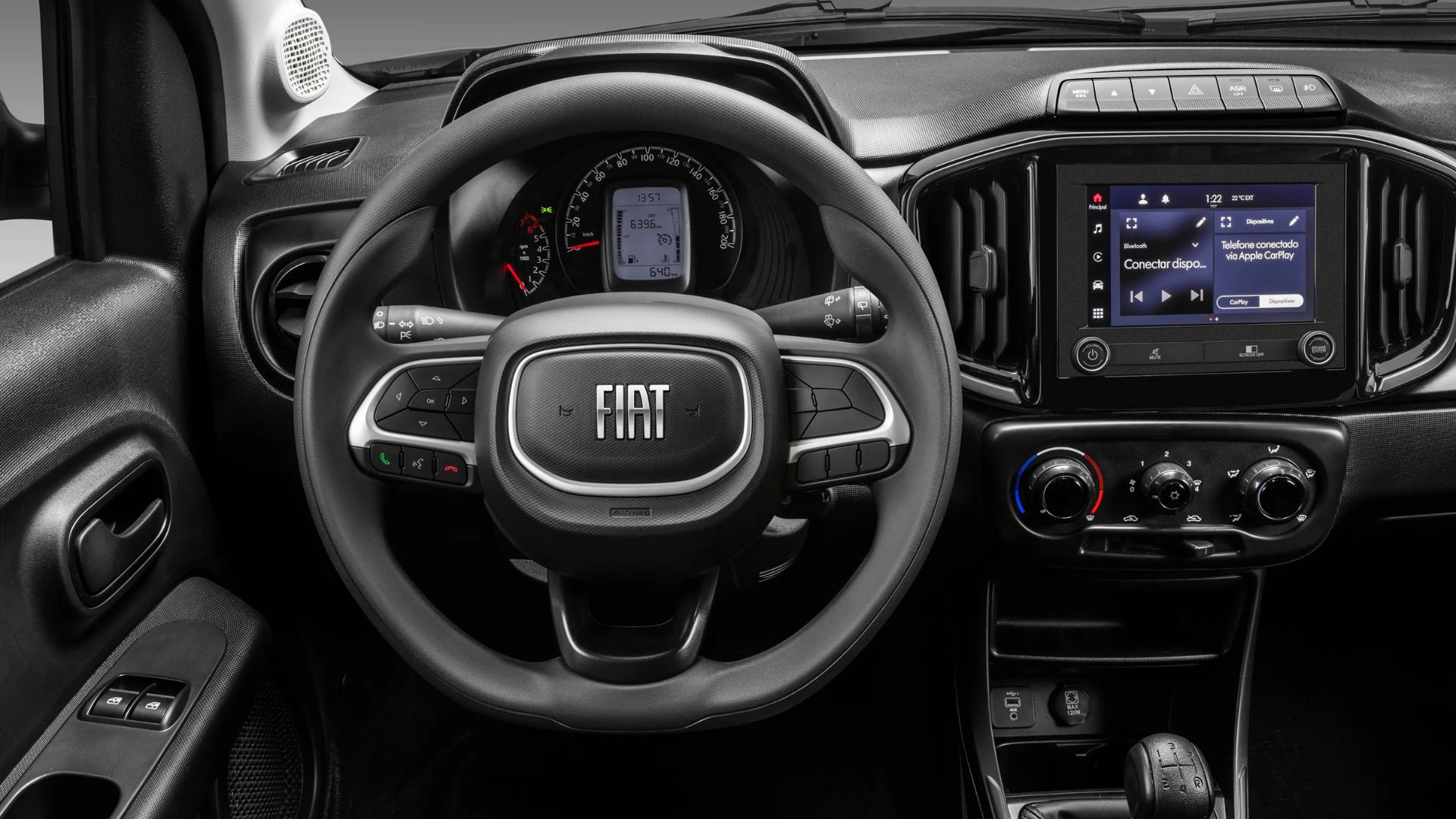
With a 1.0 engine producing 75 hp and costing less than R$ 70,000, Fiat’s car returns to the podium as the cheapest in the country; a temporary promotion for the 2026 Like version reduces the price of the Fiat Mobi.
-
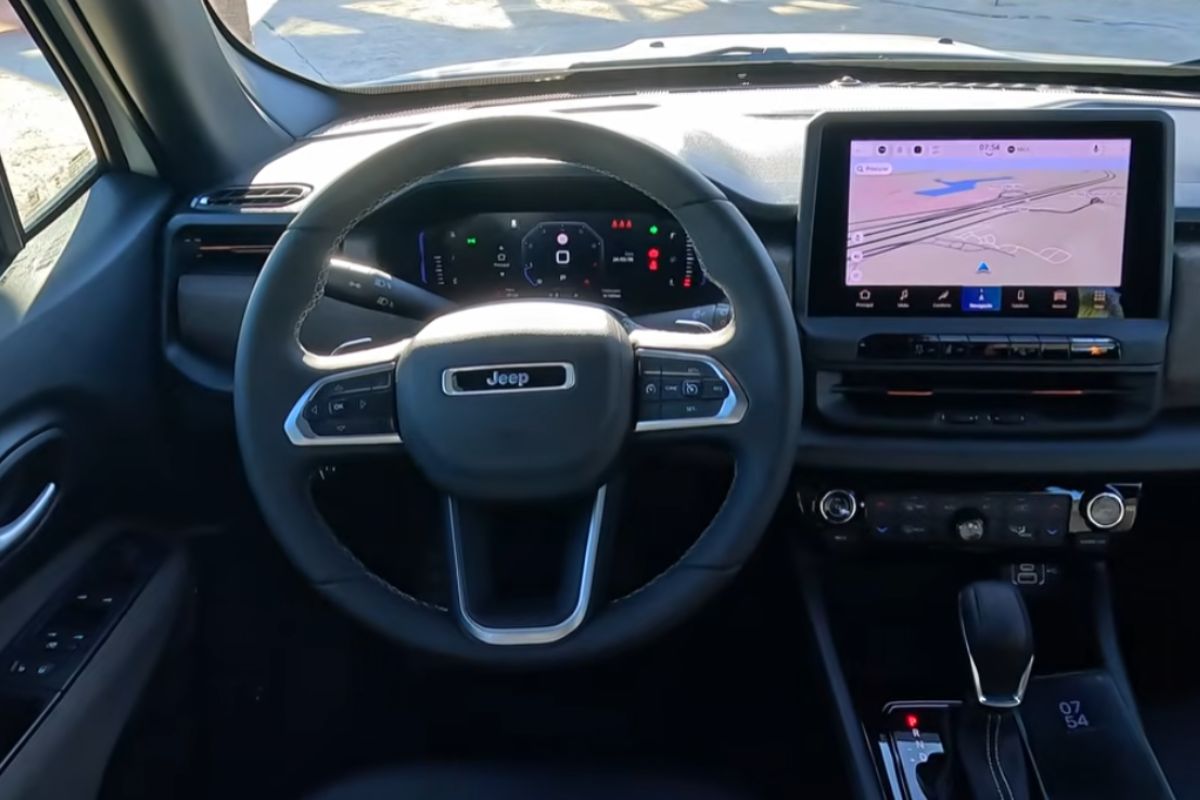
With a mild hybrid system of 48 V, 176 hp and a price of R$ 175,990 in the Sahara version, the new Jeep Renegade changes mostly on the inside, improves slightly in fuel consumption, and remains almost the same car.
-
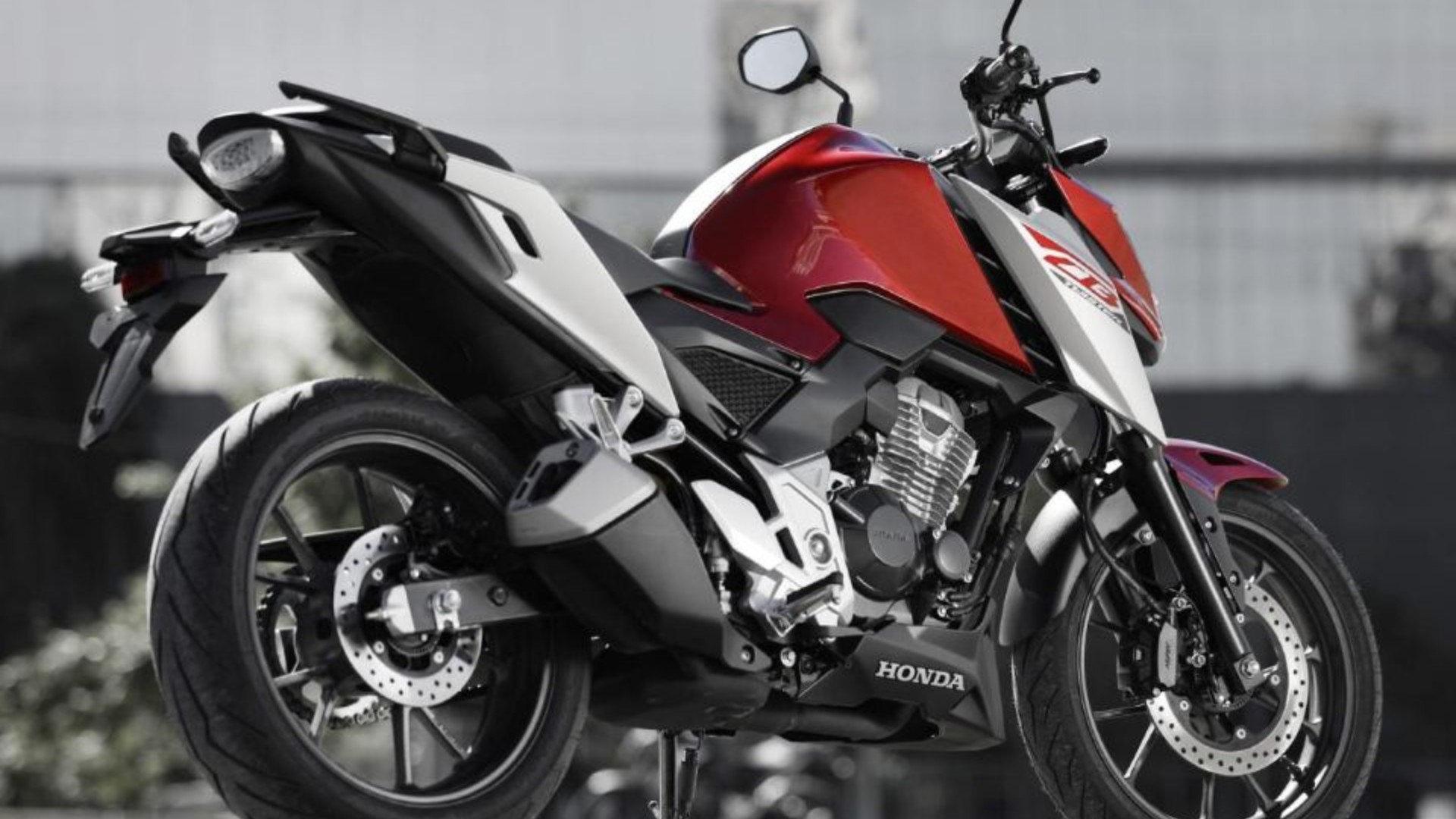
With a 293.5 cm³ engine and a range of up to 400 km with a 14.1-liter tank, the Honda CB 300F Twister 2026 has up to 24.7 hp, an initial price of R$ 25,150, and already exceeds R$ 29,000 in the Fipe Table.
-
With a 1.3 engine, nearly 700 km of range, and Turbo 200, the Fiat model surpasses Polo, Tera HB20, and Onix, becoming the best-selling car in March; see the numbers for the Fiat Strada and others.

Payment Delay: What Happens Immediately
Fines and Interest
When payment is not made by the due date, the bank or finance company applies fines and interest on the overdue amount.
The fine is usually a fixed amount, and the interest increases the longer the customer takes to pay.
These charges serve as a penalty for the delay and compensate for the time the bank was without payment.
Finance Company Notifications
Upon identifying the delay, the institution contacts the customer. Notifications can be by letter, email, call, or text message.
The goal is to inform about the situation and try to resolve the debt before more serious measures are initiated.
And What If the Delay Continues?
Bad Credit
If the person does not pay, the finance company may report the debtor to agencies like Serasa. This can happen between 30 and 60 days after the delay.
Having a negative CPF makes it difficult to obtain credit, loans, or even hire services that require a financial history check.
Risk of Losing the Motorcycle
If the delay becomes a continuous problem, the finance company may initiate the search and seizure of the vehicle. This process depends on a court order and may result in the motorcycle being taken from the owner.
Even at this point, the owner can still settle the debt. However, if unable to do so, the motorcycle will be auctioned.
When Can the Bank Seize the Motorcycle?
The institution can request the seizure of the motorcycle when there is a failure to pay or breach of contract. An example of a breach of contract is transferring the vehicle to another person without the bank’s authorization.
Even though the law allows the initiation of the process from the very first day of delay, banks usually wait for three to five overdue installments before going to court.
How Search and Seizure Works
Judicial Steps
- Initial Petition: the bank submits a request for search and seizure to the judge, with evidence of non-payment.
- Preliminary Injunction: the judge may grant a preliminary injunction to authorize immediate seizure.
- Seizure Warrant: the court officer receives the order with the vehicle’s details and the location where it may be found.
How Seizure is Performed
- Receiving the Warrant: the officer reviews the information in the document.
- Planning: they determine how to execute the order.
- Seizure: upon locating the motorcycle, the officer carries out the seizure and records the occurrence.
- Citation of the Debtor: the debtor receives a copy of the process and is informed of deadlines for defense or payment.
And After the Seizure?
After the motorcycle is taken, the debtor has five days to pay the full debt, including fines and process fees. If paid within this period, the asset can be recovered.
If not paid, the bank can take possession of the vehicle. From this point, the following steps occur:
- Valuation: the asset is evaluated to determine its market value.
- Auction: the motorcycle is sold at auction.
- Use of Funds: the money is used to pay off the debt. If there is any surplus, the difference is refunded to the former owner. If there is a shortfall, the remaining debt will still be collected.
What to Do If You Can’t Pay
Review Your Financial Life
First of all, it’s important to analyze the budget. Look at how much is coming in and going out. Cutting expenses or seeking extra income may resolve the issue.
Negotiate with the Bank
Contact the finance company. Often, it’s possible to renegotiate terms, request discount on interest, or defer payment for a while. These measures prevent the problem from escalating.
Sell the Motorcycle
If the debt amount is still small, it may be better to sell the motorcycle and pay off the loan. There is also the option to transfer the financing to the new owner, but this depends on the bank’s authorization.
Refinance
Another alternative is to take out a new loan, using the motorcycle itself as collateral. This is called refinancing. The motorcycle will be pledged again and, if the payment is not made, it will be seized.
Return the Motorcycle
If the debt is greater than the value of the motorcycle, it may be better to return the asset to the bank. This prevents interest and fines from increasing further.
How to Avoid Losing the Motorcycle
To avoid reaching the point of losing the vehicle, there are some alternatives:
- Renegotiate with the bank;
- Transfer the financing to another person;
- Sell the motorcycle and pay off the debt;
- Refinance.
These options help regularize the situation and avoid more severe consequences.
Settling the Debt: Step by Step
- Check how much you owe;
- Contact the financial institution;
- Analyze the options: pay everything, renegotiate, refinance, or return;
- Formalize the agreement;
- Monitor the status of the negotiation to ensure everything is resolved.
Conclusion: Act as Soon as Possible
The sooner the problem is addressed, the better. Delays in motorcycle financing lead to interest, bad credit risk, and even asset seizure. There are solutions, but it is essential to act quickly.
Even if the situation seems complicated, talking to the bank and seeking solutions can prevent greater losses and ensure a more peaceful fresh start.
With information from Serasa.







-

Uma pessoa reagiu a isso.