





 English
  Francês
  Alemão
  Italiano
  Japonês
  Norueguês
  Portuguese
  Spanish
 5 min of reading
  0 comments


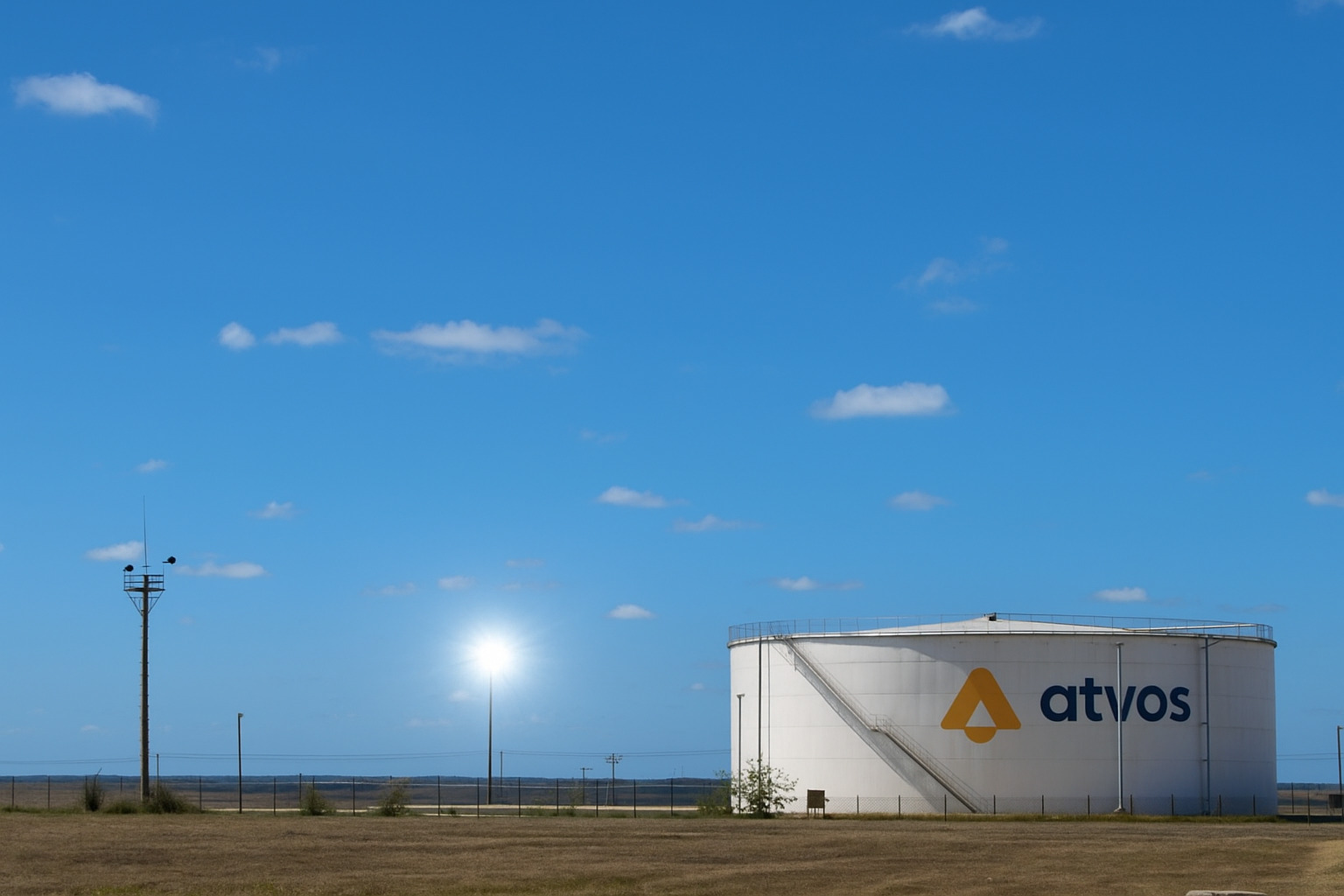
Atvos Invests R$ 2.36 Billion to Create the Largest Biogas Plant in the World in MS, Strengthening Clean Energy and Sustainability in the State.
Atvos, a Brazilian bioenergy company, recently announced ambitious investment plans in Mato Grosso do Sul. Seeking to strengthen the production of biofuels and consolidate the state as a hub of energy innovation.
With an investment of R$ 2.36 billion, the company plans to build the largest biogas plant in the world in MS, located in Nova Alvorada do Sul.
Therefore, this investment marks a significant step in the history of the energy sector in Mato Grosso do Sul. And at the same time highlights Brazil’s transition to more sustainable and low-carbon energy production models.
-
The Economist states that Brazil has a “secret weapon” against expensive oil and highlights how the country can reduce economic impacts even in international scenarios of high volatility.
-
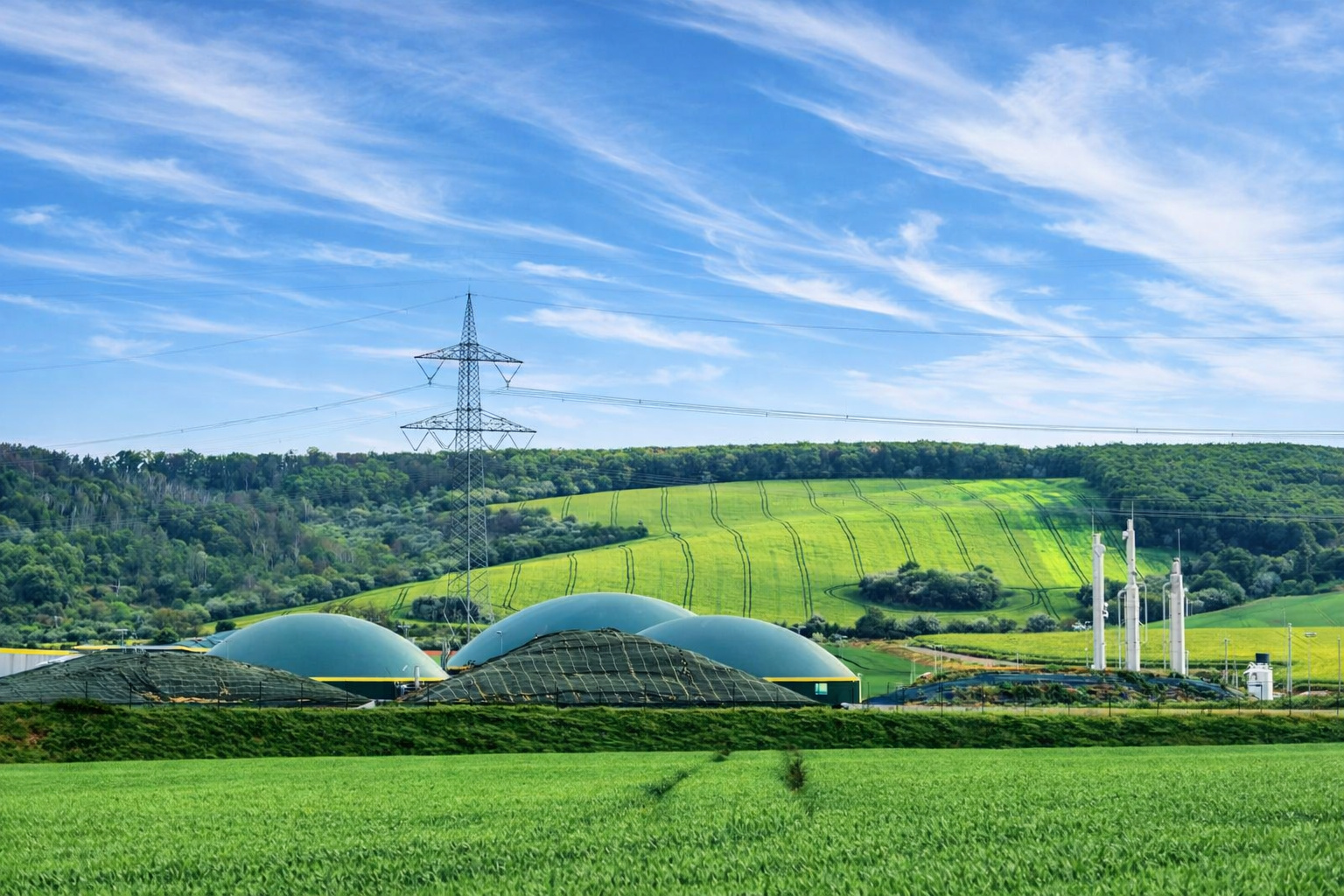
Brazil accelerates decarbonization in the South: International forum in Foz do Iguaçu gathers leaders to discuss the advancement of biomethane in the energy matrix and the potential of “caipira pre-salt.”
-
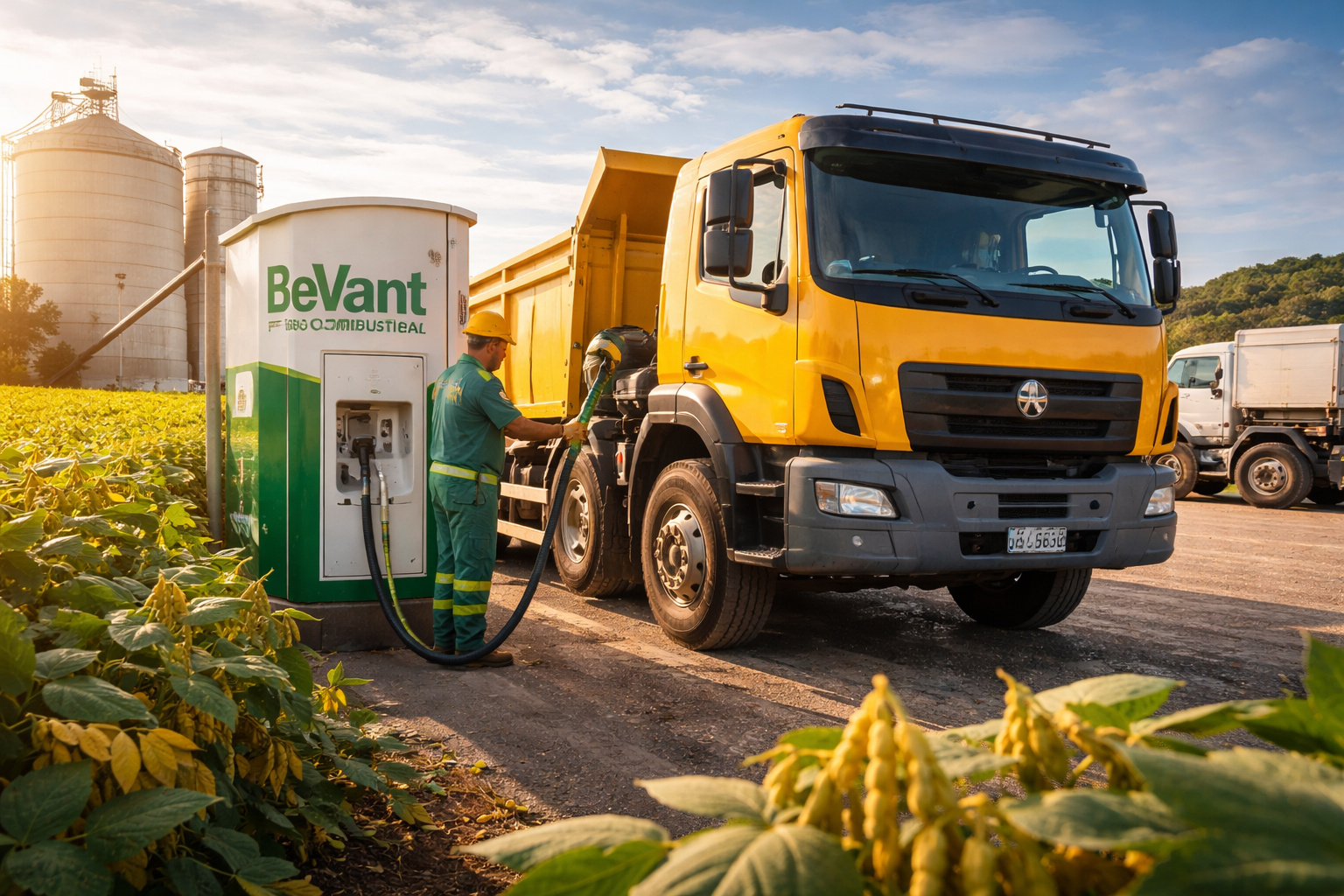
As diesel prices soar due to conflicts in the Middle East, a Brazilian city decides to test a little-known biofuel that promises to completely replace fossil fuel without adaptation and could change the future of energy in the country.
-
Innovation with biofuel engines transforms agribusiness by replacing diesel without the need for major adaptations, ensuring energy efficiency and helping to reduce dependence on oil.
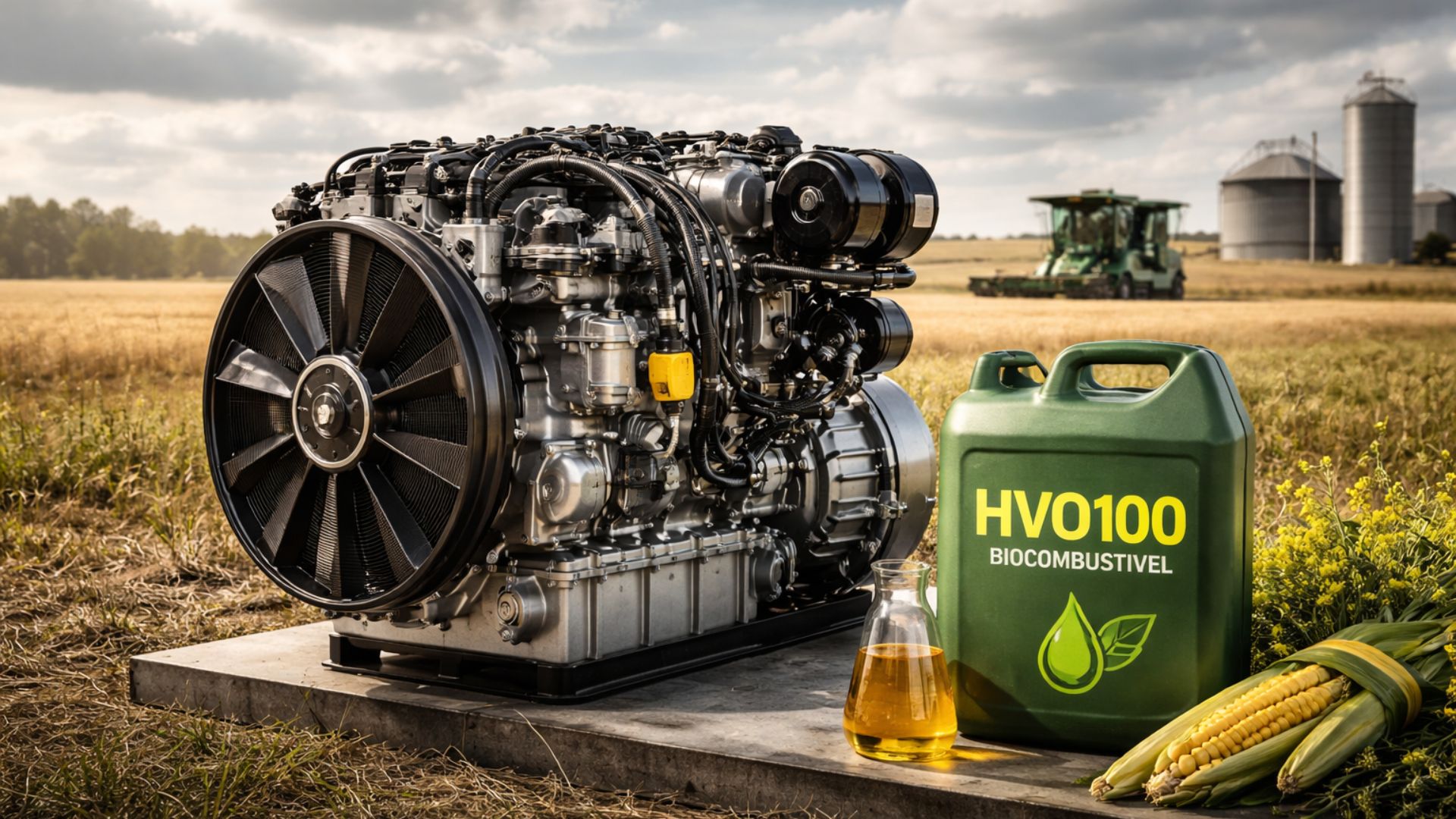

Historically, Mato Grosso do Sul has stood out in the agroindustrial sector, especially in the production of sugarcane and ethanol. Consequently, the state attracted private investments that diversified the production matrix and increased job generation.
Furthermore, Atvos’ decision to invest in a biogas plant fits into this context, uniting agricultural tradition with technological innovation and environmental sustainability.
The plant will not only have the largest capacity in the world but will also represent a milestone in the evolution of renewable energies in the country.
In addition to strengthening the energy sector, Atvos’ project also protects the environment.
This is because the company will utilize vinasse and filter cake as raw materials for biogas production. Demonstrating an efficient model of circular economy, where organic waste is transformed into clean energy.
This approach reduces environmental impacts and generates sustainable development opportunities, in addition to showing how technological innovation can coexist with traditional agricultural practices.
Largest Biogas Plant in the World in MS: Investments and New Industrial Units
Atvos’ project includes the construction of three new industrial units in the state; thus, in addition to the largest biogas plant in the world in MS. The company will install two corn ethanol plants, one in Nova Alvorada do Sul and another in Costa Rica.
The investment in the biogas plant will be R$ 360 million, while each of the corn ethanol plants will receive R$ 1 billion.
In this way, the ethanol units will have an annual production capacity of 250 million liters each, in addition to generating by-products such as distiller’s grains with solubles (DDGS) and electricity, strengthening the integration between agriculture and energy production.
The biogas plant will have the capacity to produce 28 million cubic meters of biogas per sugarcane harvest.
In addition, Atvos will transform vinasse and filter cake, waste generated during the production of ethanol, into a clean and renewable source of energy.
Therefore, this model of waste utilization connects to the historical practices of innovation in the Brazilian agricultural sector, where the reuse of agricultural by-products has contributed to the generation of energy and fertilizers since the 20th century.
The expectation is that the biogas plant will be completed in November 2026, and the biofuel will be initially used by Atvos’s fleet of vehicles.
Subsequently, the company plans to supply the local market in cities like Rio Brilhante and Nova Alvorada do Sul and integrate biogas into the MS Gás network.
Thus, the initiative not only increases the energy production of the state but also decentralizes the supply of clean fuels, strengthening local infrastructure and fostering a regional biogas market.
Sustainability and Energy Transition
Atvos’ project also stands out for its alignment with sustainability policies and energy transition.
The governor of Mato Grosso do Sul, Eduardo Riedel, emphasizes that investments in biogas and corn ethanol expand the productive capacity of the state. And reinforce strategic pillars of his government plan, including food security, sustainability, and technological innovation.
Biogas offers an opportunity to advance towards a low-carbon energy model. Reducing greenhouse gas emissions and contributing to the mitigation of climate change.
The license for the installation of the new plants was granted in March, and Atvos is expected to start construction in January 2026.
With the new corn ethanol plants, Mato Grosso do Sul will have five production units for this biofuel.
The total production capacity will meet the growing demand of the local market, reflecting the historical trend of the Brazilian energy sector to increase the production of ethanol and other biofuels as alternatives to fossil fuels.
Thus, the growth of the ethanol industry in the state demonstrates Mato Grosso do Sul’s ability to adapt to energy and environmental demands over time.
Atvos will also invest in the professional training of the region, training technicians and engineers specialized in bioenergy.
Therefore, this social and educational investment reinforces the commitment to the sustainable development of the state, creating a qualified base of professionals that will support the future expansion of the energy sector.
Economic and Regional Impact
In addition to environmental impact, Atvos’ investments generate relevant economic effects.
With the R$ 2.36 billion invested, the state exceeds R$ 80 billion in private sector investments, including projects in cellulose, mining, and agroindustry.
Consequently, Mato Grosso do Sul consolidates itself as a hub of economic development and technological innovation in Brazil, capable of attracting investors and consolidating production chains that create jobs, income, and regional development opportunities.
The presence of international funds, such as Mubadala, reinforces the confidence of global investors in the potential of the state.
The project of the largest biogas plant in the world in MS shows how Brazil can unite agricultural tradition and technological innovation to promote a sustainable future.
The integration between the production of corn ethanol, sugarcane, and biogas evidences a model of circular economy. In which waste is transformed into clean energy, reducing waste and environmental impacts.
Additionally, this type of historical initiative inspires other regions of the country to invest in similar technologies, expanding the Brazilian renewable energy matrix.
The implementation of the biogas plant also improves energy infrastructure and logistics; thus. The integration into the MS Gás network ensures supply security and stimulates regional competitiveness.
Historically, the expansion of energy infrastructure in Brazil has been linked to periods of economic growth and technological innovation. And Atvos’ case follows this same trajectory.
The initiative also contributes to social development, as the construction and operation of the plants generate direct and indirect jobs, benefiting the local economy.
Therefore, communities in Nova Alvorada do Sul and Costa Rica will benefit from the increase in job opportunities and professional training. Reflecting the historical pattern of the Brazilian agroindustrial sector, where large investments drive economic growth and social inclusion.
A Milestone for Mato Grosso do Sul
In summary, Atvos’ project for the construction of the largest biogas plant in the world in MS represents a milestone in Brazil’s energy history.
With investments of R$ 2.36 billion, Mato Grosso do Sul consolidates itself as a reference in innovation, sustainability, and energy integration.
The biogas plant, along with the corn ethanol units, demonstrates the state’s ability to balance agricultural tradition, industrial modernization, and environmental responsibility.
Thus, this project strengthens the regional economy and contributes to a more sustainable energy future for Brazil. Showing that economic development and environmental preservation can go hand in hand.








Seja o primeiro a reagir!