





 Portuguese
  English
  Spanish
  3 min of reading
  0 comments


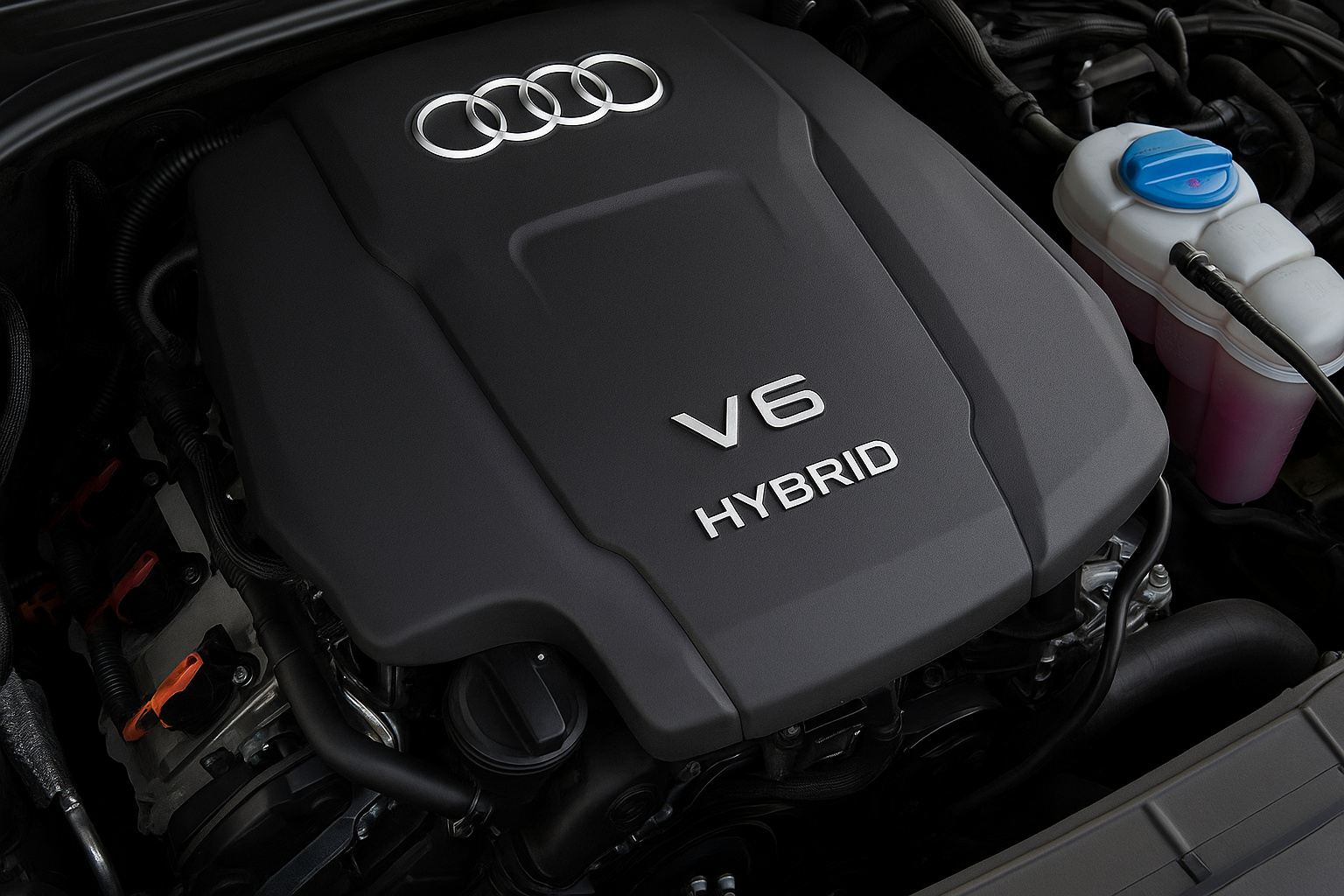
Audi V6 Engine Returns With Mild Hybrid System, More Range and Consumption Above 18 Km/L in the European Automotive Market.
Audi Surprises the Automotive Market by Reviving V6 Engine With Range of Up to 18 Km/L and Hybrid Technology
Audi has announced the return of one of the brand’s most iconic engines, revealing to the European automotive market when and where this technology is coming back, as well as explaining how the combination of the V6 engine and mild hybrid system improves consumption and why the strategy promises to change the diesel landscape.
The automaker relaunched the engine in updated versions of its A6 and Q5 models, offering more efficiency, quicker responses, and range that can exceed 18 km/L.
This move represents an important turning point. After years marked by the “dieselgate” scandal, Audi is repositioning diesel as a modern and sustainable alternative.
-
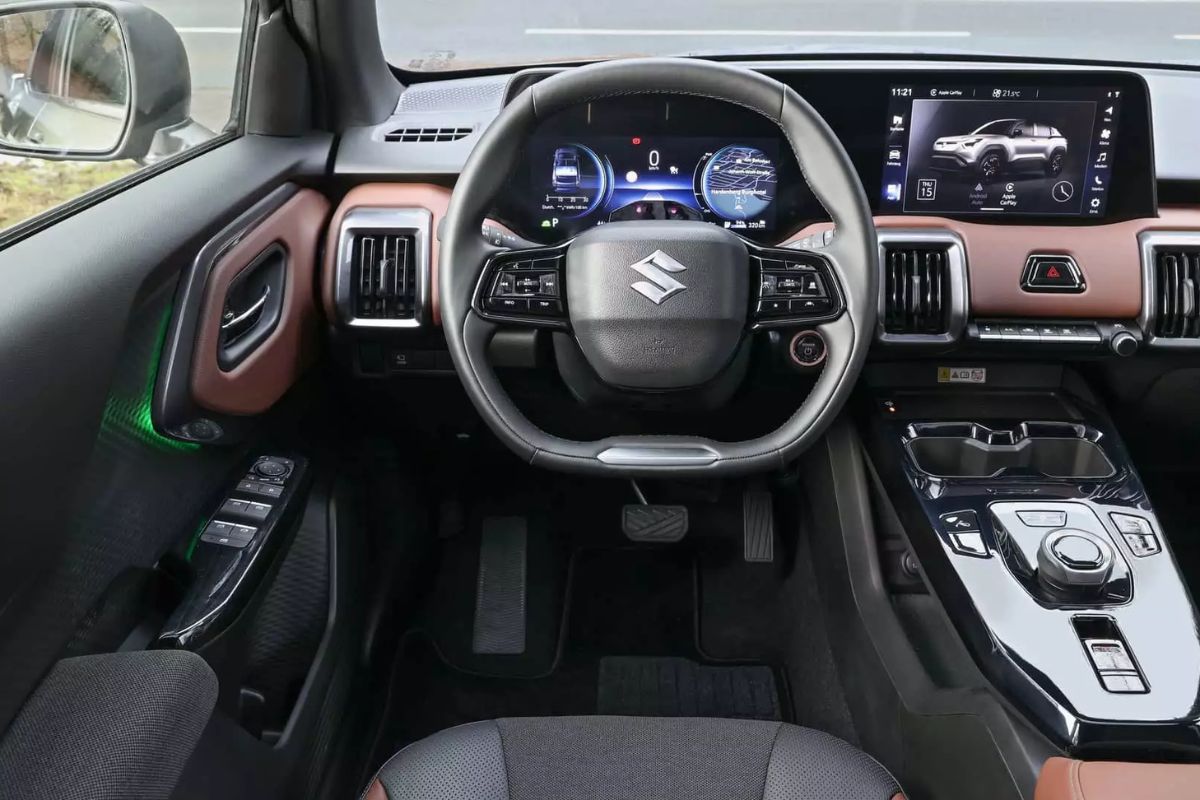
The 2026 electric Vitara arrives in Brazil and proves that Suzuki is not leaving: 4×4 traction, 184 hp, 61 kWh LFP battery, 293 km range, R$ 259,000, and a trunk capacity of 224 L.
-
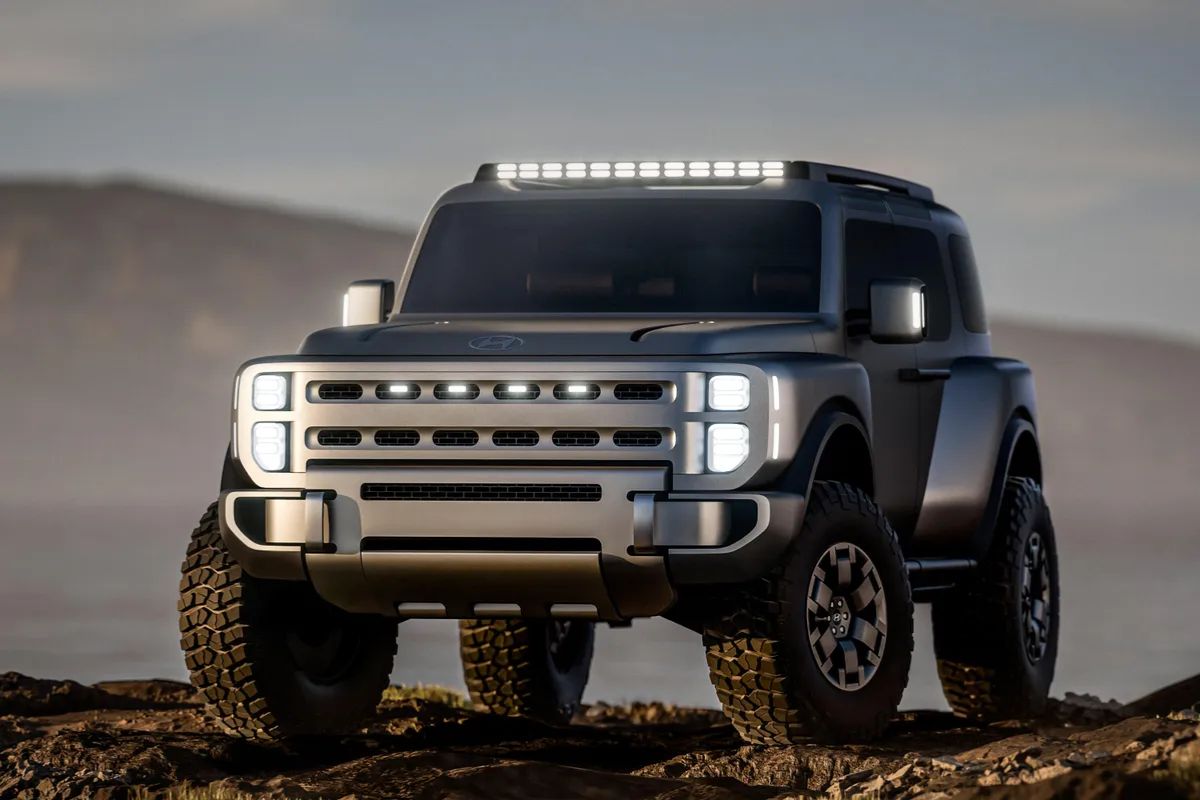
Hyundai has unveiled the Boulder, a square SUV with a body-on-frame design, 37-inch mud tires, and carriage-style doors that seems to be made to take on the Ford Bronco and the Scout Traveller in the United States.
-
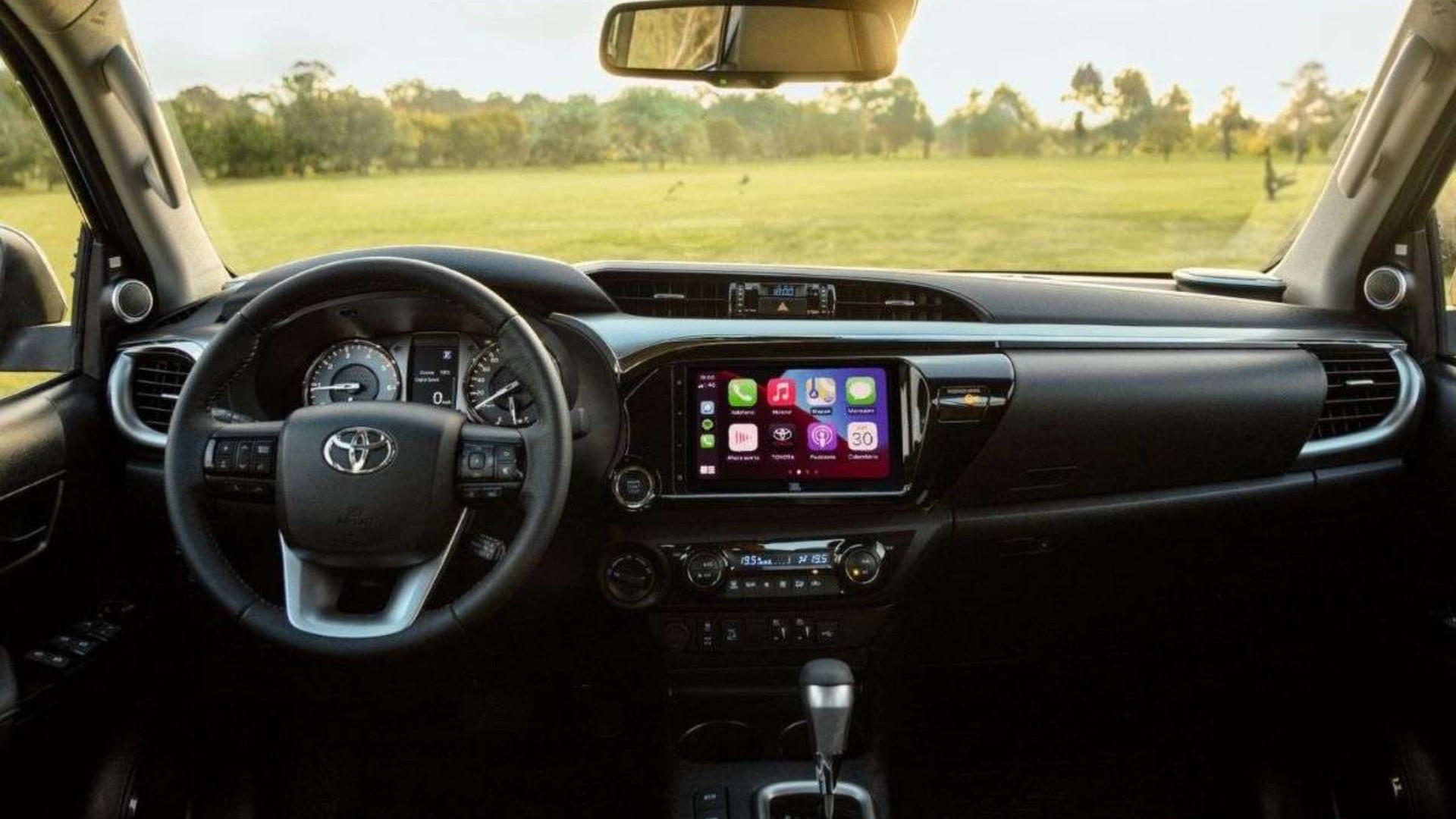
The Toyota Hilux is R$ 75.5 thousand cheaper and bets on the 2.8 turbodiesel engine with up to 204 hp and 50.9 kgfm to catch up with the VW Saveiro, which leads with 4,472 sales.
-
The new Renault Koleos has a screen exclusively for the passenger that is invisible to the driver, heated rear seats, and 29 assistance systems, but its Chinese competitors cost R$ 40,000 less and deliver more power.

Thus, the brand is betting on mild electrification to reduce emissions, enhance performance, and deliver functionality compatible with renewable fuels.
Audi Makes a Big Bet on the Return of the V6 Engine to the Automotive Market
The brand revives the traditional V6 TDI from the EA897 family, the same one used in the Volkswagen Amarok, but now completely revamped. In this way, the engine is reborn under the name EA897 evo4, bringing new calibration, novel components, and integration into a 48-volt electrical system.
While maintaining the robust profile typical of Volkswagen Group turbodiesel V6 engines, the new power unit changes behavior at low revs. Audi claims that performance has become more linear, smooth, and immediate—crucial factors to regain space in the European automotive market.
V6 Engine Gains Electric Supercharger and Mild Hybrid System
The significant technical differentiation appears in the auxiliary electric supercharger. It operates after the turbo and intercooler and, therefore, almost completely eliminates response delay—the famous turbo lag. The equipment reaches 90,000 revolutions per minute and generates full pressure in just 0.25 seconds, providing abundant torque right from the start.
Additionally, the mild hybrid system adds more power during demand moments. The electric motor contributes 24 hp and 24 kgfm extra, while recovering up to 25 kW of energy during braking.
According to Audi, this setup drastically improves acceleration: in the first 2.5 seconds, the new models advance the equivalent of “one car” ahead of the previous versions.
Range Above 18 Km/L Reinforces Focus on Efficiency
Range improves significantly. In the European cycle, the Audi A6 equipped with the new V6 engine records consumption between 16.3 km/L and 18.8 km/L, while the Q5 reaches between 14.7 km/L and 17.2 km/L. These figures place the engine among the most efficient diesel engines ever produced by the brand.
Moreover, the engine accepts renewable fuel made from hydrotreated vegetable oil (HVO), expanding the strategy to reduce carbon dioxide emissions. Thus, Audi is aiming to bring diesel back to the forefront of discussions about sustainable mobility.
Audi Aims for a Cleaner Future Without Giving Up the V6
The decision to revive the V6 shows that the company seeks a balance between tradition and innovation. While investing in total electrification, it maintains advanced combustion engines for markets where electrical infrastructure is still evolving slowly. Therefore, the new V6 engine reinforces Audi’s attempt to maintain global relevance.
The result combines high range, quicker responses, and a focus on sustainability—a rare equation in today’s automotive market.










-

-

-

4 pessoas reagiram a isso.