





 Portuguese
  English
  Spanish
  2 min of reading


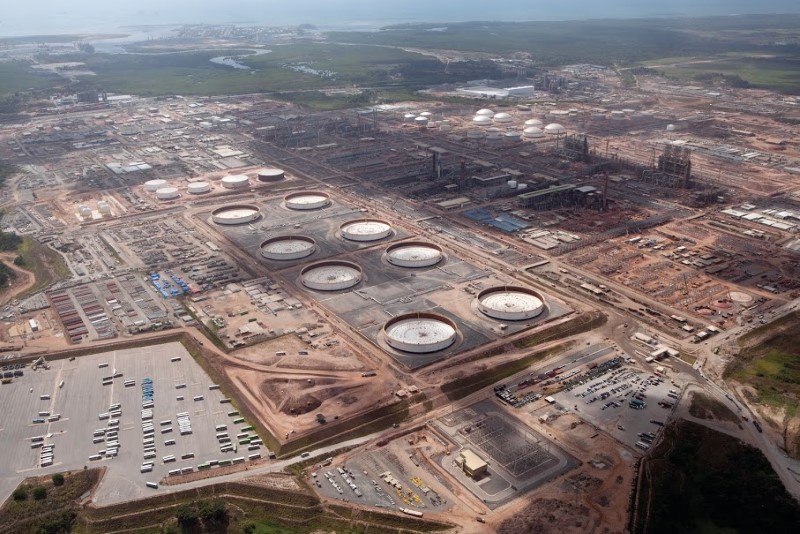
The Estimate Comes from the Deputy Superintendent of the Energy Research Company (EPE), Marcelo Cavalcanti, Who Points Out That the Country Will Have This Demand by the Year 2040.
The statement was made by Marcelo Cavalcanti during his participation in the O&G Regulation International Benchmark Forum, organized by IBP and OGE, between June 10 and 11 in Rio de Janeiro.
The deputy superintendent of the Energy Research Company (EPE) further stated that Brazil will have to increase its refining capacity from the current 2.34 million barrels per day to 3.27 million barrels per day by the year 2040.
The 40% increase, according to the estimate, will generate a demand for the construction of four refineries and he added, “There will certainly be demand for the construction of new refineries. This is even with the projects of the second refining train of the Abreu e Lima Refinery (RNEST) and also with the Comperj project.”
-
The village where two rivers run side by side without mixing in Santarém and Alter do Chão reveals some of the most beautiful freshwater beaches on the planet.
-
Mars is accelerating, and scientists have discovered that the planet’s day is getting shorter, revealing surprising signs of internal activity.

-
Artemis 2 is set to launch on April 1 at 7:24 PM to orbit the Moon with four astronauts, but a class X solar flare and coronal mass ejection could interfere with communications and threaten the launch.

-
The largest deposit of Vale was discovered by accident and today represents almost all the ore produced by the company.
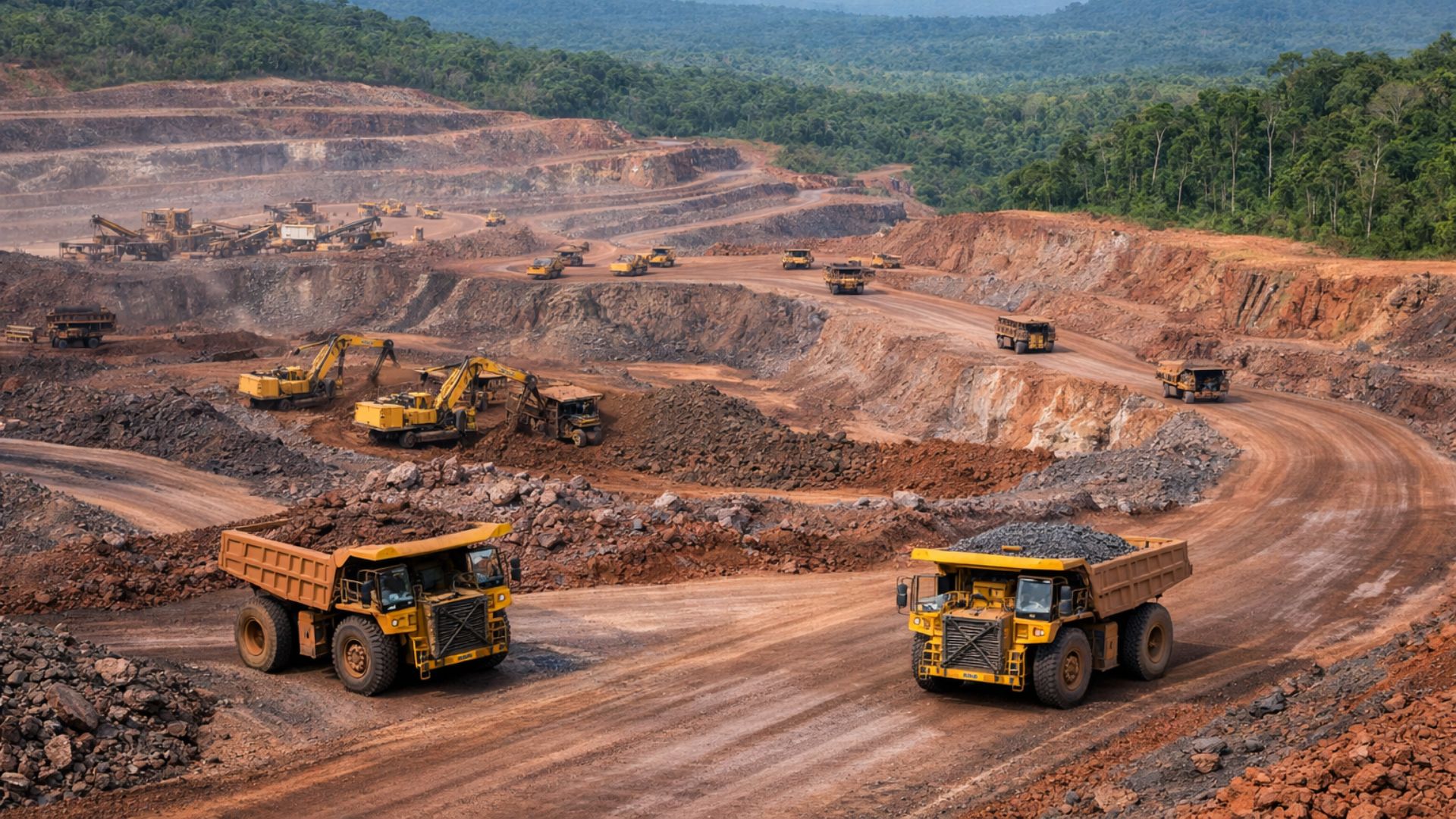

The refining market in Brazil is at a defining moment. The government’s intention is to sell its stakes and cease to have a monopoly in the sector, which, according to Minister of Economy Paulo Guedes, does not bring benefits to the country.
Last week, CADE approved the sale of eight refineries from Petrobras and confirmed the government’s position to end the refining monopoly.
Refining at Comperj?
On the same day, Roberto Castello Branco, president of Petrobras, stated that the feasibility study for the construction of a gas-fired thermoelectric plant at Comperj will be ready by September and the new venture may be carried out with the Chinese company CNPC.
Marcelo Cavalcanti is part of EPE (Energy Research Company), which aims to provide services in the area of studies and research intended to support planning in the energy sector, such as electricity, oil, and natural gas and their derivatives, mineral coal, renewable energy sources, and energy efficiency, among others.
The agency was created mainly after the rationing and blackouts that occurred in the early decade (2000 and 2001), partially attributed to a lack of planning. EPE is an independent entity, not subordinate to any company, only linked to the Ministry of Mines and Energy.








Seja o primeiro a reagir!