





 Portuguese
  English
  Spanish
  4 min of reading
  0 comments


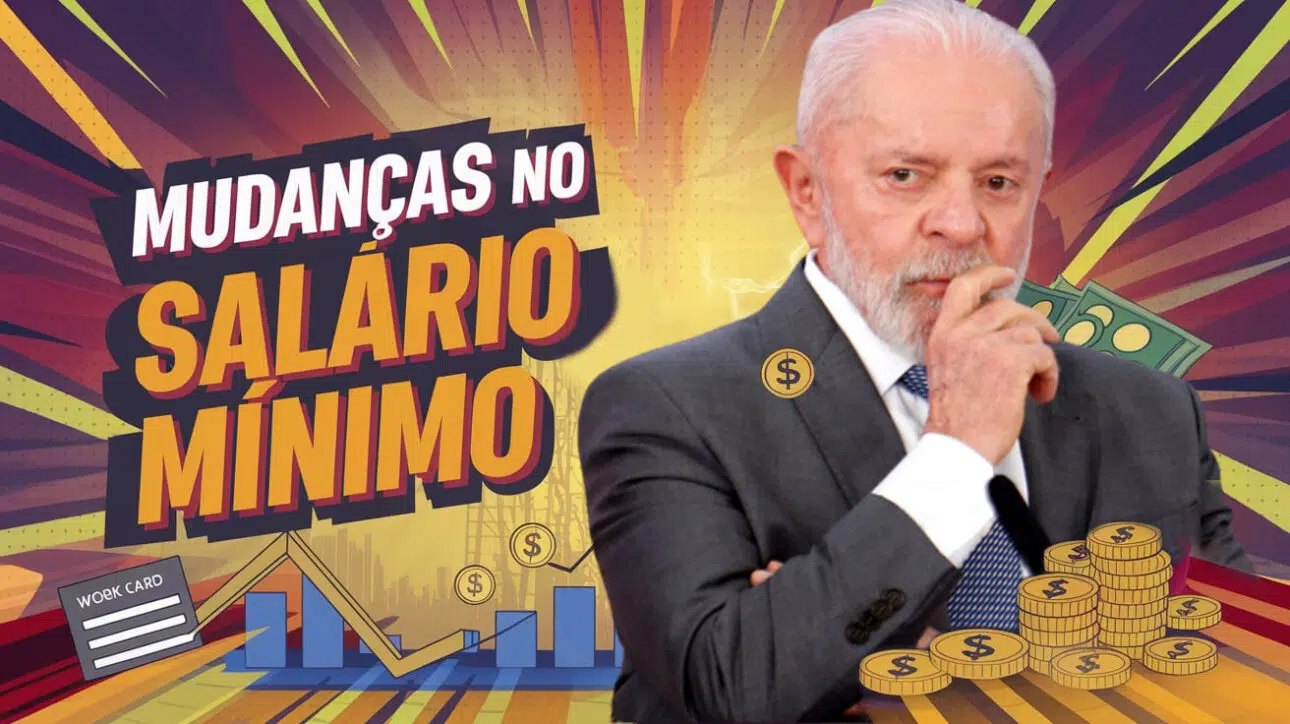
In 2025, the Minimum Wage Will Have a Real Increase, but the Ceiling of the New Rule Generated a Reduction in the Expected Value, Saving Billions for the Government and Frustrating 59.3 Million Brazilians Who Depend on the Minimum.
The economic scenario in Brazil gains new contours with the announcement of the minimum wage adjustment for 2025.
While many Brazilians expected a more significant increase to face economic challenges, the recent announcement from the government brought somewhat bitter news.
The frustration of millions of workers and retirees mixes with the timid relief of an adjustment that, even though positive, fell short of expectations.
-
Pharmacy inside the supermarket: what changes now in your purchase, why medicines won’t go on the shelves, which rules remain strict, mandatory pharmacist, separate space, controlled storage, more convenience and competition in the country.

-
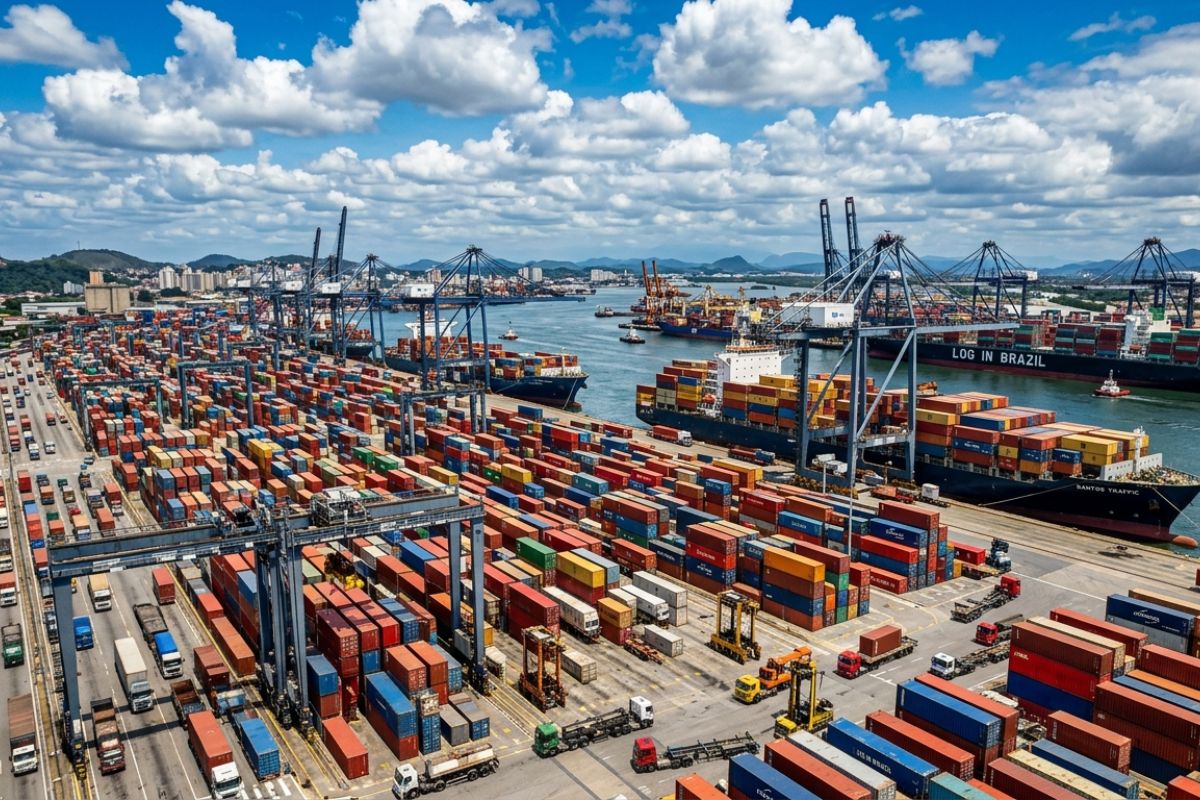
Ports like Santos and Paranaguá are operating at their limits and may block containers as early as 2030, warns a study by Macroinfra; bottlenecks increase costs and delays and push cargo to Rio, Salvador, Pecém, and Suape across Brazil.
-
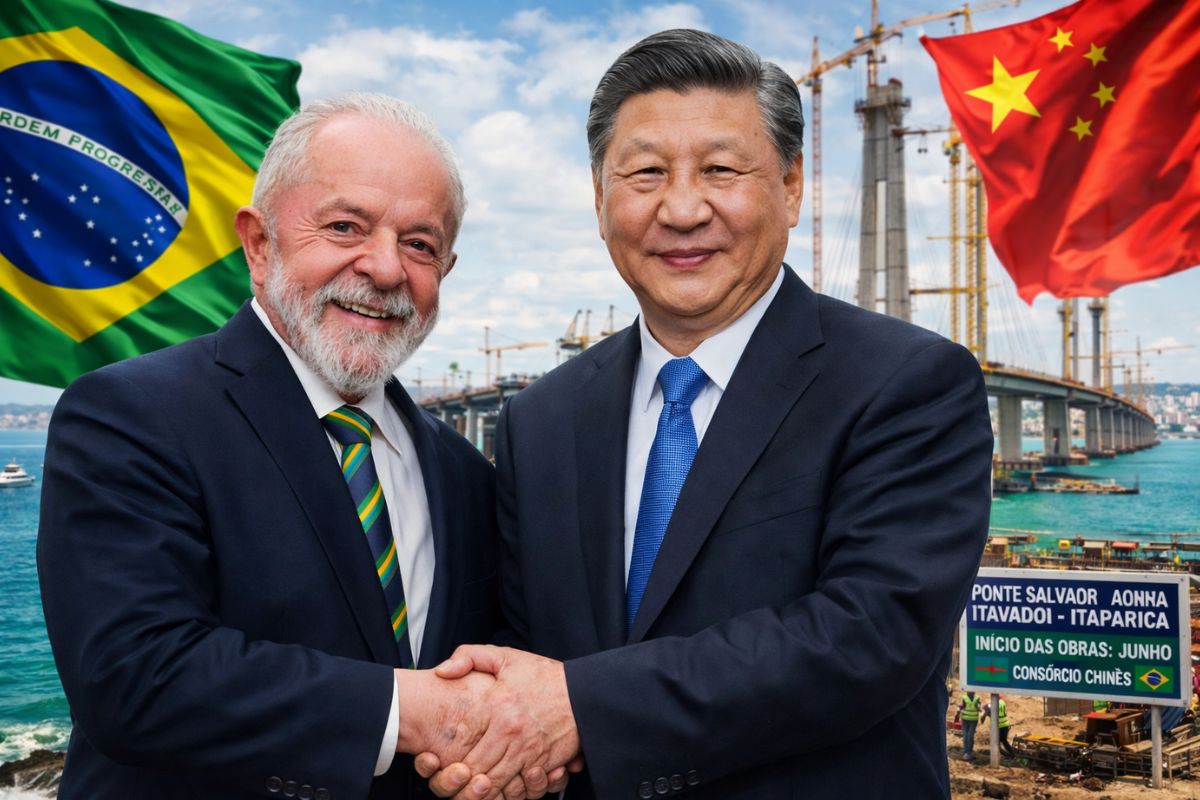
Lula reveals in an interview that he asked President Xi Jinping three times to invest in a major project in Brazil, the Salvador-Itaparica bridge, which is set to begin in June with the participation of a Chinese consortium and is expected to be extraordinary, according to the president.
-
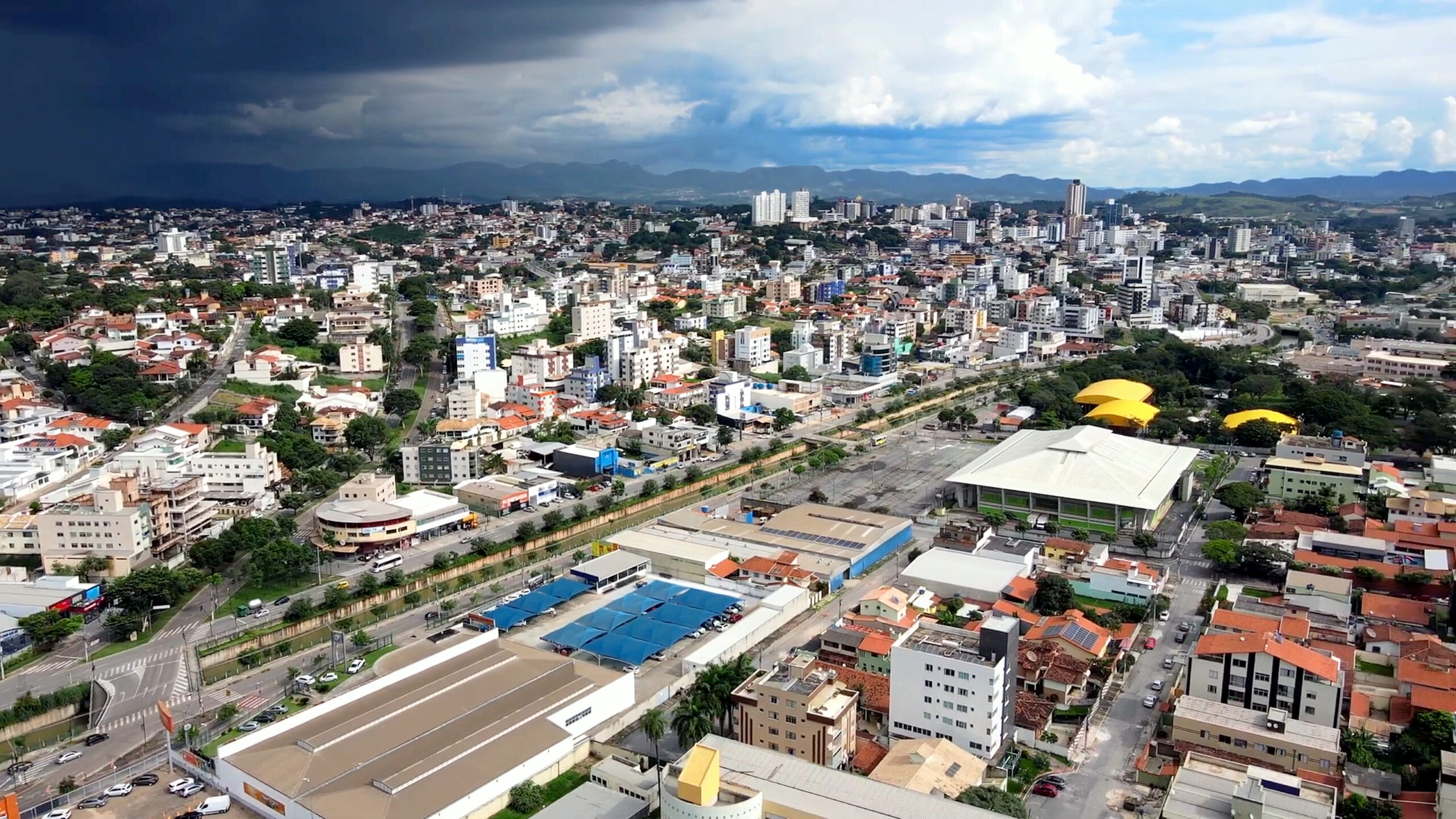
Neighboring city of Belo Horizonte has properties starting at R$ 139,000 with 90 m² and a price per square meter much lower than the capital, even concentrating automotive, petrochemical, and logistics hubs.

Smaller Adjustment Than Expected
President Luiz Inácio Lula da Silva (PT) will publish, in the coming days, a decree that will adjust the minimum wage to R$ 1,518 in 2025, according to sources in the federal government.
Currently set at R$ 1,412, the new amount will bring an increase of R$ 106, equivalent to 7.5%.
This percentage includes a real gain, that is, above inflation.
However, the adjustment was below what many expected, especially after the implementation of the new calculation rule approved this year as part of a fiscal package to contain expenses.
Understand the New Calculation Formula
The current formula for adjusting the minimum wage considers two main factors: the accumulated inflation over 12 months until November, measured by the National Consumer Price Index (INPC), which was 4.84%, and the growth of the Gross Domestic Product (GDP) from two years ago, set at 3.2%.
However, a ceiling of 2.5% was established to limit the impact of GDP variation.
If the previous rule, without the ceiling, were still in effect, the adjustment could have raised the minimum wage to R$ 1,528.
With the change, Brazilians lose about R$ 10 in their monthly amount. This alteration has already been pointed out as crucial to limit public spending, but it directly impacts family income.
Savings for Public Coffers with the Limitation of the Minimum Wage
The impact of the new calculation rule reflects savings for the government.
As the minimum wage serves as a basis for the payment of pensions, retirement benefits, and social benefits, a more modest increase reduces public expenditures.
According to official calculations, each additional real in the minimum wage increases government expenses by R$ 392 million.
It is estimated that, in 2025, the total savings from the more limited adjustment will be R$ 4 billion.
For the coming years, control over the growth of the minimum wage will also remain, causing an accumulated reduction of R$ 110 billion in pension and social assistance benefits by 2030.
The Impact on the Lives of Brazilians with the Value of the Minimum Wage
Currently, the minimum wage is a reference for about 59.3 million Brazilians, including workers, retirees, and beneficiaries of social programs such as the Continuous Cash Benefit (BPC).
Moreover, the adjustment affects families’ purchasing power, directly influencing consumption and economic performance.
According to the Inter-Union Department of Statistics and Socioeconomic Studies (Dieese), the restriction on the real increase of the minimum wage may generate negative effects on domestic consumption.
Families with lower purchasing power tend to reduce their spending, impacting important sectors of the economy, such as trade and services.
Cut in Spending and Economic Effects
The fiscal package approved by the government brought significant changes, with direct and indirect impacts on the economy.
For the government, the measure is essential to achieve fiscal balance and ensure sustainability in public accounts in the long term.
On the other hand, experts warn of possible short-term losses.
Dieese highlighted that the reduction in the pace of minimum wage increases may be reflected in GDP results.
Data from the third quarter of 2024 already show a slowdown in family consumption, the main engine of the Brazilian economy.
For many economists, controlling public spending should not sacrifice the income of the most vulnerable population, at the risk of jeopardizing economic recovery.
Conclusion and Prospect
Although the adjustment of the minimum wage to R$ 1,518 in 2025 is an advance compared to the current amount, the application of the 2.5% ceiling has brought frustration to Brazilians.
The measure reflects the need for fiscal control, but it also raises concerns about its impact on income, consumption, and economic growth.
The big question that remains is: would cuts in the minimum wage adjustment really compensate for the possible damage to the economy and the quality of life of Brazilians in the coming years?






-

-

2 pessoas reagiram a isso.