





 English
  Francês
  Alemão
  Italiano
  Japonês
  Norueguês
  Portuguese
  Spanish
  6 min of reading


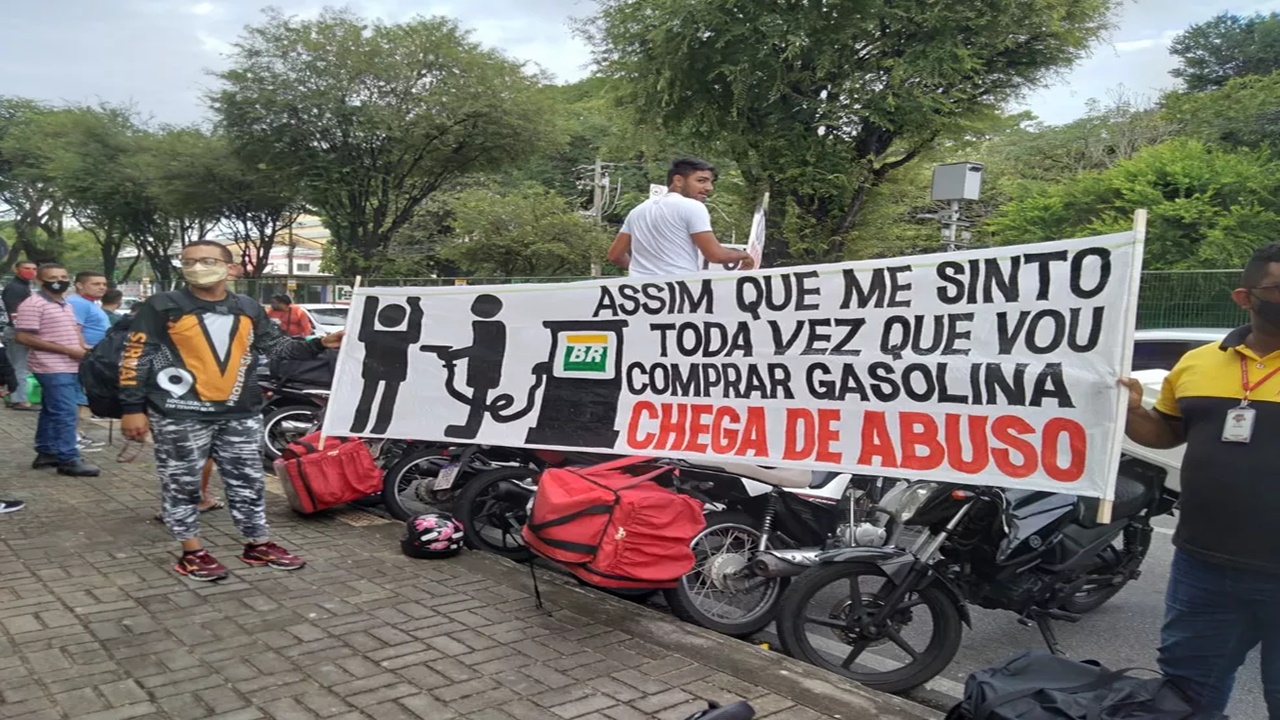
Surge In Fuel Prices Tightens Profits Of App Drivers And Motorcyclists – Who Choose Rides And Think Of Leaving The Profession
Unsustainable fuel prices for gasoline, ethanol, and natural gas – the most used by Uber and 99 app drivers, as well as Rappi and iFood motorcyclists, make life even more difficult for these workers, who already struggled to make a profit during the coronavirus pandemic. Now, with the pandemic and rising gasoline prices, 25% of drivers in São Paulo have quit providing services; for the motorcyclists, the new costs force them to work longer hours. Since February, ethanol has increased by 23%, and gasoline has risen by nearly 10%, according to an ANP survey adjusted for inflation.
Read Also
- Gasoline, Ethanol, Diesel, And Natural Gas Prices Keep Rising, And The New Biometano Fuel Came To ‘Save’ App Drivers, Taxi Drivers, And Workers
- Ethanol And Gasoline Prices Register The Lowest Increase In The Southeast Region And Provide Relief To App Drivers, Taxi Drivers, And Workers
- Ambev, The Largest Beverage Company In The World, Calls For Women To Fill Home Office, Hybrid, And In-Person Job Openings; Professionals From All Over Brazil Can Participate
- Urgent Selection Process Demands Home Office Job Openings In Various Areas; Entry-Level, Mid-Level, And Senior Professionals From Anywhere In The Country Can Participate
- Digital School Will Offer Free Online Courses With Certification Next Week Aiming To Encourage Knowledge In Technology And Train Professionals For One Of The Fastest-Growing Sectors In The World
According to data from ANP – National Agency of Petroleum, Natural Gas, and Biofuels (ANP), in just four months, the national average price of a liter of ethanol increased from R$ 3.54 to R$ 4.36, a rise of 23.1%.
Considering the variation since May 2020, when the price hit its lowest during the crisis, the fuel cost R$ 2.74. The increase is about 59% compared to the price in June 2021.
-
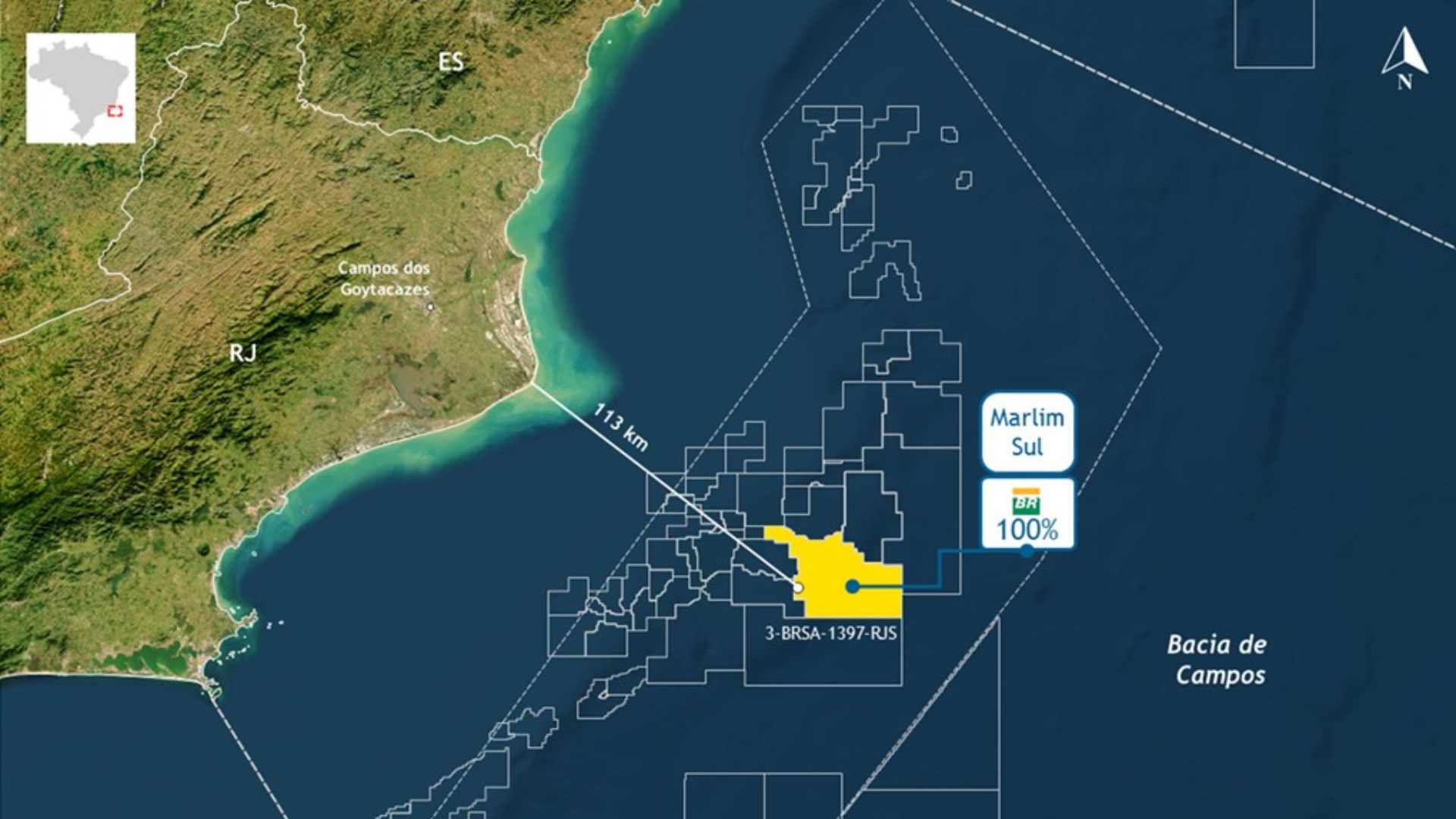
Petrobras finds high-quality oil in the pre-salt at 113 km from RJ and reignites expectations about strategic reserves in the Campos Basin.

-
Ocyan opens registrations for startups focused on innovation in the oil and gas sector and will select projects for Innovation Day with the support of Nexio.

-
Petrobras announces new oil discovery in the pre-salt of the Campos Basin and reinforces Brazil’s prominence with high-quality reserves that can increase production and energy revenues.
-
Alert in the fuel market: Analysts and a former director of ANP warn that oil prices may worsen in the coming months due to global instability.
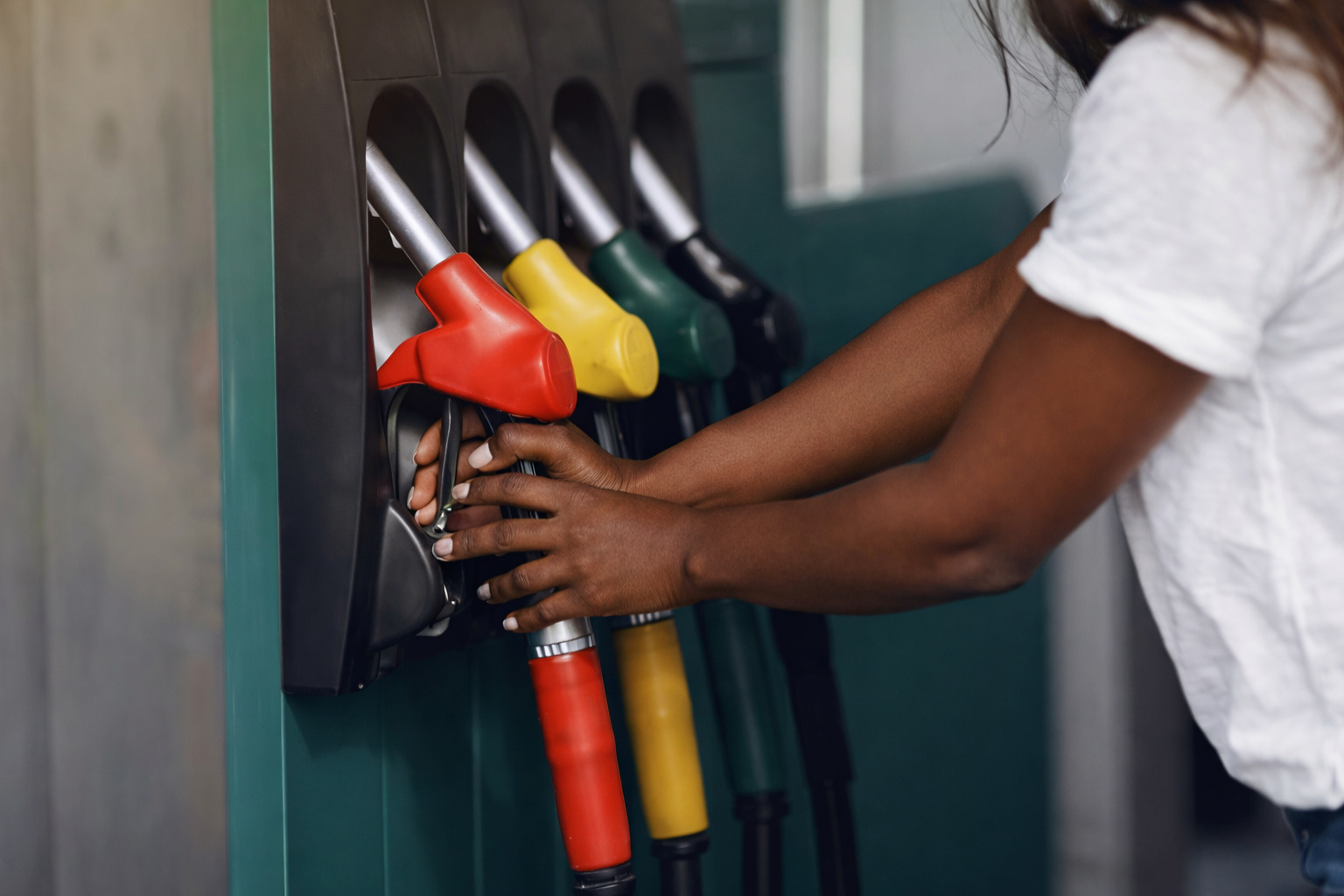

The increase in gasoline prices follows a similar path, albeit less aggressively: from February to June, the fuel rose from R$ 5.12 to R$ 5.69, equivalent to 9.6%. However, compared to the price in May 2020, when it was R$ 4.11, the increase reaches 38% against the most recent value.
All comparisons take into account inflation adjustments for the period, with prices corrected by the Broad Consumer Price Index (IPCA) from IBGE. Therefore, the percentages represent real increases and are based on prices from the previous month.
Throughout 2020, as isolation measures were eased, the cost of gasoline and ethanol began to normalize. However, from February onwards, the price of inputs broke the pre-pandemic level due to rising oil prices, quoted in a strong dollar.
Fuel Price Increase Affects Workers’ Profits, And 25% Of São Paulo’s Fleet Of Drivers Quit The Segment
The São Paulo App Drivers Association (Amasp) states that, if the pandemic wasn’t enough to affect workers, the increase in fuel prices has reduced the earnings of app drivers who saw their customer base disappear. As a result, about 25% of São Paulo’s fleet of drivers has quit working in the segment.
The entity estimates that 120,000 workers were operating in the city at the beginning of 2020. Now, there are around 90,000. In addition to a lower supply of drivers, those who remain have started to select rides that are more profitable due to the rising fuel prices.
“We have begun to advise drivers against accepting promotional rides from Uber Promo and 99 Poupa. The payout to the driver doesn’t cover even one liter of gasoline,” says Eduardo Lima de Souza, president of Amasp.
Gasoline Represents Between 25% And 50% Of A Motorcyclist’s And App Driver’s Daily Expenses, Respectively.
For a driver, gasoline accounts for 40% to 50% of daily expenses. The fee paid to apps is around 25%. For many drivers, there are also payments for vehicle installments or rentals.
The category requests that platforms take one of two possible actions: raise the price of rides or reduce the cut charged from drivers. Without a change, the fleet may decrease even further.
Working 10 to 12 hours a day – Rosimar Pereira has been a driver for over 20 years, six of which have been spent working for major transport apps, states that profits have not exceeded R$ 1,500 since fuel prices skyrocketed. If he finds another job with a similar salary, there will be one less person on the streets of São Paulo. “Car depreciation would be much lower,” he says.
For motorcyclists, the share of fuel costs ranges from 25% to 35% of their expenses, depending on how much the professional earns in a workday. However, they say that the fee paid by apps varies with demand and the number of available workers.
“What the motorcycle courier does is take from another source: they eat improperly, skip proper vehicle maintenance, work longer hours, and rush to make more deliveries in a day,” says Edgar da Silva, known as Gringo, president of Amabr.
The increase in motorcycle accidents is evident. The latest numbers from Infosiga SP show that the number of accidents involving motorcyclists in the city of São Paulo rose from 1,011 in April 2020 to 1,584 in June 2021 (an increase of 56.6%). Deaths increased by 58.8%, from 17 to 27.
The entity is attempting to push the government to establish three tables with minimum remuneration for motofretista services. These would set minimum values per kilometer traveled, waiting times at pick-up points, and service complexity – such as making purchases in supermarkets.
Uber, 99, Rappi, And iFood Respond To G1
“Fuel prices are beyond Uber’s control, but we understand the dissatisfaction and are working to help our partner drivers reduce their fixed costs,” says a statement from the company sent to G1. Financial support provided by the company was directed to drivers who needed to stop working due to Covid. The company allocated US$ 30 million for this purpose but does not specify how many professionals used the service.
99 also does not respond to whether it intends to reduce its “cut” from rides or adjust prices. “Since February, we have guaranteed a 10% discount on all fuel purchases at Shell gas stations across the country, which has already represented savings of over R$ 2.5 million. We are also, on strategic dates, waiving the fees charged on rides, meaning 100% of the amount is passed on to the partner driver. (…) It’s important to note that all promotions are subsidized by the platform, at no cost to the partner,” says the company’s statement.
Rappi states that it is “constantly communicating with its independent deliverers, and attentive to solutions that can benefit them. (…) The freight is calculated considering various factors, including weather, day of the week, time, delivery zone, distance traveled, and order complexity. Freight is not a revenue line for Rappi, which always seeks to balance demand and the criteria for calculating delivery orders. In times of high demand, for example, the amount paid to the deliverer is higher than the amount paid by the customer,” says the company in a statement.
iFood informs that it has a minimum route value policy of R$ 5.31, in addition to fully passing on tips. However, the values are variable and consider the distance traveled, the city, the day of the week, and the mode used. The company does not respond regarding fee adjustments but states that deliverers and their families have access to discounts on motorcycle insurance, oil changes, university education, and the purchase of electronic products. Additionally, it provides accident insurance and access to a private healthcare network at lower prices.








Seja o primeiro a reagir!