





 Portuguese
  English
  Spanish
  3 min of reading


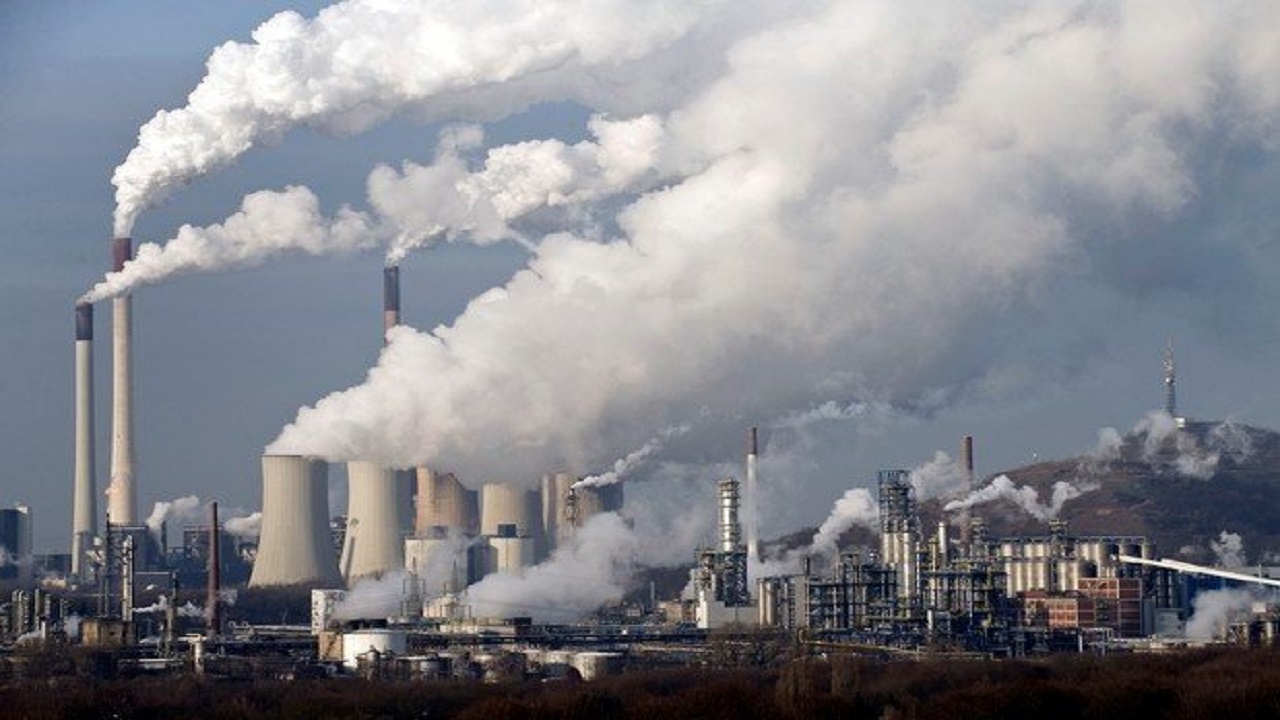
Australia, China, and the U.S. Refuse to Join 40 Nations in Phasing Out Coal, Saying It Won’t ‘End Industries’
The U.S., Australia, and China highlighted that demand for coal is expected to remain high until at least 2030. Among the issues being discussed by nearly 200 countries is a new commitment to the goal of limiting global warming to 1.5 degrees Celsius, prompting countries to review their climate efforts more frequently to increase pressure for deeper cuts and financial support for poorer nations. Limiting global warming to 1.5 degrees Celsius could reduce at least some of the most catastrophic future impacts of climate change that scientists say are already starting to manifest.
Read Also
Coal Retreat
At the start of the conference, more than 40 countries committed to phasing out coal use over the decades. Australia, however, along with some other major coal users like China and the United States, did not agree.
“We have made it very clear that we are not shutting down coal mines and we are not closing coal-fired power stations,” said Australian Resources Minister Keith Pitt to the national broadcaster ABC.
-
The new era of civil construction features “dry construction” and boosts a company that accelerates expansion with 48 stores and steel frame.

-
Woman enters abandoned houses for 16 years that no one dared to visit: beautiful project and logical layout, interior mold-free, possible resort; after exploring, decides to buy everything for €32,000 and surprises the entire village.

-
Simple 2-bedroom house: a study of the construction sector reveals the real cost that few expect and shows how strategic decisions can prevent losses and ensure significant savings in the dream of homeownership.

-
Danish company creates the world’s first door made from fungi that grows in just two weeks, is fire-resistant, and promises to replace traditional wood in construction with nearly zero environmental impact.

Defending Australia’s decision, Pitt stated that Australia possesses one of the highest quality coals in the world. “And that is why we will continue to have markets for decades to come. And if they are buying … well, we are selling.”
Coal Demand is Expected to Increase, Minister Reports
Australia is one of the largest producers of coal and natural gas in the world, but it has also been experiencing increasingly extreme droughts, floods, and wildfires in recent years.
The government of Prime Minister Scott Morrison announced a net-zero emissions target for 2050 last month, but the plan has been criticized for lacking details and relying heavily on yet-unknown technological advancements. The Australian Minerals Council, which represents major mining companies like BHP and Rio Tinto, stated that a 2050 target is achievable through significant investments in technology.
Pitt added that around 300,000 Australian jobs depend on the coal sector. The Australian Minerals Council itself claims that the coal industry directly employs 50,000 workers while supporting another 120,000 jobs.
Experts Note a Decline in Coal Sales from the U.S., China, and Australia
However, the willingness to invest in the coal sectors of Australia, China, and the U.S. is declining. The Financial Times reports that BHP has reached an agreement to divest up to US$ 1.35 billion from two coal mines in Australia, while the world’s largest miner continues to withdraw from fossil fuels. According to the newspaper, the company is selling its 80% stake in BHP Mitsui Coal, which operates the metallurgical coal mines South Walker Creek and Poitrel in Queensland, to Stanmore Resources, a junior Australian miner.
“As the world decarbonizes, BHP is ramping up its focus on producing high-quality metallurgical coal, sought after by global steelmakers to help increase efficiency and reduce emissions,” said Edgar Basto, head of the miner’s division in Australia. When asked if the deals signify the end of coal in sight, Angus Taylor – Australia’s Minister for Emissions Reduction – stated that the government’s focus is “not on shutting down industries.”
“It is about reducing the cost of low-emission technologies and ensuring that these low-emission technologies can meet the needs of Australians and our global customers,” he said in Glasgow.
“We will provide the products that our customers need to reduce their emissions over time. This cannot happen overnight, let’s be clear about that. There is a sensible path here, and Australia will be part of it.”








Seja o primeiro a reagir!