





 Portuguese
  English
  Spanish
  3 min of reading
  0 comments


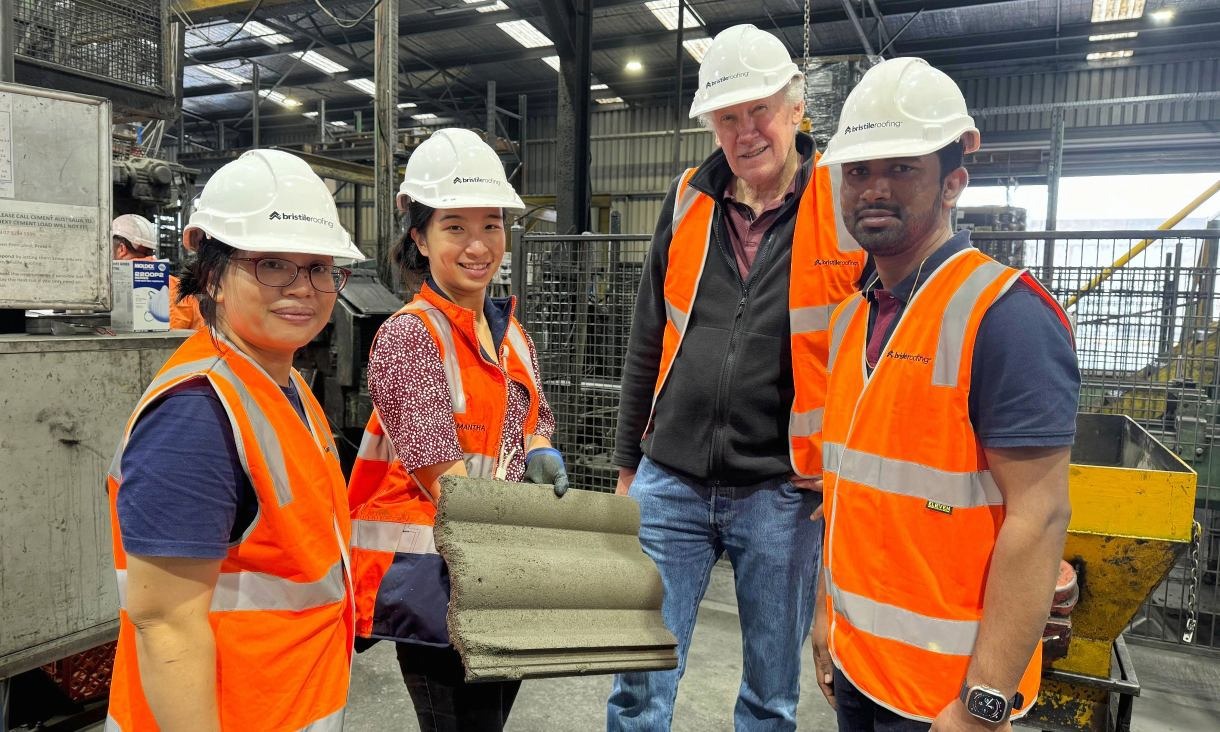
RMIT University and Bristile Roofing Project Transforms Ash and Glass Waste Into Sustainable Roof Tiles, Reducing 13% of CO₂ Emissions and Increasing Fire Resistance and Durability.
Coal ash and glass waste from Australia are gaining a new purpose. A large-scale test conducted by RMIT University in partnership with Bristile Roofing showed that these two types of waste can be transformed into lighter, fire-resistant, and environmentally advantageous concrete tiles.
The research demonstrates how innovation can reduce environmental impact while generating high-performance materials.
The experiments took place at Bristile Roofing’s facilities in Melbourne, where hundreds of tiles were produced from ash from power plants and recycled glass. Traditionally, both materials end up in landfills, but in this project, they gained a new function.
-
The Himalayas continue to grow to this day, with tectonic plates advancing 5 cm per year, mountains rising up to 10 mm annually, and the 2015 earthquake that killed 9,000 people may have increased the risk of an even larger seismic mega-event.

-
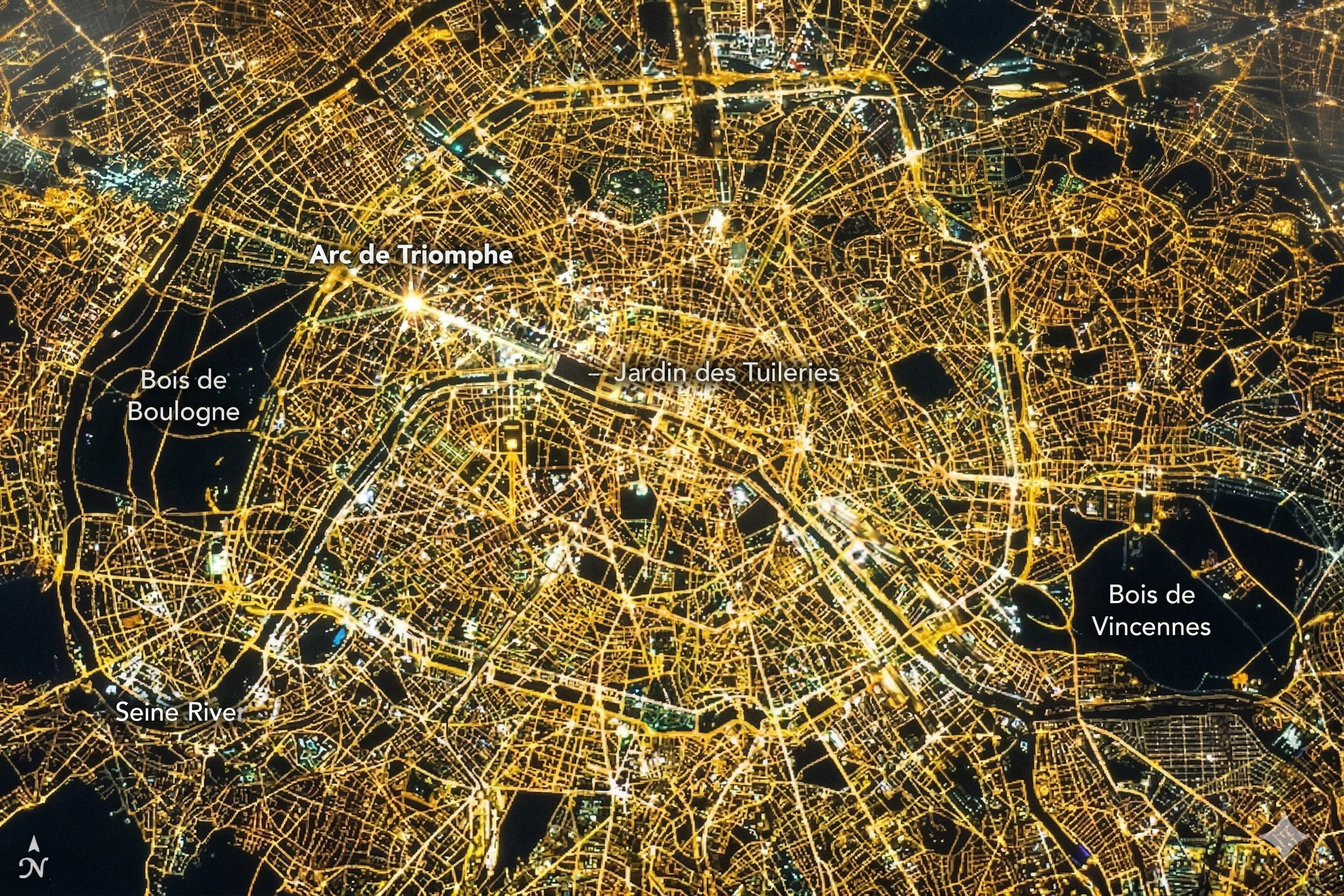
At an altitude of 400 km by astronauts from the International Space Station, Paris transforms at night into a golden mesh so precise that it reveals the outline of the Seine River, avenues, and entire neighborhoods like a luminous map drawn over the Earth.
-
iPhone 17 reaches historic low price with 256 GB, 120 Hz display, and drops to R$ 5,703 on Shopee, featuring A19 chip, dual 48 MP cameras, battery life of up to 30 hours, and advanced AI features.

-
Trip to Mars getting closer: Pulsar Fusion, from the UK, advances with plasma ignition in fusion engine and could drastically reduce space travel time, making crewed missions faster, safer, and economically viable.


In addition to reducing waste volume, the resulting tiles showed environmental and structural benefits, complying with Australian standards for strength and durability.
A life cycle assessment indicated that these tiles emit 13% less CO₂ than conventional ones, considering all stages—from raw material production to final disposal. This reduction demonstrates the potential of waste materials to replace virgin resources and decrease the carbon footprint of the construction industry.
Ash and Glass: Ingredients for a Smarter Concrete
The project leader, Dr. Chamila Gunasekara, emphasized that the partial substitution of traditional concrete components was crucial to achieving the results.
According to her, by replacing 10% of cement with lagoon ash and 10% of sand with unwashed glass, it was possible to reduce waste and create a more efficient product.
Gunasekara explained that this composition improves fire resistance, a particularly relevant feature for the Australian climate, where the risk of wildfires is high. She also highlighted that the initiative combines sustainability and performance, showing that waste can be transformed into practical and economically viable solutions.
In Australia, about 12 million tons of coal ash are generated annually by power plants, and more than 400 million tons remain stored in settling ponds. At the same time, the country produces over 1.3 million tons of glass per year, with more than half disposed of in landfills.
The project thus emerges as a concrete alternative for the large-scale reuse of these waste materials.
Eco-Bricks and Even Greater Reduction of CO₂
The RMIT team also tested the same concrete mix for the production of eco-bricks. In this case, 15% ash and 20% glass sand were used, totaling 35% recycled materials. The result was promising: the bricks met national structural concrete standards and exhibited 30% superior thermal insulation compared to conventional models.
Additionally, the environmental assessment showed an 18% reduction in carbon dioxide emissions throughout the entire life cycle.
The principal researcher, Dr. Yulin Patrisia, explained that, even with the lower reactivity of ashes stored for long periods, they remain valuable due to their abundance and long-term performance benefits.
Patrisia also noted that the mix demonstrated greater dimensional stability, fewer cracks, and continuous strength gain, making it ideal for durable and non-structural applications, such as tiles and cladding.
Next Steps and Industrial Impact
The project is part of the ARC Industrial Transformation Research Hub for TREMS, which brings together scientists, companies, and public authorities to convert waste into high-value materials.
With the positive results already published in scientific journals such as Sustainable Materials and Technologies and The International Journal of Life Cycle Assessment, the team is now advancing to tests in real-world environments.
According to Gunasekara, the goal is to take the innovation beyond the laboratory: “We are ready to expand this to industry.” This statement encapsulates the project’s purpose—uniting sustainability, science, and industry to transform what was once considered waste into an essential resource for the future of construction.







Seja o primeiro a reagir!