





 Portuguese
  English
  Spanish
  6 min of reading
  0 comments


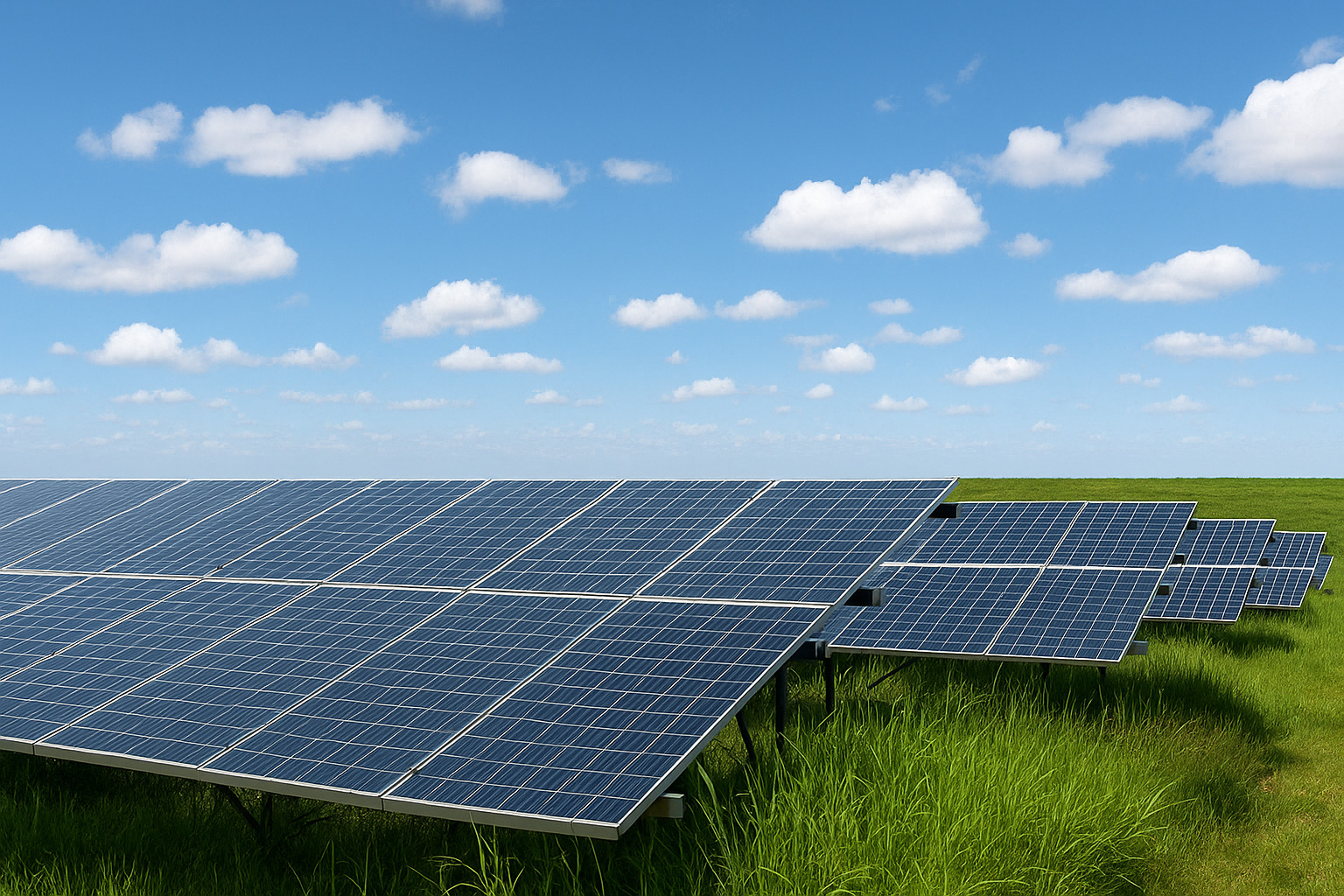
Understand The Risks Of Solar And Wind Growth And The Challenges For The Stability Of The Electricity Grid In Brazil.
The Brazil stands out in the international scenario for having one of the cleanest electricity grids in the world. Moreover, among G20 countries, the country holds a leadership position due to the predominance of renewable sources in its energy production.
This energy transformation has occurred significantly over the past decades; therefore, it is essential to analyze its impacts. Especially from 2010 onwards, when the growth of solar and wind sources began to consolidate, the advancement brought important challenges. Mainly regarding the stability of the electricity grid, a topic that requires attention from investors, regulators, and consumers.
Historically, hydroelectric plants dominated the Brazilian electricity grid. In 2010, about 78% of the energy generated in the country came from these plants, which provided a stable and dispatchable production. In other words, it could be adjusted according to demand.
-
A Canadian retiree creates a hydroelectric system on a real river, generating energy continuously throughout the day and demonstrating how the power of water can supply a house with stability even in a simple structure.

-
Petrobras reaffirms its commitment to the market and ensures that it will carry out the energy transition safely to maintain national sovereignty.

-
Researchers discover a possible hydrogen deposit of up to 46 million tons beneath an ancient coal basin, and the volume could exceed half of the entire global production.

-
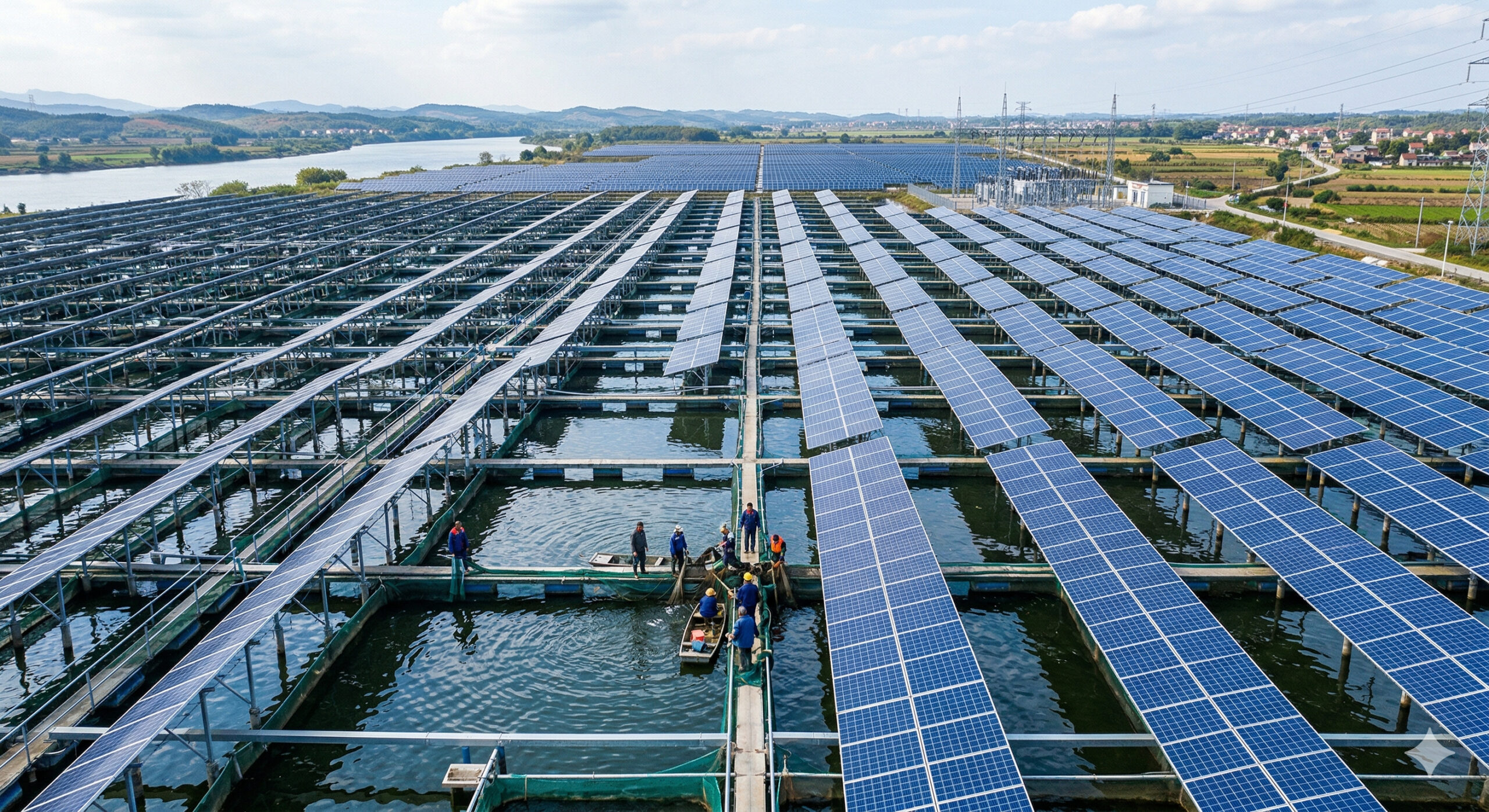
China bets on the Fishery-PV model and transforms fish farms into giant solar plants, covering ponds with panels that generate energy while utilizing the same space for large-scale aquaculture production.

However, as the years went by, the need for diversification, combined with international pressure for cleaner sources, drove investment in solar and wind energy.
Thus, by 2024, these sources already represent approximately 24% of the Brazilian electricity grid, while the share of hydroelectric plants has fallen to 56%. Therefore, although Brazil consolidates its position as a reference in clean energy, central challenges arise: ensuring the stability of the electricity grid in the face of the intermittency of new renewable sources.
Furthermore, the rapid growth of renewable energies has brought changes to the economy and the dynamics of the electricity sector. As a consequence, the increase in the supply of clean energy has opened opportunities for new business models, such as the free energy market, and stimulated technological innovation.
However, this rapid growth requires constant regulatory adjustments and public policies that encourage not only the expansion of installed capacity but also the operational security of the system.
Advancement Of Renewables And Their Impulses
The advancement of solar and wind energy occurred due to different factors. Firstly, government incentives, such as tax benefits, subsidized credit from BNDES, and more recently, support from the Climate Fund, stimulated the expansion of these sources.
Additionally, the decline in the costs of solar panels and wind turbines, resulting from global technological advancements, made these investments economically viable.
At the same time, the growing confidence of investors, reflected in the increase of private capital flows, accelerated the implementation of solar and wind farms in various regions of the country.
Therefore, these elements created a favorable environment for the rapid growth of renewables; however, they also raised questions about the system’s capacity to maintain the balance between supply and demand.
Another relevant point is that the expansion of these sources directly impacts the transmission infrastructure. Since solar and wind plants are distributed in regions far from large consumer centers, the sector needs to invest in longer and more sophisticated transmission lines.
Thus, this factor reinforces the challenge of maintaining the stability of the electricity grid, as transmission failures can compromise the entire system and generate additional costs for society.
Moreover, the main characteristic that makes solar and wind challenging for the stability of the electricity grid is intermittency. Unlike hydroelectric and fossil fuel thermal plants, these sources cannot be activated on demand.
They directly depend on sun and wind, which do not always appear at the necessary intensity. When the generation from these sources exceeds demand, operators need to discard the excess energy, a process known as curtailment.
As a result, this phenomenon generates financial losses for companies and increases costs for consumers, highlighting the complexity of integrating large volumes of intermittent energy without compromising system reliability.
Intermittency And Additional Costs To The System
The problem worsens when solar and wind energy production drops suddenly.
In these moments, the electrical system resorts to dispatchable sources capable of responding quickly, usually gas or coal thermal plants.
In Brazil, much of these contracts includes a fixed remuneration, which keeps costs high even when energy is not generated.
Thus, paradoxically, the greater the dependence on intermittent sources, the greater the share of fossil fuels may be, making the electricity grid more vulnerable and, at certain times, less clean.
Additionally, intermittency complicates the operation of the electrical system. As predictability decreases, operators need to make additional investments in transmission, monitoring, and stability equipment.
This challenge is not exclusive to Brazil; indeed, in April of this year, the Iberian Peninsula suffered a blackout that left 57 million people without power.
Consequently, the difficulty in balancing the generation from intermittent sources with actual demand has shown that the stability of the electricity grid is a global concern as the world advances in the energy transition.
It is also necessary to consider the social and economic impacts of system failures. For example, blackouts and restrictions on energy supply can affect hospitals, industries, and essential services, generating losses and social discontent.
Therefore, the concern for the stability of the electricity grid involves strategic planning, public policies, and awareness among all actors in the energy chain.
Paths To The Stability Of The Electricity Grid
To address these issues, Brazil will need to seek solutions that increase the reliability of the system.
Among the alternatives are large-scale storage through batteries and the expansion of nuclear energy, capable of providing stable and dispatchable energy.
Moreover, combining these strategies with solar and wind energy could allow the country to maintain its clean grid without compromising supply security.
It is important to highlight that the issue is not limited to immediate supply; therefore, the stability of the electricity grid also requires long-term planning, investments in transmission, and public policies that consider both the expansion of renewables and the maintenance of reliable sources.
Historically, the Brazilian electricity sector has faced significant challenges that have shaped how the grid operates today.
The blackouts from 2009 to 2011 marked the system’s vulnerability to variations in supply and demand.
The regulatory changes implemented at that time paved the way for the entry of new energy sources and the growth of the free electricity market; however, they also highlighted the need for balance between innovation and reliability.
This balance continues to be the biggest challenge in integrating solar and wind energy into the electricity grid.
The future of the stability of the electricity grid will also depend on the integration of digital technologies, such as intelligent monitoring systems, interconnected power grids, and advanced weather forecasting.
Consequently, these resources help to reduce operational risks and allow real-time adjustments, making the system more resilient in the face of the intermittency of renewables.
Stability Of The Electricity Grid: Challenges And Opportunities For The Future
The growth of renewable sources deserves celebration, as it contributes to the reduction of carbon emissions and positions Brazil as a leader in clean energy.
However, celebrating does not mean ignoring the risks. In fact, international experience shows that the rapid expansion of intermittent energies without proper planning can lead to crises, blackouts, and increased costs for society.
Therefore, public policies, private investments, and technological research must work together to ensure that the energy transition does not compromise the stability of the electricity grid.
In summary, Brazil is undergoing a great energy transformation.
The growing share of solar and wind energy places the country at the forefront of clean energy; however, it also demands constant attention to the intermittency, curtailment, need for backup sources, and operational complexity of the system.
Ensuring the stability of the electricity grid will be essential for the expansion of renewables to continue generating economic and environmental benefits, without creating vulnerabilities that compromise energy supply in the future.
Therefore, with strategic planning, investment in technology, and adequate policies, it is possible to reconcile the growth of renewable energies with the reliability of the electricity system, ensuring that Brazil continues to lead the energy transition sustainably.










Seja o primeiro a reagir!