





 Portuguese
  English
  Spanish
  4 min of reading
  0 comments


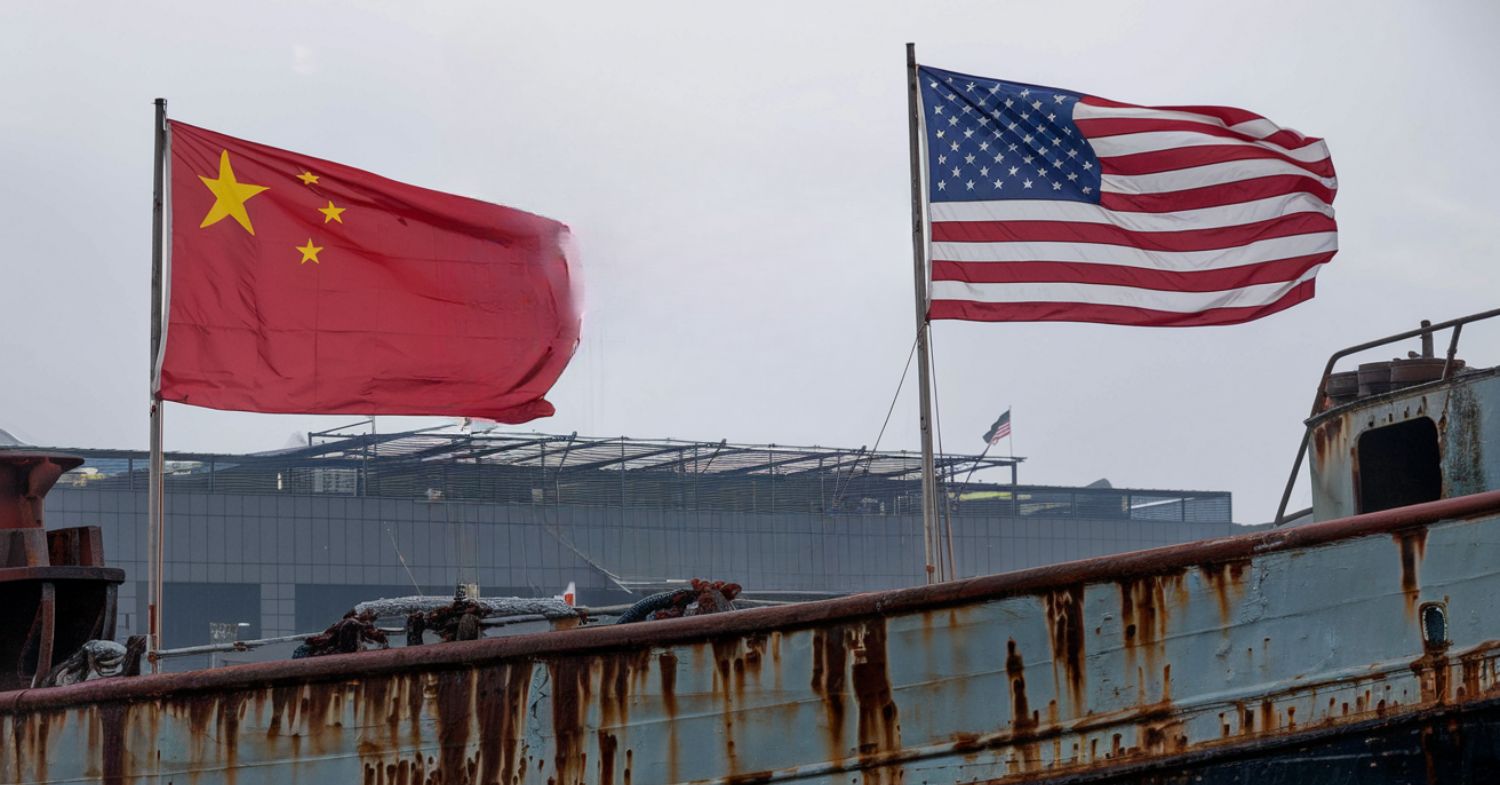
Measure Takes Effect on April 10 in Response to Sanctions Imposed by Donald Trump, Elevating Tensions Between the Two Largest Economies in the World.
China announced on Friday (4) that it will impose reciprocal tariffs of 34% on all U.S. imports, in a new escalation of the trade war between the two largest economies in the world. The new tariffs will take effect on April 10, in direct response to the decision of U.S. President Donald Trump, who announced tariffs of 34% on Chinese products last Wednesday.
Trade War Between China and the USA Reaches New Level
The announcement made by the Tariff Commission of China’s State Council further intensifies the economic conflict that began years ago. “This practice by the U.S. does not comply with international trade rules, seriously harms China’s legitimate rights and interests, and is a typical practice of unilateral intimidation,” the Chinese government stated in an official note.
With the new round of tariff sanctions, the total U.S. tariff on Chinese products reaches 54%, considering other previous measures taken by the Trump administration, including two additional rounds of 10%. According to the White House, these tariffs are also part of efforts to curb the trafficking of illicit fentanyl coming from China — a claim widely contested by Beijing.
-
Larger than entire cities in Brazil: BYD is building a 4.6 km² complex in Bahia with a capacity for 600,000 vehicles per year, but the discovery of 163 workers in conditions analogous to slavery has shaken the entire project.

-
With an investment of R$ 612 million, a capacity to process 1.2 million liters of milk per day, Piracanjuba inaugurates a mega cheese factory that increases national production, reduces dependence on imports, and repositions Brazil on the global dairy map.

-
Brazilian city gains industrial hub for 85 companies that is equivalent to 55 football fields.

-
Peugeot and Citroën factory in Argentina cuts production by half and opens a layoff program for more than 2,000 employees after Brazil drastically reduced purchases of Argentine vehicles.


Economic Impacts Could Reach Half a Trillion Dollars
International trade experts estimate that the new round of measures could affect approximately half a trillion dollars in bilateral trade, reflecting a gradual break in supply chains built over decades between the two nations. The magnitude of the tariffs exceeded initial expectations of analysts and signals a concerning deterioration in Sino-American economic relations.
In addition to tariffs, China also announced other retaliatory actions, expanding its pressure instruments on the U.S. government and companies based in the U.S.
U.S. Companies on the List of Unreliable Entities
As part of the retaliation, 11 American companies have been included in the so-called “list of unreliable entities”, which significantly limits their activities in Chinese territory. Among those affected are companies in the defense and technology sectors, including manufacturers of drones and suppliers of military and civilian dual-use products.
The Chinese government also reported that 16 American companies will be subject to export restrictions. In practice, this prevents certain items manufactured in China — primarily dual-use items with military and civilian potential — from being sold to these U.S. companies.
Ministry of Commerce Launches Antidumping Investigations
The Ministry of Commerce of China also reported the opening of antidumping investigations on the import of X-ray tubes from the United States and India. This measure is part of the package of actions to protect the Chinese industry from products considered to be sold at prices below market value.
These investigations could result in additional tariffs or targeted bans, further increasing tension in the relationship with Washington.
Escalation of Tariffs Worries Markets and Productive Sectors
The new round of the trade war between China and the USA has negatively impacted international markets. Analysts warn of the risk of a slowdown in global trade, impact on multinational production chains, and increased costs for consumers and businesses.
Companies in the electronics, automotive, pharmaceutical, and agricultural sectors are among the most vulnerable to the new barriers. The mutual imposition of tariffs could trigger a cascading effect across various sectors, putting pressure on prices and decreasing international competitiveness.
Geopolitical Context and Possible Prolongation of the Crisis
President Donald Trump’s decision to increase tariffs on China comes at a time of growing geopolitical tension, marked by trade, technological, and military disputes. Since returning to power in January, Trump has adopted a tougher stance on foreign policy, especially regarding China.
The expectation is that, without progress in diplomatic negotiations, the trade war will intensify in the coming months. Chinese officials have indicated that other measures may be announced if the United States maintains what is considered a unilateral and aggressive stance.
Consequences for Brazil and Other Emerging Countries
Although the confrontation is bilateral, the effects of the trade war between China and the USA can be felt by other countries, such as Brazil. Instability in markets and the reconfiguration of global supply chains create opportunities for Brazilian exporters, especially in the agricultural and mineral sectors, but also pose risks of currency instability and a decline in global demand.
Source: CNN







Seja o primeiro a reagir!