





 Portuguese
  English
  Spanish
  6 min of reading
  22 comments


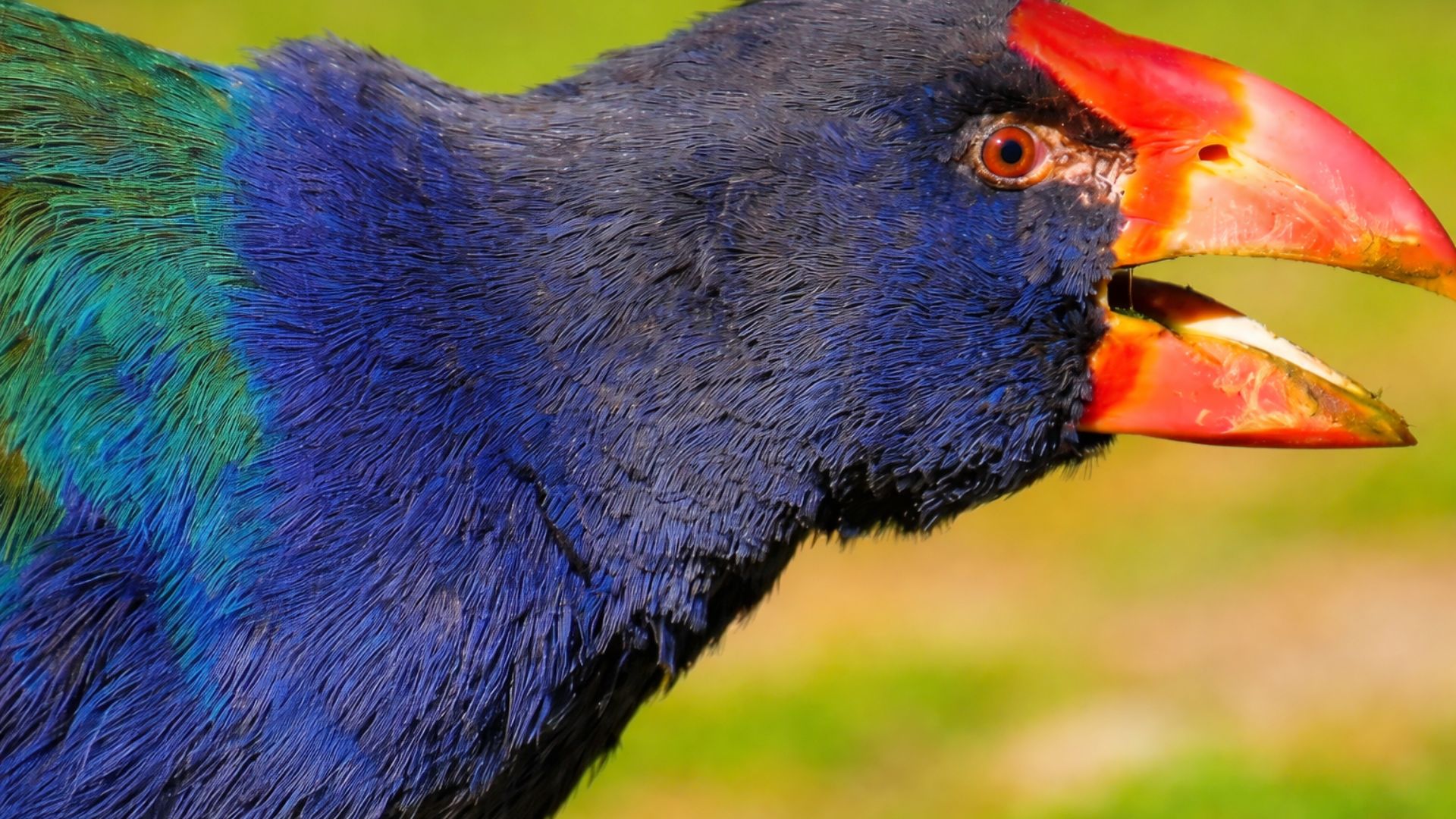


Heavy, Flightless, and Rare Bird Transformed a Historical Disappearance into One of the Longest Conservation Programs in New Zealand, with Assisted Reproduction, Predator-Free Refuges, and Monitored Releases in Natural Areas, Reactivating the Presence of the Takahe in Regions Where It Had Not Been Recorded for Decades.
A large, flightless bird with striking colors even amidst vegetation went from “lost forever” to one of the most followed cases of modern conservation in New Zealand.
It is the takahe, a distant relative of the pūkeko (the country’s common waterhen), only much larger and with ground-dwelling habits associated with native grasslands in mountainous regions.
Today, the New Zealand government treats the species as endangered, with an estimated population of around 500 individuals, the result of decades of continuous management and a strategy that combines safe refuges, assisted reproduction, and planned releases.
-
With 1,066 acrylic panels, the building known as the friendly alien is supported by a steel skeleton, has a façade that functions as a giant screen, and impresses the world without any internal columns.

-
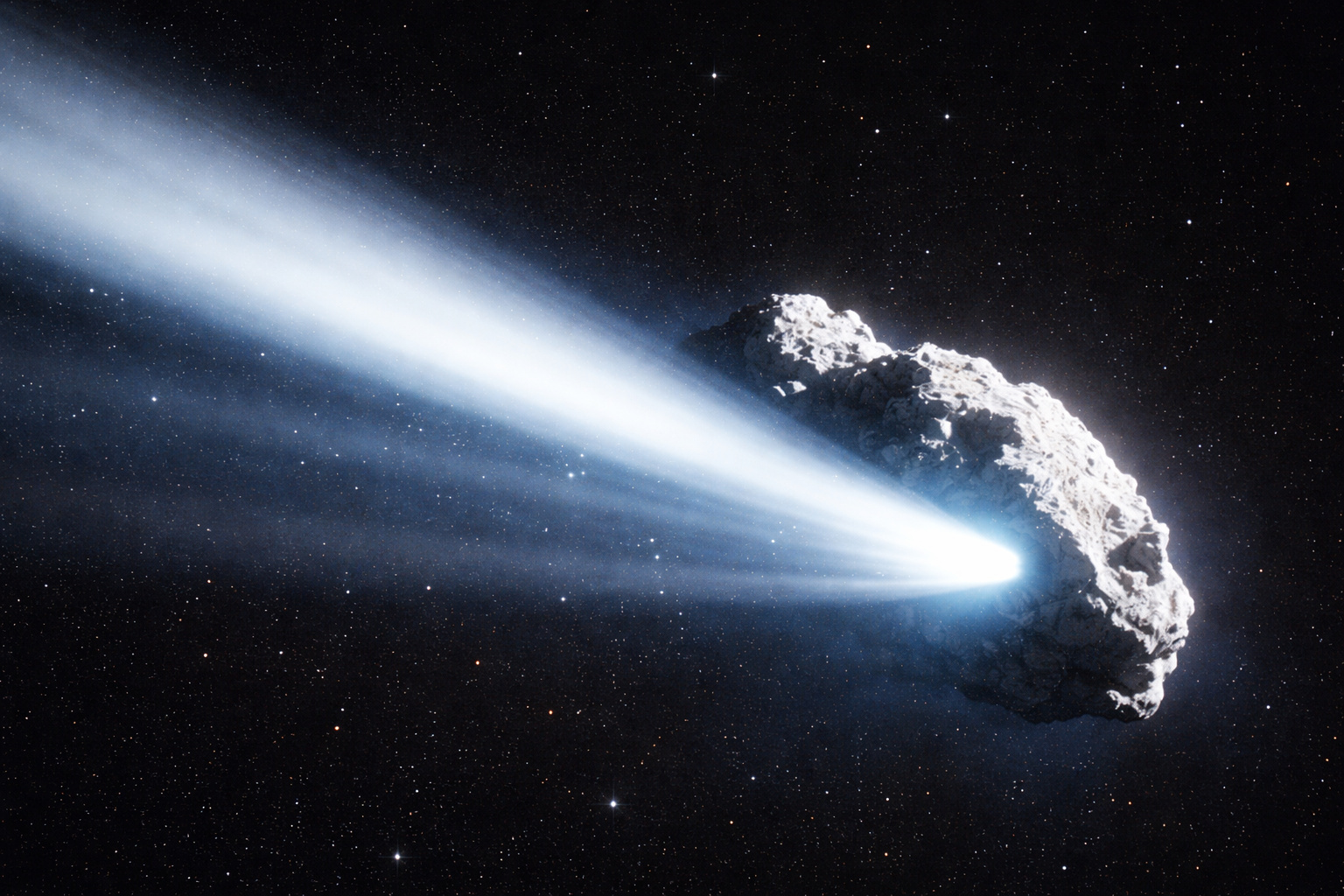
Scientists warn that a comet about 1 km in size that has started to release gases may actually change direction in space. It was spotted by NASA and surprises with potential impacts near Earth.
-
These living root bridges and ladders are over 700 years old and help indigenous people survive in one of the rainiest regions in the world.

-
From sertanejo star to international investor: Ana Castela invests millions in a mansion in the USA, creates a themed accommodation in Orlando, and shows that the “boiadeira” also wants to grow away from the stage.


Takahe: Flightless Bird and Symbol of New Zealand’s Native Wildlife
The takahe is often described by official agencies as the largest living representative of the “rails” (Rallidae) group, a family of terrestrial birds found in various parts of the world.
In practice, it is a heavy bird with strong legs and a robust beak, adapted to walk and feed in open environments with low vegetation.
The Department of Conservation (DOC), the government agency responsible for native wildlife, reports that the species can weigh approximately 2.3 to 3.8 kilograms and lives both in wild areas and in sanctuaries, where longevity tends to be greater.
From “Lost Forever” to Reunion in a Remote Refuge

The story that transformed the takahe into a “living legend” did not begin with a casual discovery, but with the shock of realizing that an iconic animal had disappeared from everyday life and, for a long time, from any confirmed record.
After a period in which very few specimens were found by Europeans in the 19th century, the species ended up being declared extinct at the end of that century, following the capture of the last known individual at the time.
The absence of new verifiable records solidified the perception that the bird had vanished in a scenario marked by hunting, habitat alteration, and, above all, the presence of introduced predators.
Decades later, however, the species would once again be seen by witnesses and cameras, in an episode that the DOC itself describes as a rediscovery that made headlines around the world.
The takahe was rediscovered in the mountains of Murchison, above Lake Te Anau, in Fiordland, a remote area of difficult access in the south of New Zealand.

The location, with fields of “tussock” (typical tall grasses) and harsh climate, served as a natural refuge, where the bird persisted away from many of the more intense impacts of human-occupied and transformed areas.
The DOC Program and the Management That Keeps the Species Alive
The confirmation that the animal still existed changed the logic of conservation decisions in the country.
The DOC records that the rediscovery led to the longest endangered species program in New Zealand, structured to prevent the takahe from being considered extinct again.
Over time, the set of actions began to include pioneering management techniques, controlled breeding, transfers to islands, and releases in wild areas, always with monitoring and decisions based on survival and expansion goals.
Introduced Predators and the Threat to Eggs and Chicks
The central threat that guides much of the effort is clear in official descriptions: introduced mammalian predators pose the greatest risk to the species, especially to eggs and chicks.
The situation is so sensitive that the DOC records instances where the impact of predators hit the core of the wild population, altering years of recovery balance.
This vulnerability is one of the reasons the program sought to build “security populations” outside the main natural stronghold, reducing reliance on a single location and spreading biological risk.
Predator-Free Refuges and Security Populations
In this design, the so-called predator-free refuges assume a decisive role.
The DOC describes that, during the 1980s and 1990s, the focus was on establishing a security population on predator-free islands, including Mana, Kāpiti, and Tiritiri Matangi, in addition to other managed areas.

The logic is simple yet demanding: when eggs and chicks are less exposed to terrestrial predators, the chances of survival increase, and population growth no longer depends solely on reproductive success in a naturally hostile environment subject to unpredictable events.
Burwood Takahe Centre and Preparation for Wildlife
The conservation of the takahe also involves raising birds in environments where it is possible to control breeding, feeding, and learning, without “disconnecting” the animal from wildlife.
The DOC highlights the role of the Burwood Takahe Centre, described as a sort of “engine” of the program by concentrating breeding pairs and preparing young for facing natural conditions.
The institution notes that Burwood is the only sanctuary with native grasses that make up the original habitat of the takahe, allowing training the bird to forage, recognize food, and gain autonomy before transitioning to release areas.
This care for the “survival behavior” is crucial so that the story does not remain limited to captivity and the symbolism of rediscovery.
Reintroduction and Return to Historical Areas in New Zealand
The program’s proposal is to build self-sustaining populations in wild areas, with individuals capable of feeding and reproducing without permanent assistance.
The DOC describes management as a high intervention job, where small groups in different locations are treated as a “metapopulation”, managed to preserve genetic diversity and maximize the number of young reaching adulthood.
The return to historical areas, mentioned as an official objective, depends precisely on this combination: safe refuges to produce and train individuals, and natural environments prepared to receive them.
The DOC records reintroductions and releases in regions of the country with the explicit intention of restoring populations to parts of the original range, such as Kahurangi National Park in the South Island, where the species was reintroduced with the expectation of forming a second wild population outside the classic Fiordland core.

On another front, the agency informs of the sending of birds to Upper Whakatipu and the formation of a new population in an area managed by whenua of Te Rūnanga o Ngāi Tahu, emphasizing that recovery also involves partnership with communities and traditional guardians.
Taonga, Kaitiaki, and the Cultural Value of the Takahe
The cultural importance of the takahe is treated by the DOC as part of the very design of protection.
The agency points out that the species has special significance for Ngāi Tahu, an iwi of much of the South Island, and describes the takahe as taonga, a treasure that demands the action of kaitiaki, guardians who participate in the care and decisions related to conservation.
This social and community dimension helps explain why the project, beyond being technical, has become a symbol of biological persistence and institutional commitment to a species that nearly disappeared.
The transformation of the takahe into a “living legend” of biology, therefore, is not in the idea of a “mysterious” animal, but in the verifiable chain of facts: the species was considered extinct, persisted in a remote refuge, was found again, and, since then, has been maintained by a program that combines threat control, assisted reproduction, and planned recolonization.
At the same time, the very existence of a continuous plan reveals how the recovery of a vulnerable species is not a one-time event, but a prolonged process in which advances and setbacks can occur depending on predator pressure, habitat conditions, and the ability to maintain truly safe sites.
If a large, flightless bird has managed to go from “extinct” to reclaim parts of its historical territory thanks to predator-free refuges and intensive management, what other species deemed lost could follow a similar path?







E onde ela estava??? Deve ser um lugar curioso a mente humana..hã? O que mais tem nesse lugar???….são tantas perguntas
Mas assim. Deram por extintas porque?? Procuraram e não acharam tipo isso???
Mas quanto ao lugar onde ela apareceu tem passagem secreta lá…para outro mundo…não??
Kkkkkkkk extinta???? Não mesmo. Podia estar na listagem de extinção….
Quanta ignorância dizer que estava extinta e reaparece … milagre ou o quê????
O problema é que o homem é muito ****.
Porque fazem afirmações sobre a natureza se sabem que não a dominam?