





 Portuguese
  English
  Spanish
  4 min of reading
  5 comments


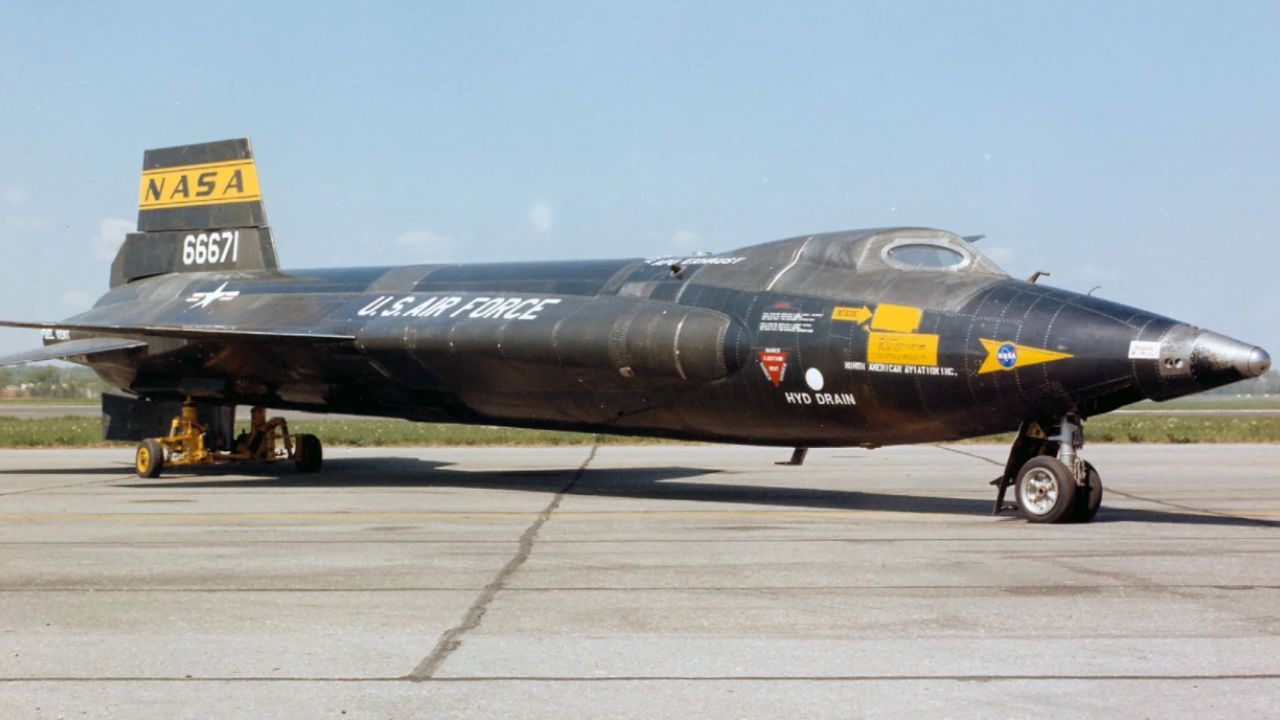


The Fastest Plane In The World, The Legendary X-15, Reached An Amazing 4,520 MPH (7,273 KM/H), More Than Five Times The Speed Of Sound! This Hypersonic Machine Could Have Made The Trip From London To New York In Just 45 Minutes, But Instead, It Flew To Space, Defying All Limits Of Aviation. Discover The History Of The Experimental Jet That Paved The Way For Space Exploration And Still Holds Unbeatable Records!
You board in London, barely have time for a coffee, and when you realize it, you’re already landing in New York. Have you thought about it? But the X-15, a true rocket with wings, could have done exactly that – and without breaking a sweat!
Created by NASA and the U.S. Air Force, this experimental plane was no joke. It was not only the fastest plane ever built, but it also flew higher than any other manned aircraft. For almost a decade, the X-15 set absurd records, making even modern supersonics look like mere flying scooters.
What Made The X-15 So Insane?

Well, first of all, it wasn’t just any plane. The X-15 was actually a rocket disguised as a jet. Powered by liquid-fueled engines, it was launched from a B-52 bomber, and when its engine kicked in, it was like someone had turned the “turbo mode” all the way up. The result? It reached speeds over 7,200 km/h, enough to cross the Atlantic in less than an hour.
-
Historic bankruptcy of Centauro shocks the market, and the century-old company puts more than 500,000 products, machines, and complete infrastructure up for online auction.

-
New shoe factory in Ceará is expected to create 400 jobs and strengthen the local economy.

-
No one imagined it, but a mixture of sawdust with a mineral that fights fires surprises scientists with a result that changes the course of fire-resistant construction.

-
From empty land to a high-end house, wooden construction uses a lightweight system, metal structure for the foundation, ventilated ceramic cladding, and special windows to create an efficient and comfortable living space throughout the year.


If placed next to the Concorde (which was already a supersonic beast), the X-15 would make the rival look like it was flying backward. But hold on, it wasn’t made for passenger transport. It was a flying laboratory, designed to test the limits of aviation and pave the way for future space missions.
From Sky To Space And Back In A Few Minutes
In each mission, the X-15 was launched from a B-52 in mid-flight, ignited its engines, and shot to absurd altitudes. To give you an idea, it reached 345,200 feet (105 km), surpassing the Kármán line, which marks the beginning of space. In other words, it not only flew faster but also went far beyond our atmosphere.
And you know what’s even more impressive? After reaching this surreal altitude, it simply fell back to Earth, gliding like a guided brick, before landing at Edwards Air Force Base in California. Each flight lasted less than 10 minutes, but the data collected helped shape modern space exploration.
The Pilots Who Risked It All And The Dangers Of Hypersonic Flight
Piloting the X-15 was no easy task. The guys who took the controls were true heroes – and among them was none other than Neil Armstrong, the first man to walk on the Moon. Yes, before walking on the lunar surface, Armstrong was already taming this hypersonic beast.
According to Express, like anything involving extreme speed, the X-15 also took its toll. In 1967, pilot Michael Adams lost his life in a test flight after a technical issue caused the aircraft to enter an uncontrollable spin. He was the only fatality of the program, but the risk was always extremely high.
Another notable case was Jack McKay, who survived a brutal forced landing in Nevada. The plane flipped over, he suffered serious injuries, but he still returned to flying. Unfortunately, years later, the consequences of the accident forced him to retire.
If The X-15 Was So Fast, Why Don’t We Have Planes Like That Today?
Good question! If this sky monster was doing that back in the 1960s, why do we still need eight hours to cross the Atlantic?
The big problem lies in feasibility. The X-15 was an experimental plane, designed to test the limits of physics, not to carry passengers. Moreover, it relied on a rocket engine, which means it consumed fuel as if there were no tomorrow.
Another point is that flying over 7,000 km/h generates extreme heat, making the construction of a commercial hypersonic aircraft extremely challenging. But believe it: the quest for ultrafast flights is still far from over. Companies like Boom Supersonic and NASA are developing new technologies to make hypersonic planes a reality.









Um exemplar do X-15 está em exposiçao na base aérea Right Patterson no estado de Ohio.
Interessante, gostei.
Vou ali em marte, já volto. Me espere pro jantar.