





 Portuguese
  English
  Spanish
  3 min of reading
  0 comments


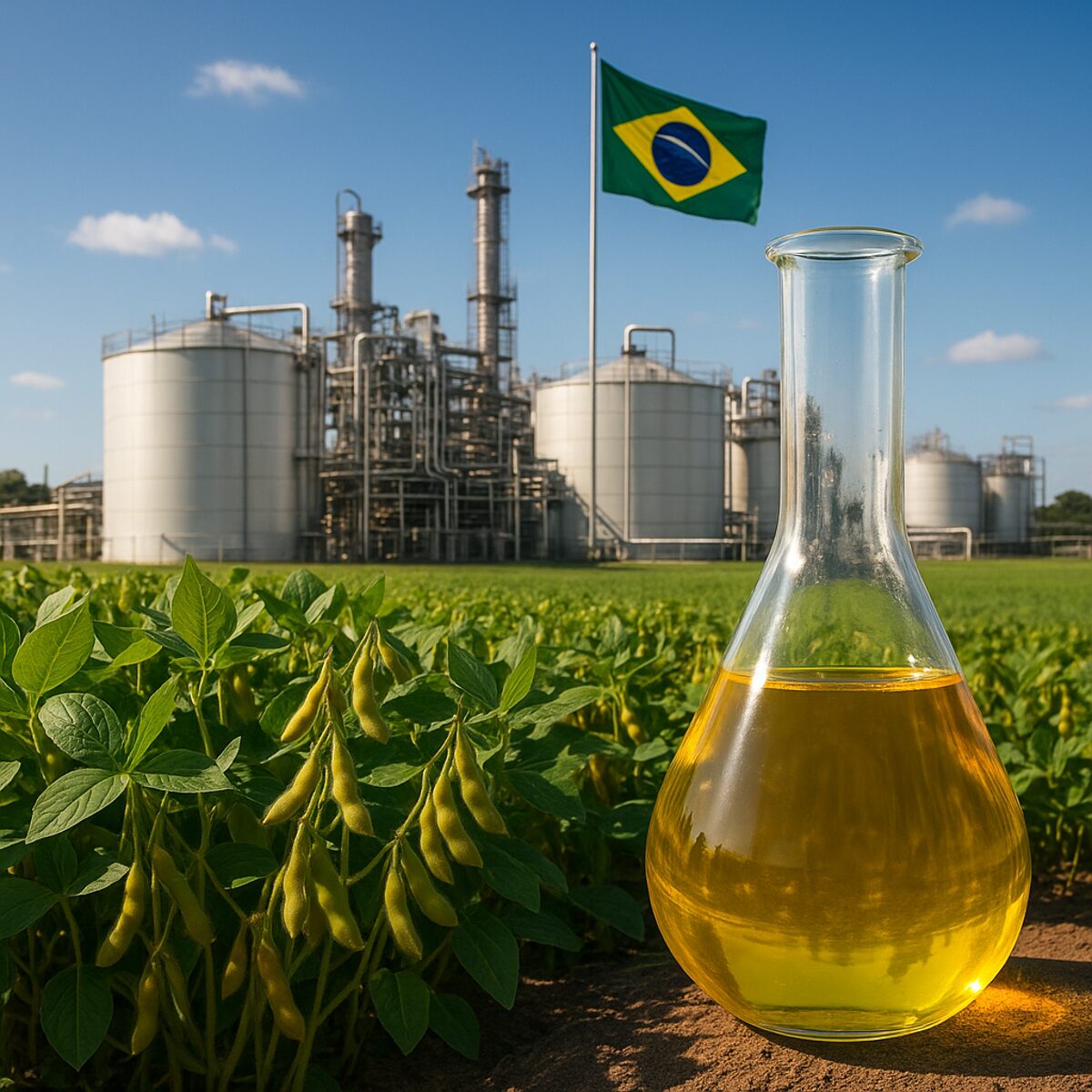
Drop In Biodiesel And Soybean Oil Prices Reinforces Viability
According to data released by the Brazilian Association of Vegetable Oil Industries (Abiove) on May 8, 2025, the price of biodiesel has dropped by approximately 15% since December 2024. Additionally, the value of soybean oil, the main raw material used in biodiesel production, experienced a cumulative reduction of 5.7% between January and April of this year, according to the Secretariat of Foreign Trade (Secex). Although these economic factors indicate a favorable scenario, the mandatory blend of biodiesel in diesel remains at 14% (B14) since March 2024, following a decision by the National Energy Policy Council (CNPE). Abiove argues that raising the blend to 15% (B15) is feasible without impacting final prices to consumers, provided it is approved still in 2025.
Industrial Capacity And Soybean Harvest Support Expansion
Brazil has an installed capacity to produce up to 10 billion liters of biodiesel per year, according to data from the Brazilian Union of Biodiesel and Biojet Fuel (Ubrabio). The 2024/2025 soybean harvest reached production exceeding 150 million tons, according to a report released by the National Supply Company (Conab). Soybean oil, which accounts for more than 70% of the raw material used in national biodiesel, is stably available. Partial replacement of fossil diesel with biodiesel can contribute to Brazil’s climate commitments. The sector’s production structure is ready to meet increased demand should the CNPE authorize the advancement of B15. The council’s next meeting is scheduled for December 2025, and until then, the current percentage remains in effect.
Controlled Costs And Environmental Benefits Increase Support For B15 Blend In National Diesel
The justification for maintaining the blend at 14%, presented by the government in 2024, was the risk of inflationary pressure due to soybean oil prices at the time. However, with the price reductions recorded in 2025, this argument has lost strength among sector entities. Studies published by FGV Energia in March 2025 indicate that raising the blend would have a null impact on the price of diesel at the pump, considering current market values. Additionally, biodiesel production in Brazil helps reduce greenhouse gas emissions and strengthens agricultural chains linked to oilseeds. Abiove emphasizes that the change would be gradual and evaluated by technical parameters defined by regulatory authorities.
-
Brazil accelerates hydrogen and biofuel projects to consolidate the fuel of the future and reduce dependence on oil by 2026.

-
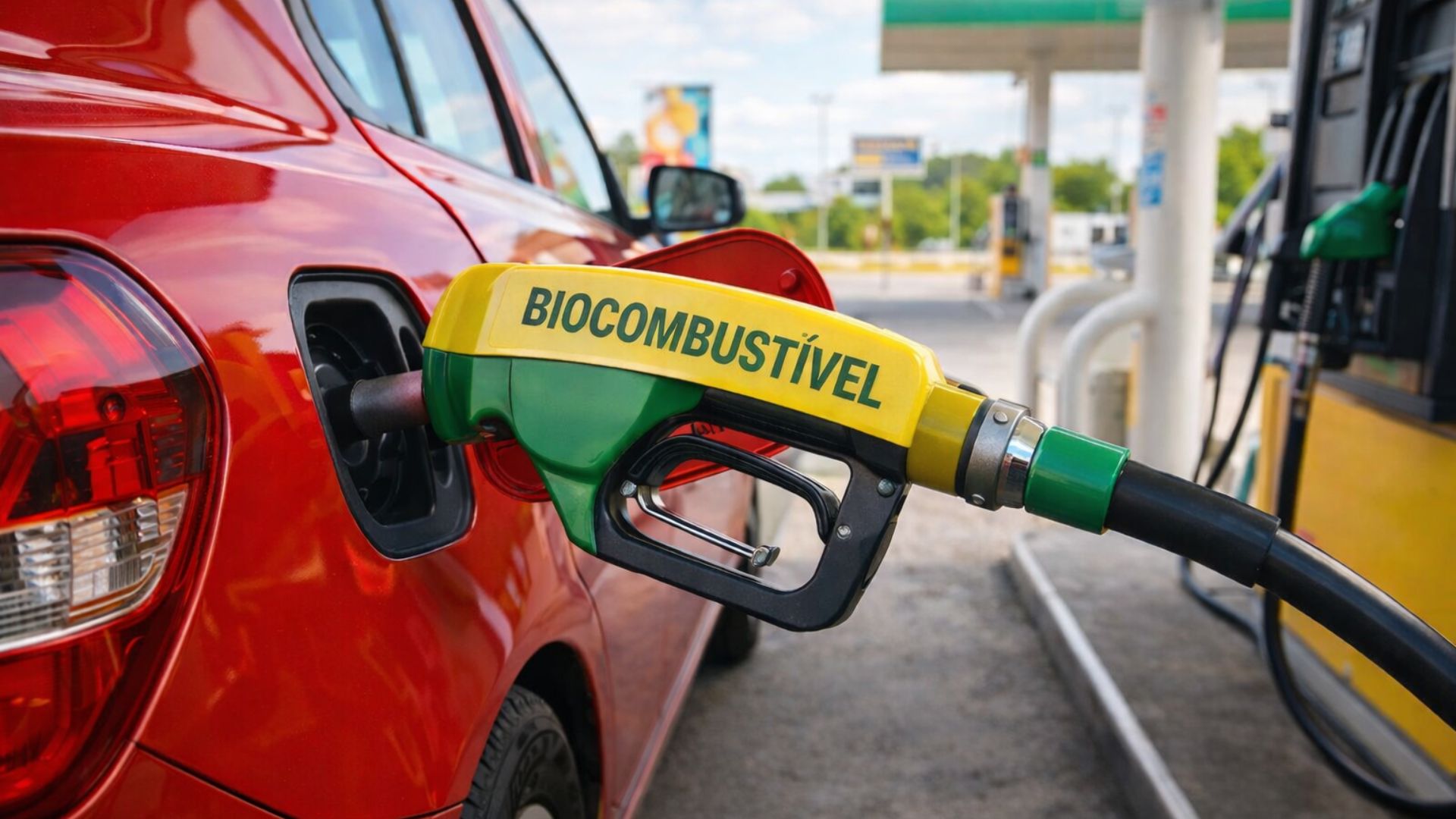
CNPE strengthens policy and prevents imported biodiesel from being mixed with diesel, aiming to strengthen the Brazilian industry and protect jobs by reducing external dependence amid tensions in the global market.
-
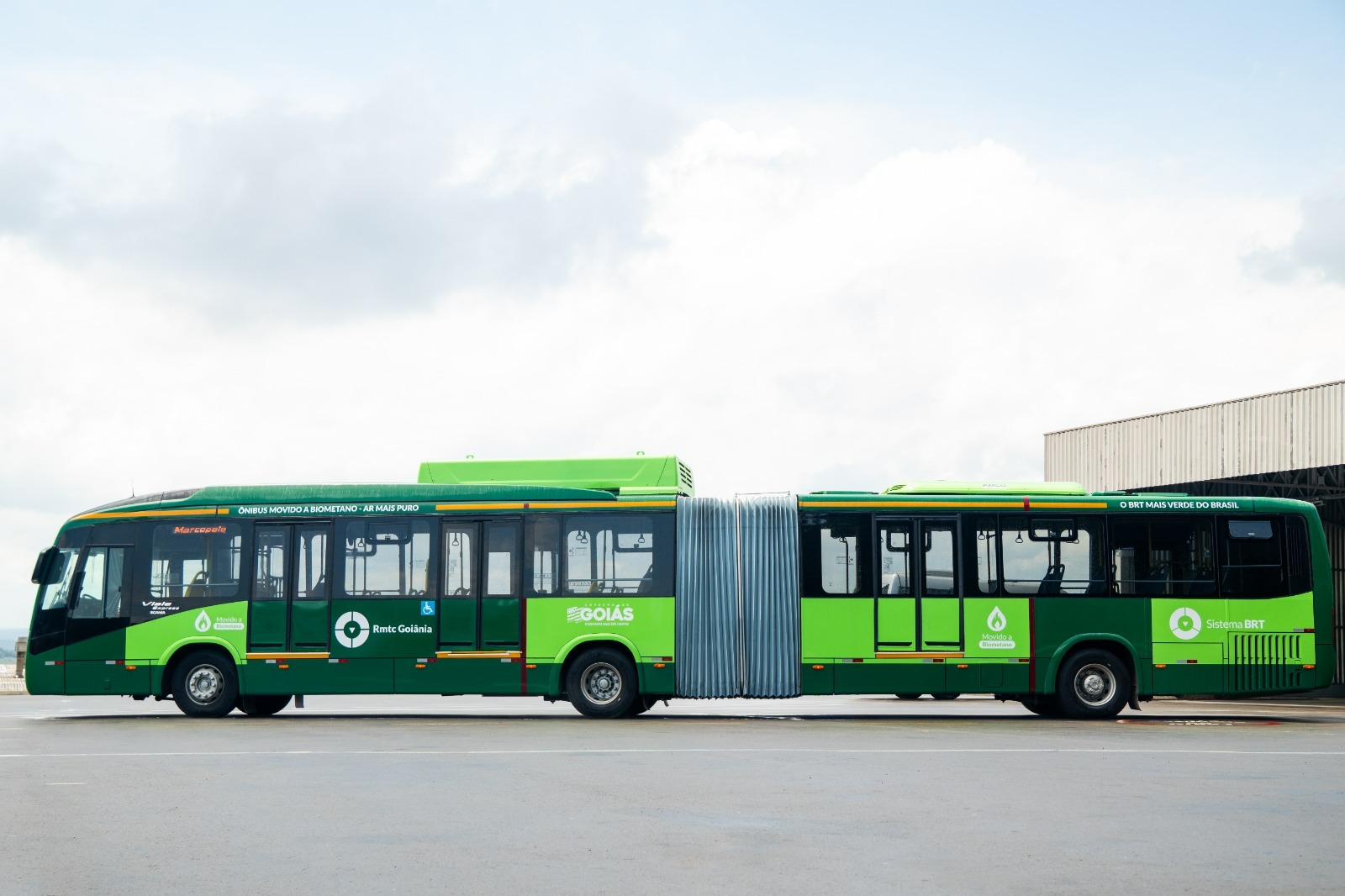
Revolution in public transport: Goiânia puts into circulation the first articulated buses powered by biomethane in Brazil and promises to drastically reduce pollution on the Anhanguera Corridor.
-
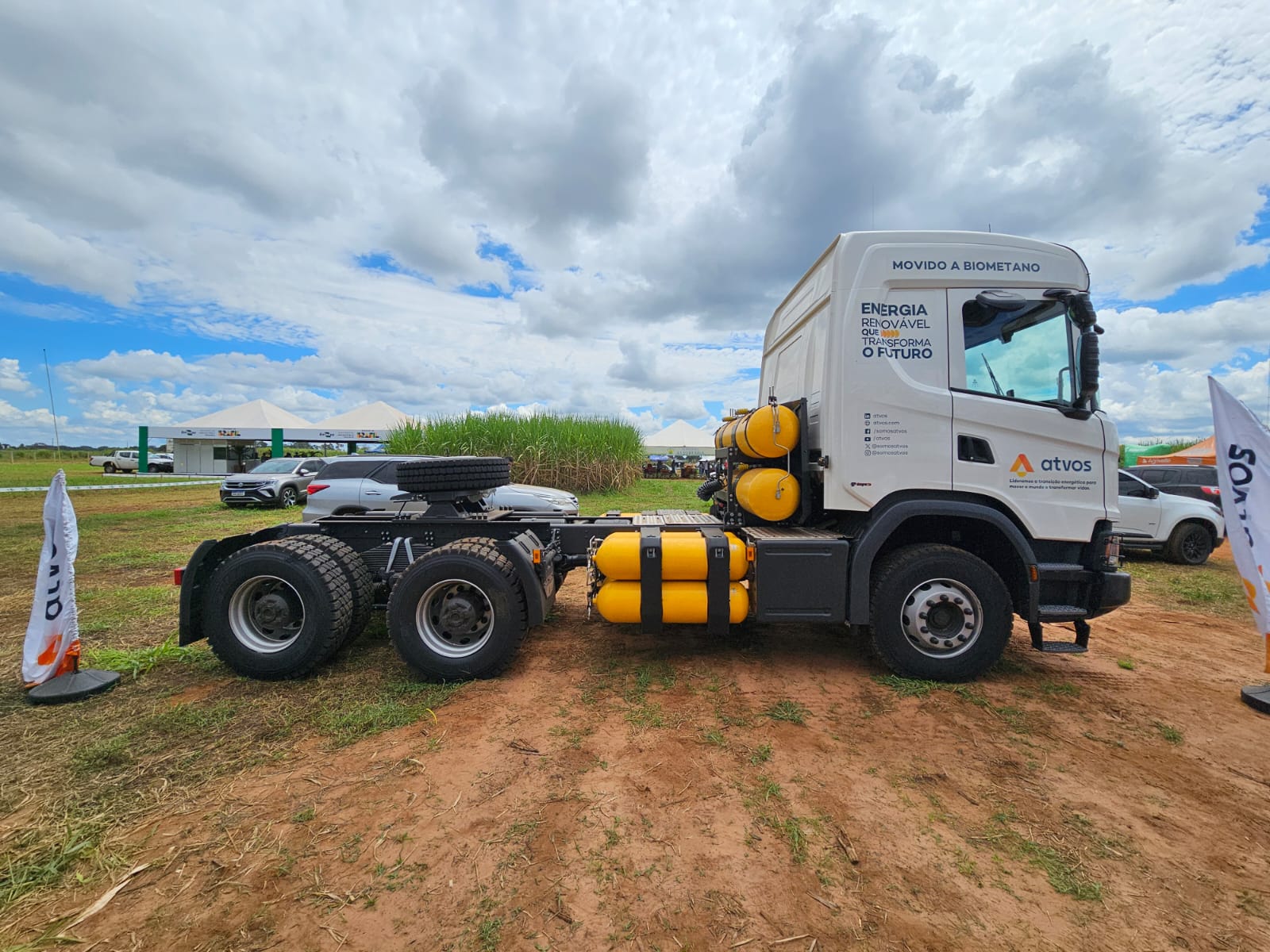
From the field to the pipelines: Mato Grosso do Sul accelerates the energy transition and consolidates a new axis in renewable energy with the arrival of a giant biogas plant.

Projections For B15 In Diesel Indicate Positive Impact On The Brazilian Production Chain
If B15 is implemented in 2025, the extra demand for biodiesel could reach 650 million liters, requiring 700 thousand tons of soybeans. This estimate was released by Abiove and is based on projections of national diesel consumption throughout the year. According to IBGE, soybean processing in 2025 could reach 57.5 million tons, surpassing the 55.8 million in 2024. The Confederation of Agriculture and Livestock of Brazil (CNA) assesses that the agro-industrial sector has the logistical conditions to meet the new demand.
Next Steps For Adopting B15 Blend In National Diesel Depend On CNPE
The proposal to advance with the B15 blend depends on the decision of the National Energy Policy Council, which will meet in December 2025. In the meantime, Abiove continues to engage with government authorities and, furthermore, presents technical and economic data that prove the viability of the proposal. The entity asserts that the sector is ready to adjust supply and, therefore, contribute to decarbonization and the reduction of fossil fuels. Although there is no official definition yet, the expectation is that the decision will primarily consider updated indicators of production, supply, and prices.










Seja o primeiro a reagir!