





 Portuguese
  English
  Spanish
  6 min of reading
  0 comments


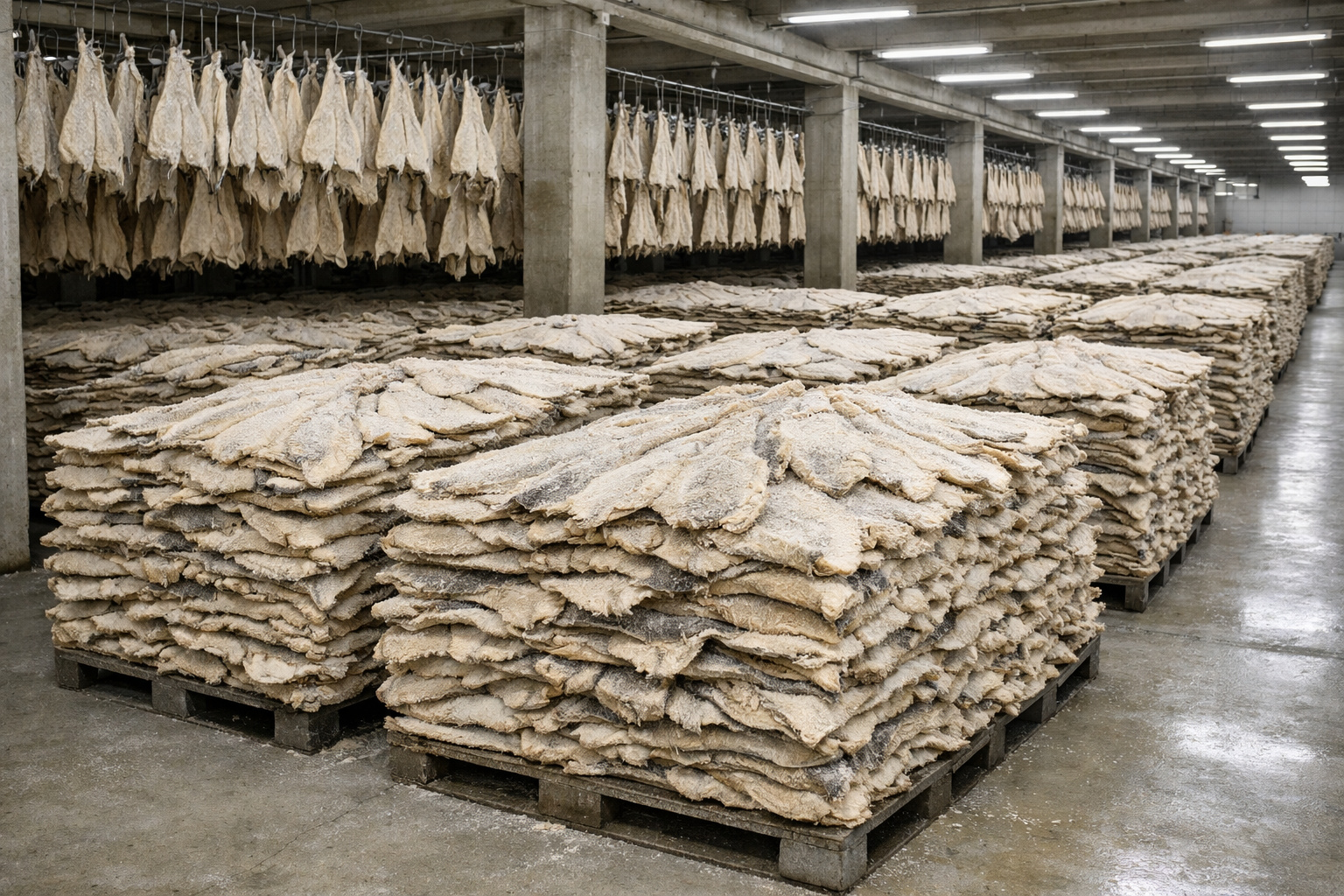
Behind the Traditional Dish of Year-End Celebrations, There Is a Complex Industrial Chain That Involves Different Species, Controlled Fishing in Cold Waters, Ancient Salting Techniques, and Weeks of Curing Until the Product Reaches Brazil
The codfish is almost a mandatory presence at year-end celebrations in Brazil. It features in Christmas dinners, Easter lunches, and family gatherings, bringing tradition, flavor, and a price that often draws attention. However, despite being so popular, few people know how codfish is actually produced and why it costs more than other fish. The reality is that the process is much more complex than it seems—and involves an extensive, rigorously controlled industrial chain that spans oceans.
First of all, it’s important to clarify a point that still generates confusion: codfish is not a single species of fish. The term refers to a specific group of species that undergo a traditional method of salting and drying. It is precisely this combination of the correct species and the appropriate processing that defines the flavor, texture, yield, and final value of the product.
This information was disclosed by specialized content from the channel Fábrica de Tudo, as well as technical articles on the international fishing industry, detailing each stage of the process, from fishing in cold waters to the arrival of codfish on Brazilian shelves. Throughout this chain, historical, technological, and logistical factors help explain why this food has become so valued.
-
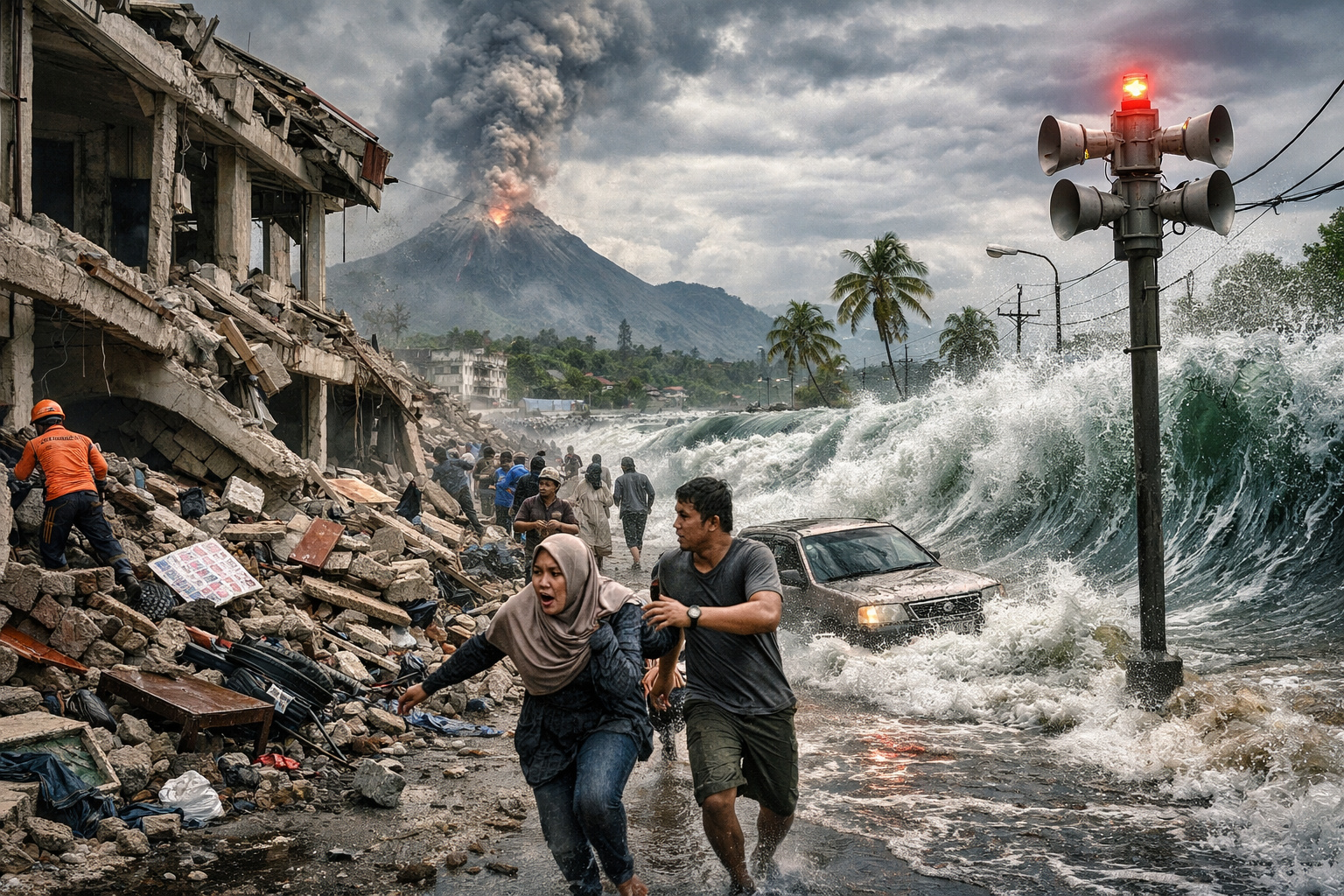
A strong earthquake in Indonesia affects houses and schools, causes panic, triggers a tsunami alert, and records a rise in sea level of up to 30 centimeters in some areas.
-
The Argentine government celebrates the lowest poverty rate in 7 years, but experts warn that the methodology has changed, real wages have fallen, unemployment has risen, and the number of people on the streets of Buenos Aires has increased by 57% since Milei took office.

-
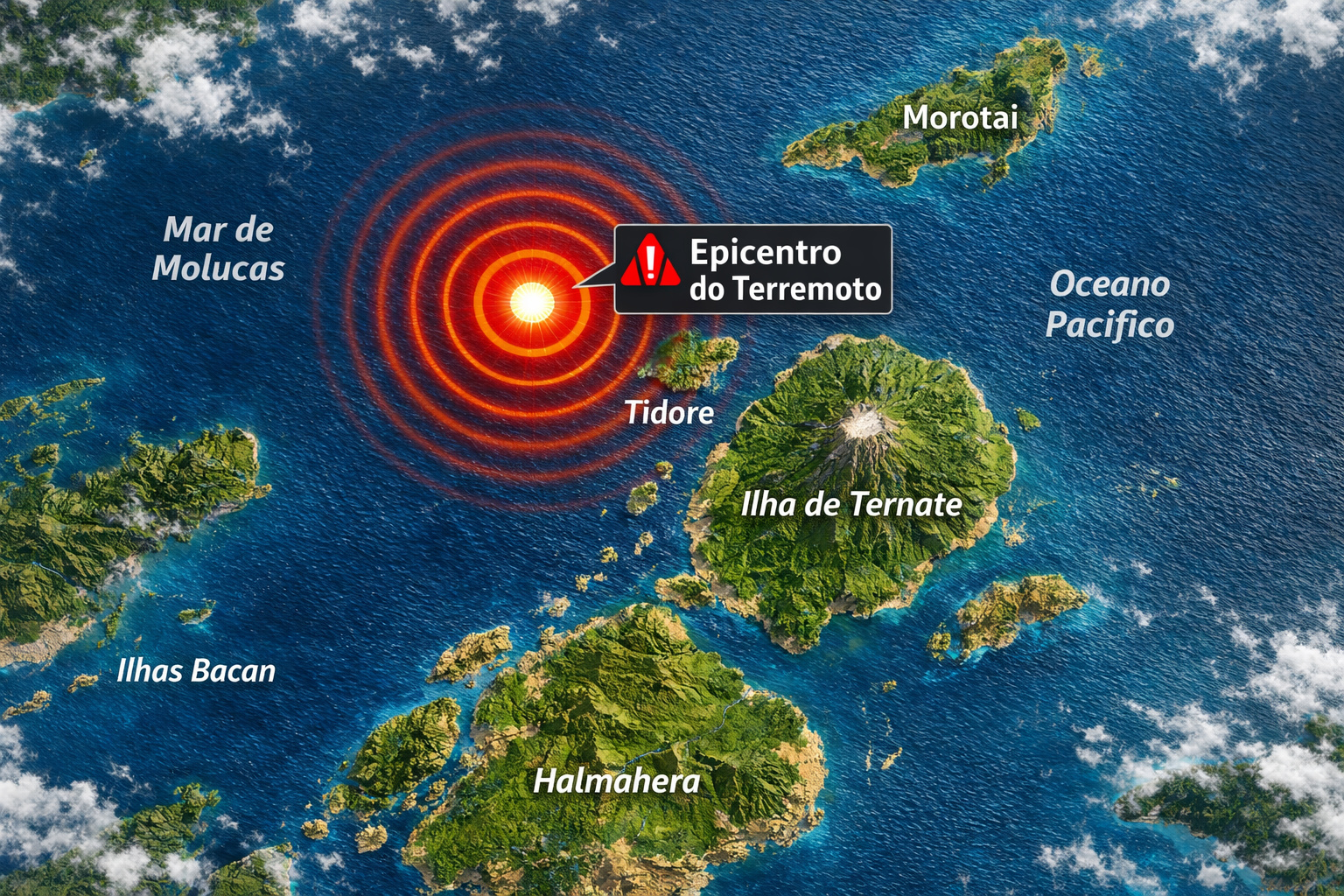
7.8 magnitude earthquake in Indonesia frightens the population, triggers tsunami alert, and hits an island with over 200,000 inhabitants this Thursday.
-
Google will finally let you change that embarrassing Gmail address you created in your teenage years without losing any accounts, logins, or old emails: the feature is already available in the United States.


Why Codfish Is Not a Single Species and How This Affects Price and Quality
Although in Brazil the name “codfish” is used generically, in practice it applies only to fish that undergo a specific process of salting and drying. Among the species used, the most valued is Gadus morhua, known as Atlantic cod. This species can exceed 1 meter in length and weigh over 20 kilograms, which ensures large, thick cuts with high culinary yield.
In addition to Gadus morhua, other species can also be sold as cod, provided they undergo the same processing method. However, each presents clear differences in flavor, texture, coloration, and market value. Naturally, the larger and more robust fish are destined for premium cuts, such as loins and thick steaks, while smaller specimens end up being used in portioned pieces or shredded cod.
Historically, the technique of salting and drying fish has existed for over a thousand years and originated in Northern Europe as a way to preserve food for long periods, especially in cold climate regions. Over time, cod gained economic importance, especially in the Middle Ages, when dietary restrictions imposed by the Catholic Church prohibited the consumption of meat on several days of the year, increasing the demand for preserved fish.
Portugal played a central role in this tradition. From the 15th century, Portuguese fishermen began to operate in the cold waters of the North Atlantic, particularly in the regions of Canada, Iceland, and Norway. Even without producing cod in its territory, Portugal consolidated the consumption of the product and brought this habit to Brazil, which today ranks among the world’s largest consumers.
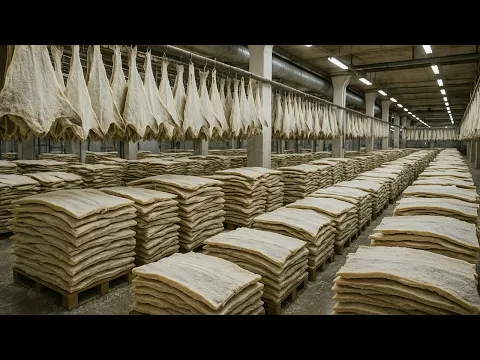

From Fishing in Cold Waters to Salting: How Cod Production Begins
Currently, Norway and Iceland lead the global production and export of salted and dried cod. The production chain begins in the cold waters of the North Atlantic, where natural conditions favor the development of these species. The vessels operating in these regions use sonars and modern location systems capable of identifying schools of fish at depth, ensuring efficiency and compliance with the fishing quotas established by each country.
Among the most commonly used methods is the bottom longline, a long line equipped with multiple hooks, designed to catch appropriately sized fish without damaging the meat. In some regions, specific nets for bottom fish are also employed, always adhering to strict environmental conservation rules. Although the fishing is directed at cod, other deep-sea species may appear, and vessels follow selection and return rules when necessary.
Immediately after capture, the fish receives only basic conservation care, such as cooling and refrigerated storage. The more delicate steps—opening, cleaning, and cutting—are reserved for the industrial phase on land. When the ship arrives at port, the fish is unloaded and sent to processing units, where the actual transformation begins.
In these units, the first step is receiving and sorting, a crucial stage to assess freshness, size, and integrity of the meat. Subsequently, the fish is classified by weight and size, determining the destination of each batch. The larger ones go for premium cuts, while the smaller ones are directed to simpler formats.
After that, the first major industrial cut takes place. The fish is opened longitudinally, with the removal of the central spine, in a shape known as “butterfly”. This opening increases the surface area in contact with salt and prepares the piece for the next step, considered the most important in the entire process.
Salting, Curing, and Drying: The Secret of Flavor, Texture, and Preservation

The salting is the phase that effectively transforms fresh fish into cod. It is what ensures preservation, defines the characteristic flavor, and gives rise to the firm texture so appreciated. In factories, the fish are organized in alternating layers of fish and coarse salt, allowing the salt to penetrate gradually and uniformly into the meat.
During this period, which lasts several days, the fish undergoes dehydration, as well as the inhibition of microorganism development. Technicians constantly monitor factors such as exposure time, amount of salt, and environmental conditions, ensuring that the quality standard is maintained. At the end of salting, the cod proceeds to the curing and drying phase, where its final characteristics are defined.
At this stage, the fish has already lost a significant amount of moisture, but still needs to reach the ideal point. The pieces are taken to controlled environments with precise monitoring of temperature, air circulation, and relative humidity. Drying occurs slowly and gradually, allowing the remaining water to be eliminated without compromising the structure of the meat.
During curing, the cod goes through periods of resting and rearrangement, ensuring even drying. Depending on the size of the pieces and the desired product type, this phase can last weeks. It is precisely this prolonged time that contributes to the firmness, coloration, and stability of the final product, which becomes suitable for transport and storage without the need for constant refrigeration.
After curing, a final classification occurs based on criteria such as thickness, drying uniformity, coloration, and moisture content. These characteristics determine the commercial category of each piece and directly influence market value. Cod with homogeneous drying and good presentation tends to have greater acceptance and better culinary yield.
Finally, the product undergoes standardization and packaging, which can be sold in whole pieces, steaks, loins, or portioned pieces. The packaging uses vacuum or controlled atmosphere systems to protect against moisture and oxidation. After that, the cod is shipped by sea to Brazil, passes through distribution centers, and arrives at points of sale.
With this entire journey, it becomes clear why cod is more expensive: it is entirely imported, involves controlled fishing, specialized processing, international transport, taxes, and internal logistics. Understanding this chain also makes it easier to differentiate quality, cuts, and prices found in the Brazilian market.
After learning about all the stages of the industrial cod process, from fishing in cold waters to curing and drying, do you still see this product the same way when you see it on store shelves?






-

-

-

-

-

-

48 pessoas reagiram a isso.