





 English
  Francês
  Alemão
  Italiano
  Japonês
  Norueguês
  Portuguese
  Spanish
  2 min of reading


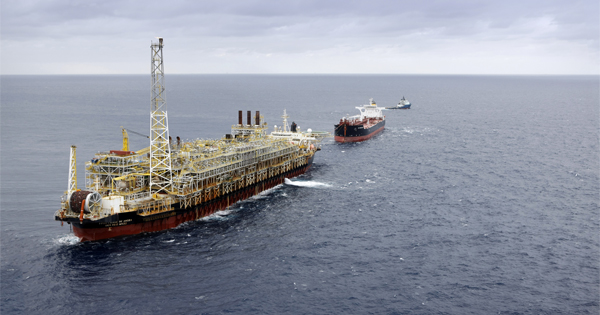
The Control of Production at the Búzios Field, Located in the Santos Basin, Was Transferred to Rio de Janeiro Due to Petrobras’ Restructuring.
Petrobras’ current Operational Support Manager for the Santos Basin, Márcio Naumann, stated in a lecture at the Association of Engineers and Architects of Santos (Aeas) that around 10,000 employees are currently working in the region, with 2,200 of them engaged at the State Company’s Operations Unit headquartered in Valongo, Santos. The São Paulo Government Wants to Receive the Same Amounts as Rio in Pre-Salt Mega Auction.
The count includes workers from platforms and service providers operating in the basin, primarily at the Lula field, the largest in Brazil, with nine units.
-
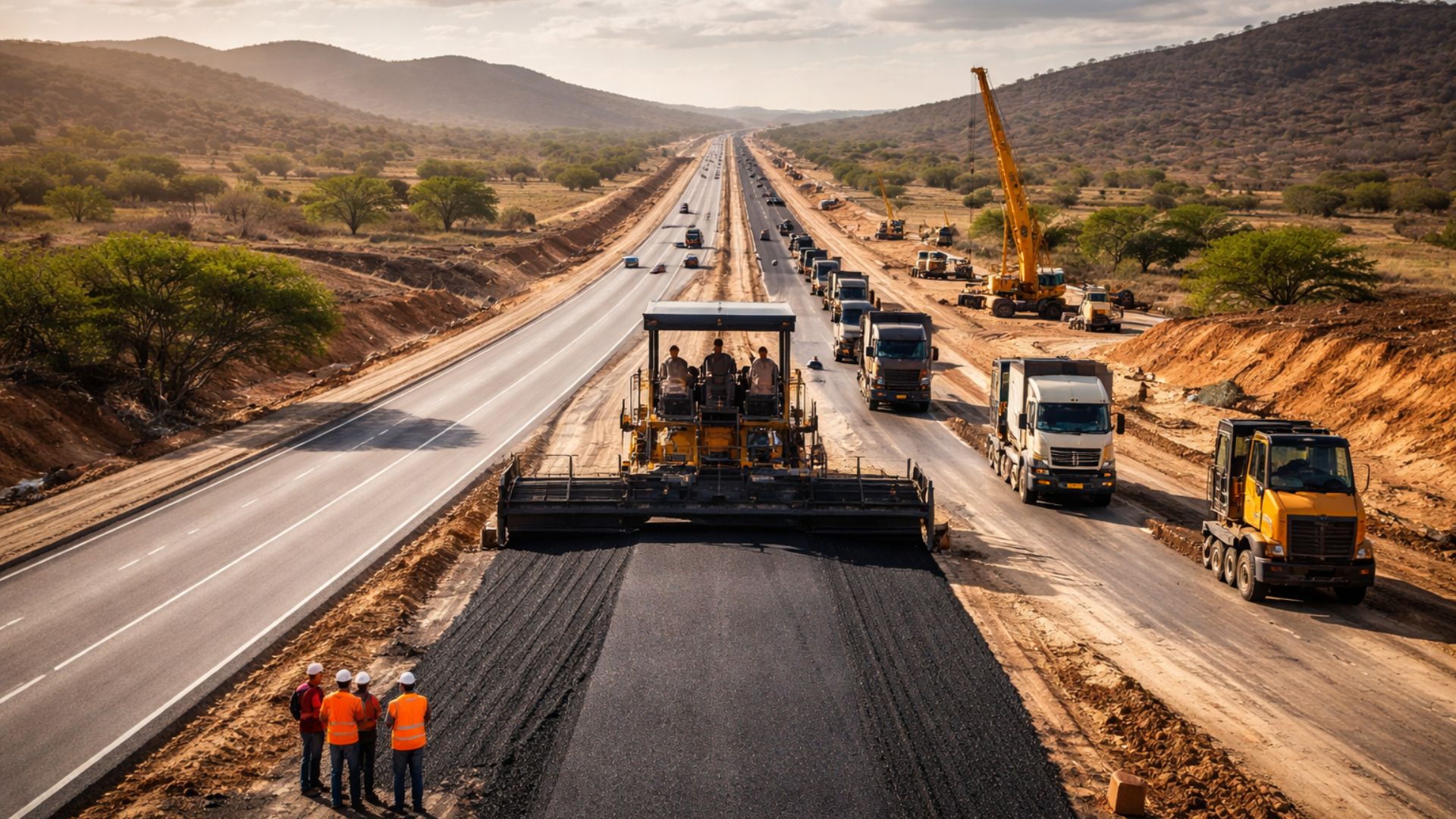
Government unlocks R$ 554 million for a highway that has been requested for decades and accelerates the duplication of BR.
-
Without bricks, without cement, and without endless construction: the cardboard house that is assembled in modules and can be moved.

-
Billions of barrels on the equatorial margin could lead Amapá to double its oil production in Brazil — the state aims to enter the route of companies in the Campos Basin, attract investments, and boost jobs and businesses in the oil and gas sector.

-
Without bricks, without cement, and without endless construction: the cardboard house that is assembled in modules and can be moved.

The Baixada Santista Operations Unit (UO-BS) employs 2,129 workers, the majority in the Valongo building. In a year, the company increased its workforce by 320.
With the exception of 2017, there has been a significant increase in personnel. In 2016, there were 1,299 and only 38 during the UO-BS’s establishment in 2006, according to Naumann.
Nonetheless, the current workforce is only one-third of the company’s expectations when it began its plans for the Santos Basin.
Petrobras’ initial plan was to have 6,000 workers and three towers in Valongo. Today there is only one, and the state company stated that there is no demand to expand its facilities in Santos.
When asked, Naumann said that the use of new technologies, such as automation, has increased, and Petrobras resized its structure to explore the pre-salt.
Rio Concentrates Control of Búzios, Flights, and Offshore Base
The control of production at the Búzios field, located in the Santos Basin, was transferred to Rio de Janeiro due to Petrobras’ restructuring. The measure was a way to address the increase in Santos’ production, necessitating a division of tasks with Rio, Naumann said.
According to the ANP, the Lula field, with nine platforms, produced 1.17 million barrels of oil equivalent daily – half of all the pre-salt oil.
Búzios, with four platforms and located north of Lula, is already the second largest. According to the bulletin, production reached 360,000 boe daily.
During the restructuring phase, the state company opted to transport workers from Jacarepaguá and supply the platforms with vessels leaving from Rio and Cabo Frio and from Itajaí (SC), Naumann reported.
Petrobras assessed that the existing structure in Rio still supports the demand, and the distance is shorter. This decision even affected the Itanhaém airport, from where employees were transported to the platforms.






Seja o primeiro a reagir!