





 Portuguese
  English
  Spanish
  3 min of reading


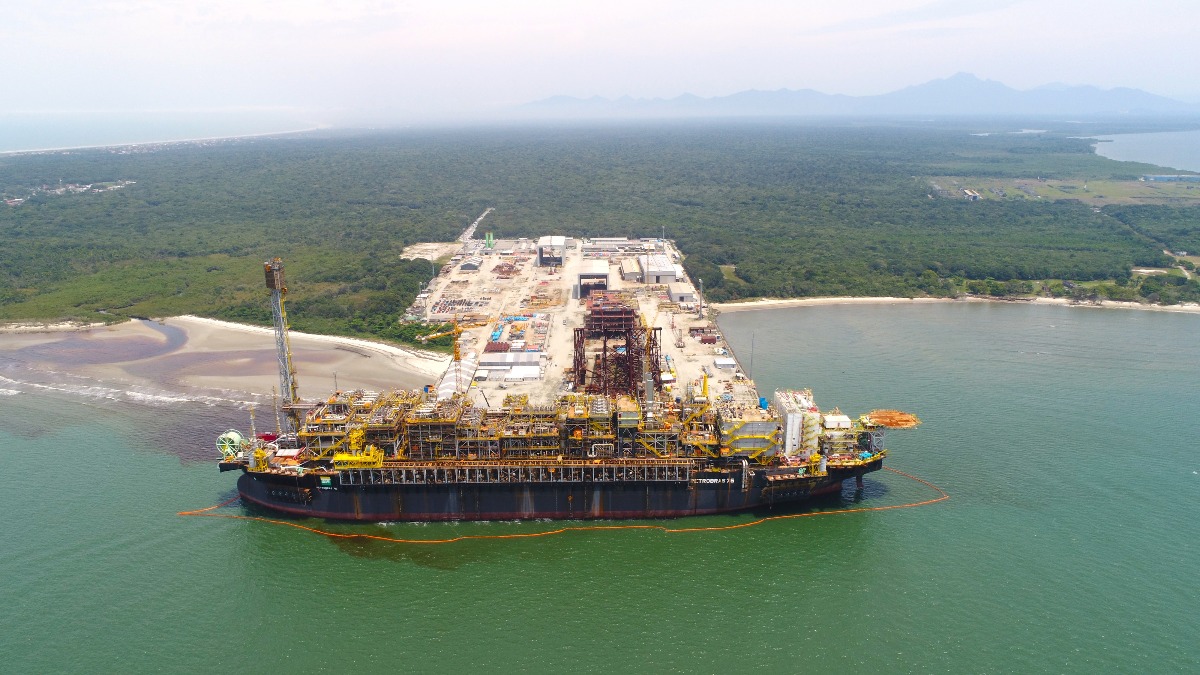
Petrobras Platform Becomes The Second In The Búzios Field, In The Santos Basin, To Export Gas To The Continent
In a statement released to the market last Wednesday (07/07), Petrobras informed that P-76 became, in June, the second platform in the Búzios field, in the pre-salt of the Santos Basin, to export gas to the continent. The operation was made possible after the connection of the platform to the gas pipeline known as Route 2, which transports production to the Cabiúnas Terminal. See also: Pre-Salt – Petrobras Will Start Operating The Sépia Field, In The Santos Basin, In August
- Multinational General Motors Suspends Production At SP Plant And 250 Metallurgists Have Work Contracts Suspended
- Nestlé, The World’s Largest Food And Beverage Company, Calls Candidates With And Without Experience For Positions In RJ, MG, SP And Other Brazilian Regions
- Ethanol Plant In Campos dos Goytacazes, Rio de Janeiro, Is Authorized To Resume Operations
- Aerospace Engineering Portal Is Offering 6 Free Online Courses On This Day 08
- Pre-Salt: According To MME, The Sépia And Atapu Blocks, In The Santos Basin, May Receive Investments Of R$ 204 Billion
The Export Of Gas From The Petrobras Platform To The Continent
The possibility for Petrobras to export gas from the Búzios field, in the Santos Basin, contributes to the utilization of the fields’ potential, bringing flexibility for better reservoir management and increasing value generation.
Currently, the gas produced in the Santos Basin is transported via routes 1 and 2, which together have a flow capacity of 26 to 30 million m³ per day. Route 3, from Petrobras, still in the implementation phase, will allow the flow of over 18 million m³/d of gas to the onshore gas processing units.
-
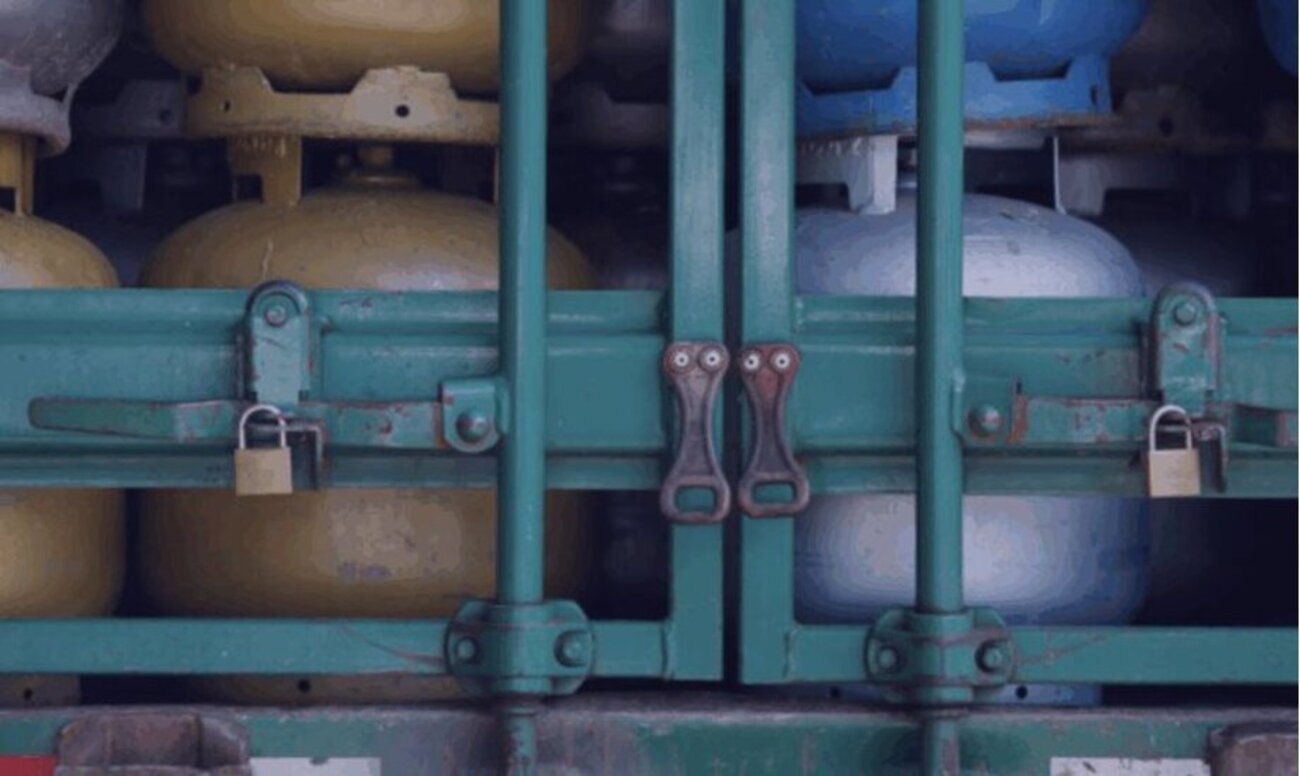
Petrobras evaluates suspension of sales to distributors and considers canceling the cooking gas auction following guidelines from the Federal Government.
-
Lula reveals a masterstroke by Petrobras to undo a deal made by Bolsonaro, which involves the return of an important refinery that currently produces less than half of what was expected and makes Brazil dependent on international diesel.
-
A study confirms that the natural gas sector will reduce greenhouse gas emissions in Brazil by 0.5% and accelerate the energy transition by 2026.

-
Petrobras implements a severe adjustment and confirms a 55% increase in the price of aviation kerosene with a proposal for installment payments for the companies.

The natural gas market in Brazil is undergoing an opening process that seeks a more dynamic competitive environment. The start of gas exports by P-76 reinforces Petrobras’s position in the natural gas chain in the country, expanding the availability of gas to the market and providing for the growth in demand, including the expansion and security of supply to the electricity sector, outlining the path for the energy transition to lower carbon intensity sources.
The Búzios Field, In The Santos Basin
The Búzios field, discovered in 2010, is the largest deep-water oil field in the world. It is a world-class asset, with substantial reserves, low risk, and low extraction cost. It is expected to reach the end of the decade with daily production above 2 million barrels of oil equivalent per day, becoming Petrobras’s highest-producing asset.
The four units in operation at Búzios account for over 20% of Petrobras’s total production at the moment. Another four platforms planned for the field (FPSOs Almirante Barroso, Almirante Tamandaré, P-78, and P-79) are under construction, and the ninth unit (P-80) is in the contracting process.
See Also: Petrobras Signs Contract With Saipem And DSME For The Construction Of FPSO P-79, To Be Installed In The Búzios Field, In The Pre-Salt In The Santos Basin
Petrobras announced the signing of a contract with the companies Saipem and DSME for the construction of the FPSO P-79 platform, which will be located in the Búzios field in the pre-salt of the Santos Basin. The FPSO is expected to be delivered in 2025 and will have a processing capacity of 180,000 barrels of oil per day and 7.2 million m³ of gas per day. The contract between the companies is valued at US$ 2.3 billion for the supply of P-79, the eighth unit to be installed in the Búzios field.
The FPSO platform type (capable of storing and transferring oil) will be operational by 2025. In addition, Petrobras added that FPSO P-79 will have a daily processing capacity of 180,000 barrels of oil and 7.2 million cubic meters of natural gas per day.









Seja o primeiro a reagir!