





 Portuguese
  English
  Spanish
 3 min of reading
  0 comments


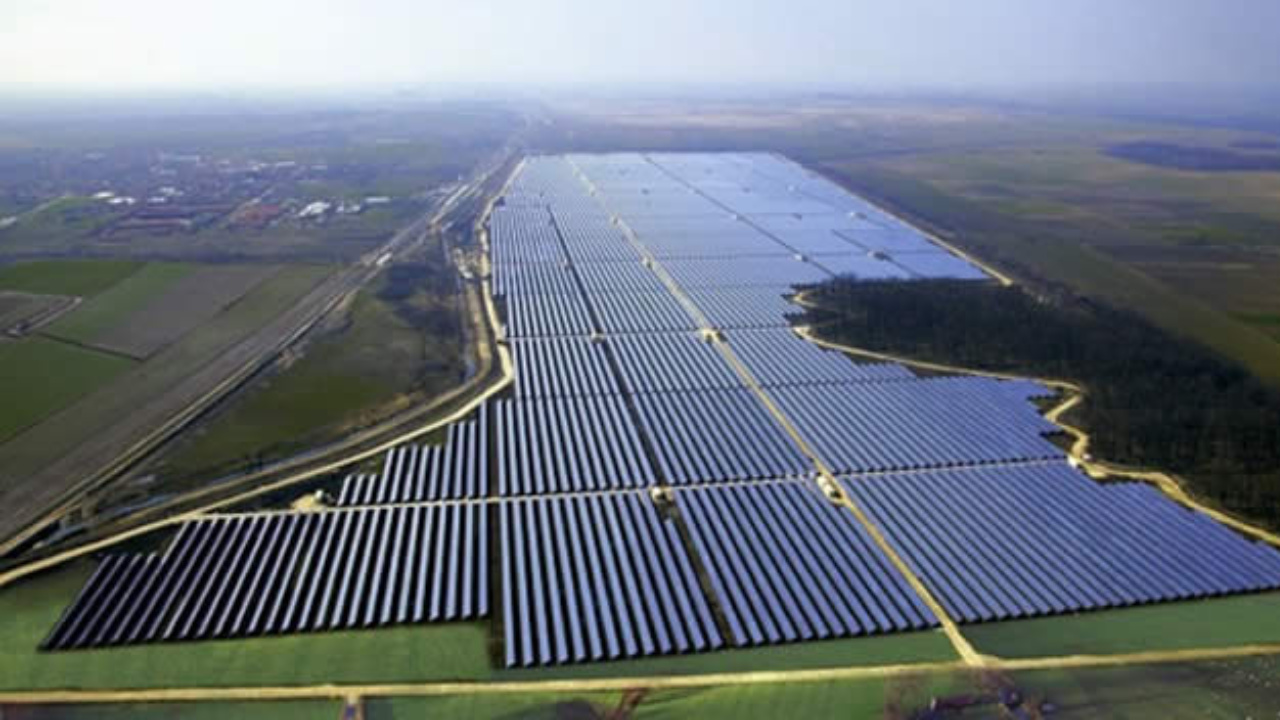
Two Major Solar Energy Complexes Begin Operations in Bahia in December, Adding 250 MW to the National Electric System and Reinforcing Investments from the New PAC.
Solar energy gained new momentum in Bahia throughout December, with the commencement of operations of two large photovoltaic complexes. Together, the projects added 250 megawatts (MW) of installed capacity to the Brazilian electric system. The information was released by the Ministry of Mines and Energy (MME).
The projects are part of the New Growth Acceleration Program (PAC) and total investments exceeding R$ 1 billion. In addition, they reinforce the role of the state of Bahia as one of the main solar generation hubs in the country, leveraging favorable climatic conditions and areas with high solar incidence.
Complex Serra da Babilônia Begins Operations in Early December
The first project to commence commercial operations was the Serra da Babilônia Photovoltaic Complex. Located in the municipality of Morro do Chapéu, in the interior of Bahia, the project started its activities on December 3.
-
Europe records strong euro economy with solar energy in March and sparks curiosity about which country leads growth that redefines the energy market and reduces costs.
-
Piauí reaches a historic milestone in energy transition: State records nearly 160,000 households powered by solar energy and leads growth in the Northeast.
-
Argentina debuts its first 100% solar-powered highway and transforms an entire road into a showcase of clean energy.
-
Minas Gerais reaches a historic record and surpasses the power of Itaipu, but network costs generate debate: Understand why solar energy in MG impacts the electricity bill of those without panels.
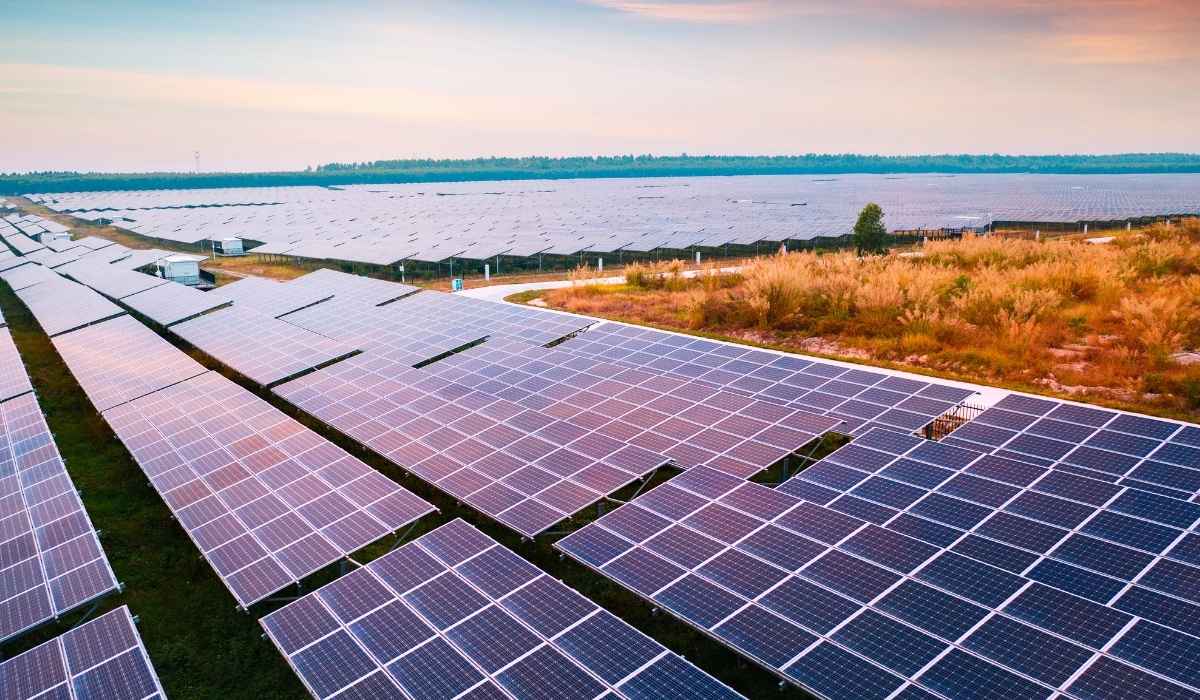

The complex consists of four plants, named SDB Solar 1, 2, 3, and 4. In total, there are 119 generating units that, together, achieve 123 MW of installed capacity. The total investment for the project is estimated at R$ 596 million.
To facilitate the flow of generated solar energy, the complex uses a dedicated connection system. This system includes a collector and booster substation, as well as a transmission line approximately 73 kilometers long, which interconnects the project to the Morro do Chapéu II Substation.
Connection Infrastructure Ensures Integration with the National System
Connection to the basic grid is a strategic point for large-scale solar energy projects. In the case of the Serra da Babilônia Complex, the structure was designed to ensure stability and efficiency in sending the generated electricity to the National Interconnected System.
This type of infrastructure allows the energy produced in the interior of Bahia to reach consumer centers, contributing to the diversification of the electric matrix and reducing dependence on fossil sources.
Complex Solar Irecê Begins Operations in the Second Week of the Month
Following that, the Solar Irecê – Phase 1 Complex began commercial operations on December 9. The project is located in the municipality of João Dour, also in Bahia, and represents another significant advance for the expansion of solar energy in the state.
The complex consists of two plants: Solar Irecê and Solar Irecê 3. Together, they total 133.40 MW of installed capacity, distributed across 42 generating units.
The Solar Irecê plant has 23 generating units, each with a capacity of 3.20 MW, totaling 73.60 MW. Solar Irecê 3 has 19 generating units of 3.14 MW each, resulting in 59.80 MW of installed capacity.
High Investments and Integration with the SIN
The total investment in the Solar Irecê – Phase 1 Complex is estimated at R$ 647 million. The connection to the National Interconnected System occurs through the 138 kV busbar of the Irecê 230/138 kV Substation.
This integration ensures that the energy produced is efficiently incorporated into the national electric grid. Furthermore, it enhances the reliability of supply and helps meet the growing demand for electricity in the country.
Projects Are Part of the New PAC
Both the Serra da Babilônia Complex and the Solar Irecê – Phase 1 Complex are part of the portfolio of projects under the New PAC. According to the Ministry of Mines and Energy, the program currently includes 584 plants at different stages of execution.
Of this total, 368 units are already completed. The number reflects the progress of investments in energy infrastructure and the focus on expanding renewable sources, such as solar energy, within the strategy for developing the Brazilian electric sector.
Bahia Consolidates Strategic Position in Solar Generation
With the commencement of operations of these new projects, Bahia reinforces its prominent position in large-scale solar energy generation. The state contains extensive areas, high solar irradiation, and expanding infrastructure, factors that attract billions in investments.
At the same time, the expansion of installed capacity contributes to the diversification of the national energy matrix, reduces greenhouse gas emissions, and strengthens the participation of renewable sources in the Brazilian electric system.







Seja o primeiro a reagir!