





 Portuguese
  English
  Spanish
  5 min of reading
  0 comments


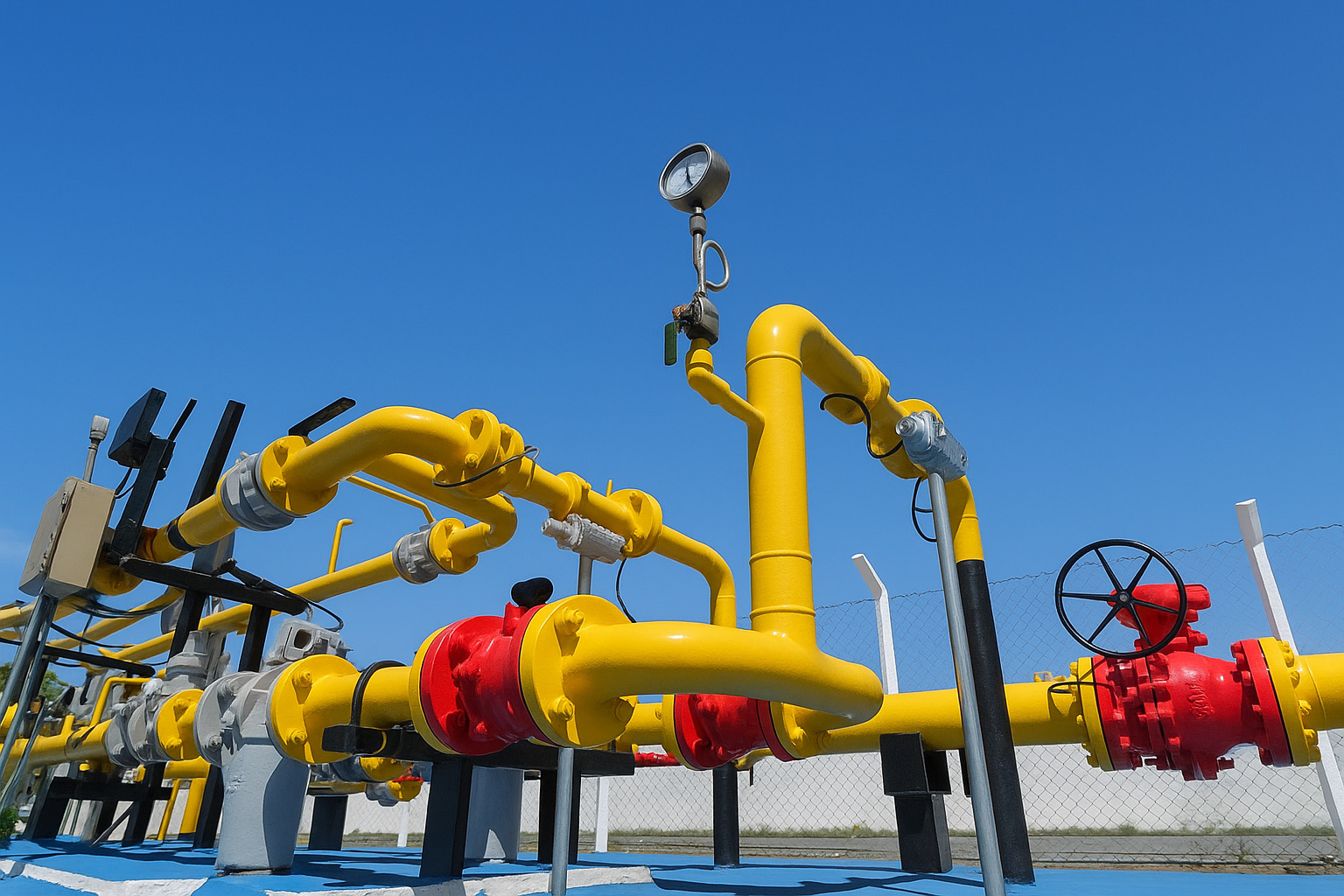
New Natural Gas Compression Station Boosts Industry in Bahia and Strengthens Brazilian Energy Infrastructure
The arrival of a new natural gas compression station in Bahia marks a significant moment for the Brazilian energy sector. The initiative by Brava Energia, in partnership with MDC Energia, demonstrates how investments in infrastructure can transform not only the supply of inputs but also regional and national competitiveness.
Moreover, the construction of the facility shows the private sector’s commitment to aligning technology and economic development. The project combines innovation, sustainability, and efficient logistics, creating a model that can inspire other regions of the country.
The Role of Natural Gas Compression in the Energy Sector
Since the beginning of natural gas exploration in Brazil, logistics has always posed a significant challenge. While the pipeline network concentrates mainly in the Southeast, industrial regions far from these points suffered from limited supply.
-
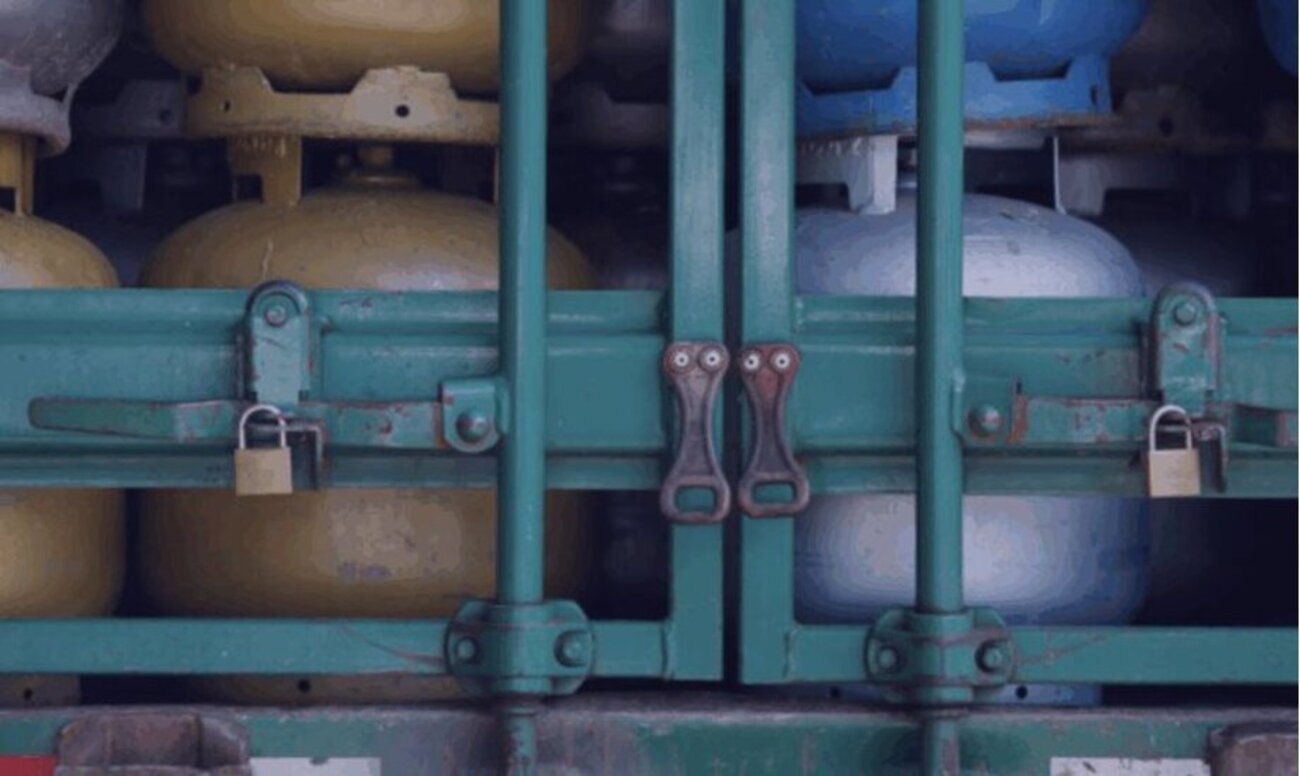
Petrobras evaluates suspension of sales to distributors and considers canceling the cooking gas auction following guidelines from the Federal Government.
-
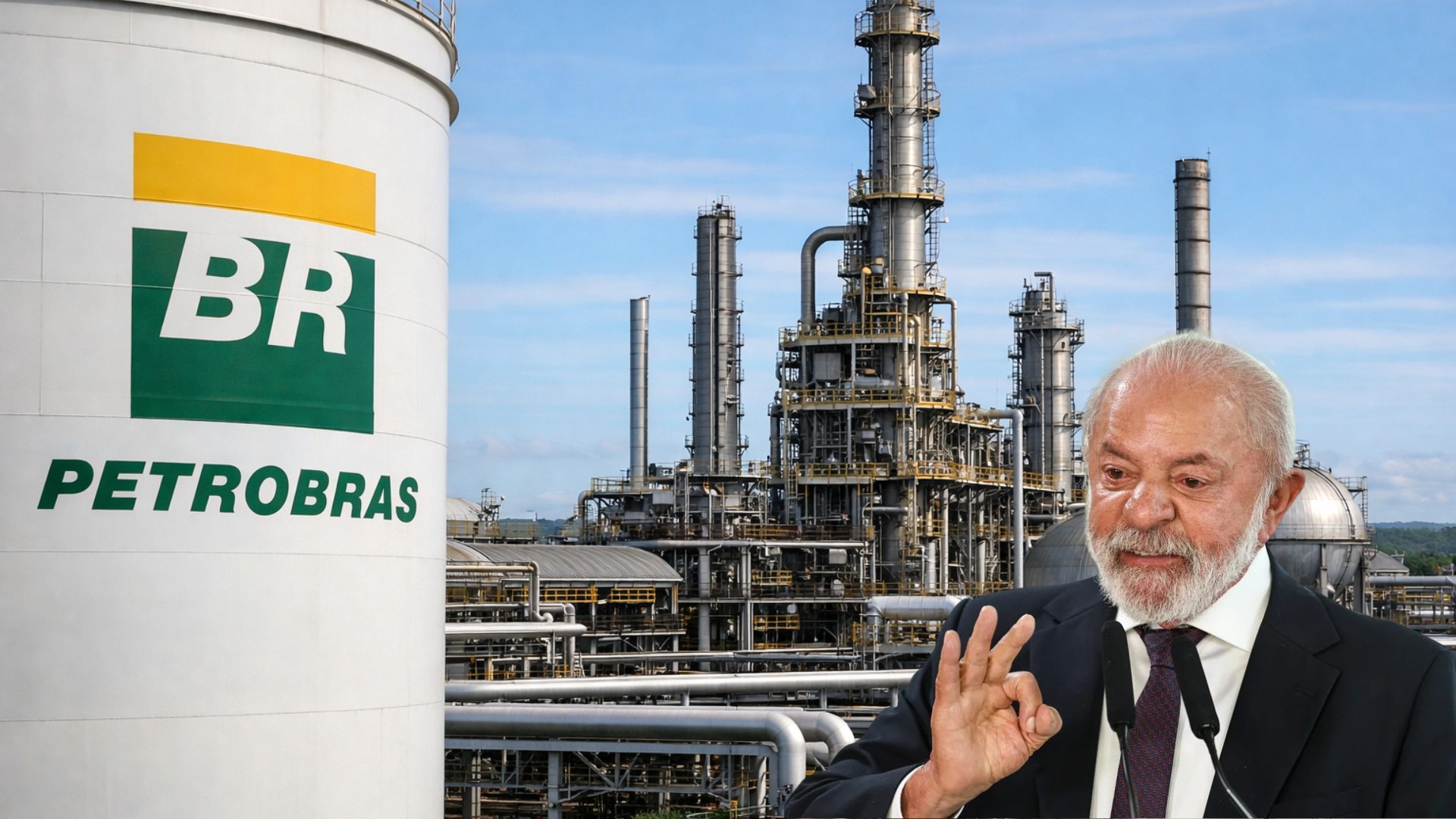
Lula reveals a masterstroke by Petrobras to undo a deal made by Bolsonaro, which involves the return of an important refinery that currently produces less than half of what was expected and makes Brazil dependent on international diesel.
-
A study confirms that the natural gas sector will reduce greenhouse gas emissions in Brazil by 0.5% and accelerate the energy transition by 2026.

-
Petrobras implements a severe adjustment and confirms a 55% increase in the price of aviation kerosene with a proposal for installment payments for the companies.


Thus, natural gas compression emerged as a strategic solution to allow the fuel to be stored, transported, and delivered efficiently.
In the process, the gas goes through stages of primary treatment and compression, until it reaches suitable conditions to be placed in high-pressure trucks. This way, it can proceed to industrial centers or decompression bases, which redirect it to consumption.
Additionally, this technology ensures greater flexibility, as it delivers energy to locations outside the pipeline network. This democratizes access and expands the reach of natural gas.
With the new unit installed in São Francisco do Conde, the metropolitan area of Salvador, Brava Energia significantly increases distribution capacity. The station will have a capacity of 115,000 m³ per day and will create jobs during the construction and operation phases.
Therefore, it is not just a technical milestone but also a boost to regional development.
Bahia as a Strategic Hub for Natural Gas
Historically, Bahia has played a central role in the oil and gas sector. Since the discovery of the first oil field in Recôncavo in the 1930s, the region has established itself as a reference in energy production and processing.
Thus, the choice of São Francisco do Conde to host the new station was no accident.
The municipality is located in an area surrounded by industries and close to the Port of Aratu, one of the most important in the Northeast. Furthermore, the presence of chemical, petrochemical, and steel companies makes the consumption of natural gas particularly high.
Therefore, natural gas compression in this region brings predictability, supply security, and direct support to the competitiveness of the local industry.
According to Brava Energia and CDGN, a subsidiary of MDC Energia, the inauguration of the unit will allow industrial clients to have continuous access to the input.
Thus, it will be possible to plan productions without the risk of interruptions, which strengthens the productive capacity of Bahia and attracts new investments.
Additionally, the station reinforces the integration between production and distribution, an essential step to optimize energy logistics in the state and reduce operational costs.
The Evolution of the Natural Gas Market in Brazil
The Brazilian natural gas market has undergone significant transformations in recent decades. Initially, national production was almost exclusively intended for internal use by the companies themselves.
However, with technological advancements and the arrival of Bolivian gas in the late 1990s, the supply expanded.
Still, distribution bottlenecks persisted, especially in states outside the routes of the major pipelines. In this scenario, solutions like natural gas compression gained importance, as they integrated previously isolated regions.
Therefore, initiatives like Brava Energia’s represent continuity of this modernization and expansion process.
Currently, the quest for diversification of the energy matrix also strengthens the relevance of gas. It serves as a transition fuel, replacing more polluting sources and complementing intermittent renewables, such as solar and wind.
This way, compression ensures that the input reaches emerging markets and sectors that require reliability.
Furthermore, the station allows for a greater capacity to respond to emergencies. In cases of supply interruptions, compressed gas in trucks can supply critical areas, such as hospitals, industries, and essential sectors, minimizing socio-economic impacts.
Socioeconomic Impacts and Future Prospects
The new station not only contributes to energy infrastructure. It also generates approximately 75 direct and indirect jobs, and stimulates the local economy.
Thus, the project reaffirms how investments in energy can become drivers of regional development.
Moreover, by bringing natural gas to clients not connected to the network, compression expands the competitiveness of industries. This is because it ensures quality input, with more predictable costs.
The process also reinforces the commitment to sustainable practices, as gas emits fewer pollutants than fuel oil or coal.
The future of this segment indicates constant growth. As new industrial demands arise, especially in the interior of the country, compression stations are expected to play a decisive role.
Thus, it is possible to expect that other regions will follow Bahia’s example and receive similar structures. This will consolidate natural gas as a vector of progress.
Additionally, the expansion of natural gas compression opens space for innovation in transportation, digital monitoring, and energy efficiency, promoting greater reliability for investors and consumers.
A Milestone in the Brazilian Energy Transition
The ongoing energy transition in Brazil cannot rely solely on renewable sources. Although solar and wind energy show remarkable advancements, the need to ensure stability in supply makes natural gas an indispensable ally.
Therefore, investment in compression and distribution proves essential to balance the system.
In this sense, the station in São Francisco do Conde symbolizes more than an engineering feat. It represents a link between production and consumption, ensuring that Brazil moves steadily towards a more diversified, clean, and accessible energy matrix.
Thus, when analyzing the impact of this project, it is clear that it goes beyond providing a fuel. It strengthens national integration, bolsters industry, creates jobs, and paves the way for Brazil’s energy future.
Furthermore, Bahia’s experience with compression stations can serve as a model for the country, demonstrating how investment in intelligent energy infrastructure contributes to sustainable growth and the reduction of regional inequalities.











Seja o primeiro a reagir!