





 Portuguese
  English
  Spanish
 5 min of reading
  3 comments


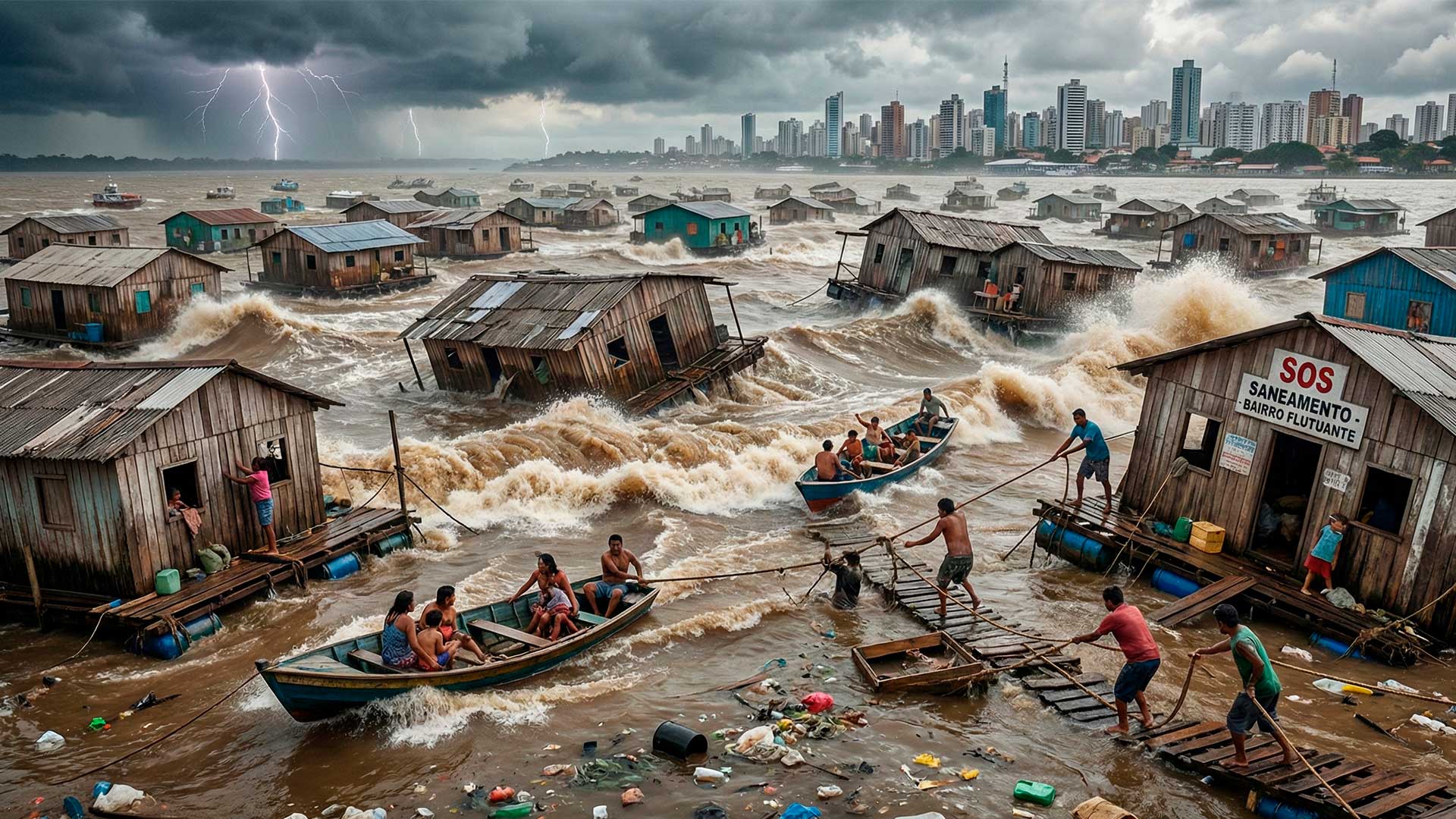


In Communities Like Catalão, in Amazonas, Dozens of Houses Form a Neighborhood That Floats and Changes Location According to the Water Level. The Routine Becomes Daily Logistics with School, Shopping, and Work Done by Boat, While the Debate Grows About Sanitation and Rules for These Dwellings.
In a stretch of water where rivers and canals intersect in the metropolitan region of Manaus, a “neighborhood” reorganizes itself year-round without pavement, sidewalks, or a fixed address. There, floating houses align like liquid streets, following the rise and fall of the waters that define the Amazon calendar.
The most-cited example by reports and studies is the community of Catalão, linked to the municipality of Iranduba and known for bringing together dozens of homes over the water. Instead of lots, there are moorings, buoys, and makeshift walkways that change shape according to the current and the “banzeiro”.
What seems curious to tourists is a survival strategy for those who live there. At each phase of the river, the way to school, the local market, and work can shorten or become a long detour, always by boat.
-
A strong earthquake in Indonesia affects houses and schools, causes panic, triggers a tsunami alert, and records a rise in sea level of up to 30 centimeters in some areas.
-
The Argentine government celebrates the lowest poverty rate in 7 years, but experts warn that the methodology has changed, real wages have fallen, unemployment has risen, and the number of people on the streets of Buenos Aires has increased by 57% since Milei took office.

-
7.8 magnitude earthquake in Indonesia frightens the population, triggers tsunami alert, and hits an island with over 200,000 inhabitants this Thursday.
-
Google will finally let you change that embarrassing Gmail address you created in your teenage years without losing any accounts, logins, or old emails: the feature is already available in the United States.


In recent years, these communities have also entered the center of an uncomfortable discussion. How to guarantee housing and dignity without turning the river into sewage, and who should oversee what constitutes residence, commerce, and leisure in floating structures?
Where the Floating Neighborhood Is Located and Why It Draws Attention
According to TV Brasil, Catalão is a floating community where life happens with “streets” of water and transportation by boats, living directly with the flood and ebb of the Rio Negro. The report describes families who organize their homes and daily tasks on the water, in a dynamic that seems simple but requires constant adaptation.

Different surveys point to similar, but not identical, numbers about the size of the settlement, something common in places that change with the seasons. A study from the Institute of Advanced Studies at USP mentions about 113 floating buildings in the community of Nossa Senhora Aparecida do Lago do Catalão, highlighting that there are no houses on land in this area.
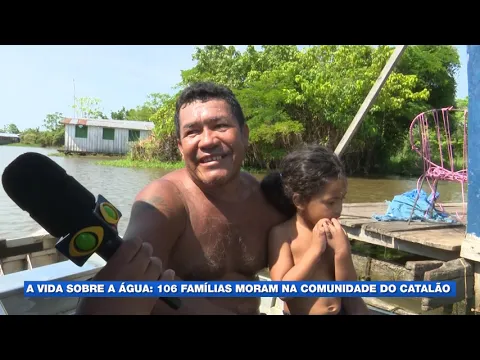
Television reports from Rede Amazônica mention around 106 floating houses when presenting the location and its proximity to Manaus by waterway. In practice, the count can vary depending on the season, the inclusion of support structures, and how businesses and services are recorded alongside residences.
How the Flood and Ebb Change the Routine of Those Living Over the Water
In the Amazon, the year is typically divided, in practice, into phases of high water and low water, and this dictates the layout of the “neighborhood”. According to TV Brasil, the Rio Negro spends part of the year in flood and part in ebb, and the residents of Catalão adjust routes, distances, and even the positioning of structures to continue living.
When the water level rises, travel can be more direct to some points, but it increases the force of the water and the impact of boat waves. For those living in floating homes, this means reinforcing moorings, caring for stability, and dealing with constant rocking inside the house.
During the ebb, the scene changes again and the water recedes, altering depths and routes. What was a quick path yesterday may require a longer detour, and areas that were navigable may now have restrictions, forcing more planning for shopping, healthcare, and children going to school.
This dynamic creates a culture of adaptation and also a silent inequality. Those with better boats, reliable engines, and more resources navigate the critical period with less risk, while families with more fragile structures feel any change in the river more acutely.
Local Economy and Basic Services in a Floating Settlement
Even while floating, these neighborhoods develop community life and their own economy. TV Brasil describes simple tasks, such as taking children to school and shopping at the local market, gaining “a different face” when everything depends on boats and the whims of the river.
In many floating communities, small businesses, service provision, and jobs related to the river, such as transport, fishing, and boat maintenance, emerge. This helps explain why the model persists: it is not just housing; it is also a way to be close to opportunities in the surrounding area of Manaus.
The fragile side is that public infrastructure does not always keep pace. When regular treated water supply, garbage collection, and sewage disposal do not arrive consistently, the burden falls on the population, and the environmental risk becomes part of everyday life.
Regulation, Sanitation, and the Controversy That Grows Along with the Floaters
The advancement of floating structures in other areas of Manaus shows that the issue goes beyond a specific neighborhood. A report by InfoAmazonia states that, in the Tarumã Açu River, the discussion returned strongly in 2024 following the revival of an old court decision amid the accelerated growth in the number of floaters and the risk of environmental impacts.
In this case, the debate became more tense because some structures began to be used for leisure, tourism, and restaurants, increasing the pressure for clear rules. At the same time, the report points out that there are still families living in these locations, and that removal involves social conflict and the right to housing.
In April 2024, the Amazonas Environmental Protection Institute stated that regulation depends on the type of activity conducted on the floater and mentioned requirements such as control measures for effluents, waste, and navigation safety. The central message of the agency was for orderliness and transparency to avoid surprises and reduce harm.
This is where the controversy arises that divides opinions. For some, floating houses are a legitimate adaptation to the climate and the river, and should receive public sanitation solutions and services; for others, without control, the model can become disorganized occupation and increase pollution, harming everyone.
If the Amazon is the place where water rules, the question that remains is who should ensure that the “floating neighborhood” is synonymous with resilience and not abandonment.
Share your opinion in the comments: should these communities be fully regulated and receive infrastructure like any neighborhood, or is the environmental risk too high to allow permanent housing over the river?







Gosto das reportagens e curiosidades da página, mas o uso de imagens geradas por IA para representar os fatos é muito ruim e compromete a credibilidade. Se a ideia é chamar atenção, invistam em boas reportagens e em conteúdo real. Isso é o que leitores conscientes gostam.
O maior estado em extensão de terras do Brasil tem pessoas morando em flutuantes.
Não dá para entender.
Com tanta terra não para colocar estas pessoas em terra firme.
Um contrassenso.
Se você não é do Amazonas você não vai entender, o estado do Amazonas é tão grande que cabe toda a Europa ocidental dentro e ainda sobra espaço, a maioria da população do Amazonas vive próximo aos rios, ou praticamente dentro do Rio, a região do catalão, que é uma ilha, fica metade do ano submersa, por isso é mais prático morar em casas flutuantes.