





 Portuguese
  English
  Spanish
  4 min of reading
  33 comments


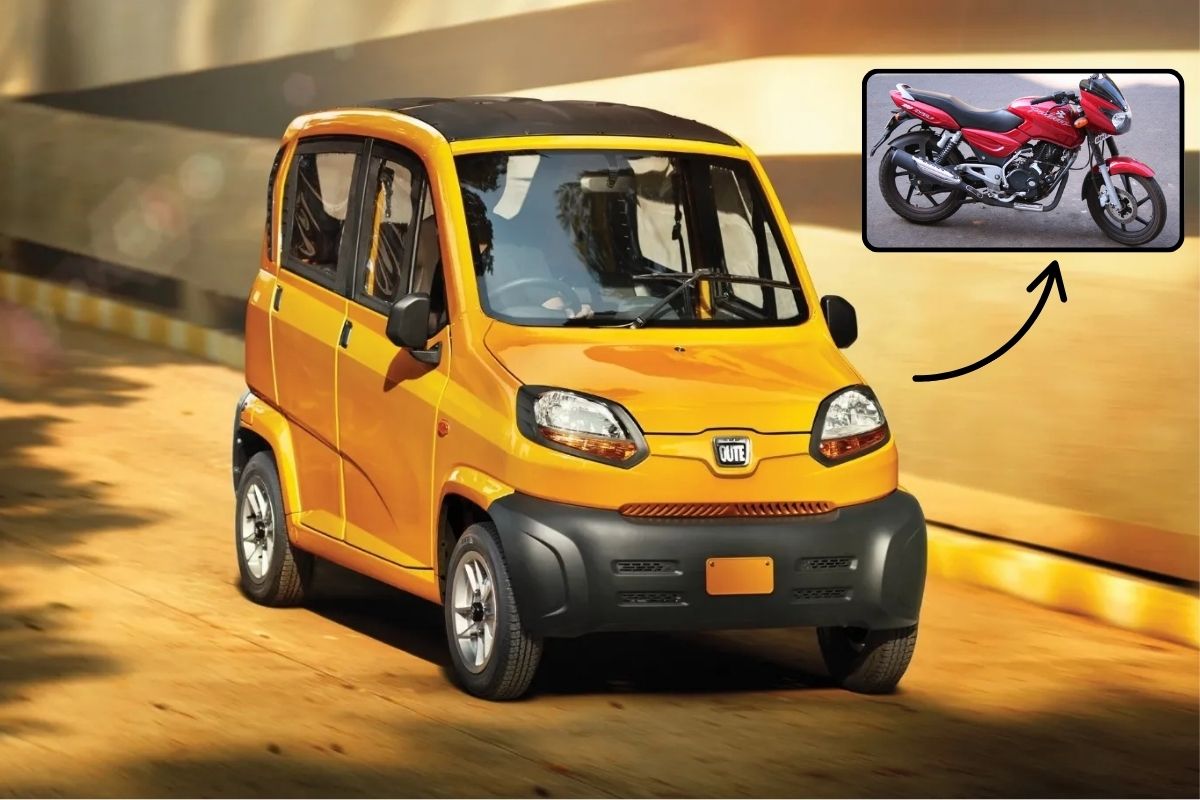


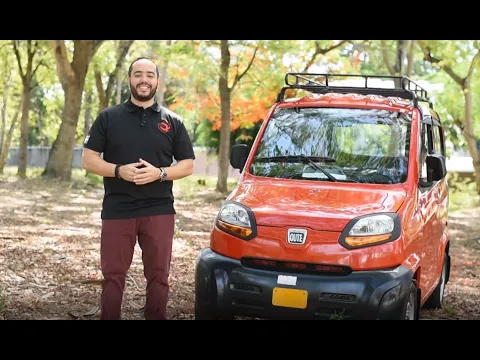
Bajaj Qute: The Small Car With a Motorcycle Engine That Runs 35 Km/L, Costs Less Than R$ 20 Thousand, and Becomes an Affordable Solution for Urban Transport in Various Countries
If you think you have seen everything in the world of cheap cars, it’s because you haven’t met the Bajaj Qute. Imagine a vehicle that costs less than R$ 20 thousand, consumes very little fuel, and was designed to revolutionize transportation on the chaotic streets of India. Ironically, this mini car has gained more popularity in other parts of the world. Now, with the Brazilian market increasingly looking for economical solutions for urban mobility, it’s worth learning about this curious story of the “car with a motorcycle engine” that surprised the planet.
What Is the Bajaj Qute: A Car or an Ultralight Quadricycle?
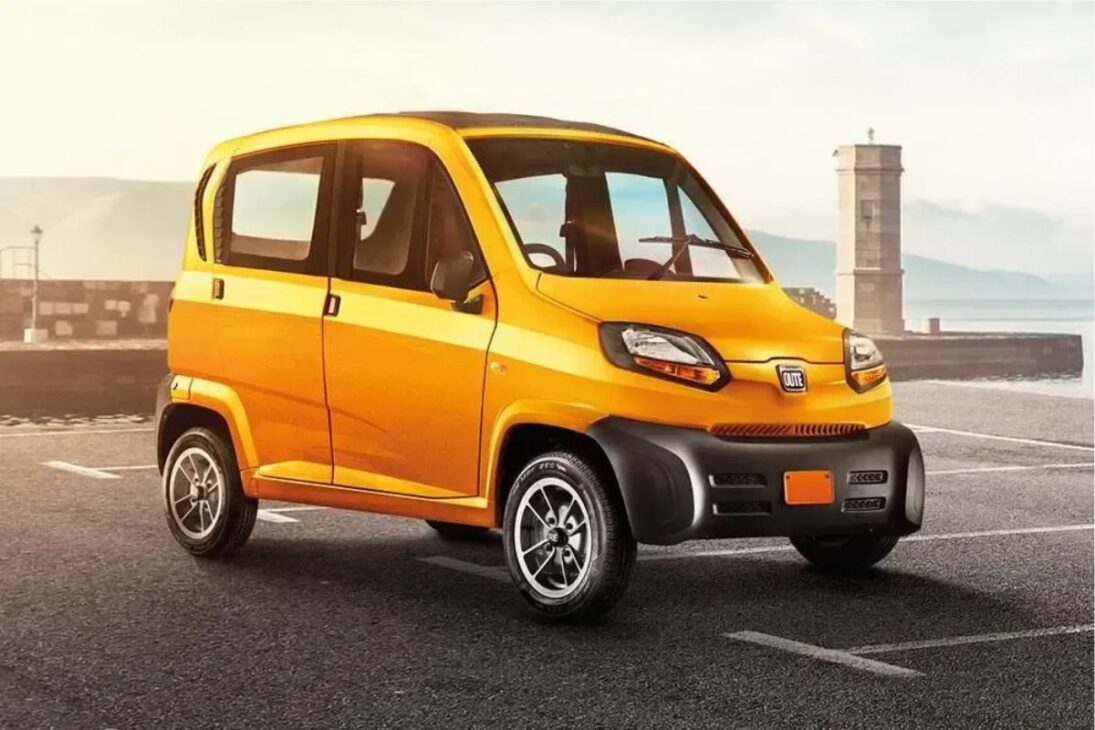
Bajaj is an Indian manufacturer known for its motorcycles. In Brazil, the company began selling motorcycles in 2022, but in India, it went further. In 2013, it introduced the Bajaj Qute to the world, a vehicle with a motorcycle engine that is technically a light quadricycle. It was the first in India to meet European safety standards for this type of vehicle.
The idea was simple: to provide a safer alternative to traditional rickshaws — those three-wheeled micro-taxis, motorized or even human-pulled, that dominate transport in overpopulated Indian cities. Although production started in 2017 aimed at export, the Qute was only officially launched in India in 2019, following government approval for registration as a quadricycle.
-
Hyundai has unveiled the Boulder, a square SUV with a body-on-frame design, 37-inch mud tires, and carriage-style doors that seems to be made to take on the Ford Bronco and the Scout Traveller in the United States.
-
Brazilian city neighboring Paraguay becomes a ‘magnet’ for people seeking quality of life and high standards with exceptional growth and commutes of up to 15 minutes.
-
A rare storm transformed part of the Gulf into an unlikely scene of hail, extreme rain, and tornado risk in the middle of the desert, with volumes that exceeded the annual average in a single day.
-
Brazil catches the world’s attention with ships powered by ethanol and biodiesel that have lower emissions, an unprecedented certification with advantages in chartering, and a revolution in cabotage.

The Proposal: Replace Rickshaws With a Touch of Safety
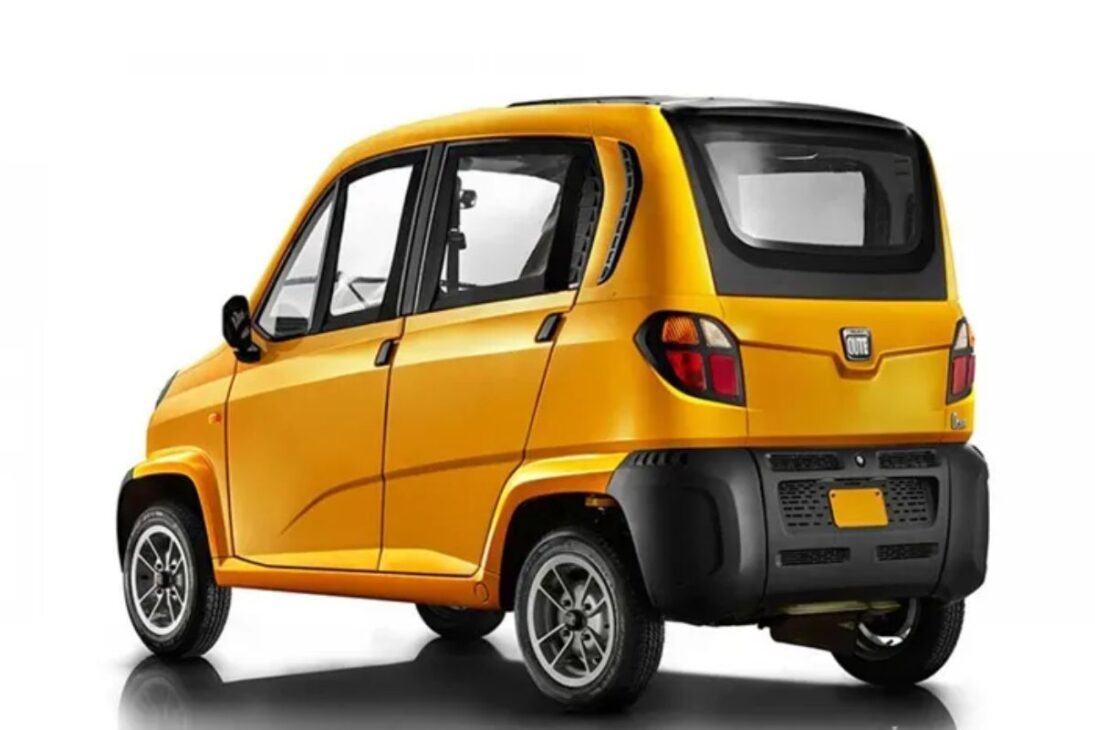
Even though Bajaj still manufactures rickshaws, the Qute had a different promise. With a closed structure, doors, and even a small front trunk of 20 kg, it offered more protection to passengers. Inside, the main trunk holds up to 191 liters.
The project was a collaboration with industry giants Renault and Nissan, interested in developing innovative urban solutions. And the price? Very competitive: in India, the Qute costs about US$ 2,900, or approximately R$ 19 thousand. Interestingly, Bajaj’s own rickshaws cost just a bit less — around US$ 2,800, or R$ 17,300.
What Is It Like to Ride in the Bajaj Qute?
Don’t expect a traditional car. The Qute is quite compact: it measures 2.75 meters in length, 1.31 meters in width, and 1.65 meters in height. Its weight of only 400 kg is due to the tubular chassis covered by plastic cladding.
The engine is a small single-cylinder 217 cm³, with 20 horsepower, located at the rear and connected to a five-speed automated transmission. The top speed? 70 km/h — more than enough for urban use. And the main highlight: a claimed fuel consumption of an amazing 35 km/l with gasoline.
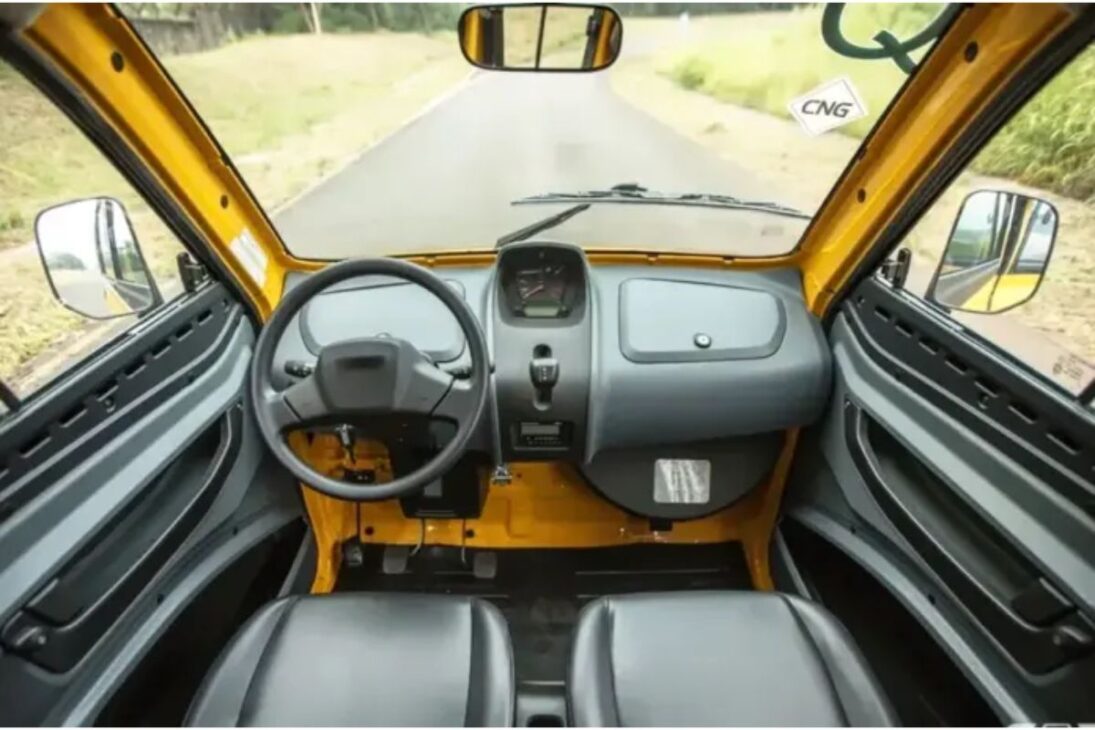
The vehicle also offers versions adapted for use with LPG (Liquefied Petroleum Gas) and CNG (Compressed Natural Gas). In these versions, however, the power drops to 14 hp.
Why Didn’t It Succeed in India, But Did Well Abroad?
Despite the attractive price and smart concept, the Qute did not take off in India. In the last five years, about 3,600 units were registered in the country. The problem? The strong culture of rickshaws and the resistance of drivers to invest in an alternative that still requires maintenance and adaptation.
Meanwhile, in the international market, the Qute found fertile ground. More than 31,500 units have been exported, with highlights such as Turkey, Ghana, Egypt, Guatemala, and Mexico. In these regions, it has become popular among consumers and small businesses that need an affordable and fuel-efficient urban vehicle.
According to a report from Autocar India, success abroad is linked precisely to the cost-benefit for small fleet operators and entrepreneurs looking for lightweight urban transport solutions.
Is There a Chance the Qute Will Arrive in Brazil?
For now, there are no concrete plans from Bajaj to sell the Qute in Brazil. But with the company already operating in the country in the motorcycle segment and a high demand for low-cost vehicles for urban and commercial use, the scenario could change.
Moreover, the issue of homologation remains a hurdle. As a light quadricycle, the Qute does not fit the current rules for passenger cars in Brazil. However, a potential change in legislation, or an effort by Bajaj to adapt the vehicle to Brazilian standards, could pave the way for it to land here.
According to automotive industry experts interviewed by the InsideEVs Brasil portal, the trend for microcars and light quadricycles is growing worldwide. With the increase in electrification and low-emission zones in large cities, vehicles like the Qute could play a strategic role in the future of urban mobility.
A Project That Could Still Surprise
The Bajaj Qute is a great example of how simple solutions can create global impact. Despite challenges in the Indian domestic market, the vehicle has already proven its worth in various countries and continues to attract interest as an affordable and sustainable alternative for urban transportation.
With the growing search for compact, efficient, and cheap vehicles, it wouldn’t be surprising to see products like the Qute gaining more space in the coming years — including in markets like Brazil, which have already shown interest in accessible mobility.




Quiero conocer el precio del carro en dólares. Luego hablamos de costos de embio y otros costos.
Gracias
Sendo um quadriciclo, não é carro, não precisa atender a legislação de carro, então não precisa de abs e airbag, não encareceria o valor, veículo exclusivamente para uso urbano, poderia ser adaptado para somente álcool, energia limpa e renovável. Com certeza Eu pagaria uns 40k.
No Brasil ele teria que ser classificado como carro e para isso aumentar o peso para pelo menos 550kg e ter ABS, airbag, controle de estabilidade, bancos com encosto de cabeça, DRLs e terceira luz de freio atrás. Um ar condicionado também cairia bem, mas para isso ele teria que ter o motor da Bajaj 400.