





 Portuguese
  English
  Spanish
  3 min of reading


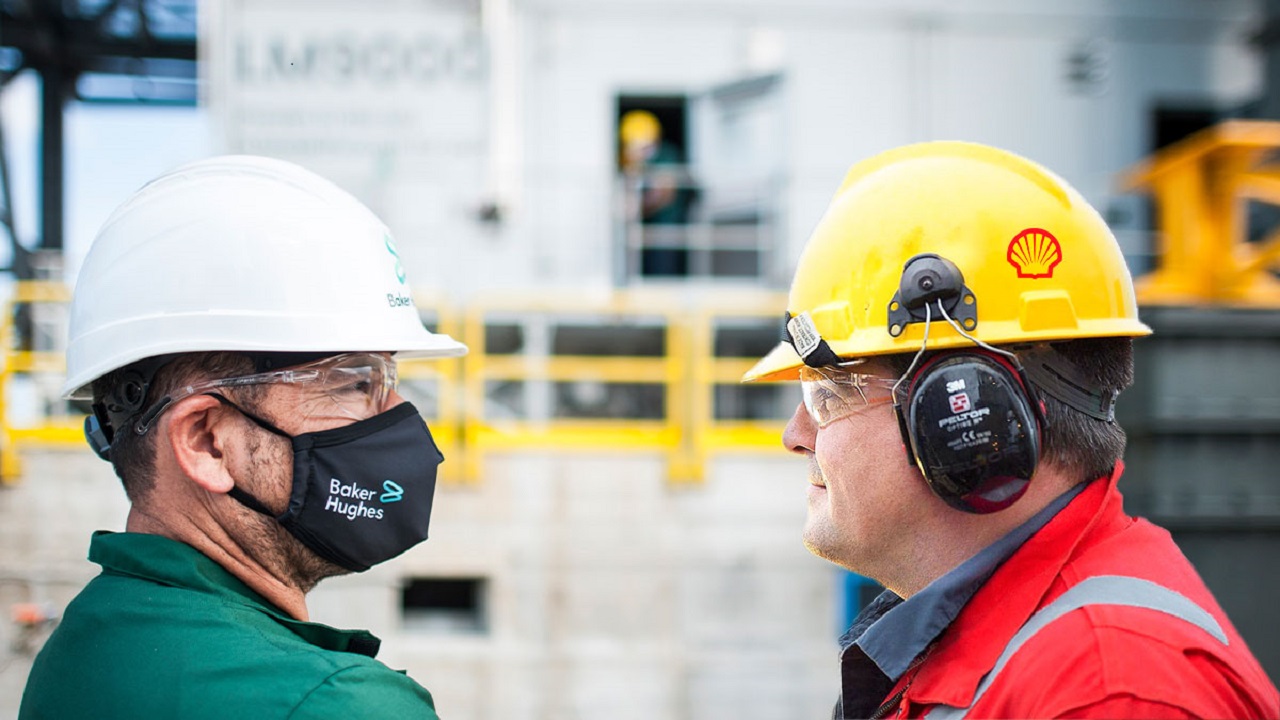
Aiming for an Energy Transition Quickly and Efficiently, Shell and Baker Hughes Strike a New Partnership to Join Forces to Achieve Zero CO2 Emission Targets
Baker Hughes and Shell struck a new partnership this week aimed at joining forces to foster the energy transition and achieve zero carbon dioxide emission targets. According to the agreement, Shell and Baker Hughes will work together to ensure that their respective net-zero carbon emissions commitments are met. Furthermore, the companies will also advance technological decarbonization solutions for the energy and industrial sectors.
Also Read
Shell and Baker Hughes Will Also Negotiate Renewable Energy for the Energy Transition
According to Baker Hughes’ CEO and President, Lorenzo Simonelli, the energy transition agreement with Shell is another example of how the company is collaborating in other ways to meet zero emission targets for its customers. The urgency due to the energy transition to meet the targets of the Paris Agreement necessitates collaboration to accelerate actionable steps to reduce emissions in various ways.
The memorandum of understanding signed between Shell and Baker Hughes seeks to develop the relationship that exists between the companies in various sectors. On one side, Shell will provide Baker Hughes with energy and sustainable energy credits for certain selected facilities in the United States.
-
Renewable energy advances over protected areas in Brazil, and a survey by the Energy Transition Observatory reveals silent impacts that challenge environmental conservation and pressure sensitive traditional territories.

-
Rio Grande do Sul accelerates energy transition: State invests in renewable technologies and consolidates decarbonization strategies and pathways to attract billions in new industrial investments.

-
With 160,000 m² of collectors, an area larger than 20 football fields, Silkeborg, in Denmark, hosts a solar thermal plant that heats 19,500 homes and could become the largest solar heating plant in the world.

-
A study reveals the expansion of renewable energy procurement in Brazil and shows how companies are taking advantage of opportunities to reduce expenses, ensure energy efficiency, and strengthen strategic environmental commitments.


The companies will also negotiate clean energy for some of Baker Hughes’ units in Europe and Singapore. Meanwhile, Shell and Baker Hughes will also collaborate more extensively to identify other opportunities to promote the energy transition to achieve zero carbon emissions by 2050. Baker may provide low-carbon technological solutions for Shell’s fleet, which uses Compressed Natural Gas.
Shell Forms Partnerships to Reduce Emissions with Other Companies
In partnership with Bosch and Volkswagen, Shell has developed Blue Gasoline, a fuel that can reduce CO2 emissions by 20%. The new gasoline is expected to be used at Bosch stations later this year.
According to Sebastian Willmann, Director of Internal Combustion Engine Development at VW, the new gasoline is an important piece in the effort to reduce pollutant emissions from combustion vehicles and will also be adapted for hybrid models.
Get to Know Baker Hughes and Shell
Shell has been in Brazil since 1913, aiming to meet the energy demands of its customers while operating responsibly towards the economy, society, and the environment. The company has 900 employees in Brazil, with its headquarters located in downtown Rio de Janeiro and a manufacturing unit on Governador Island.
Baker Hughes, on the other hand, is a service company for the oil sector, offering services and products to evaluate, drill, discover, extract, and produce oil, unconventional reservoirs, natural gas, and geothermal reservoirs. Baker is a leading provider of high-performance innovations that enhance asset value for operators of all sizes worldwide. Currently, the company has more than 60,000 employees spread across the globe.










Seja o primeiro a reagir!