Portuguese
  Spanish


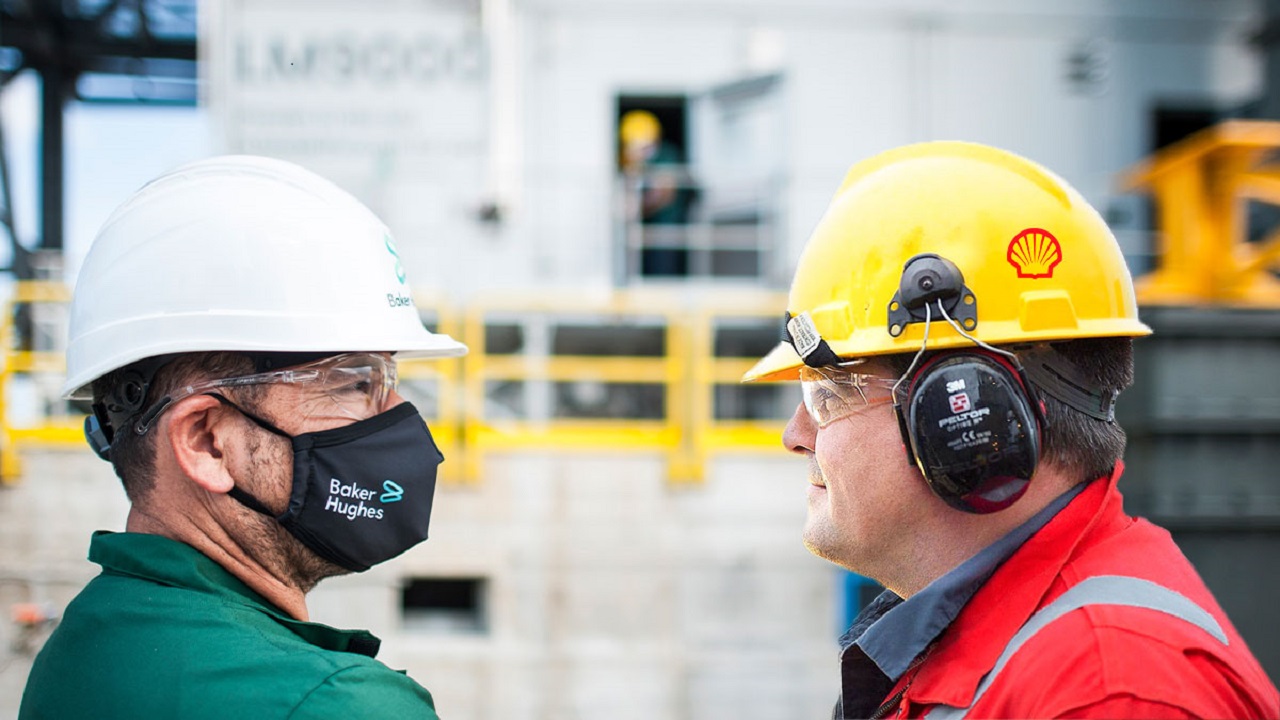

Aiming for an Energy Transition Quickly and Efficiently, Shell and Baker Hughes Strike a New Partnership to Join Forces to Achieve Zero CO2 Emission Targets
Baker Hughes and Shell struck a new partnership this week aimed at joining forces to foster the energy transition and achieve zero carbon dioxide emission targets. According to the agreement, Shell and Baker Hughes will work together to ensure that their respective net-zero carbon emissions commitments are met. Furthermore, the companies will also advance technological decarbonization solutions for the energy and industrial sectors.
Also Read
Shell and Baker Hughes Will Also Negotiate Renewable Energy for the Energy Transition
According to Baker Hughes’ CEO and President, Lorenzo Simonelli, the energy transition agreement with Shell is another example of how the company is collaborating in other ways to meet zero emission targets for its customers. The urgency due to the energy transition to meet the targets of the Paris Agreement necessitates collaboration to accelerate actionable steps to reduce emissions in various ways.
The memorandum of understanding signed between Shell and Baker Hughes seeks to develop the relationship that exists between the companies in various sectors. On one side, Shell will provide Baker Hughes with energy and sustainable energy credits for certain selected facilities in the United States.
-
Fired during apartheid and with a little borrowed money, an electrician started with a borrowed truck and transformed electrical services into a group connected to energy, real estate, and infrastructure in South Africa.

-
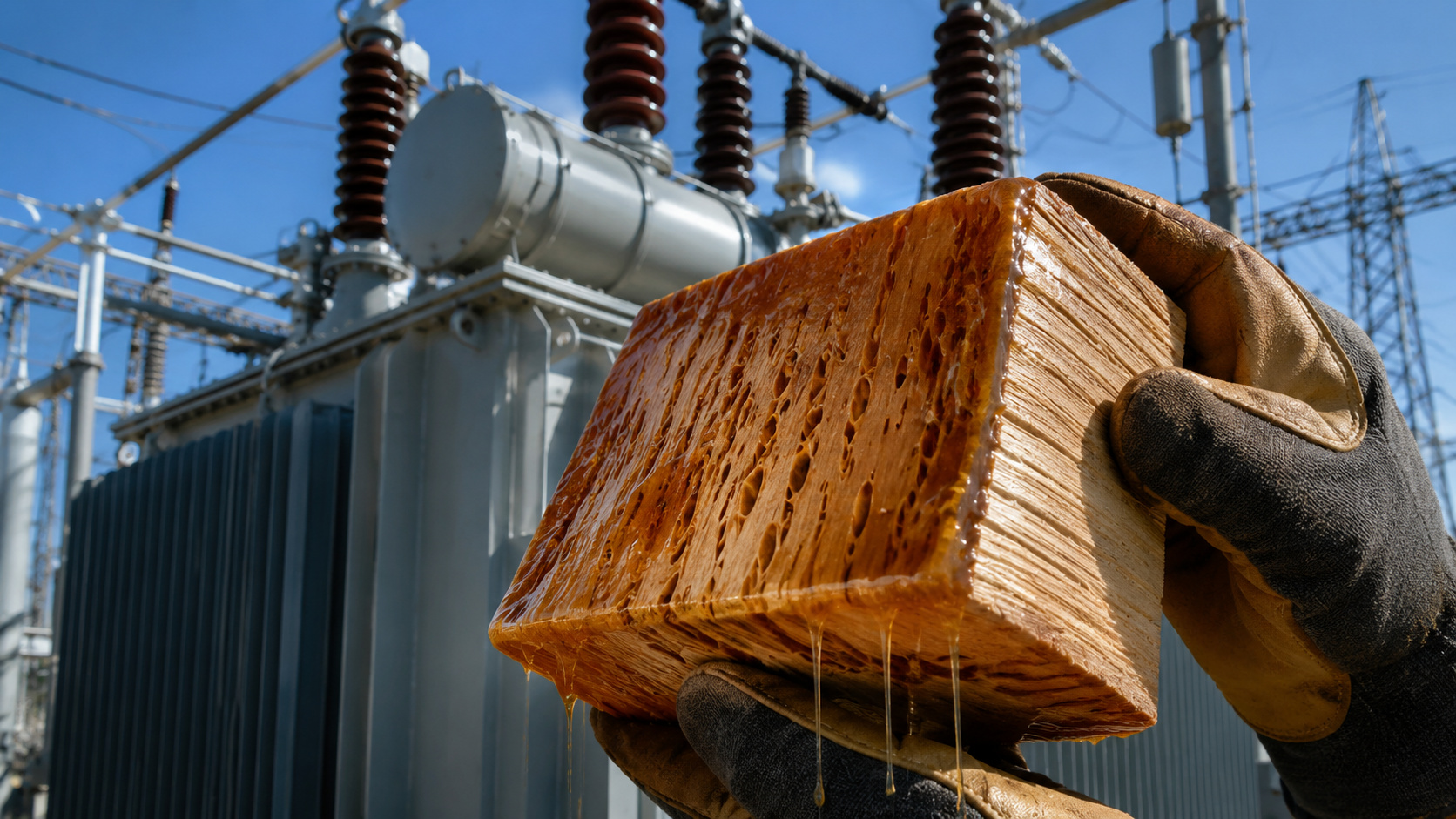
Wood has ceased to be just a construction material in Yale research and has become insulation for electrical transformers that face intense heat, aging, and increasing pressure from the renewable energy-powered grid.
-
More than 1,000 residents of a remote island in Kiribati now have clean water and electricity with solar systems operated by the community itself.
-
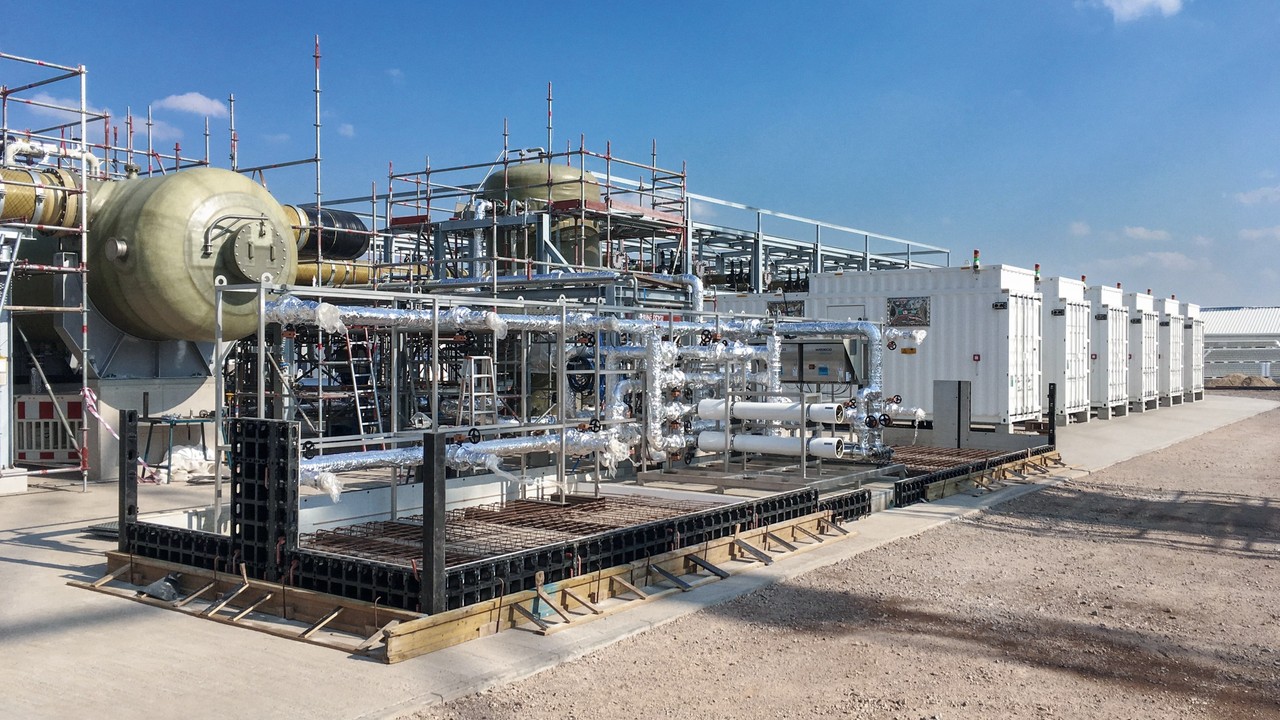
Ceará brings together 7 giants and R$ 66 billion to transform Pecém into the largest green hydrogen hub in Brazil, with final decisions expected by the end of 2026.



The companies will also negotiate clean energy for some of Baker Hughes’ units in Europe and Singapore. Meanwhile, Shell and Baker Hughes will also collaborate more extensively to identify other opportunities to promote the energy transition to achieve zero carbon emissions by 2050. Baker may provide low-carbon technological solutions for Shell’s fleet, which uses Compressed Natural Gas.
Shell Forms Partnerships to Reduce Emissions with Other Companies
In partnership with Bosch and Volkswagen, Shell has developed Blue Gasoline, a fuel that can reduce CO2 emissions by 20%. The new gasoline is expected to be used at Bosch stations later this year.
According to Sebastian Willmann, Director of Internal Combustion Engine Development at VW, the new gasoline is an important piece in the effort to reduce pollutant emissions from combustion vehicles and will also be adapted for hybrid models.
Get to Know Baker Hughes and Shell
Shell has been in Brazil since 1913, aiming to meet the energy demands of its customers while operating responsibly towards the economy, society, and the environment. The company has 900 employees in Brazil, with its headquarters located in downtown Rio de Janeiro and a manufacturing unit on Governador Island.
Baker Hughes, on the other hand, is a service company for the oil sector, offering services and products to evaluate, drill, discover, extract, and produce oil, unconventional reservoirs, natural gas, and geothermal reservoirs. Baker is a leading provider of high-performance innovations that enhance asset value for operators of all sizes worldwide. Currently, the company has more than 60,000 employees spread across the globe.