





 Portuguese
  English
  Spanish
  10 min of reading
  0 comments


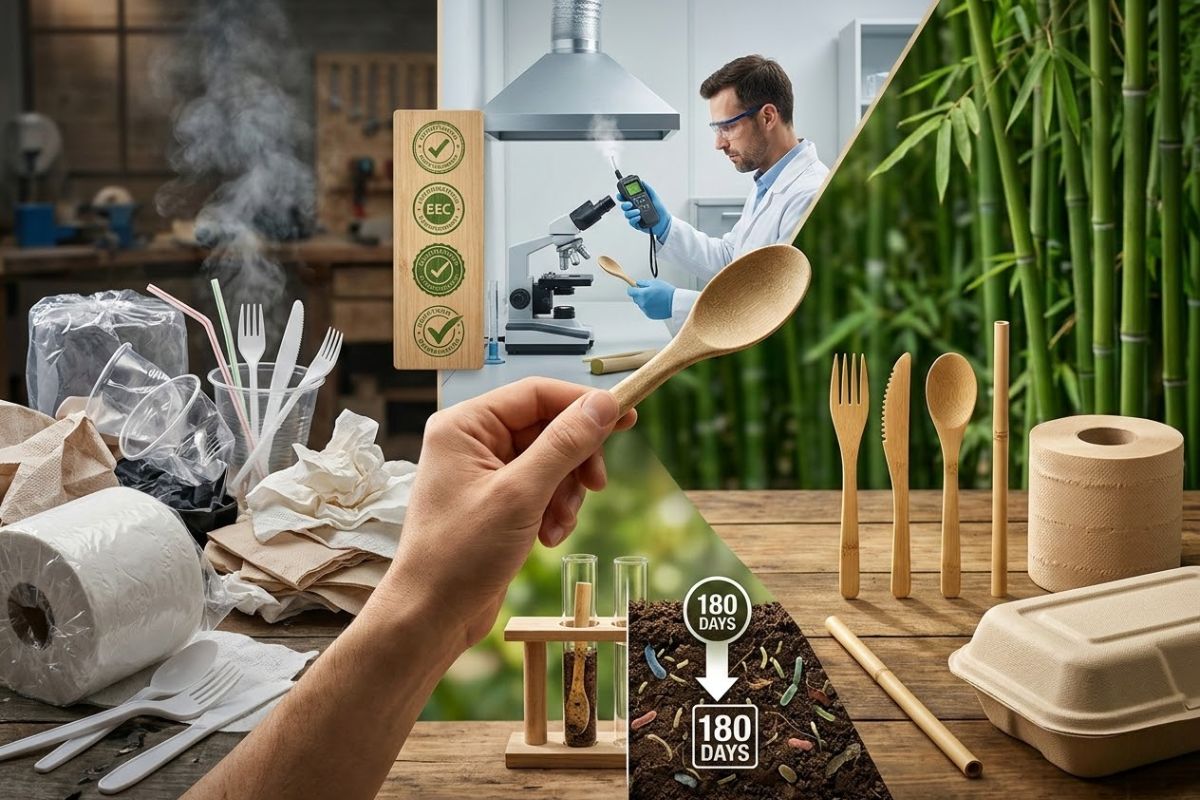
Bamboo Gained Space as Raw Material for Straws, Cups, Cutlery, Packaging, and Toilet Paper, Driven by Rapid Growth, Ecological Appeal, and New Formulas with Starch and Biobased Adhesive, but the Comparison with Plastic and Paper Still Depends on the Energy Used, Reliable Certifications, Final Price, and Safety in Large-Scale Food Use.
The bamboo has taken a strategic place in the race for alternatives to plastic and paper because it combines two promises that attract both industry and consumers at the same time: rapid renewal in the field and the potential to become disposable items, packaging, and even toilet paper with a more sustainable appearance. As straws, cutlery, and plant fiber utensils advance on the shelves, the idea that bamboo could replace traditional materials on a large scale also grows.
This substitution, however, is far from automatic. Bamboo can be harvested in shorter cycles, reuses parts of the plant, and has been used for centuries in construction, utensils, and even paper, but the industrial version that now competes with plastic and cellulose involves a mix of fibers, starch, minerals, and biobased adhesives. It is precisely in this combination of ecological promise and industrial complexity that the central doubt arises: is bamboo really a better solution or just an alternative that still needs to prove, case by case, its environmental and sanitary benefits?
Why Bamboo Became Such a Strong Bet
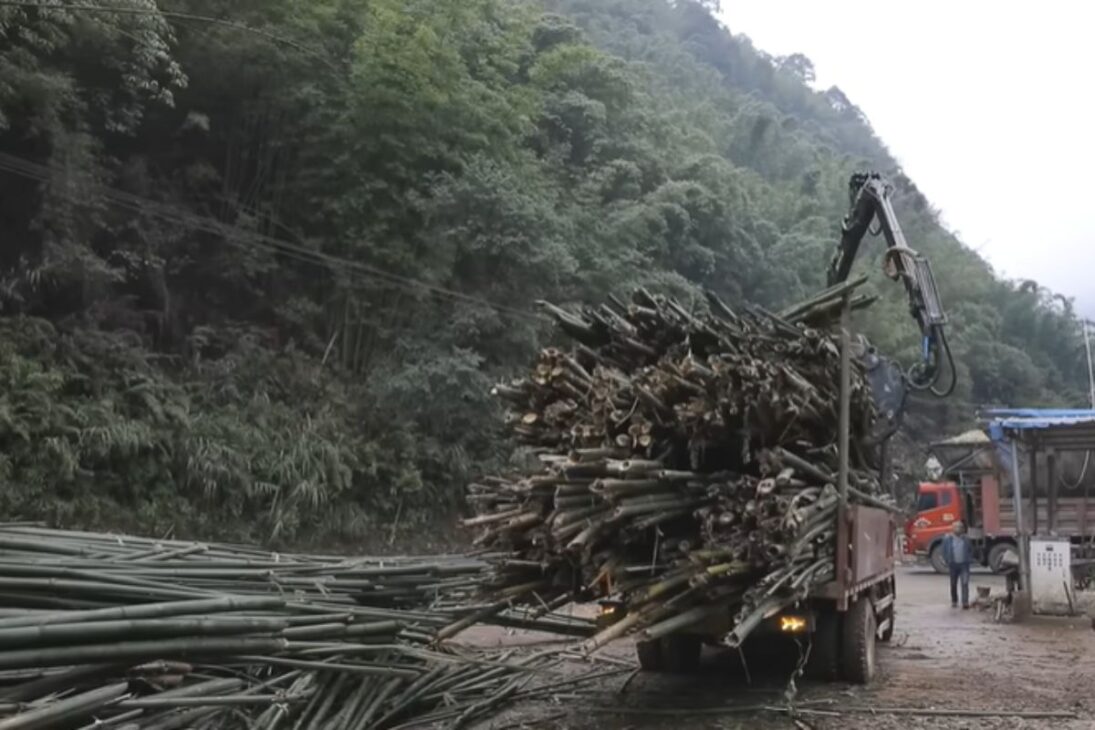
The advance of bamboo does not happen by chance. Some species grow rapidly and can regrow from the roots after cutting, which reduces the need for constant replanting and helps explain why the plant has come to be seen as a versatile raw material for an economy trying to reduce dependence on fossil fuels and slow-growing forests. The logic is simple and powerful: if the material grows faster, it may seem more compatible with intense industrial demand.
-
In 2026, the results of a study involving 140,000 people are expected to be released regarding a blood test capable of detecting 50 types of cancer before any symptoms appear, and this could be the greatest advancement in medicine since penicillin.

-
Spring 2026 could be the most dangerous season of the year, according to Climatempo and MetSul, with the peak of El Niño between September and November, an increase in Mesoscale Convective Complexes that caused historic floods in Rio Grande do Sul, and an advancing risk for São Paulo and Mato Grosso do Sul.

-
With the wingspan of a Boeing 747 and 160 times lighter, a solar drone flies for 90 days without landing, without fuel, and without a pilot, carrying 17,248 photovoltaic panels, a 200 km radar with AI, and has already crossed storms in the Gulf of Mexico during tests for the U.S. Navy.

-
Butantan Institute will produce pembrolizumab for the SUS and could change everything in cancer treatment by expanding access to innovative immunotherapy that strengthens the body and reduces high costs.
The historical use of bamboo also plays a role. Long before joining the wave of “green” disposable products, it was already used in house construction, food preparation, in structures like scaffolding, and in paper manufacturing. What changes now is the scale and type of application. Instead of appearing only as a traditional material, bamboo integrates modern industrial chains that try to place it in the place of cups, straws, spoons, forks, lunch boxes, packaging, and everyday papers. The leap is not just agricultural; it is commercial, technical, and symbolic.
Another decisive factor is market behavior. Consumers have shown a willingness to pay more for items associated with sustainability, and this has opened space for companies trying to offer substitutes for conventional plastic. The problem is that this willingness has a clear limit when prices rise too much or when the environmental benefit is not clearly demonstrated. Thus, bamboo advances steadily but still carries a constant demand for transparency.
How Bamboo Bioplastic is Produced
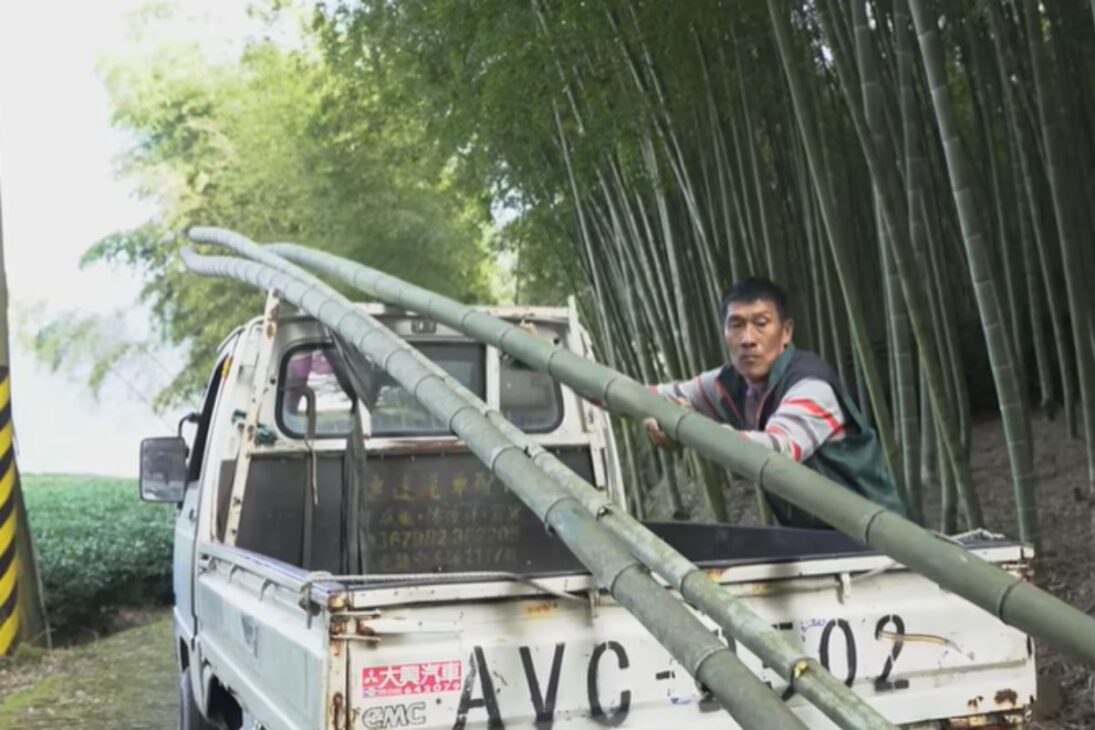
The transformation of bamboo into bioplastic goes through a much more elaborate industrial chain than the natural appearance of the product suggests. After harvesting, the stalks go through cutting, removal of branches, leaves, and nodes, in addition to being separated into smaller segments. These pieces are softened in water and then processed to generate intermediate forms and fibrous residues. None of this resembles a simple artisanal production. This is an industrial system designed to compete with the logic of plastic manufacturing.
Part of this waste is dried, ground, and transformed into bamboo powder. This powder is then combined with other ingredients, including corn starch, minerals, and a plant-based bioadhesive. It is this mixture that gives cohesion to the fibers and allows molding into different shapes. The result is not pure bamboo but a compound that tries to unite plant-based materials, industrial flexibility, and a faster decomposition capability. This detail is crucial: when talking about “bamboo product,” what actually exists is often a hybrid formula.
The industrial advantage lies right there. Since the mixture can be adapted in dozens of formulations, it fits in machines already used to manufacture plastic products, requiring more temperature adjustment than a complete overhaul of the production structure. This facilitates adoption by manufacturers who want to switch to another material without reconstructing the entire operation. In some cases, the production of straws reaches hundreds of units per minute, and the same logic applies to spoons, forks, lunch boxes, and molded pieces. Bamboo enters the system not as a total rupture but as a technically negotiable substitute.
Still, the chain shows its contradictions. Even when the final product presents itself as an alternative to plastic, the packaging may still be plastic due to a lack of scale for other types of solutions. This reveals an important limitation: the environmental promise of bamboo depends not only on the main item but on the entire production, packaging, transportation, and disposal process.
The Environmental Impact Goes Beyond Decomposition
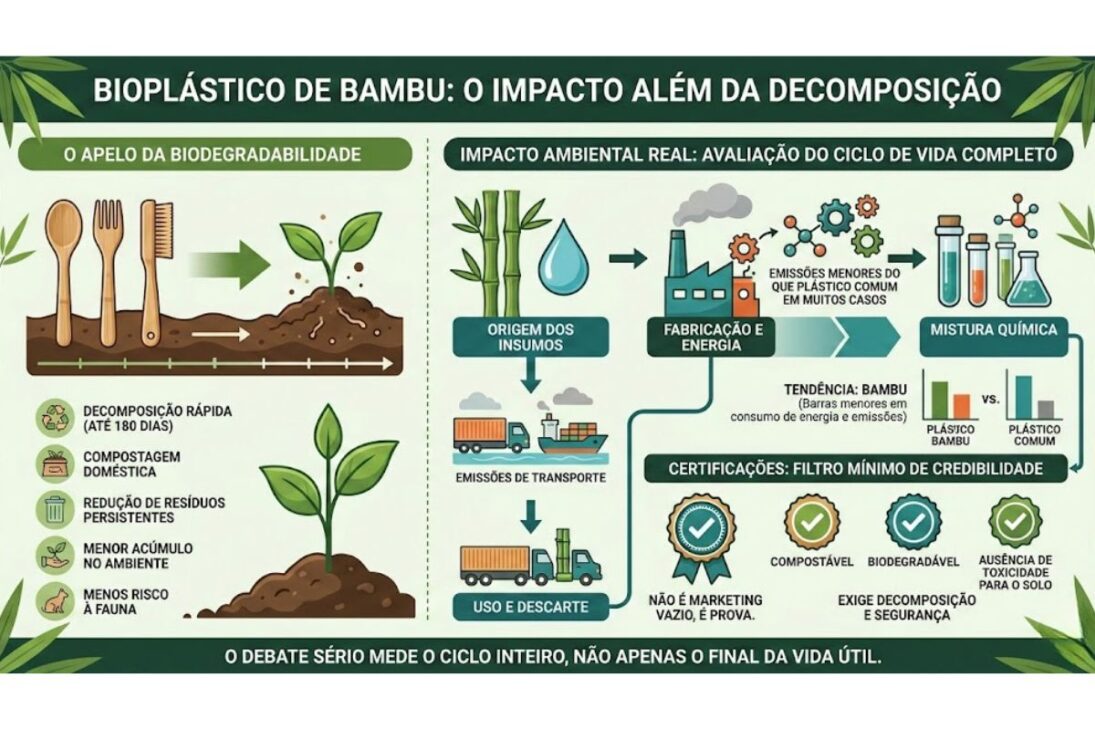
A large part of the appeal of bamboo bioplastic lies in the promise of natural decomposition. There are formulations that claim to degrade in up to 180 days, including in home composting, without the need for specific industrial structures. This characteristic weighs heavily in the consumer’s imagination because it suggests a reduction of persistent waste, lower risk of accumulation in the environment, and less time of exposure to cause harm to wildlife. The faster a material loses its shape and integrity in the environment, the less likely it tends to be a permanent waste.
But biodegradability does not solve everything. The real environmental impact depends on a broader account, which includes energy consumed during manufacturing, the origin of inputs, the type of chemical mixture, logistics of transportation, and scale of use. A product may decompose relatively quickly and still have significant emissions during its production. Thus, the comparison with common plastic cannot be limited to disposal. The serious debate begins when the entire cycle is measured, not just the end of the useful life.
In analyses that compared over a hundred bamboo products, the trend indicated was that emissions were lower than those of similar items made from other materials, including plastic, largely due to lower energy consumption in the production process. However, this result does not eliminate uncertainties. Each formulation has its own composition, each factory operates differently, and each logistics chain changes the equation. Bamboo may be better in many scenarios, but that does not automatically turn any item labeled as eco-friendly into a superior solution.
Another central point lies in certifications. Compostability and biodegradation seals function as a minimum credibility filter, especially when they require not only decomposition within a defined timeframe but also the absence of toxicity to the soil. Without this validation, the green discourse can become empty marketing. In the bamboo market, certification is not a bureaucratic detail; it is part of the proof.
Where Doubts About Food Safety Arise
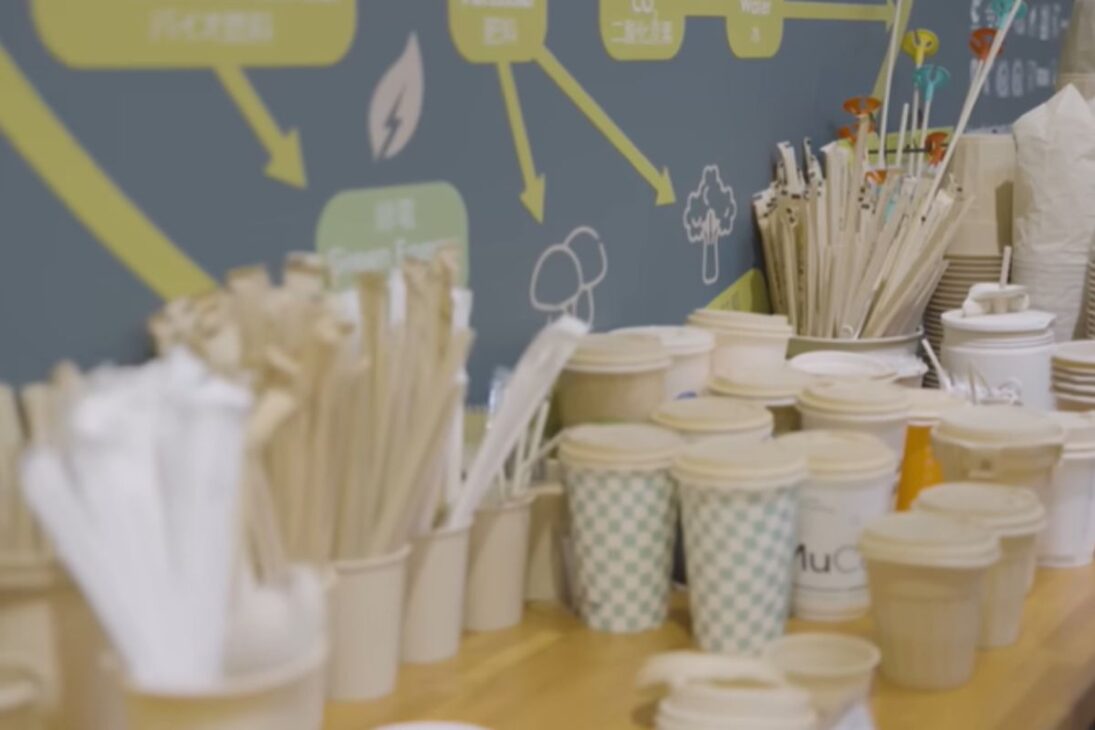
The main sanitary controversy is not with bamboo itself but with the substances used to provide cohesion, resistance, and moldability to the compound. Since there are many possible recipes, two products sold under the same “natural” appearance can behave very differently when they come into contact with food, hot drinks, or heating. This is where the topic of food safety shifts from being accessory to being central to the discussion.
In 2022, the European Union tightened control over food containers made from a mix of bamboo and certain types of plastic and resin, due to the risk of migration of chemical substances at concerning levels, especially when heated. This shows that the issue is not the plant fiber alone, but the final composition of the material. Not every item with bamboo is automatically safe, and not every item labeled as biodegradable is suitable for sensitive food use.
This distinction is crucial because the advancement of bamboo occurs precisely in areas of direct contact with food: straws, cutlery, lunch boxes, cups, and packaging. If the mixture is well formulated, tested, and certified, the tendency is to offer a more consistent alternative than conventional plastics, which also carry known risks. However, without this control, bamboo loses part of the environmental and sanitary legitimacy that propelled its rise.
Therefore, consumers and the market should not only ask if the product “contains bamboo,” but what is the formula, what tests have been done, what seals have been obtained, and under what conditions of use that item remains safe. This is the frontier that separates responsible innovation from hasty substitution.
Bamboo vs. Paper: The Comparison is Less Obvious Than It Seems
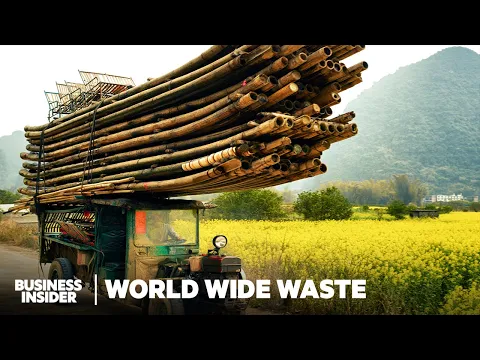

When the competition shifts from plastic to paper, bamboo remains strong, but it no longer appears as an automatic winner. The argument in its favor is robust: unlike trees that take decades to mature, bamboo can be harvested at much shorter intervals and regenerates without constant replanting.
In sectors like toilet paper, this carries weight because the traditional raw material relies on forest fiber on a large scale for a product of very short use.
The manufacture of bamboo toilet paper follows a similar logic to conventional paper. After cutting, bamboo is turned into chips, cooked with a chemical mixture until it becomes pulp, dried, pressed into sheets, and converted into large rolls that are later sold at retail.
The essential difference lies in the fiber’s origin: instead of wood from trees, bamboo is used. From an industrial perspective, the change is more in the input than in the overall design of the process.
This does not mean that bamboo paper is always the best answer. In environmental comparisons, recycled paper still appears more favorable, with a much lower carbon footprint. Bamboo emerges as an intermediate alternative: better than relying on virgin fiber from forests, but inferior to repurposing existing paper.
This hierarchy is important because it prevents simplifications. Among various possible options, bamboo can represent a real advance, but not necessarily the final stage of the solution.
The criticism of conventional toilet paper reinforces this point. Large volumes of fiber can come from forest areas of enormous ecological importance, including regions of high carbon storage and the presence of local communities and endangered species.
When this happens, the problem is not just making paper but transforming valuable ecosystems into raw material for an item discarded in seconds. In this context, bamboo gains strength as a substitute less pressured by long regeneration cycles.
Price, Scale, and Regulation Will Decide Who Wins
Even when environmental performance seems promising, bamboo still faces the price barrier. Products made with plant compositions or processed fibers usually cost more than traditional equivalents, and this affects how quickly they move from niche to mass market.
The difference may seem small per unit, but it becomes important in recurring purchases and in chains that operate with tight margins. In everyday consumption, sustainability without scale almost always turns into a premium product.
This economic disadvantage becomes even more visible in comparison to conventional plastic, whose unit cost is extremely low after decades of industrial standardization. A traditional plastic straw can cost less than one cent, whereas alternative versions carry more expensive raw materials, lower scale, and less consolidated processes.
The same reasoning applies to papers and packaging. Bamboo may compete better where there is added value, brand image, or environmental demand, but it still struggles to win solely on price.
That is why regulation can reshape the game. When governments discuss producer accountability for proper waste collection, recycling, or disposal, the cost of traditional material tends to approach the impact it generates.
At this point, bamboo-based products no longer compete just with shelf value but also in terms of environmental externalities. If the cost of disposal is factored into the equation, bamboo gains momentum.
At the same time, large brands will only migrate consistently when there is technical and legal predictability. This includes certification standards, proven food safety, mass production capacity, regular raw material supply, and clarity about what can or cannot be sold in each market.
Without this, bamboo will continue to grow but in a fragmented manner, stronger in niches than as a universal substitute.
Can Bamboo Replace Paper and Plastic?
The most honest answer is that bamboo can replace part of the paper and part of the plastic, but not in a total, simple, or uniform manner.
In specific applications, especially when there is good formulation, serious certification, and a well-controlled production chain, it appears as a more promising alternative than high-impact conventional materials. In other situations, the environmental gain diminishes, costs weigh more, and the risks of poorly formulated compositions prevent any hasty conclusions.
Bamboo is not a miracle, but it is also not an empty trend. It represents a concrete transition for sectors that need to reduce reliance on fossil plastic and virgin fiber from trees, as long as the discussion does not stop at the product’s “natural” appearance.
What determines the real value of bamboo is not just the plant, but how it is transformed, tested, certified, priced, and disposed of.
In the end, the competition is not just between bamboo, plastic, and paper. The competition is between production models that hide impacts and models that try to reduce them with greater transparency. And this difference matters much more than the label on the packaging.
Do you believe that bamboo can truly gain space in place of plastic and paper, or is there still not enough proof to trust this replacement in everyday life?






Seja o primeiro a reagir!