





 Portuguese
  English
  Spanish
  4 min of reading
  0 comments


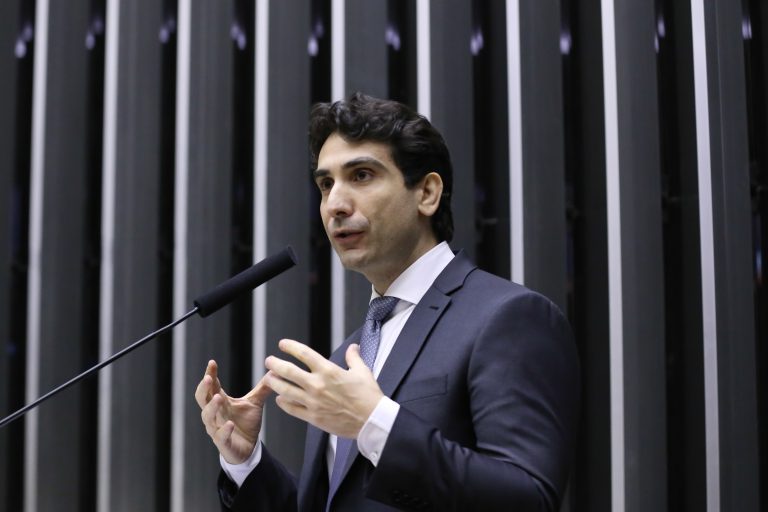
Despite the high interest rate scenario in effect since 2021, the performance of the Brazilian economy has remained relatively stable. See the main points of the session in the Chamber of Deputies that addressed economic performance amid restrictive monetary policy.
Despite the high interest rate scenario in effect since 2021, the performance of the Brazilian economy has remained relatively stable. During a solemn session held on March 26, 2025, in the Chamber of Deputies, the Central Bank’s director of monetary policy, Gabriel Galípolo, presented a technical analysis of the macroeconomic situation. According to Galípolo, although challenges persist, there are signs of gradual and moderate recovery. The session was held to commemorate the 60th anniversary of the creation of the Central Bank.
Recent Data Indicate Growth Above Projections, According to IBGE
According to data released by IBGE in February 2025, the Gross Domestic Product (GDP) grew 2.5% in 2024, surpassing previous estimates by market analysts. Among the factors contributing to this result are the reduction of the unemployment rate, which reached 7.5% in February 2025; the growth of the services sector, which advanced 2.3% in 2024; the increase in real household income, despite persistent inflation; and the maintenance of domestic consumption, albeit at a moderate pace. However, these indicators do not negate the structural and cyclical risks that continue to affect the economy, such as household debt and the high cost of credit.
High Interest Rates Remain as a Tool for Inflation Control, Says BC
During his speech, Galípolo defended maintaining the Selic rate at a high level — currently at 10.75% per year, according to the Monetary Policy Committee’s (Copom) decision in January 2025. He stated that the structure of the Brazilian economy requires a tighter calibration of monetary policy, as the transmission channels for interest rates are slower and less efficient than in other economies. “It is necessary to maintain firmness to consolidate inflation control, which is still above the target set by the National Monetary Council,” declared Galípolo, as recorded by Agência Câmara. Indeed, the IPCA closed 2024 at 4.6%, above the target of 3%, according to official data from IBGE.
-
Brazil Ignores Trump’s threats to BRICS, Buys 42 tons of gold and reduces the Dollar’s share by 6.45% in international reserves.

-
Havan buys historic football land in Blumenau for a million-dollar amount protected by a confidentiality clause and is already planning to change even the layout of streets to build a megastore in half-timbered style costing 80 million reais.

-
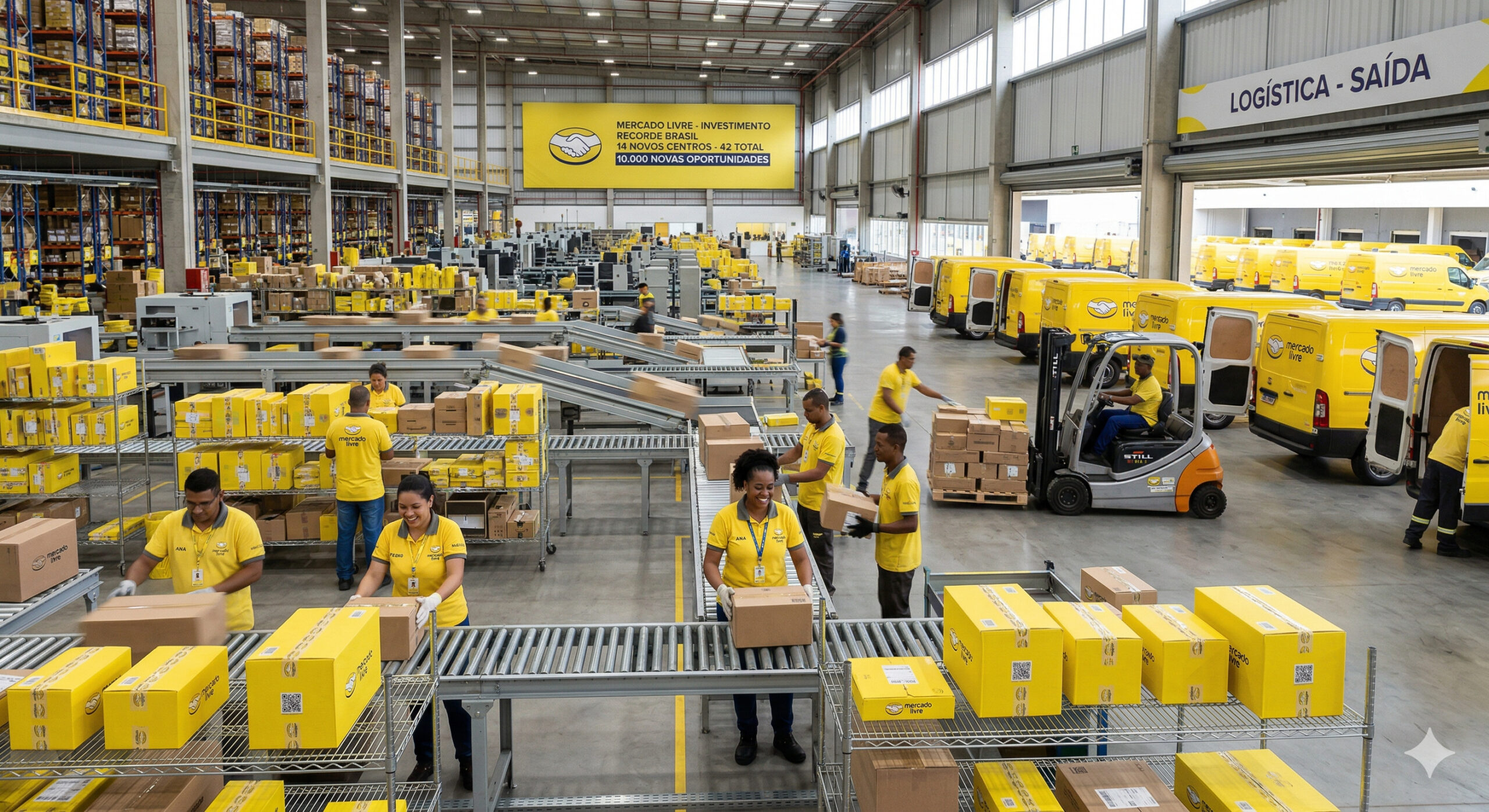
Mercado Livre “opens the vault” and announces a record investment of R$ 57 billion in Brazil in 2026, a value 50% higher than the previous year, with an expansion plan that includes 14 new logistics centers, totaling 42 units in the country and hiring an additional 10,000 employees.
-
How investment in technology can revolutionize the national economy and enhance industrial gains, according to a study that highlights the direct impact on productivity, innovation, and wealth retention within Brazil.


Deputies Call for Interest Rate Cuts; Central Bank Takes Caution
During the same session, lawmakers, such as Luiz Carlos Hauly (Podemos-PR), advocated for an immediate reduction of the Selic, arguing that high interest rates hinder the resumption of industrial activity and productive investment. Despite the criticism, Galípolo reiterated the need for prudence. For him, any easing of monetary policy should occur only when there is assurance that inflationary expectations are anchored. This stance aligns with the views of institutions such as the World Bank and the IMF, which recommend caution in contexts of persistent inflation in emerging countries.
Central Bank Reinforces Commitment to Transparency and Public Communication
Gabriel Galípolo also emphasized the importance of improving institutional communication, especially at a time of greater public exposure for the Central Bank. According to him, it is necessary to explain to society how the inflation targeting policy works and the use of interest rates as a control tool.
Additionally, he highlighted the impact of cross-subsidies and distortions in the credit system on the economy and social well-being.
Galípolo’s remarks were reinforced by statements published in Valor Econômico and Agência Brasil.
In them, he advocated for a communication policy that is more accessible and focused on the economic education of the population.
Structural Reforms Are Considered Essential for the Effectiveness of Monetary Policy
In an interview published in O Globo on March 27, 2025, Galípolo advocated for the adoption of reforms to improve the efficiency of economic policy. Among the highlighted proposals is expanding access to credit through greater competition among banks.
The formalization of labor relations was also mentioned, with the aim of broadening the contributory base.
Additionally, better integration between fiscal and monetary policy is proposed to avoid conflicts between economic targets.
According to him, these reforms are prerequisites for sustainably reducing the basic interest rate in the medium and long term.
2025 Indicators Show a Scenario of Relative Stability
Even with external uncertainties, such as the Chinese slowdown and geopolitical tensions, consultancies indicate that the fundamentals of the Brazilian economy in 2025 remain stable.
In February, the IPCA reached 4.42% per year. The exchange rate remained stable, hovering around R$ 4.90 during the same period.
Additionally, Secex reported a trade surplus of US$ 72 billion in 2024. The Central Bank recorded international reserves above US$ 340 billion.
These data provide some degree of predictability, although the scenario still requires attention to public accounts and the reform agenda.
Moderate Growth with Monetary Caution and Focus on Reforms
In summary, the Central Bank assesses that internal sectors support the moderate growth of the Brazilian economy, while the still restrictive monetary policy anchors it.
At the same time, the institution reinforces its commitment to transparency, clear communication, and macroeconomic stability, without yielding to political pressures for hasty decisions. Cuts in the Selic, if they occur, will depend on factors such as inflation control, progress in reforms, and fiscal credibility.








Seja o primeiro a reagir!