





 Portuguese
  English
  Spanish
  5 min of reading
  9 comments


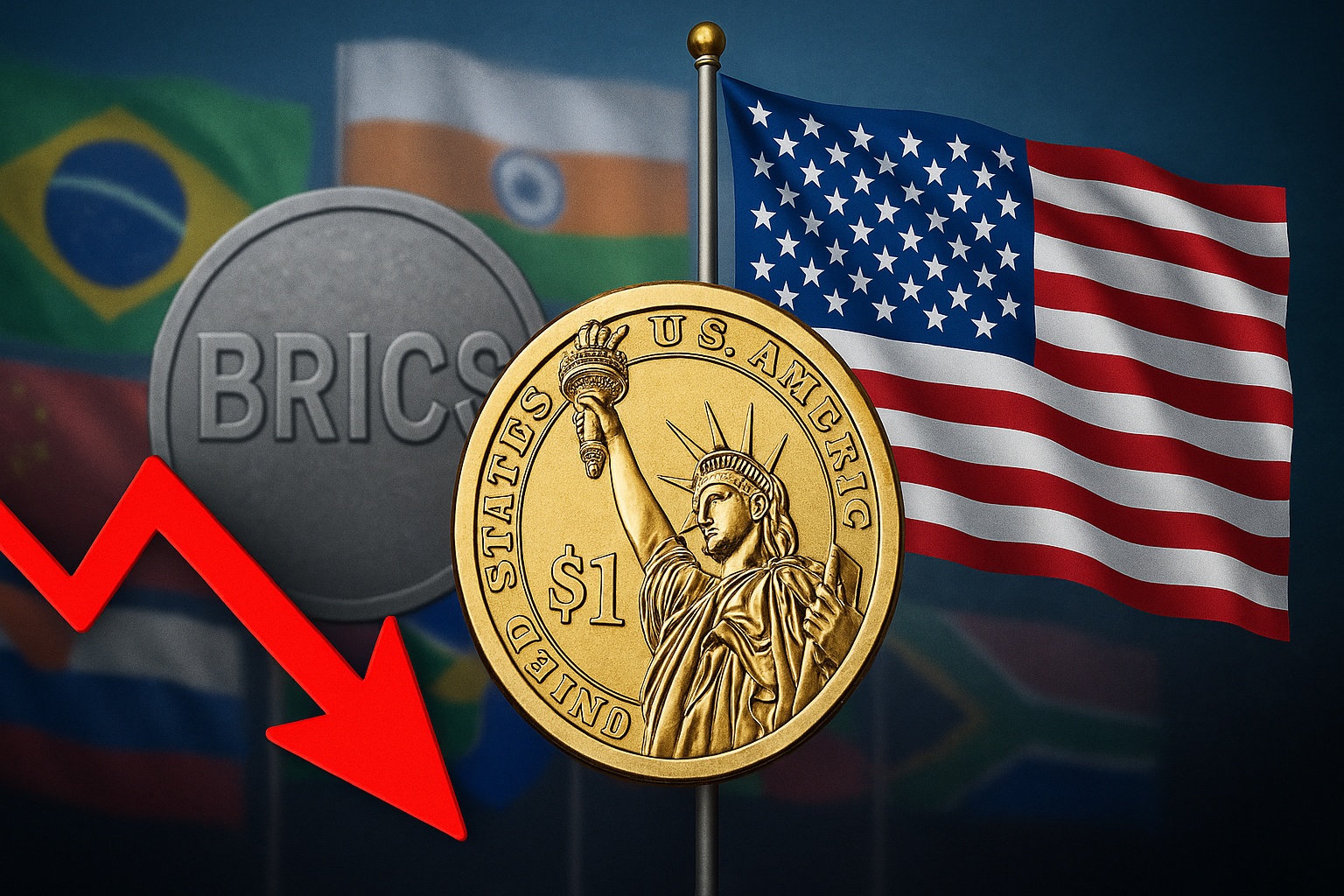


The Central Bank of Brazil Predicts That BRICS Will Not Have the Power to Rival the Dollar Before 2035 and Points Out Three Obstacles That Will Maintain American Hegemony.
The Central Bank of Brazil (BCB) broke its silence on one of the most sensitive topics in current geopolitics: the race among BRICS countries to reduce dependence on the dollar in international trade. In a recent statement, the institution projected that despite the progress of initiatives such as increasing the use of local currencies and proprietary payment systems, the bloc will not have the strength to challenge the dominance of the American currency before 2035.
This forecast contrasts with the more enthusiastic discourse of some leaders of the group, who since 2023 have openly advocated for an “accelerated dedollarization” to avoid the impact of economic sanctions imposed by the West and to give more autonomy to emerging countries. However, for the Brazilian Central Bank, there are three major structural obstacles that will prevent this transition from occurring in the short term — and which currently ensure the continued centrality of the dollar in the global economy.
The director of monetary policy at the Central Bank of Brazil, Nilton David, stated that there is currently no relevant set of assets denominated in BRICS currencies capable of rivaling the global dominance of the dollar — and that this reality is unlikely to change in the next decade.
-
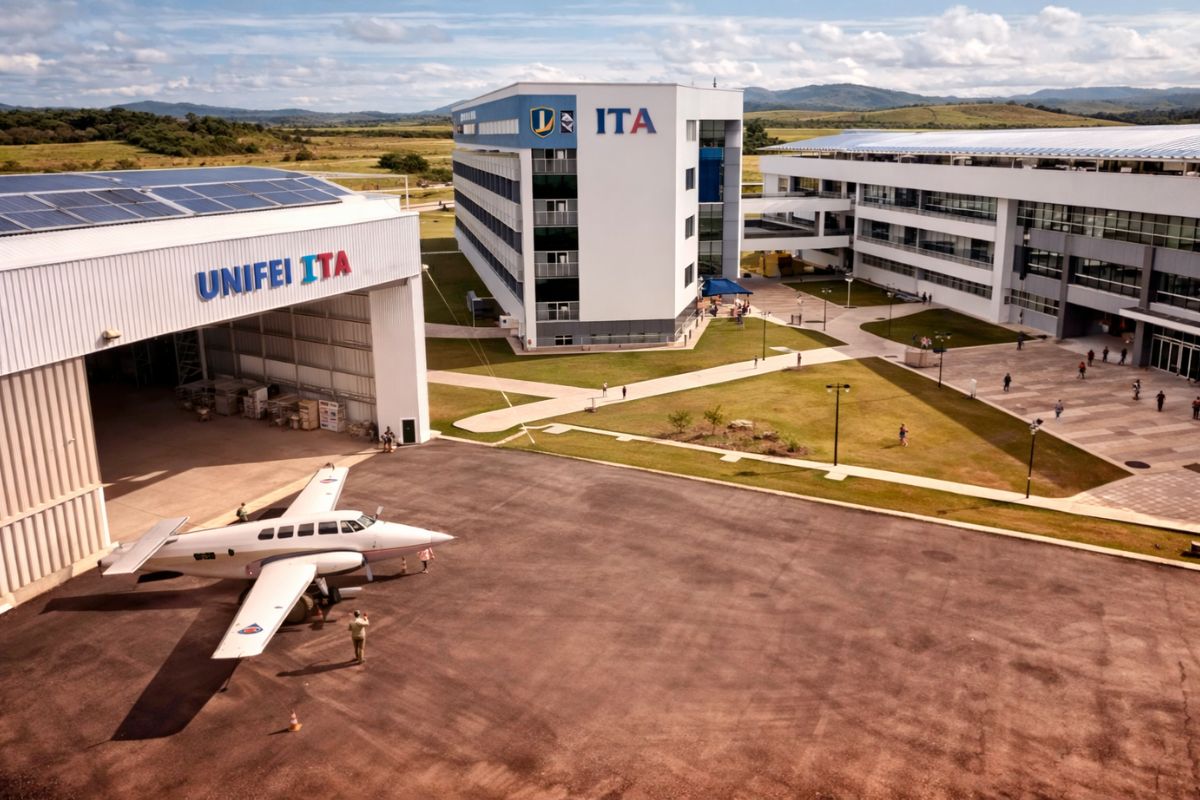
The institute that trained the greatest aerospace engineers in Brazil has just opened its first campus outside São Paulo after 75 years: ITA Ceará will have R$ 445 million, new courses in energy and systems, and classes are expected to start in 2027.
-
Luciano Hang, owner of Havan, goes to Juiz de Fora after the tragedy in February, brings R$ 1 million, hands out R$ 2,000 cards, and donates up to R$ 15,000 to victims in the region.

-
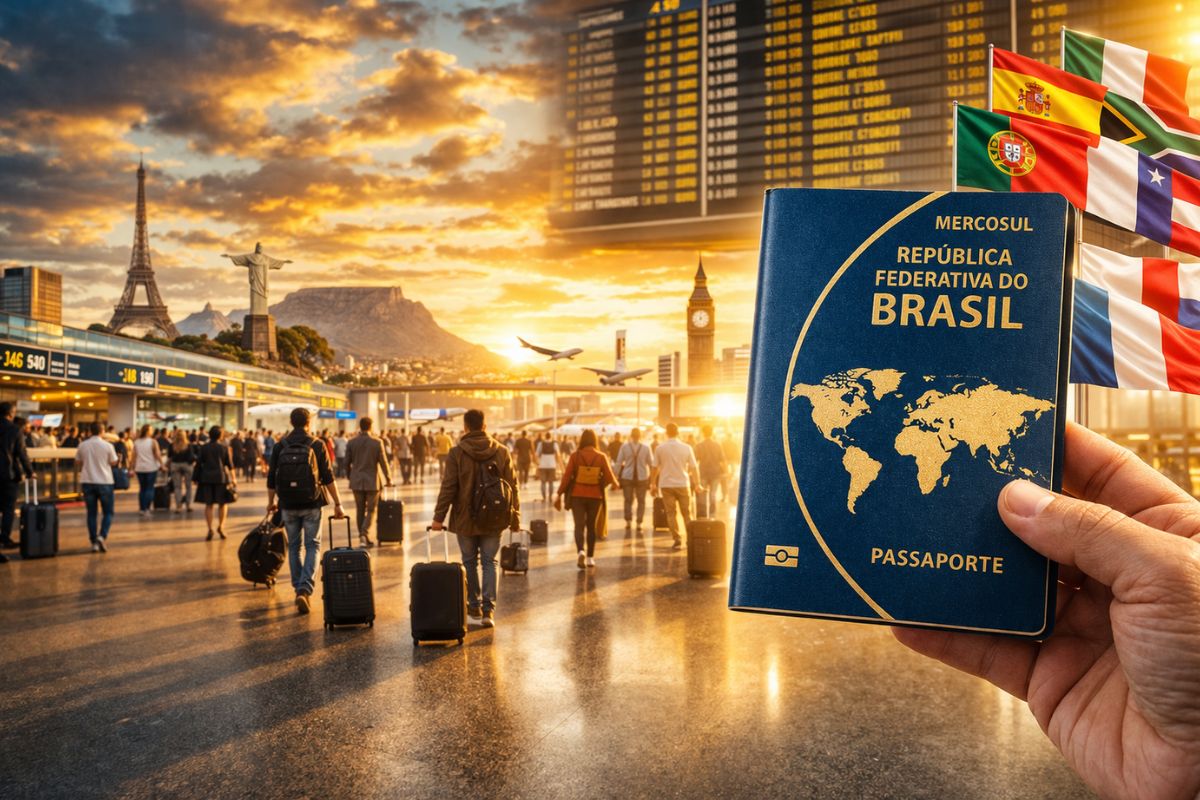
The Brazilian passport allows legal residence in dozens of countries without the need for a prior visa, and most Brazilians are unaware that they can apply for residency directly upon arriving in nations in South America, Africa, and even Europe.
-
Petrobras sends a message to Brazilian truck drivers after fuel collapse and reveals plan to have 100% domestic diesel.


In a statement made in MAY of this year (2025) according to an interview with Reuters, he indicated how alternative systems and bilateral agreements may reduce some dollar usage, but in the visible horizon, the supremacy of the American currency remains unshaken.
The Ambition of BRICS and the Shock with Economic Reality
BRICS — formed by Brazil, Russia, India, China, and South Africa, and recently expanded to include countries such as Egypt, Iran, and Saudi Arabia — has been seeking ways for years to reduce the weight of the dollar in international transactions. Among the proposals are the creation of a single currency, strengthening bilateral trade in local currencies, and implementing financial settlement systems independent of SWIFT, the global network dominated by Western institutions.
Despite these initiatives, the Brazilian Central Bank argues that the gap between political ambition and practical viability is enormous. To support the projection that the change will not occur before 2035, the monetary authority relies on an analysis of factors such as global liquidity, investor confidence, and the integration of emerging currencies into international financial systems.
Obstacle 1: Market Depth and Liquidity Still Concentrated in the Dollar
The first obstacle identified by the BCB is the scale of the dollar financial market. Today, about 58% of global international reserves are denominated in the American currency, and more than 80% of daily foreign exchange transactions involve the dollar as one of the ends.
For a BRICS currency — or even a set of integrated local currencies — to rival this level of liquidity, a broad, transparent capital market with free movement of resources would be necessary. However, the countries in the bloc still maintain stringent exchange controls, barriers to foreign capital entry, and little depth in public securities compared to US Treasuries.


Without this liquidity, companies and governments tend to avoid long-term contracts in alternative currencies, as volatility is higher and hedging costs become elevated.
Obstacle 2: Institutional Confidence and Macroeconomic Stability
The second obstacle pointed out is the confidence of international investors. The dollar is dominant not only by tradition but because the US offers a unique combination of the rule of law, political stability, a robust financial market, and clear governance rules.
Among BRICS countries, there are cases of recurring political instability, inflation above the global average, and risks of government intervention in markets. Although China and India have giant economies and growing influence, they still face barriers in terms of data transparency, legal security, and freedom of capital movement.
The Brazilian BCB emphasizes that confidence is built over decades — and cannot be quickly replaced by political agreements or innovative payment systems.
Obstacle 3: Global Payment Infrastructure and Interoperability
Finally, the third obstacle lies in the technical infrastructure that underpins international trade. Currently, SWIFT and corresponding banking systems operate as the backbone of global transactions. Even countries wanting to avoid the dollar still rely on these networks for clearing and settlement.
While BRICS is developing alternatives, such as proprietary payment systems and blockchain-based solutions, global integration requires standards compatible with financial institutions in over 180 countries. This technological adaptation is slow and costly and faces regulatory and cybersecurity issues.
And What Is Brazil’s Role in Dedollarization?
Despite the cautious tone of the Central Bank, Brazil participates in projects encouraging the use of local currencies in international trade. One example is the agreement with Argentina to allow transactions in reais and pesos without the need for conversion to dollars.
The Drex, a digital currency from the BCB currently in pilot phase, is also seen as a potential tool for fast and cheap international payments — although, at the moment, it is focused on the domestic market.
The Brazilian government, in turn, adopts a more diplomatic rhetoric: it supports monetary diversification but avoids direct confrontations with the US, its main trading partner in certain sectors and holder of a significant portion of global foreign exchange reserves.
The Geopolitical Impact of Keeping the Dollar at the Center
Keeping the dollar as the dominant currency until at least 2035 means that the US will continue to exert indirect power over the global economy.
Financial sanctions, variations in interest rates set by the Federal Reserve, and speculative movements in the Treasury bond market will continue to influence the cost of financing and the macroeconomic stability of emerging countries.
For BRICS, this represents the need to adopt a long-term strategy, combining investments in financial infrastructure, institutional reforms, and expanding reserves in alternative currencies such as the yuan, the ruble, and even gold.
Experts consulted by international reports agree with the assessment of the Brazilian BCB: dedollarization is a long-term trend, but it is unlikely to be accelerated enough to change the global scenario in the next decade.
The lesson is clear: it is not enough to create an alternative currency or adopt modern payment systems — it is essential to build trust, liquidity, and global integration, pillars that have supported the dominance of the dollar for nearly 80 years.










Banco central e mercado financeiro não acertam nada nunca então pode desdolararizar que é sussesso!
Em alguns outros veículos se escura a palavra “alternativa” ao invés de “contraponto”. Fica parecendo que os países querem uma moeda para se opor ao dólar, ao invés de querer adotar uma moeda que solucione os problemas que possuem nas negociações. Se vier, o dólar continuará lá, usa quem quiser e confiar, não me parece que o objetivo seja impulsionar a extinção do dólar.
Se preocupem não, o Banco Central só mandar nas contas bancárias dos assalariados.