





 Portuguese
  English
  Spanish
  5 min of reading
  1 comment


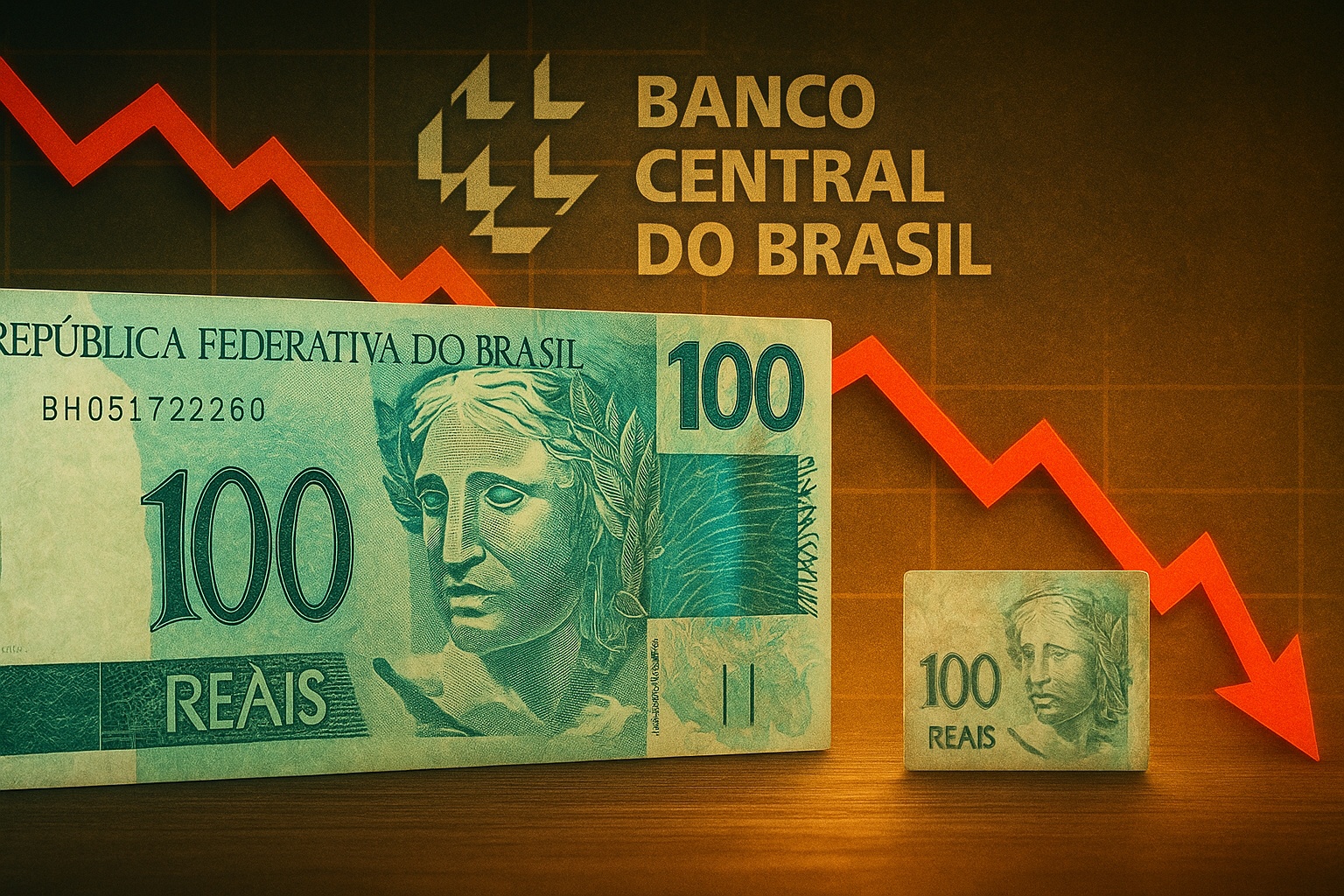


Real Lost 88% Of Its Value In 31 Years: R$ 100 From 1994 Is Worth Only R$ 11.75 In 2025, According To A Central Bank Study On Accumulated Inflation.
In 1994, Brazil celebrated the birth of the Real Plan, which brought stability to an economy devastated by hyperinflation. The new currency was received as a symbol of modernity and hope, ending a cycle of successive monetary redefinitions that marked the previous decades. Thirty-one years later, however, the data from the Central Bank of Brazil: according to a calculation based on the Broad Consumer Price Index (IPCA), the R$ 100 that in 1994 purchased a complete basket of goods and services today has a purchasing power equivalent to only R$ 11.75. In practice, the real lost 88% of its value in just over three decades.
This phenomenon does not mean that the currency has failed; after all, it managed to keep inflation levels relatively low compared to the pre-Real Plan period, but it highlights how the cost of living in Brazil has grown rapidly, eroding family income and pressuring budgets.
Accumulated Inflation And Its Impact On Daily Life
Inflation is the main culprit for this erosion of purchasing power. The IPCA, calculated by the IBGE, accumulated an increase of over 750% from 1994 to August 2025. This trend explains why products that used to cost a few reais now cost dozens or even hundreds.
-
Electrolux surprises, closes colossal factory and lays off 400 people in a mass dismissal that will have a direct effect later this year, following a cost review, with an impact of R$ 272.5 million and R$ 109 million in cash in Chile.

-
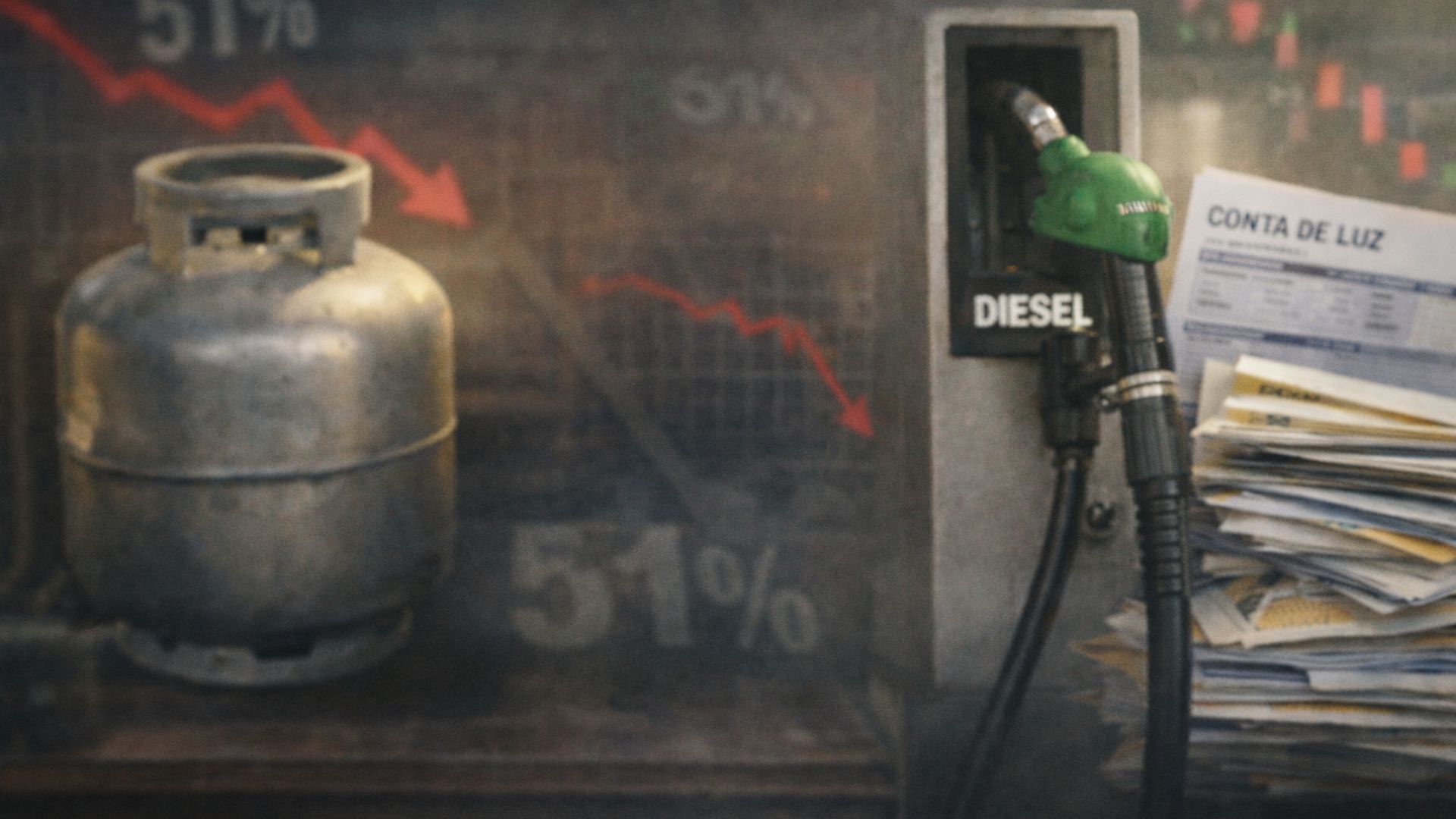
The Lula government is pursuing re-election and is therefore preparing a package with discounts of up to 80% on debts, subsidies for diesel, gas for 15 million, and energy, after reaching 51% disapproval six months before the election.
-
The chamber approves a project that transforms plots of up to 2,000 square meters into official rural properties, allowing thousands of small producers who were invisible to the government to now access credit, tax exemptions, and technical assistance.

-
Factory 52, in the USA, cost over $5 billion, covers 270,000 square meters, and manufactures cutting-edge chips: it was named Project of the Year by the world’s largest engineering magazine, marking the global race for semiconductors.

Essential items, such as rice, beans, coffee, and fuels, experienced even more intense variations during certain periods.
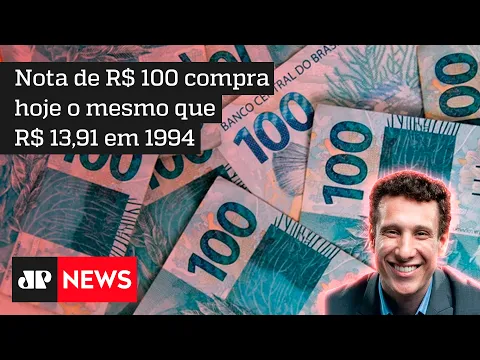

Low-income families, who allocate a large part of their budget to food and transportation, have been the most affected, experiencing a constant feeling of loss of purchasing power.
For many, the memory of filling a shopping cart with a R$ 100 bill has become a nostalgic symbol of a distant past.
Fiscal, Political, And Exchange Crises
The depreciation process cannot be explained solely by price inflation. Over the past three decades, Brazil has faced successive fiscal and political crises that have shaken investor confidence and international markets.
In 1999, the currency’s sharp devaluation exposed the fragility of the currency band regime. In the following years, external shocks, such as the global financial crisis of 2008, and internal factors, such as persistent fiscal deficits and rising public debt, contributed to devaluing the currency against the dollar.

More recently, in 2024, the real was identified as one of the most devalued currencies among major economies, with a drop of over 20% against the dollar. The perception of fiscal risk, political instability, and a reduction in interest rate differentials compared to the United States were determinants for this outcome, increasing the cost of imported products and pressuring domestic inflation.
The Contrast With Other Currencies
While the real lost 88% of its value in 31 years, currencies of developed countries had a different trajectory.
The U.S. dollar, even facing its own inflationary cycles, has maintained greater global stability, benefitting from its role as an international reserve currency.
The euro, launched in 1999, managed to keep losses in purchasing power at more moderate levels, reinforcing the perception of solidity of the European Union.
This contrast reinforces how the Brazilian trajectory has been marked by structural challenges. The country, while celebrating advances in agriculture, industry, and sectors like oil and gas, coexists with historical problems of high public spending, low productivity, and political volatility that undermine confidence in the currency.
The Invisible Cost For Brazilians
The erosion of the real’s value is not just a technical data point. It translates into concrete difficulties for millions of families.
The middle class has seen its savings capacity shrink, while the poorest have faced rising social inequality.
Salaries that do not keep up with full inflation create the feeling that, year after year, workers buy less with the same amount of money. Pension and welfare benefits, even when adjusted, lose relevance in the face of significant increases in specific sectors, such as electricity and transportation.
This reality fuels a cycle of disbelief in the future of the national currency and encourages part of the population to seek protection in assets like dollars, gold, or cryptocurrencies, trying to preserve wealth against inflation.
Perspectives For The Future Of The Real
Despite the severe diagnosis, experts emphasize that the real is still a currency with an important role in Brazil’s macroeconomic stability.
Annual inflation, although high at certain moments, is far from the levels of pre-1994 hyperinflation. Furthermore, instruments such as the inflation targeting regime and the autonomy of the Central Bank help contain more severe pressures.
The major challenge for the future is to combine fiscal responsibility, consistent monetary policy, and increased productivity. Without structural reforms, the real will remain vulnerable to cycles of devaluation, especially in the face of external shocks and internal crises.
There is also a growing debate about long-term alternatives, such as the creation of a common currency among the BRICS or strengthening the use of the real in international trade. Although these proposals are still in their infancy, they reflect the search for solutions to reduce exchange rate dependence and reinforce the credibility of the Brazilian currency.
A Warning About The Cost Of Instability
The 31 years of the Real Plan are a milestone in Brazil’s economic history. The currency that was born to tame hyperinflation has managed to ensure three decades without changes in monetary standards — an unprecedented achievement in the country.
But the fact that R$ 100 from 1994 today only buys R$ 11.75 is a strong warning about the weight of inflation and economic instability.
More than numbers, this devaluation shows how weak fiscal policies, recurrent political crises, and currency shocks erode the daily lives of families. At the same time, it reminds us that monetary stability requires constant vigilance and long-term commitments that go beyond governments.
The real, even surviving as a stable currency compared to the inflationary past, bears the mark of an 88% loss of purchasing power over 31 years. It is a portrait of the corrosive strength of inflation and the ongoing challenge of protecting the wallets of Brazilians.








obrigado por tudo agradeço 😊